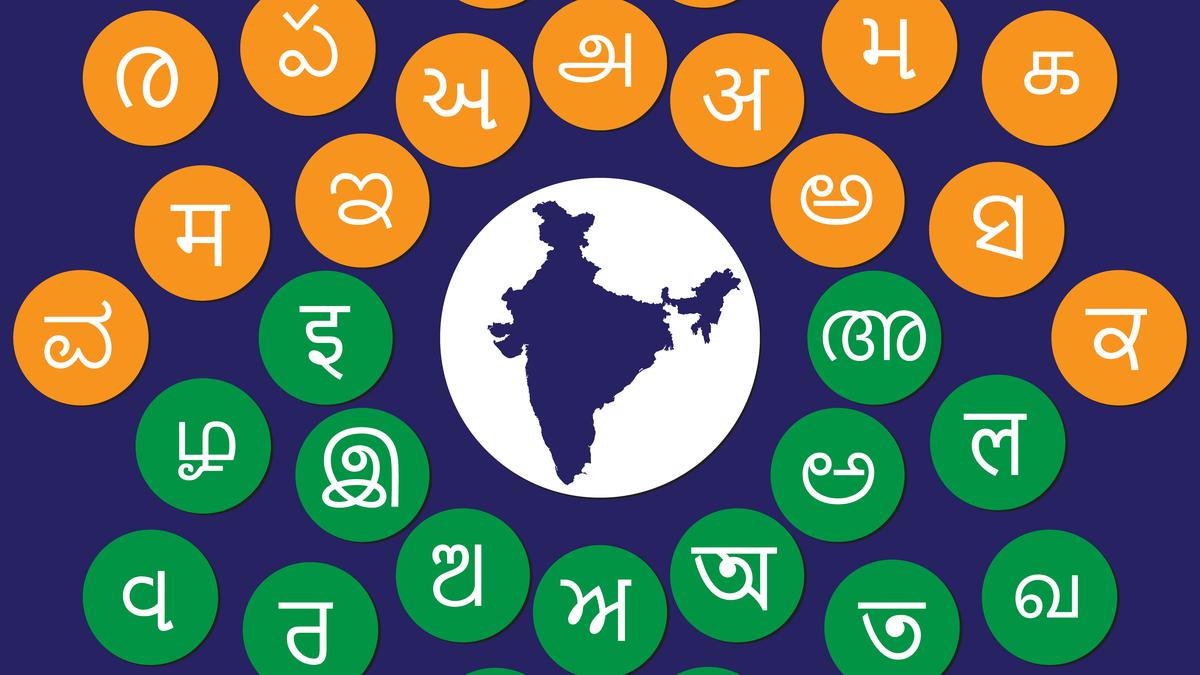
Linguistic diversity and multilingual ethos are among the fundamental characteristics of India. This feature is nothing new to the country, as, even in the olden times, the territory, encompassing the present India, was home to several languages such as Sanskrit, Tamil, Pali, Prakrit, and Persian, apart from being open to positive influence of many foreign languages. It is quite evident that the country has been having a long and healthy tradition of multilingualism in contrast to the unilingual identity which once shaped the European model of nation-state.
Being home to five language families (Indo-European [Aryan, Iranian & Germanic], Dravidian, Austro-Asiatic, Tibeto-Burmese and Semito-Hamitic), India had, by the end of 19th century, 179 languages and 544 dialects, according to Sir George Grierson’s Linguistic Survey of India (1903-1923). A document of the Centre’s Education Department, citing a 1989 publication, states that “there are at least 50 Indian languages in which writing and publishing are done in substantial quantity.”