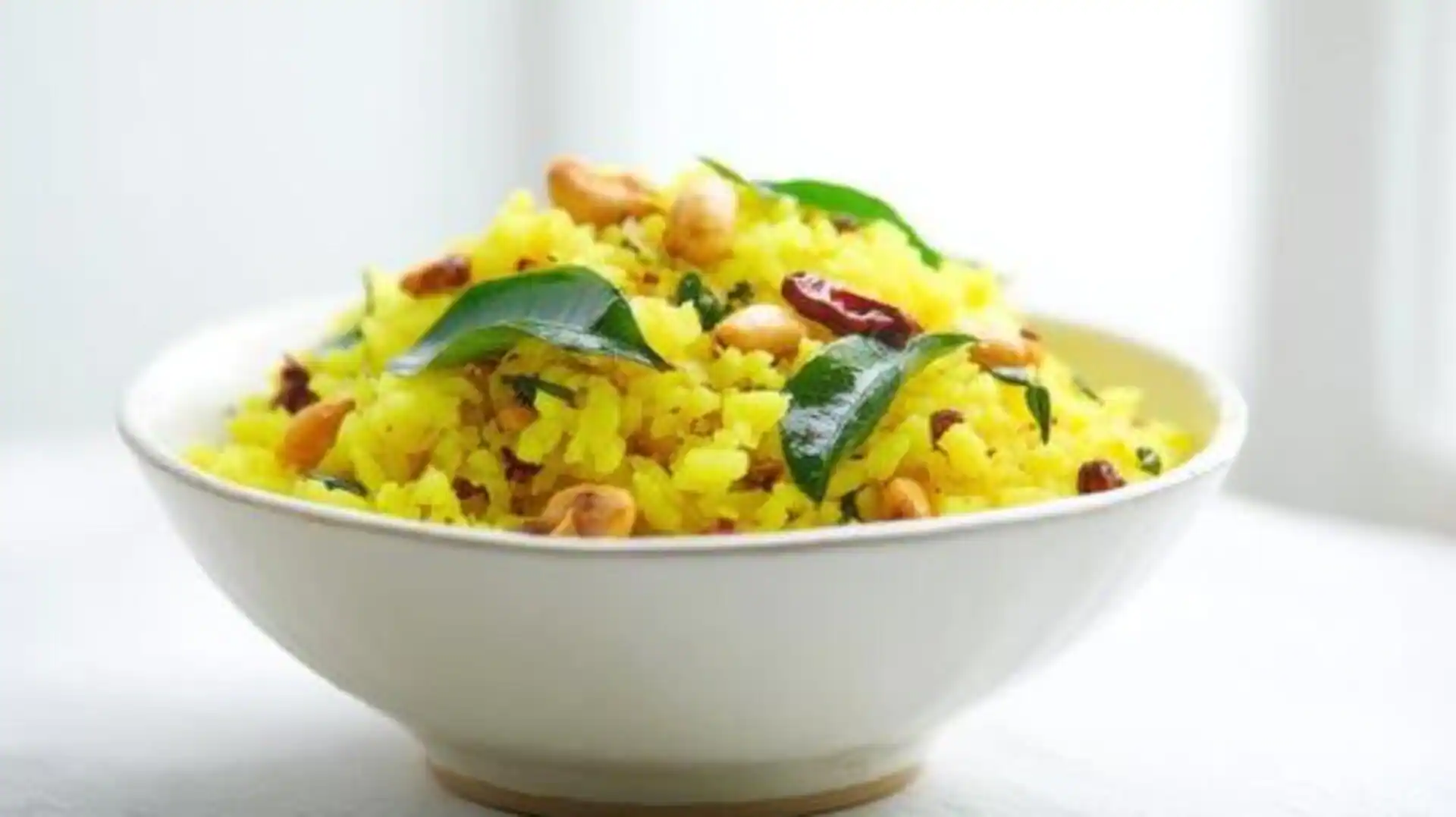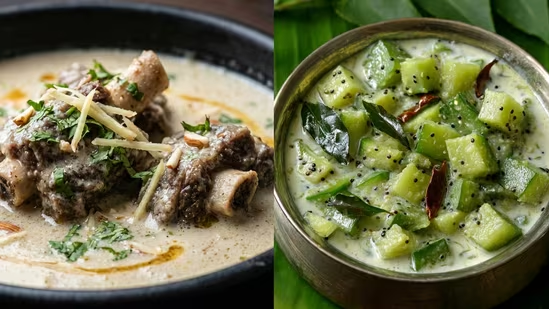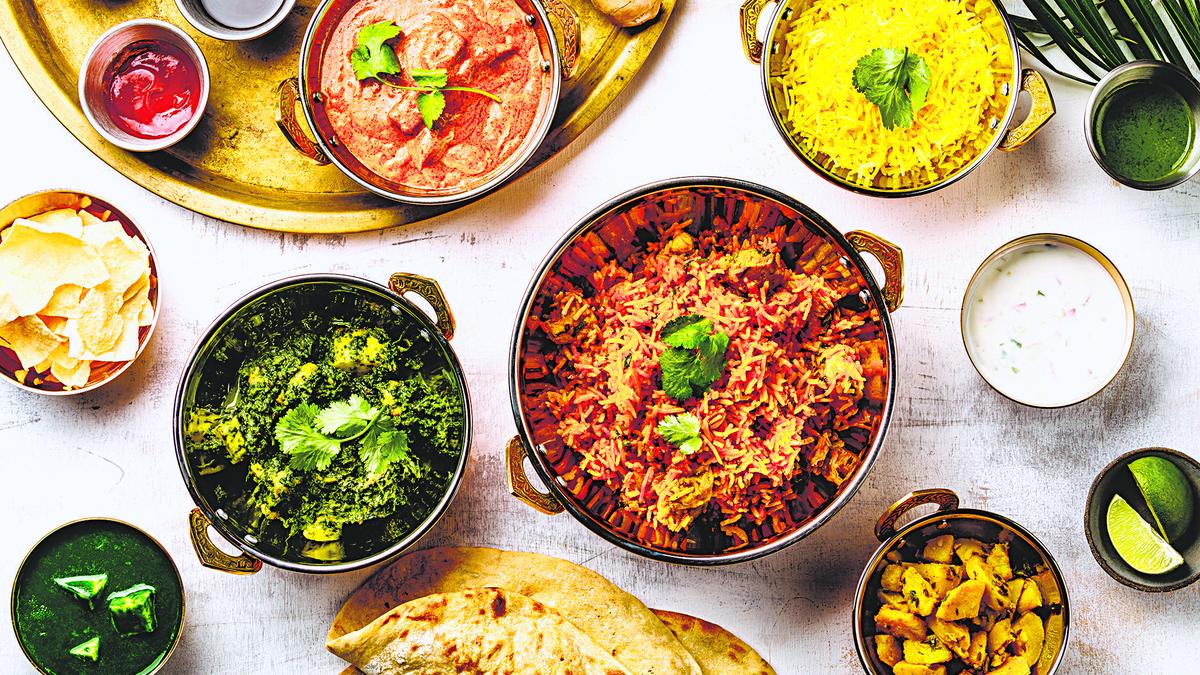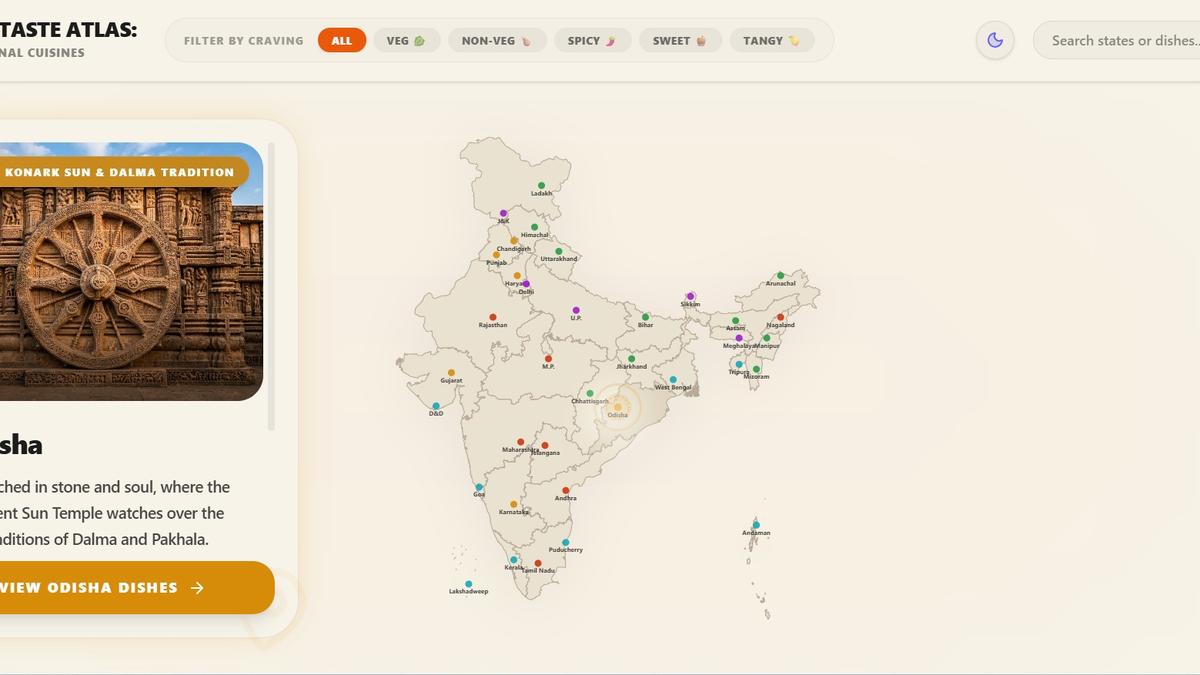
For years, the country’s culinary landscape has been reduced to shorthand: idli-dosa for Tamil Nadu, beef and porotta for Kerala, a tall glass of lassi for Punjab, puran poli for Maharashtra, momos for the Northeast, or macher jhol for West Bengal. Stereotypes, however familiar, rarely tell the full story. Researchers at the Centre for Visual Information Technology (CVIT) at IIIT Hyderabad are attempting to change that, with the help of AI.Their interactive map—Bharat Taste Atlas: India’s regional cuisines, lists traditional foods from each state using AI-generated suggestions prompted by queries such as: “List traditional dishes from [state] with regional significance”, “Provide lesser-known authentic dishes from [state] cuisine”, and “Differentiate between commonly known and region-specific dishes in [state].” The portal is slated for launch in July this year.The result is a food map that goes beyond the obvious. Searches for Odisha, for instance, throw up dishes such as chakuli pitha, arisa pitha, chhena poda and pakhala alongside more familiar fare.The map does more than list dishes. Users can learn about a dish’s origins and ingredients, discover restaurants that serve it, and even access recipes if they wish to recreate it at home.Explaining the methodology behind the project, Professor C.V. Jawahar says the team adopted a structured research process that combined AI-assisted collection and organisation of culinary information from multiple sources with human validation. The data was manually cross-checked against historical references, culinary literature and local accounts before being refined through deduplication and standardisation of names and terminology. The idea of the map was fuelled by the team’s success with the Biryani map of India that was developed in 2024.The map is not intended to showcase what a state produces agriculturally. Instead, it focuses on what people eat — everyday staples, festive dishes and seasonal delicacies. According to Aradhana Vinod, one of the project member’s, the map has been under active development for nearly a year by a team of six, including students—Prof. C.V. Jawahar, Murthy Vemuri, B. Deepak Kumar Reddy, Farzana S, Karapureddy Padmaja, Pranav Varudkar and Aradhana Vinod and a few developers.CVIT’s work typically focuses on image processing, computer vision, computer graphics and machine learning. For this project, the team drew on a range of AI tools, including ChatGPT, Claude and Perplexity, along with search engines and natural language processing techniques to extract and structure information.The map is aimed at food enthusiasts keen to explore India’s regional cuisines, as well as researchers, scholars and students studying food, culture and agriculture. Professor Jawahar adds that it could also prove useful for government departments, tourism boards and cultural preservation organisations looking to document and promote regional food heritage.Without further delay, the CVIT team took me on a culinary journey across India. Seated at IIIT Hyderabad, I look through traditional food options from Odisha, Gujarat, Assam, Nagaland and, of course, Telangana — all virtually. The map’s user-friendly interface makes exploration easy. Select a state and a list of traditional foods appears, covering everything from main courses and snacks to beverages. Published - June 05, 2026 11:54 am IST
AI-powered food map of India by a team at IIIT in Hyderabad
Discover India's diverse culinary heritage with an AI-powered interactive map showcasing lesser-known regional dishes from every state.
505 words~2 min read