The South Indian city’s food culture blends Telugu, Persian, Turkish, Mughlai, Arabic and Central Asian influences
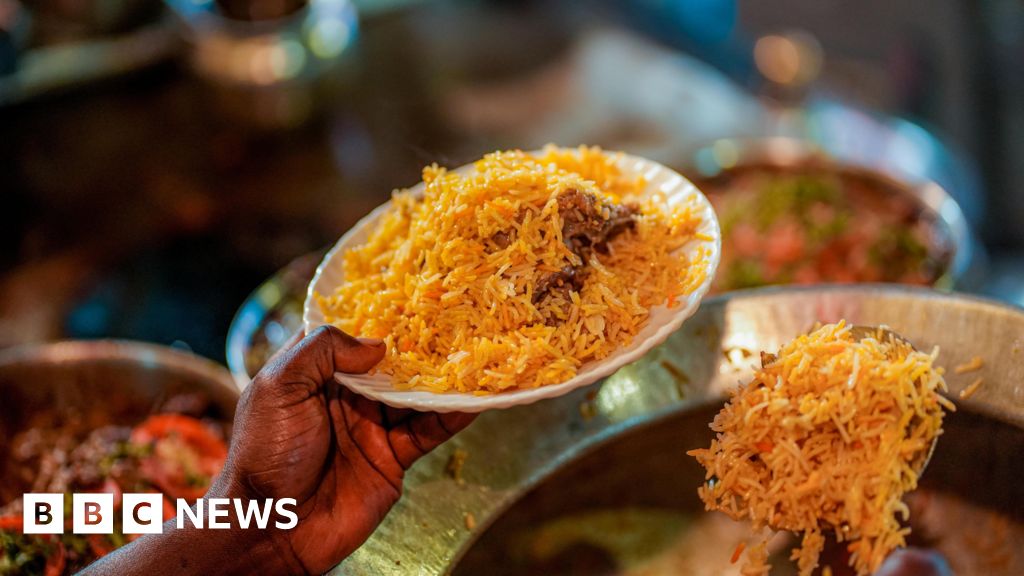
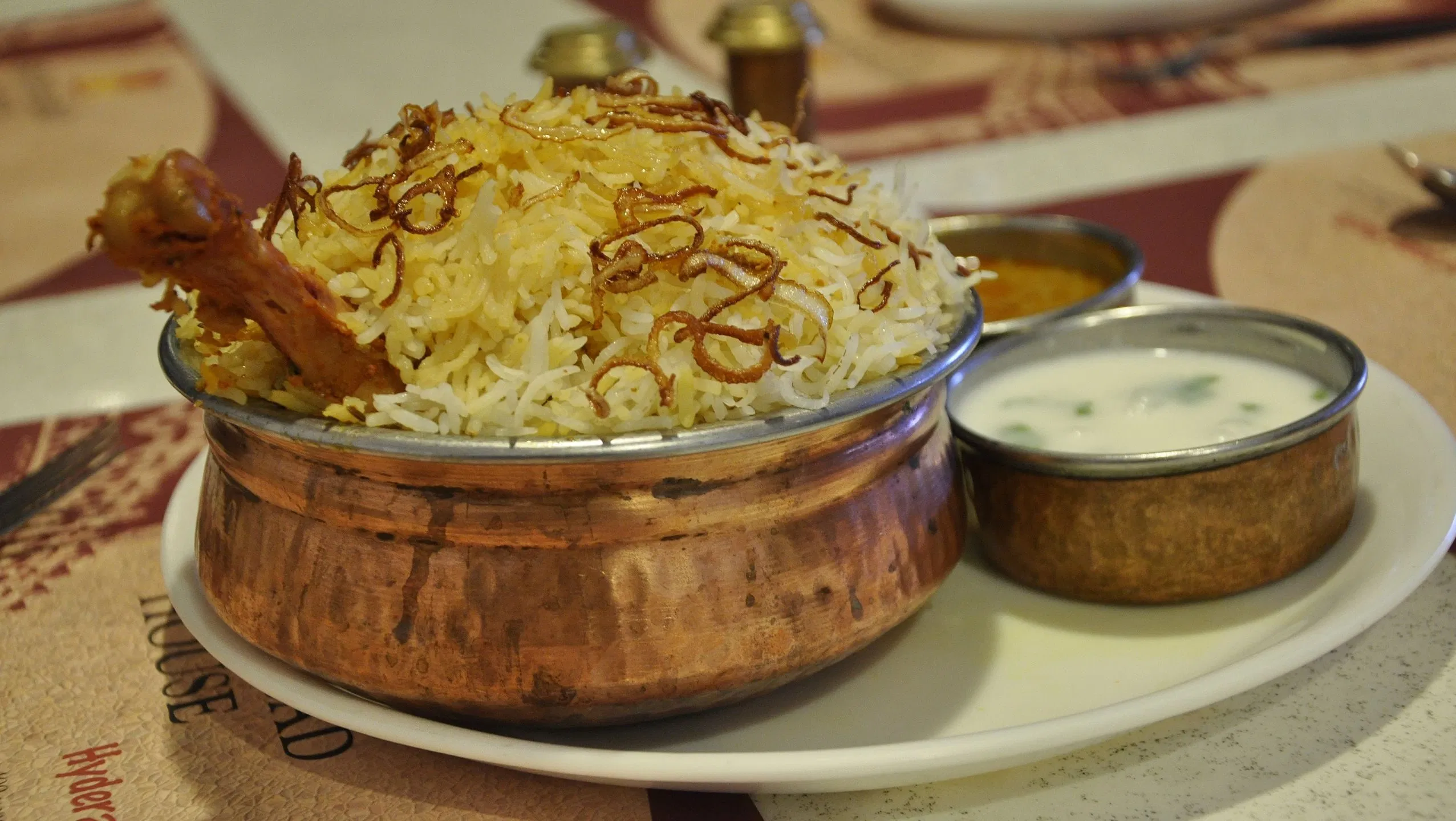
Today, Hyderabadi cuisine combines rice and meat, with a liberal use of vegetables, spices and souring agents like tamarind to make it distinctive. Thanks to its position in south-central India, the local fare offers a fine balance between the flavours of India’s northern plains and its coastal regions. This complex blend of Indian, Persian, Arabic, Mughlai and Turkish influences defines Hyderabadi contemporary cuisine.
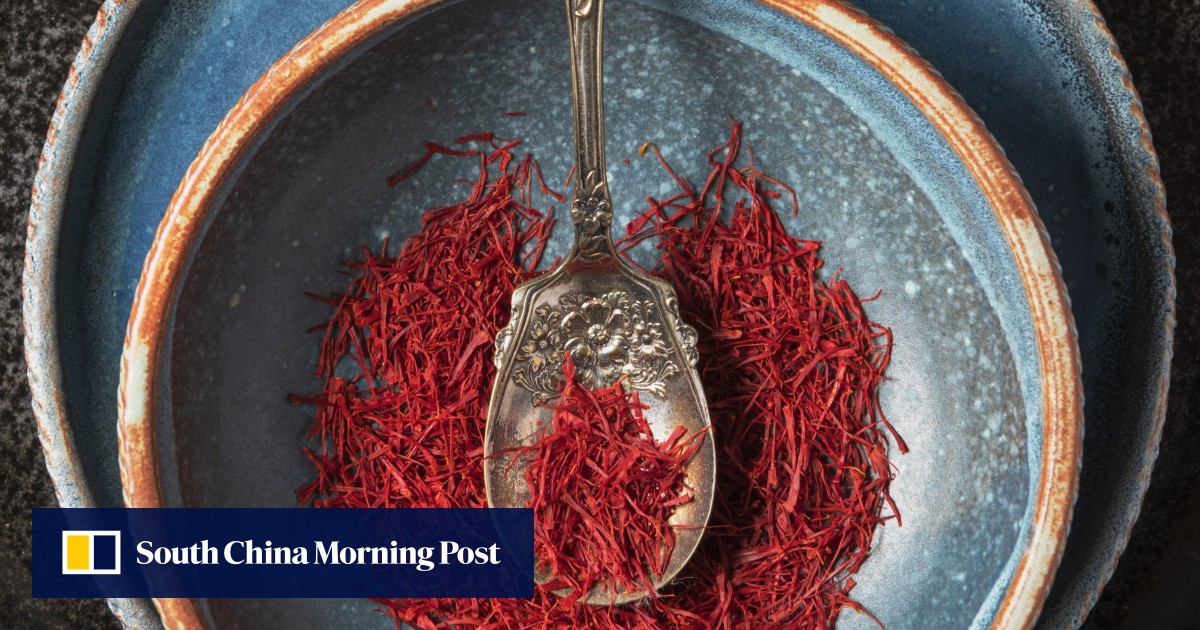
“The influence of food from the North is evident in the rich and aromatic dishes, while the abundant spices from southern India and Telugu cuisine add a distinct touch,” notes Sampath Srinivas Thummula, the chef behind popular Hyderabad restaurant The Spicy Venue, which serves typical regional fare. “Ingredients like saffron, mace, black cardamom, cloves and cinnamon are predominantly used, but what sets Hyderabadi cuisine apart is the combination of these spices with tamarind, dry coconut, chillies from Guntur and curry leaves.”
“Usually, the potli masala has many spices,” Rao explains, “from spices like dried vetiver and paan ki jadd (betel root) to kalpasi or black stone flower (a dried lichen), fennel seeds, dried rose petals, kasoori methi (fenugreek leaves), kabab chini (dried berries of Piper cubeba), star anise, cinnamon, royal cumin and others. This pouch of spices is left in dishes like nihari, a slow-cooked meat stew.”