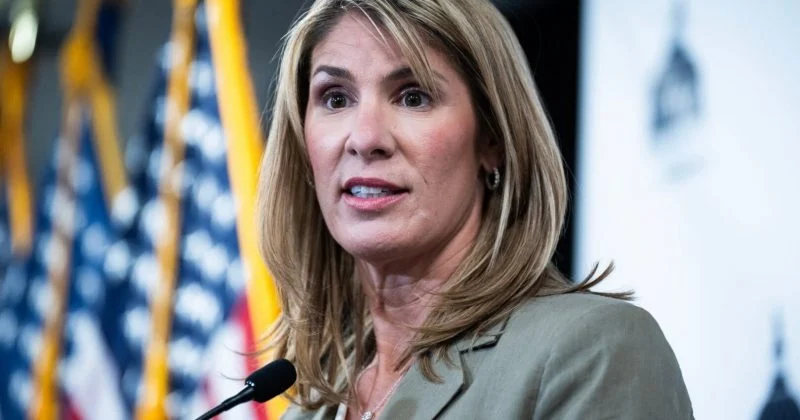
Reps. Jay Obernolte (R-CA) and Lori Trahan (D-MA) unveiled a 269-page draft regulatory framework for artificial intelligence on June 4, and the reaction from nearly every corner of the political spectrum has been some version of “no thanks.”
The bill proposes federal oversight for advanced AI technologies and includes a three-year moratorium on state-level AI regulations. That preemption clause alone has turned what was supposed to be a unifying effort into a political lightning rod.
What the bill actually does
The draft framework traces its origins to the Bipartisan House Task Force on AI, which released its report on December 17, 2024. That task force was designed to lay groundwork for exactly this kind of legislation, a federal approach to AI governance that could keep the US competitive while establishing guardrails.
The bill’s core ambition is straightforward: create a unified federal standard for AI regulation rather than letting 50 states write 50 different rulebooks.