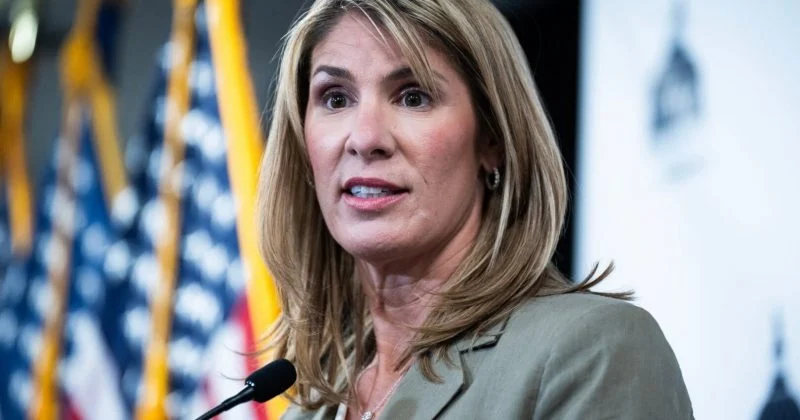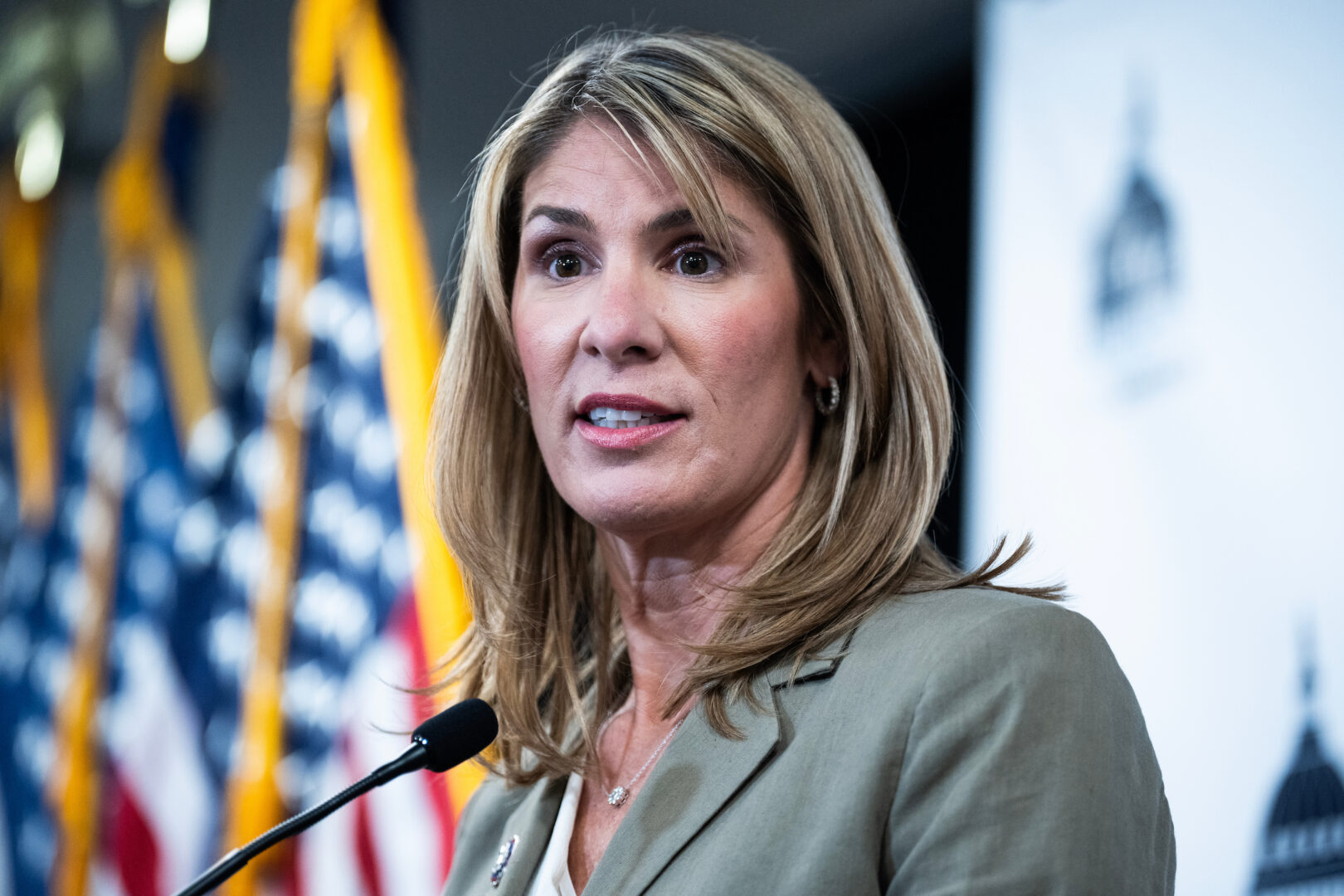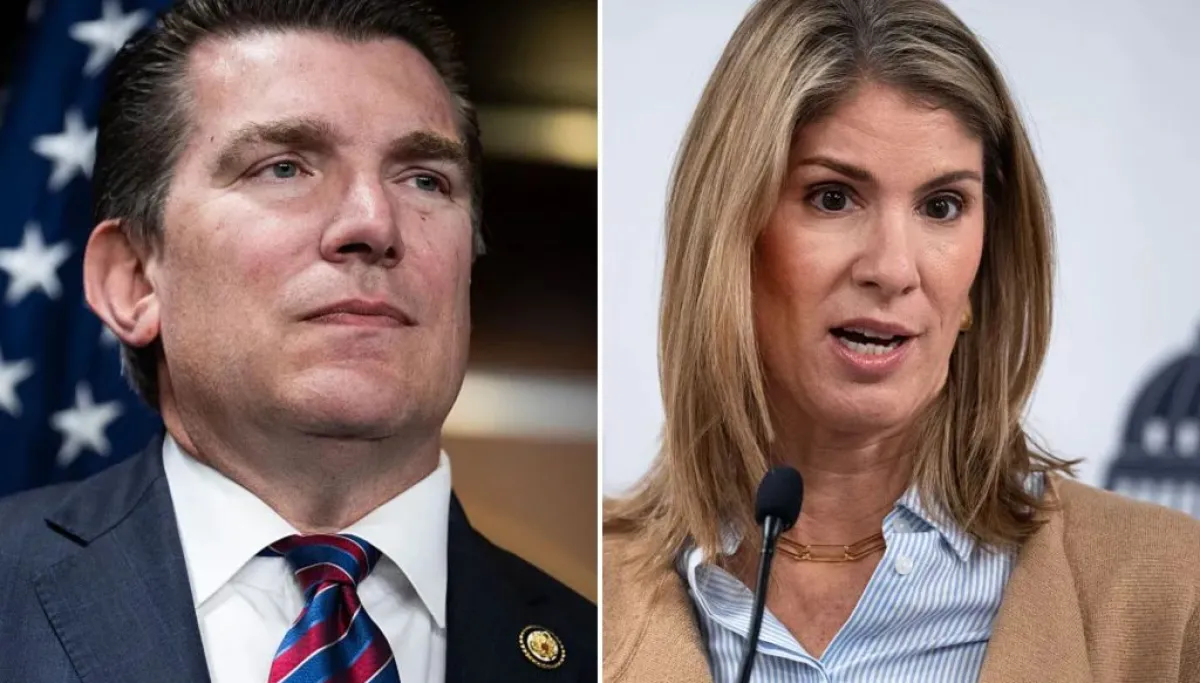
The draft artificial intelligence regulatory bill introduced by Reps. Jay Obernolte (R-CA) and Lori Trahan (D-MA) represents the best chance yet for significant federal action to address the fast-improving technology that threatens to disrupt society but has drawn opposition from groups that represent the industry, civil society, and labor.The bipartisan discussion draft, called the Great American AI Act, would set a rulebook for AI companies, including standards for cybersecurity, the workforce, education, research, and international cooperation. It also addresses catastrophic risks and proposes mitigation measures.Here’s what is in the bill, and some notable reactions.
A preemption of state laws
The legislation would impose a three-year ban on states implementing regulations on the development of AI models. Perhaps most notably, it would preempt a new California law requiring AI companies to disclose summaries of their training data, according to Trahan’s office.
Such federal preemption of state AI measures has been the subject of controversy over the past year. Many in the industry have favored a preemption measure to avoid complying with a complicated patchwork of regulations. Trump officials, too, have sought a preemption measure to facilitate innovation. But some grassroots activists, both left and right, have sought far-reaching state-level rules.