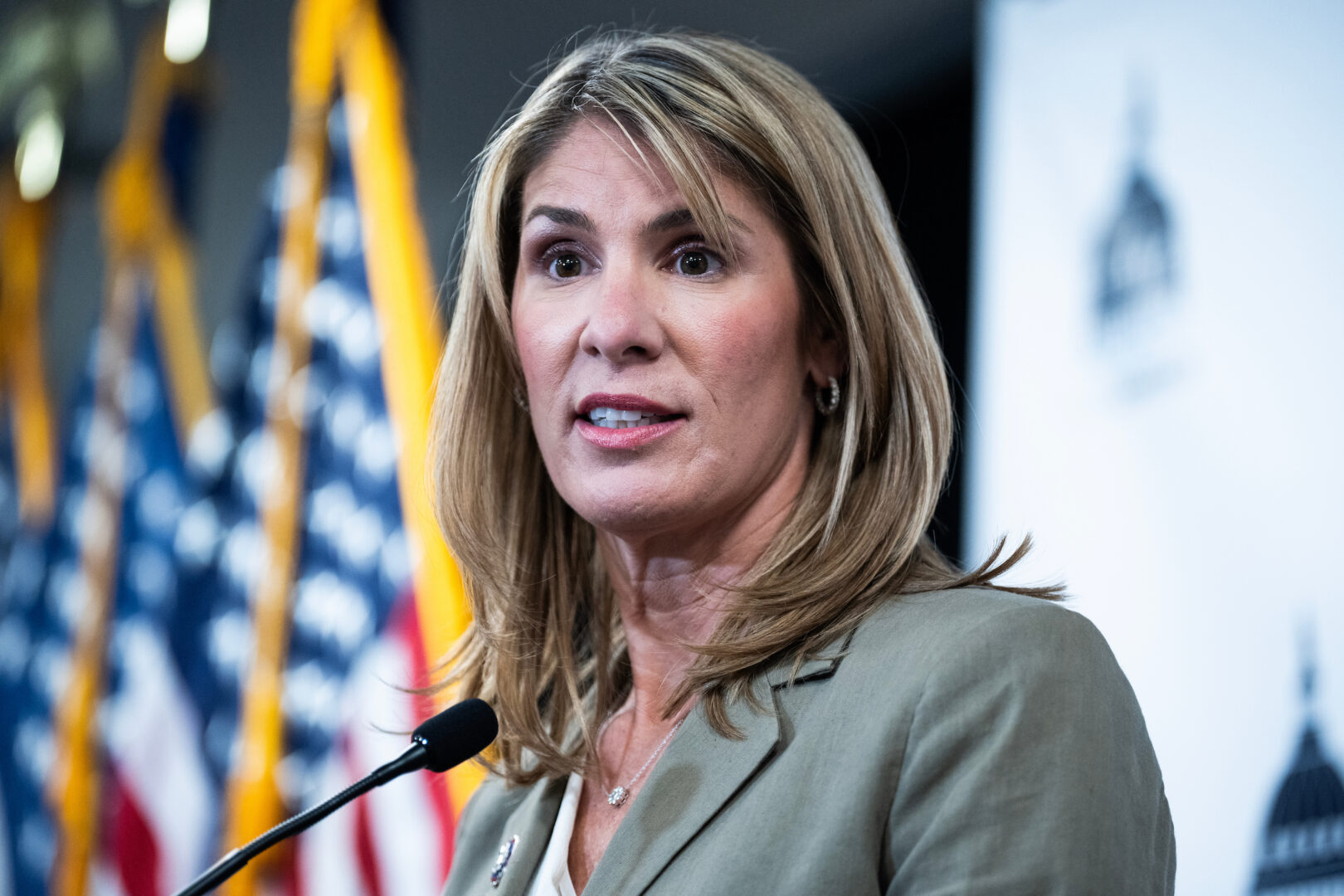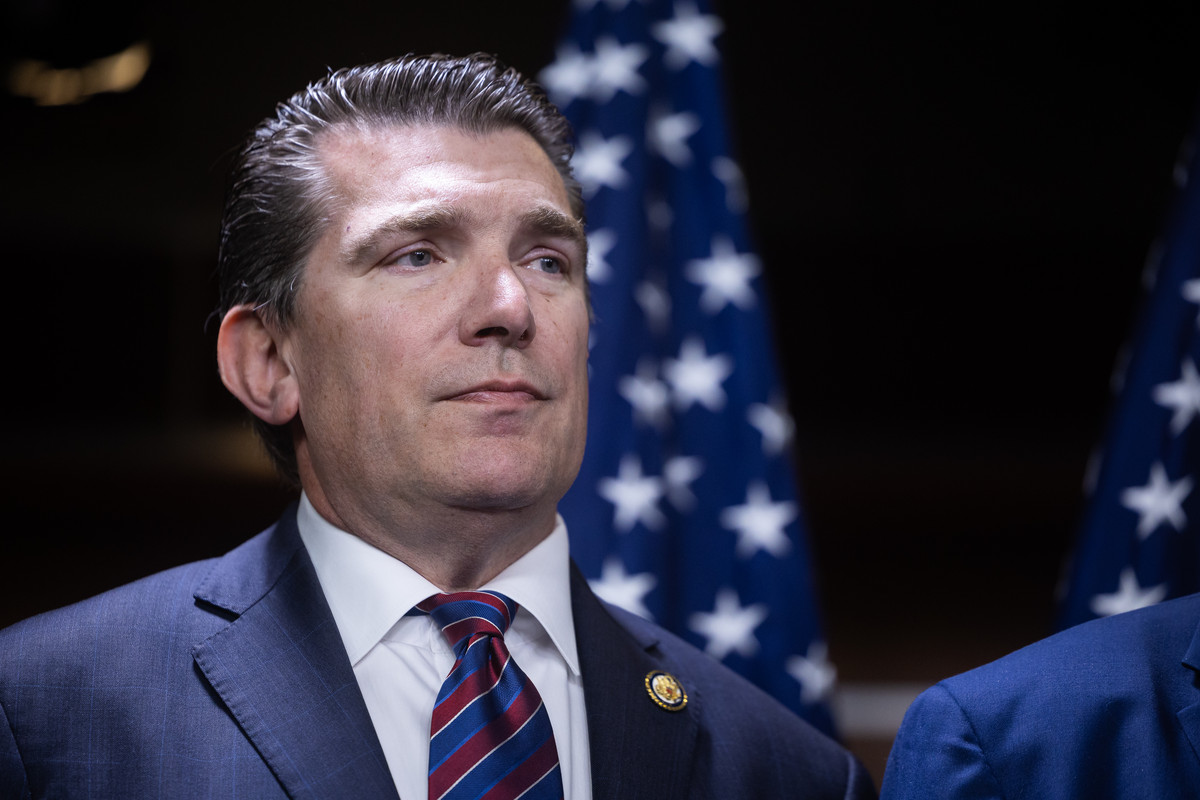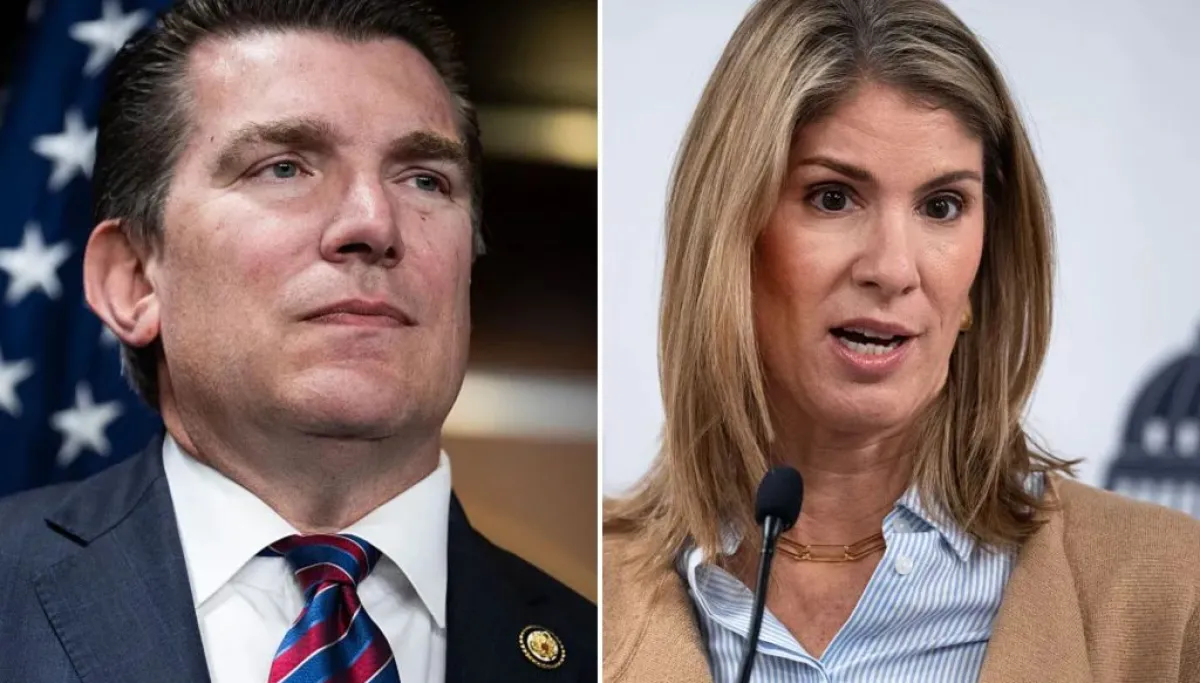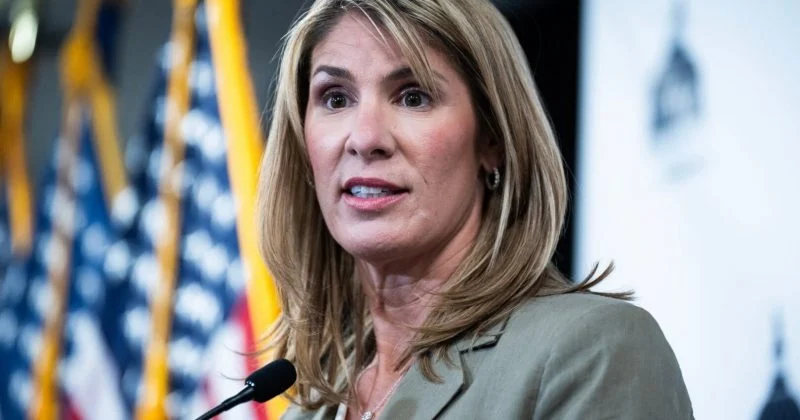
Two US lawmakers dropped a 269-page blueprint for federal AI regulation on June 4, and within hours, leadership was already signaling that nobody should expect swift action. The Great American AI Act, co-authored by Reps. Jay Obernolte (R-CA) and Lori Trahan (D-MA), represents the most detailed bipartisan attempt yet to create a comprehensive governance framework for advanced artificial intelligence.
The proposal is being treated as a discussion draft, not a bill headed for a vote. Public and stakeholder feedback is being solicited via email at [email protected] before any formal introduction.
What’s actually in the 269 pages
The core of the proposal targets what policymakers call “frontier” AI models, the most powerful systems being developed by companies like OpenAI, Anthropic, Google, and Meta. Developers of large frontier AI models would be required to create risk management plans specifically addressing catastrophic scenarios, including cyber threats. Semi-annual third-party audits would become mandatory. Incident reporting requirements would be imposed. And pre-deployment transparency measures would need to be in place before these models reach the public.
Perhaps the most politically charged provision is a proposed three-year preemption of state laws governing AI model development. States would retain authority to regulate how AI is used, but the rules around how models are actually built would temporarily become a federal-only domain.