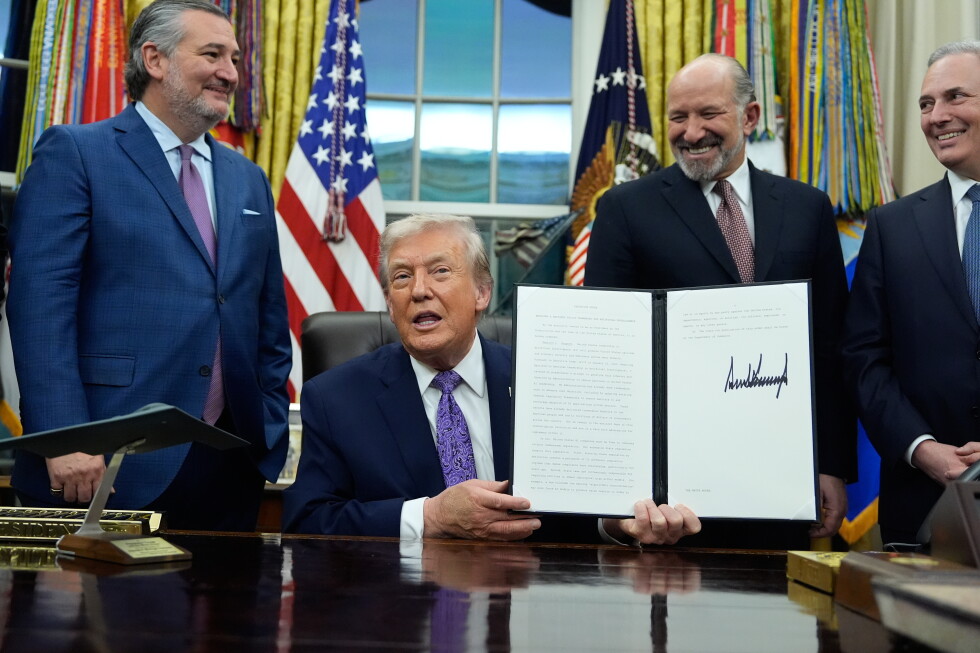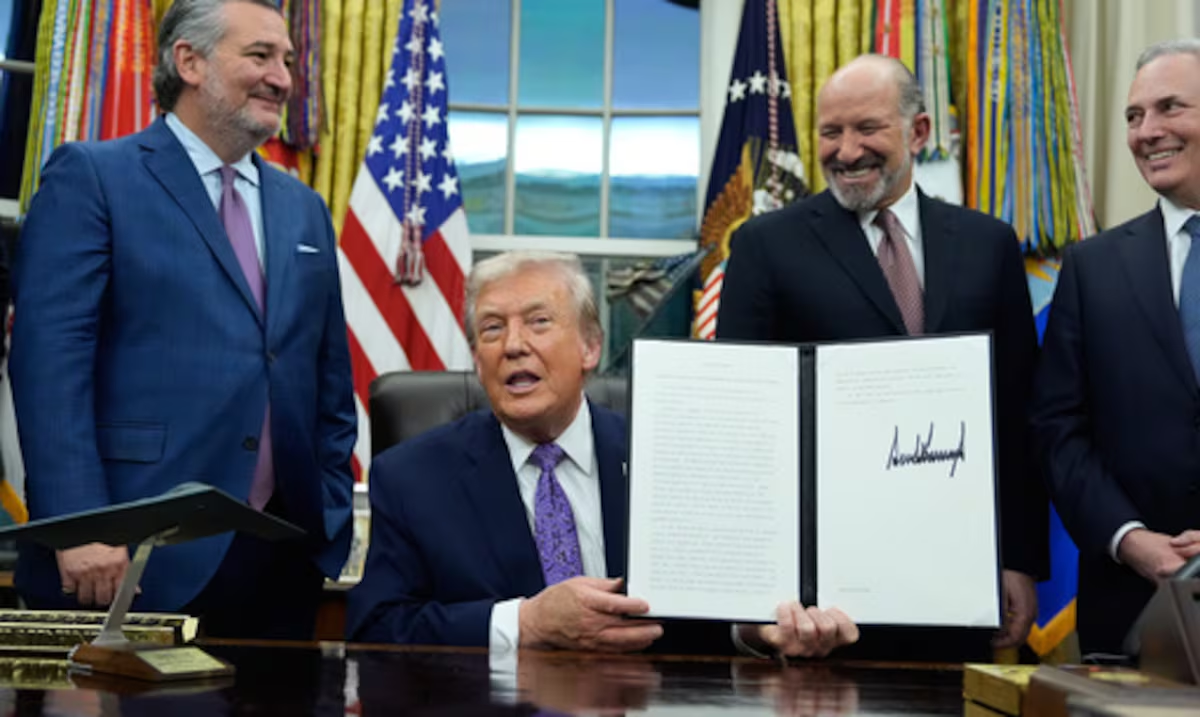
Six months after President Donald Trump warned states not to regulate artificial intelligence, they are increasingly doing just that.
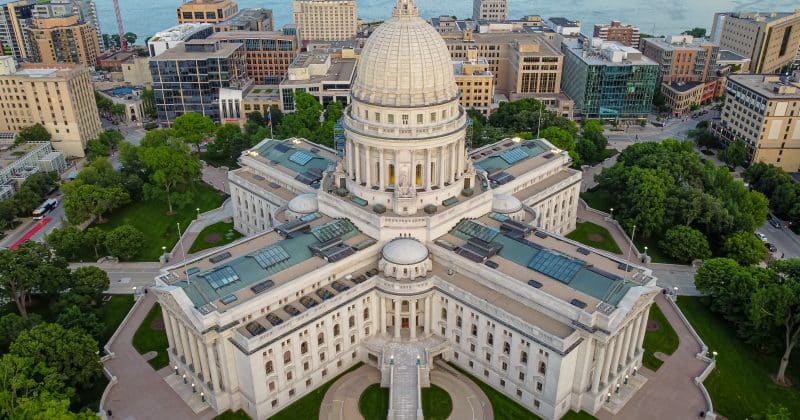
Congress has stalled on producing federal regulation of artificial intelligence as states forge ahead and scrutinize how chatbots interact with children, how AI systems are used by employers and what developers must do to try to prevent an AI-caused catastrophe.
State lawmakers have stepped back from earlier, wider-ranging attempts to regulate AI that were vetoed or otherwise derailed by governors who viewed the measures as too onerous toward the industry’s development, including efforts to hold developers accountable for bias in AI systems.
But they are returning with legislation that is more targeted and, often, probes the corners of life where Americans interact with AI but may not know it.
Presidential power versus state power