Two House lawmakers dropped a bipartisan discussion draft on Thursday that would create the first comprehensive national framework for artificial intelligence, temporarily blocking states from writing their own rules around AI model development. The three-year federal preemption window is designed to give the industry breathing room, but it also carries significant implications for the growing intersection of AI and crypto.
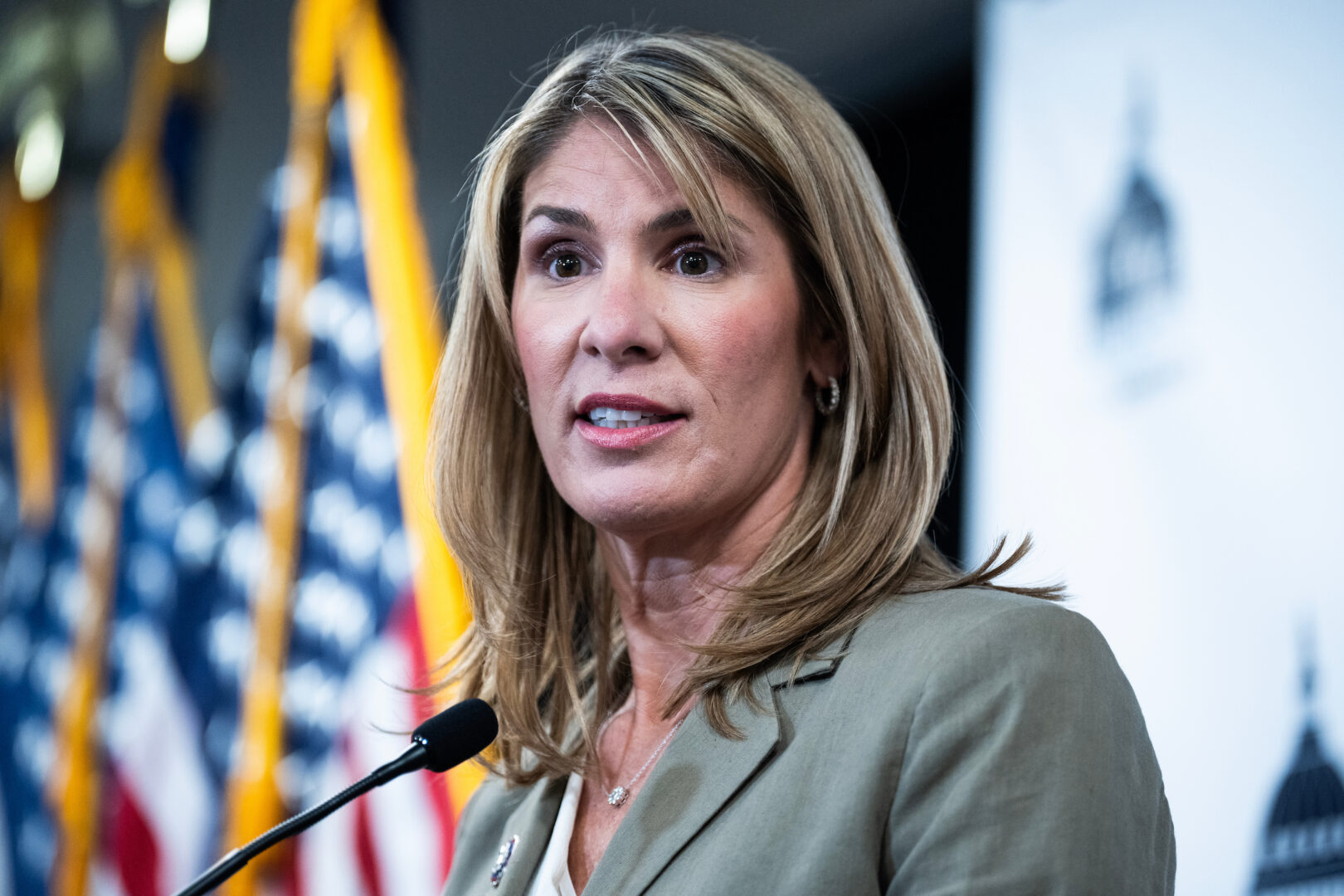
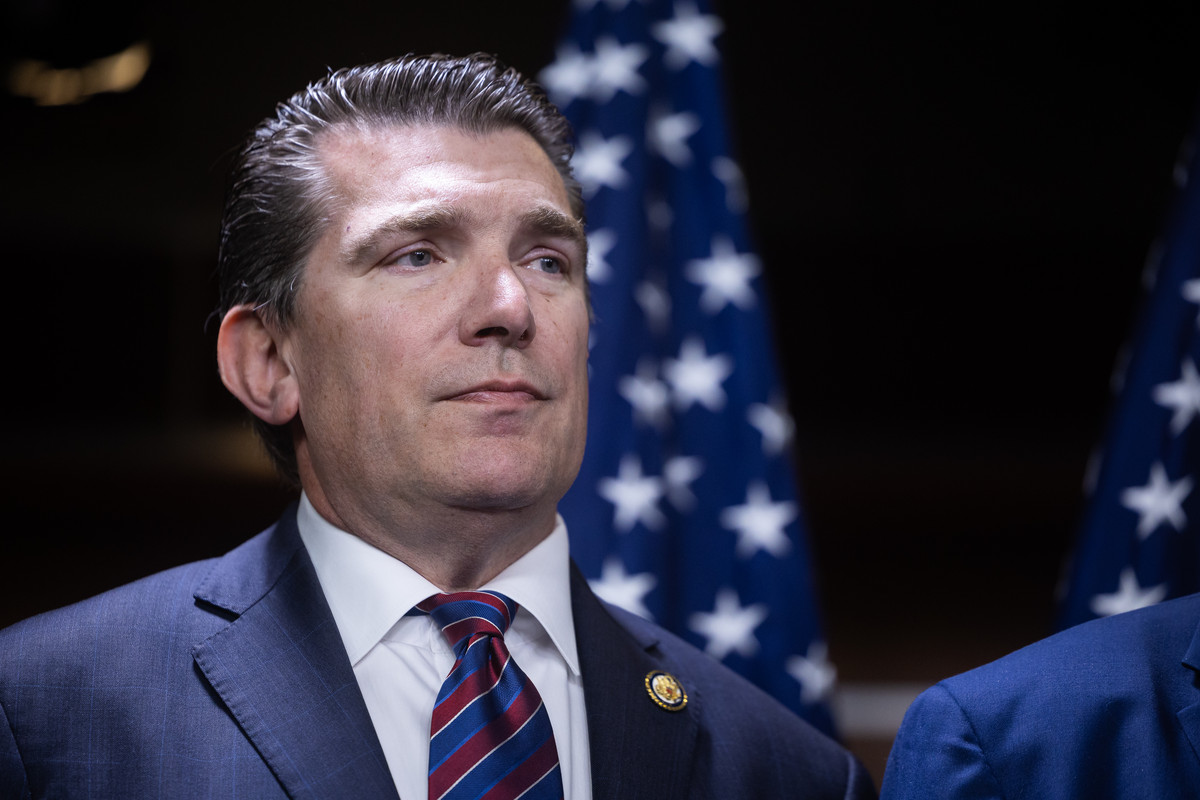
Rep. Lori Trahan, a Massachusetts Democrat, and Rep. Jay Obernolte, a California Republican, authored the draft. Their proposal would require leading AI developers to disclose the safety and security risks of their models under new federal mandates, while simultaneously preventing a patchwork of state-level regulations from fragmenting the industry.
What the draft actually does
The draft also includes provisions to expand AI research, signaling that lawmakers want to balance risk mitigation with innovation incentives. Top-tier AI developers, those building the most capable models, would face mandatory disclosure requirements around safety and security vulnerabilities.
This legislative push didn’t emerge from a vacuum. The White House released its own National Policy Framework on March 20, 2026, explicitly advocating for federal preemption of conflicting state laws. The Trahan-Obernolte draft is effectively the congressional companion piece to that executive vision, giving the administration’s goals legislative teeth.