Yezdi Scrambler
| Photo Credit:
Yash Gawde
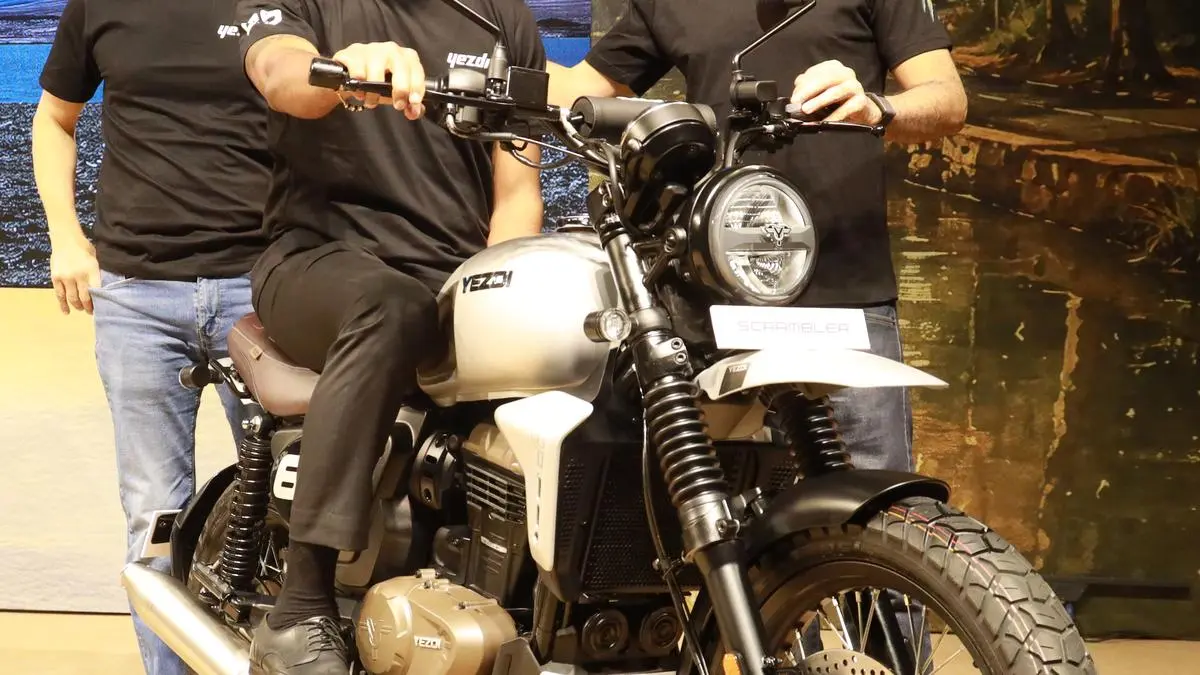
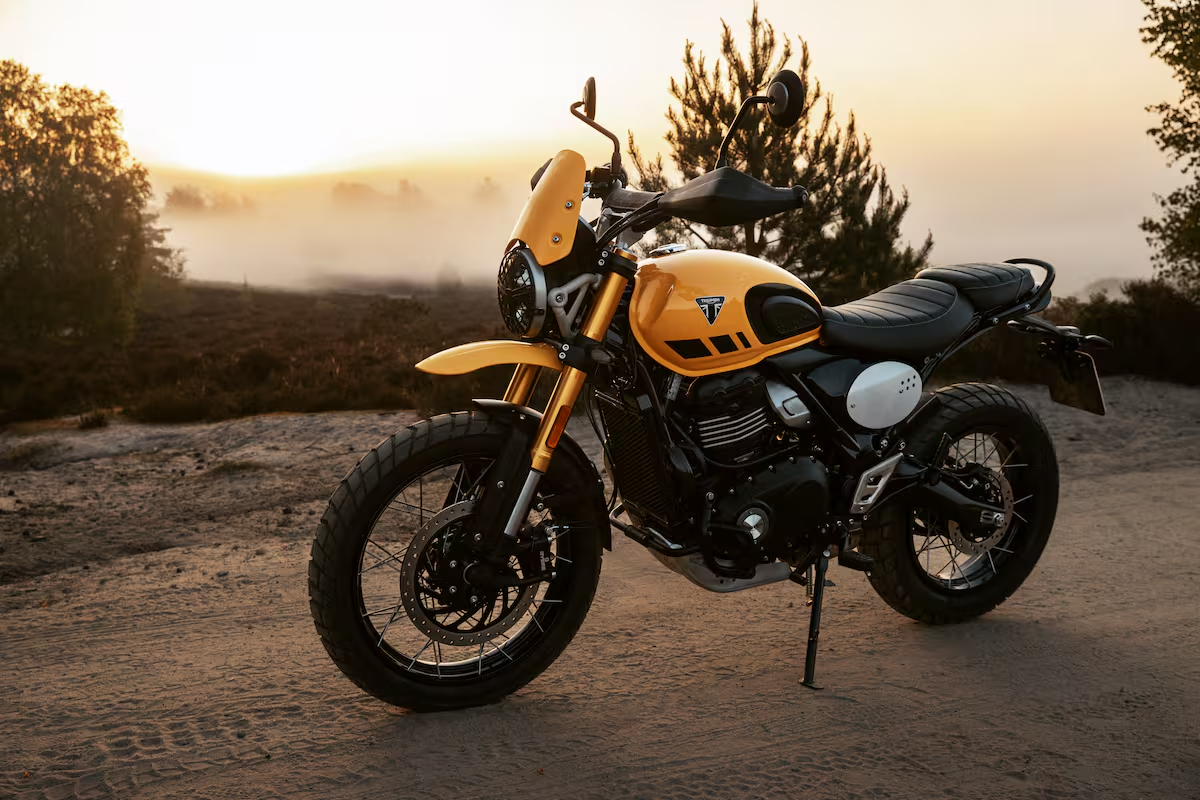
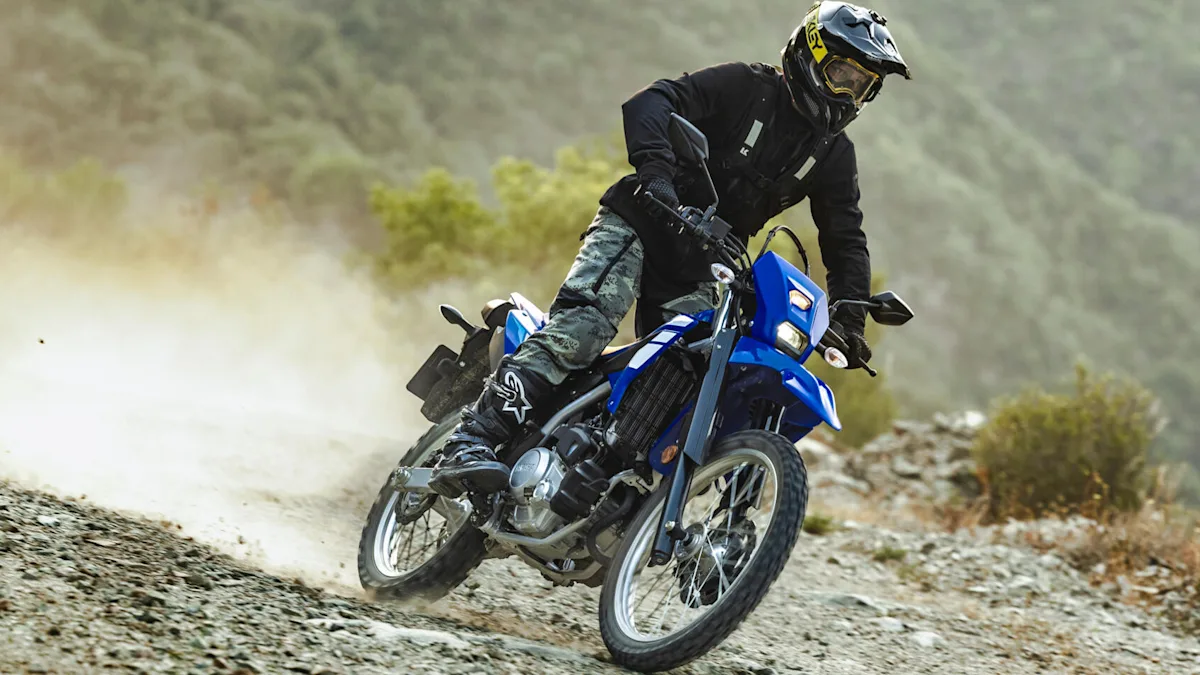
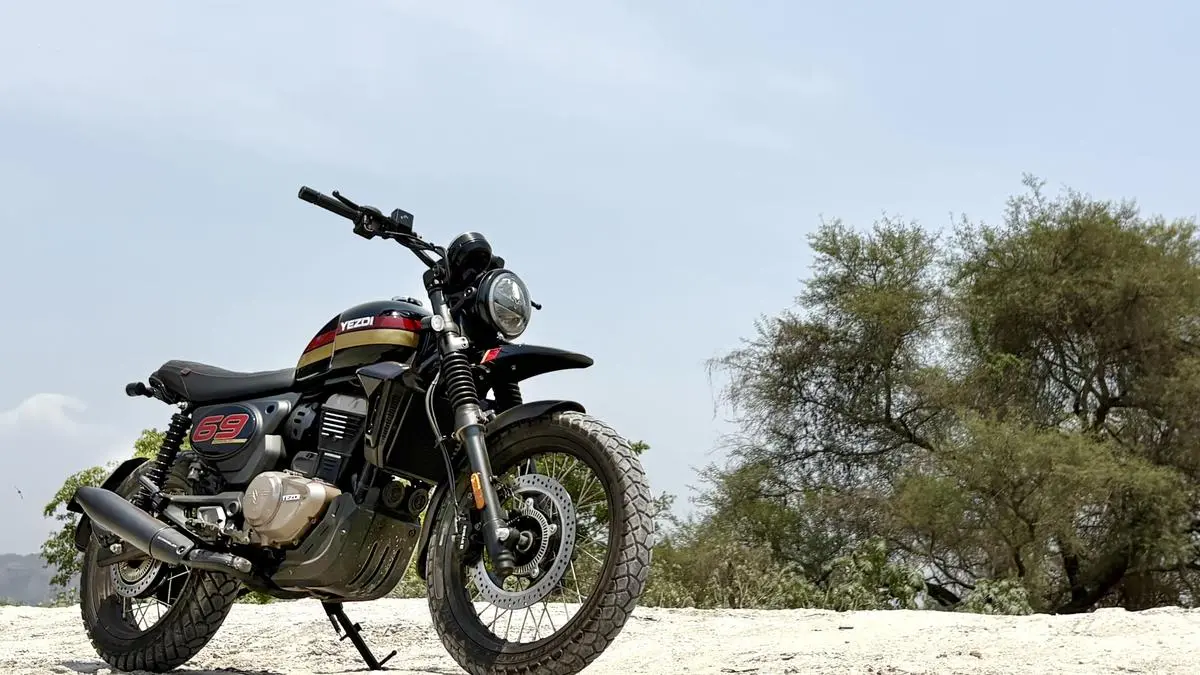
My previous stint with a Yezdi Scrambler had left me hugely unimpressed; it had felt bulky and crude, and definitely not capable enough to justify its nametag. When the updated Scrambler was announced, I kept my expectations firmly in check.What I didn’t expect was for it to surprise me. Before we go there, let’s take a moment to walk around it. The Scrambler looks decidedly neo-retro and largely well-finished, and the design certainly lends itself well to brighter colours — our test bike came in possibly the least flattering shade. Its tall-ish stance and wide handlebar with a cross bar suit its ‘scrambler’ aspirations well and the 200 mm of ground clearance amplifies its go-anywhere look. The 19/17-inch front/rear wire spoke wheels with on/off-road pattern MRF Mogrip Meteor FM2 tyres complete the picture.The Scrambler’s lack of appeal so far was never owing to its design anyway. It was the riding experience. Fortunately, Classic Legends’ focus in this exercise has been on the engine. Rebranded ‘Katar’ (meaning a knife of some sort), the 334cc single-cylinder liquid-cooled engine now produces 29.5 bhp and 3 kg-m, marginally higher than before. The older bike’s twin exhausts have been replaced with a single unit, which has resulted in a significant weight saving; Yezdi claims a wet weight (without fuel) of 174 kg.Ride qualityThis lightness reflects in the instant you start riding. No motorcycle from the brand has felt as sprightly so far and it isn’t just impressive in relative terms, it’s genuinely fun to ride! Analogue in its sensations yet fairly refined (it isn’t butter-smooth by intent, I think), the Scrambler’s engine is a thoroughly enjoyable and lively one. Acceleration is energetic from standstill and the mid-range adds tractability to the proceedings. The top end is pretty strong, too, with the speeds in excess of 130 kph coming easily to the Scrambler.The 6-speed gearbox is niggle-free but is no benchmark and the clutch feel is certainly well-judged. On another note, I can’t say the Scrambler’s is an evocative exhaust note, but it is loud and somewhat racy, if that matters to you. Overall, the riding experience is contemporary and fun, and this can be said of its performance in the city and out on the highway, too!Another of the Scrambler’s strengths is its agility. It has evolved into a flickable, engaging motorcycle, its goals further assisted by better ergonomics — the older Scrambler was messy on that front. Especially since you sit virtually upright, with a tall, wide handlebar falling into your hands (quite ‘Yezdi of yore’), there’s a lot of leverage on offer and this really helps have fun with it. Braking is quite strong, too, and in the departments of on/off-road grip, the Scrambler sails through, at least in dry conditions.It’s when you intently take it off the road, ironically its domain if the nameplate is anything to go by, that the Scrambler lets you down a bit. On flat, loose surfaces, it’s fun to ride (almost everything is!), but it’s not necessarily a motorcycle that’s designed for tough terrain. Suspension travel isn’t generous (150 mm front/130 mm rear) and it doesn’t feel quite supple, which would have been really encouraging. In other words, it delivers the right optics but not necessarily the function that needed to follow.With its introductory price tag of ₹2 lakh (ex-showroom), the Scrambler is handsomely priced and it undercuts its peers (Scram 440, Scrambler 400 X) by a fair bit. An easy buy, then? Mostly, yes, but that’s if its nuances as a scrambler (or the lack thereof) are a lower priority for you than the visual appeal of one. Or if you plan to stick to tarmac and don’t mind leaving the pillion at home.@TheMotorGramPublished on June 6, 2026