Nationally, the municipal infrastructure funding backlog stands at about R122 billion (Salga, 2025), with a local government fiscal gap of R58bn. This is the context into which migration pressures arise.
(Delwyn Verasamy)
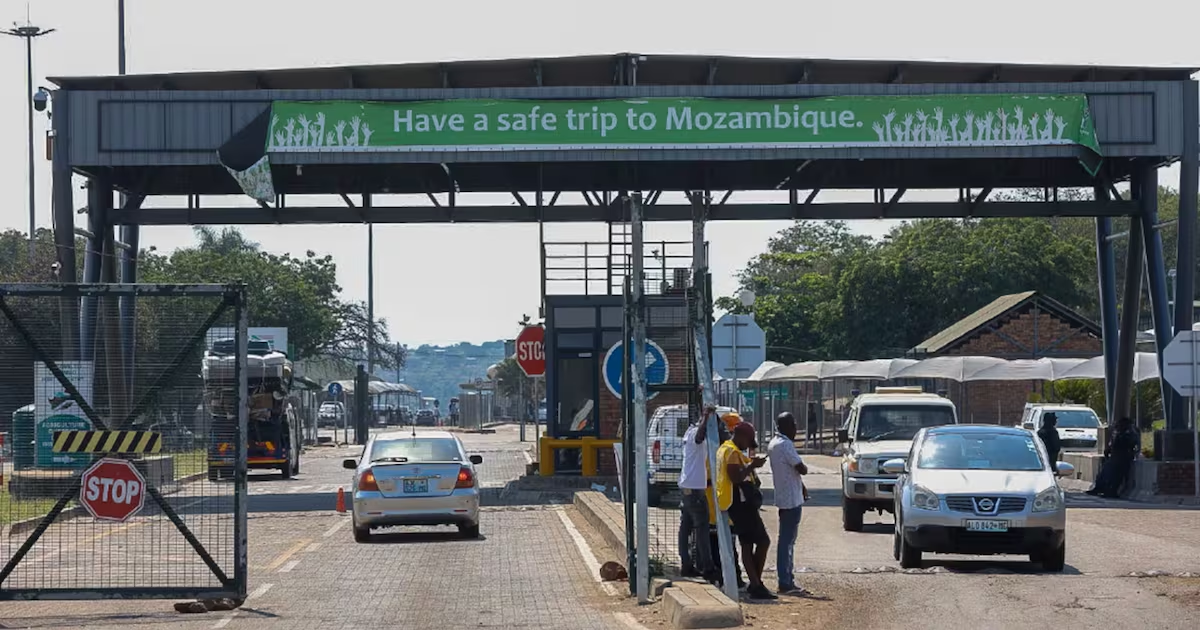
Migration might be debated nationally and discussed continentally but it is experienced municipally.
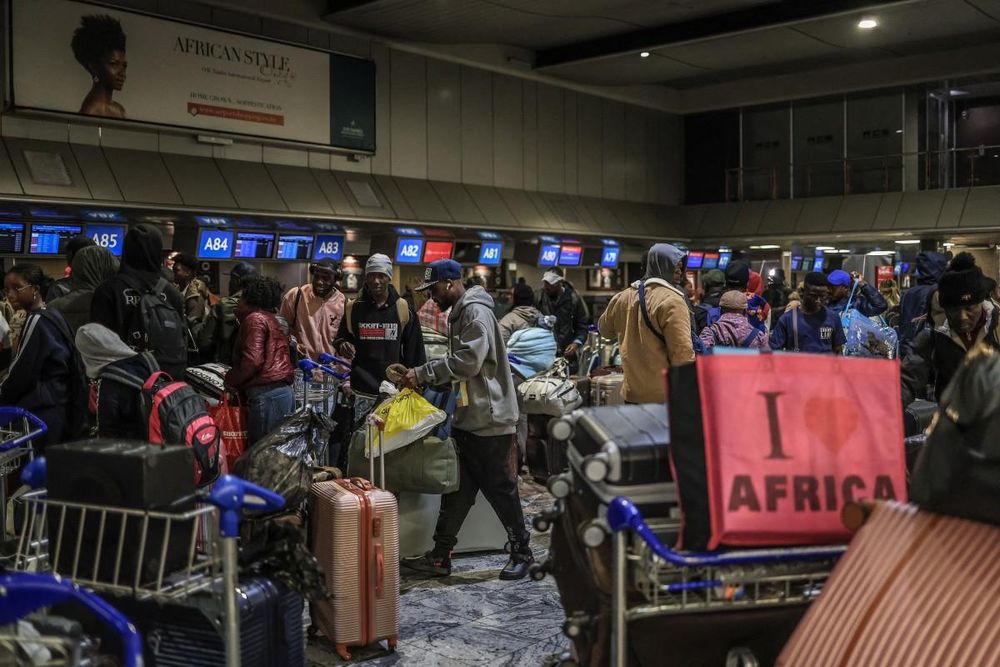
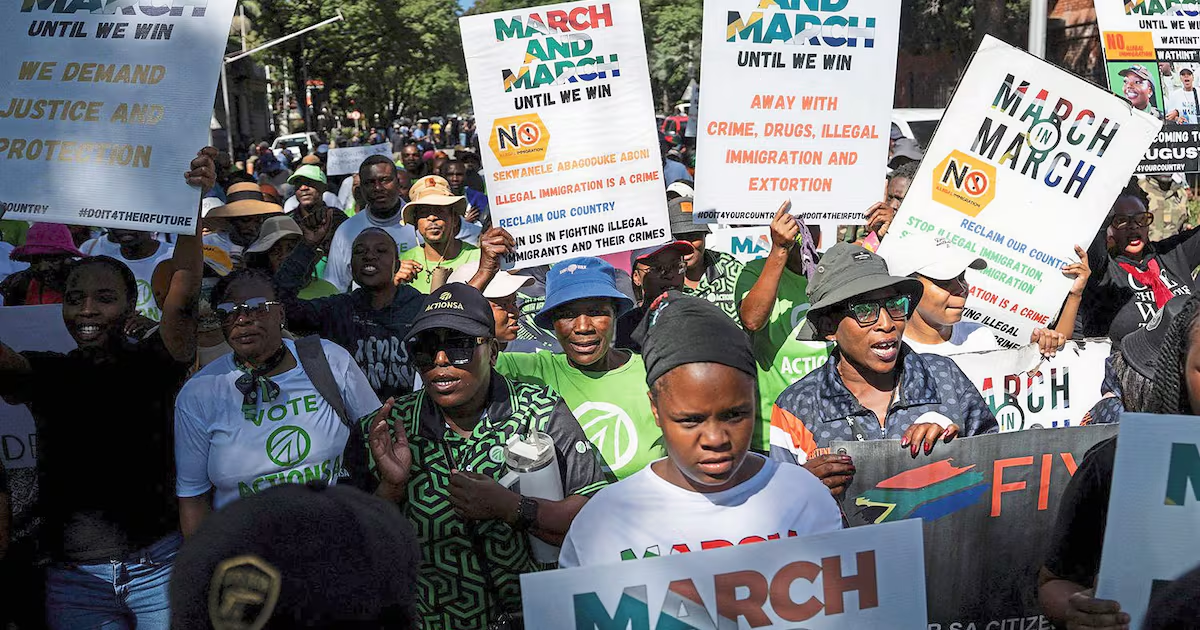
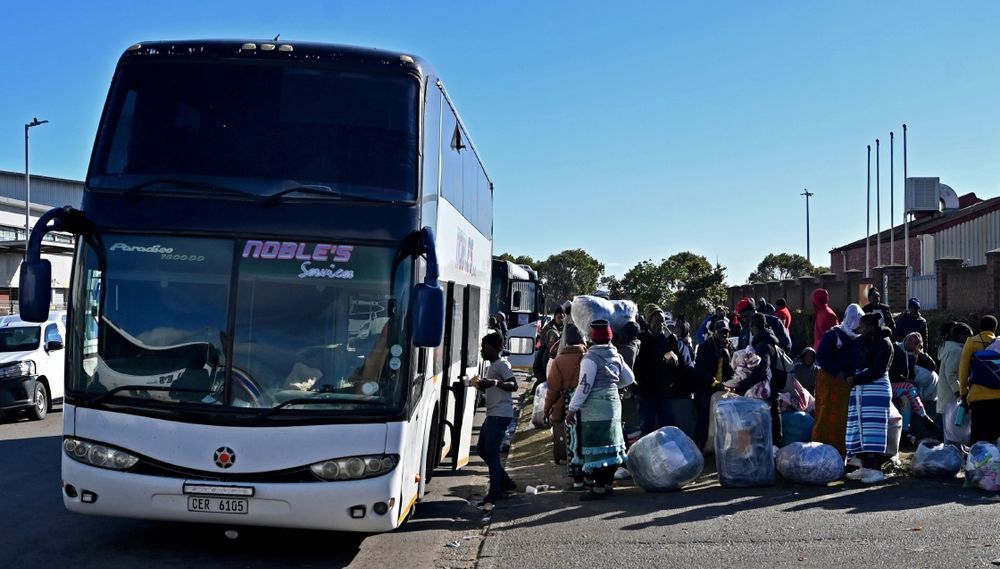
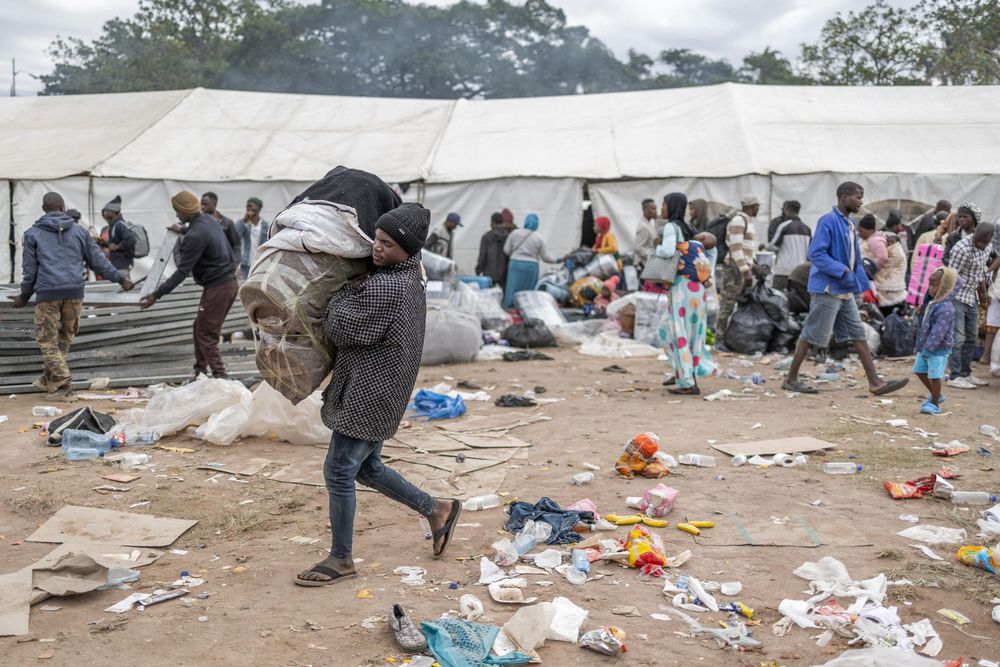
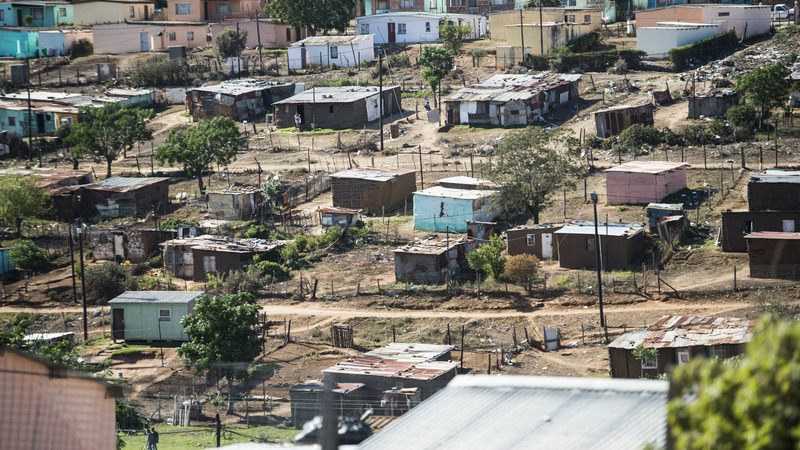
While public attention often focuses on borders, visas, asylum systems and national immigration policy, the practical consequences of migration are most visible at local government level. It is municipalities that absorb the pressures associated with rapid population growth, increased demand for services, housing shortages, infrastructure strain, informal economic expansion and social tension.
The reality is not unique to South Africa. Across the world, cities and municipalities increasingly find themselves at the frontline of migration dynamics. Yet in South Africa, where local government is grappling with fiscal constraints, infrastructure backlogs, unemployment and service delivery problems, migration has become an additional layer of complexity that many municipalities were never designed to manage.