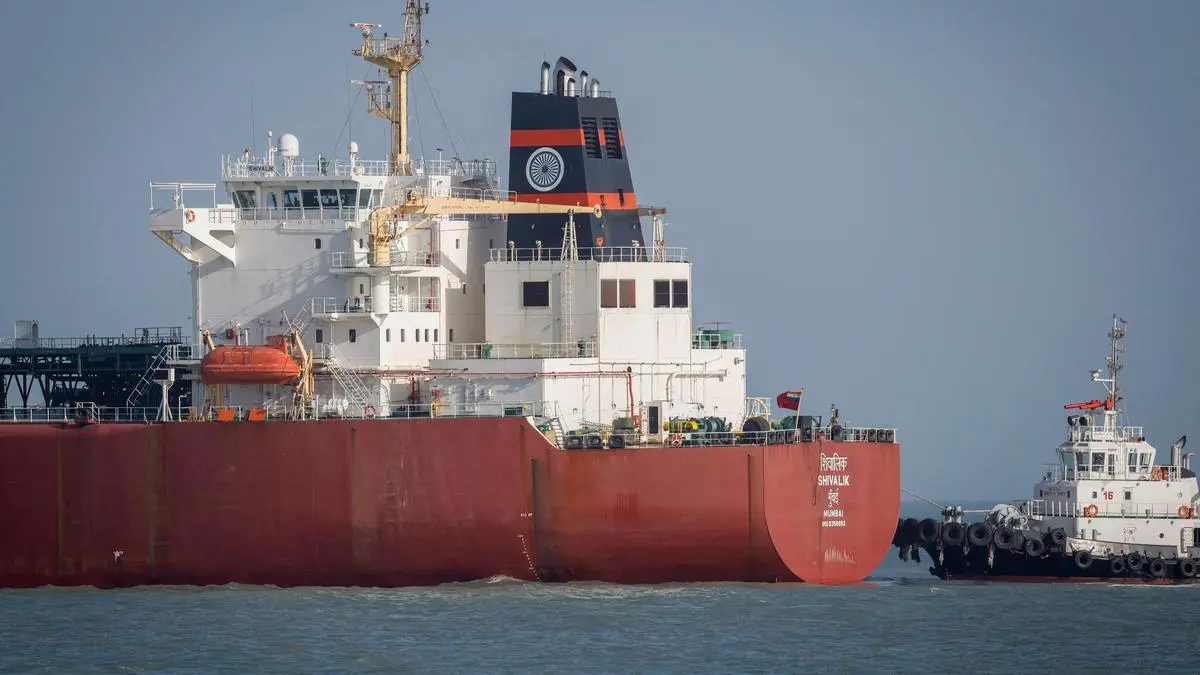
The closure of the Strait continues to be treated mainly as an energy shock. But the longer it lasts, the greater the risk that today’s disruption becomes tomorrow’s harvest failure in America and across the world.
The Hormuz crisis will not end when oil markets stop twitching. Some economic shocks travel slowly – a danger to which many governments seem oblivious.
The Persian Gulf is not merely a conduit for hydrocarbons. It is a critical artery for fertilizers and the inputs needed to produce them. Urea, ammonia, sulphur and phosphorus sit at the unglamorous heart of modern agriculture. They do not make headlines in the way oil does. But without them, yields fall, food prices rise and food insecurity spreads.
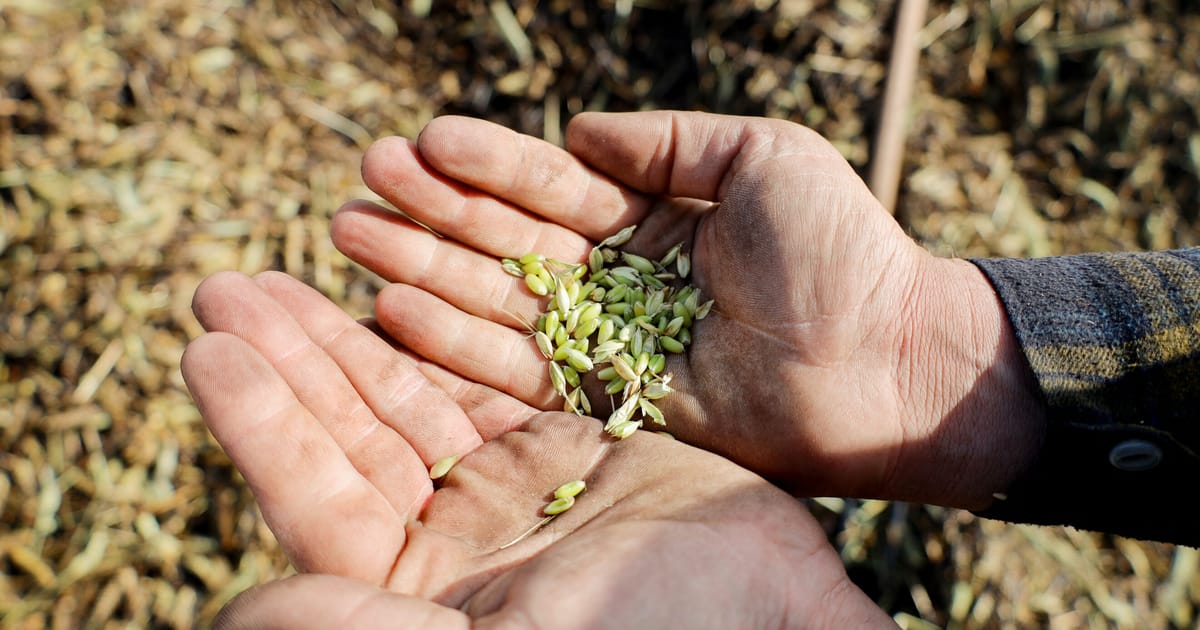
This is the risk policymakers are still underestimating. A delayed oil shipment can sometimes be replaced or rerouted. A missed fertilizer application cannot. Farming runs to biological deadlines: if farmers miss planting or application windows, the consequences are harvested months later – in lower wheat, rice and maize output.
The Food and Agriculture Organization has warned that a closure of Hormuz beyond 90 days could trigger a systemic agrifood shock and a severe food-price crisis within six to 12 months. The economic and social consequences of today’s blockage will not be fully visible today. They will appear in the next harvest, the next import bill and the next food-price index.