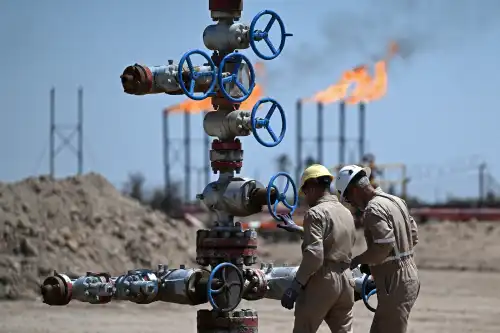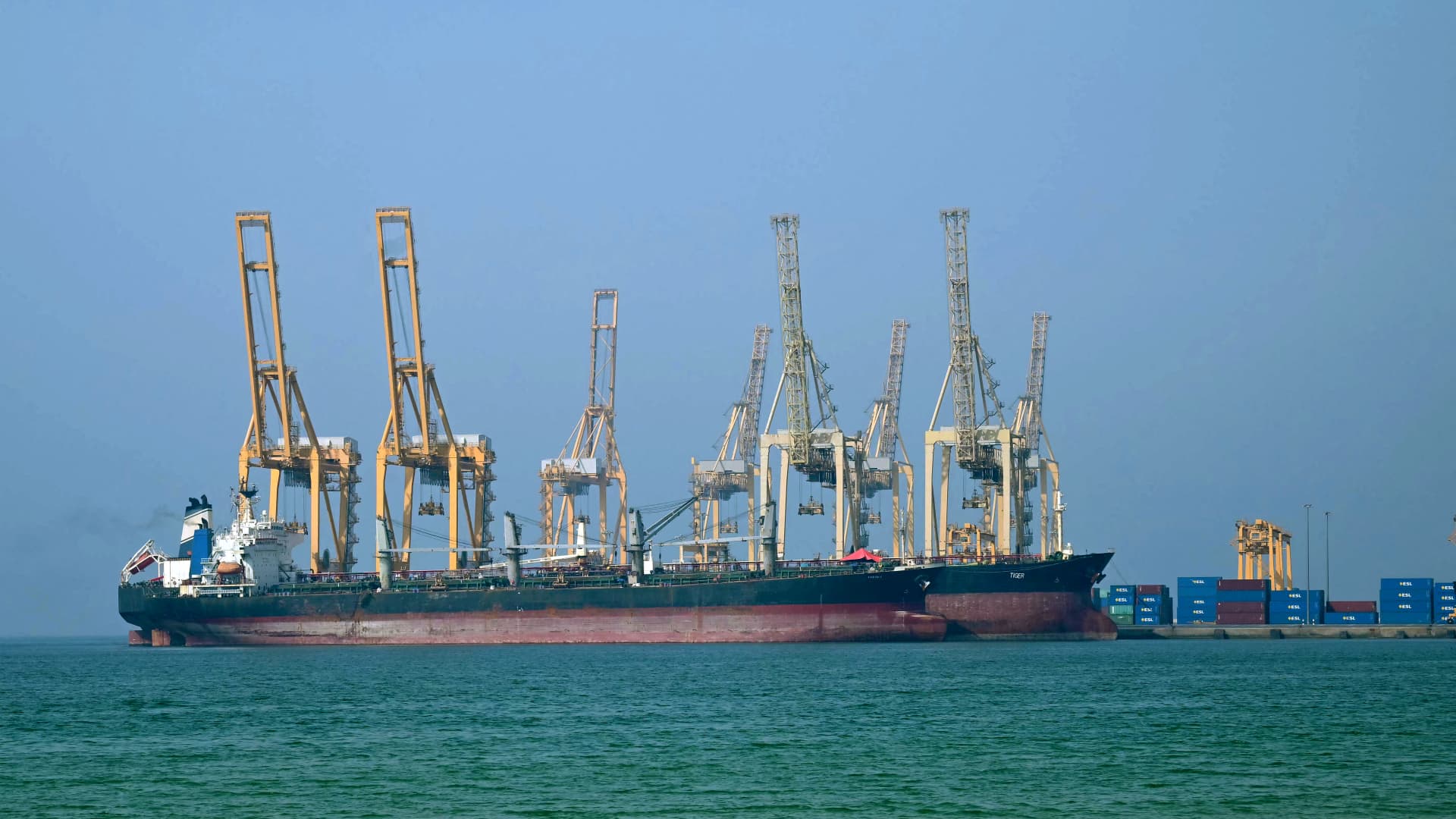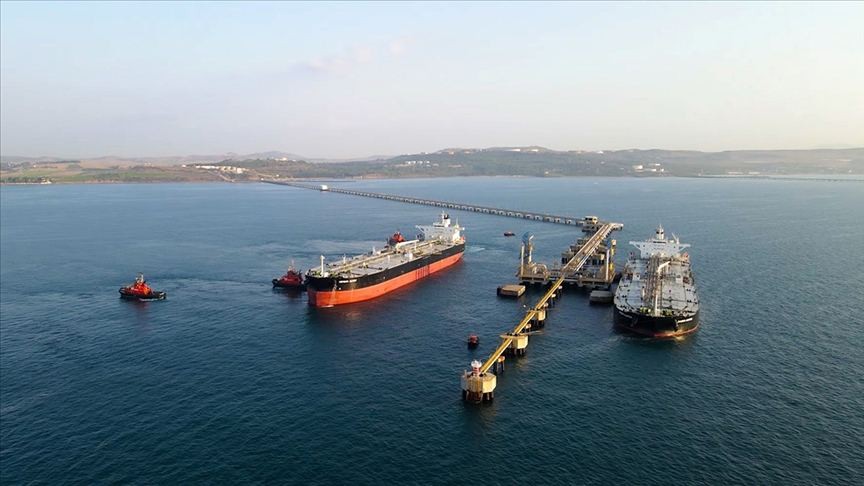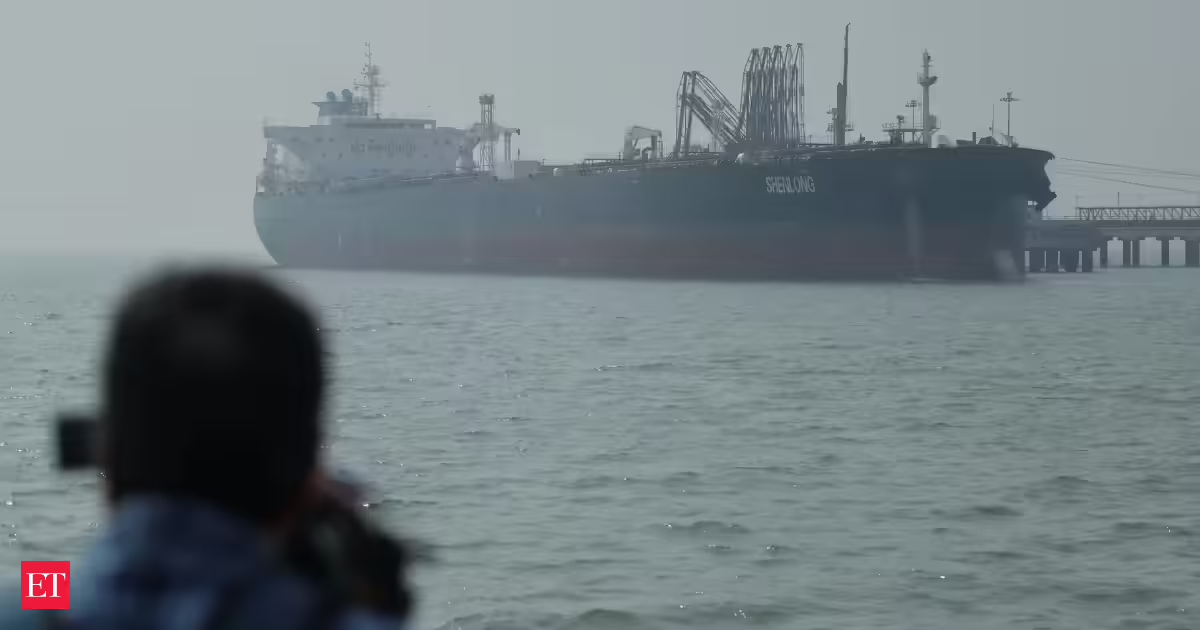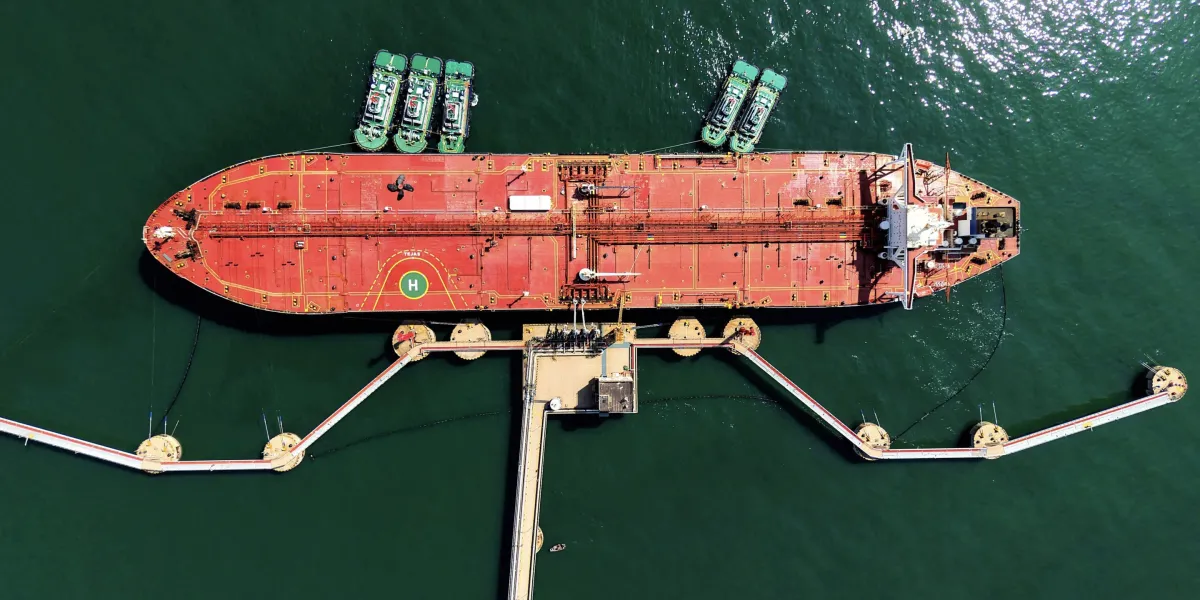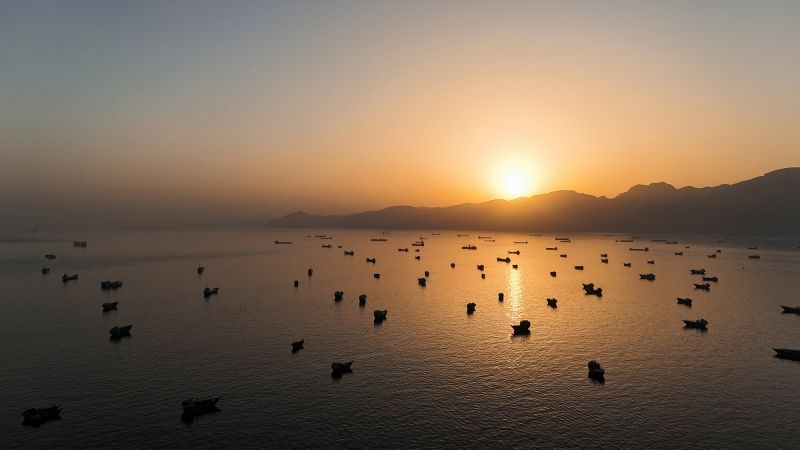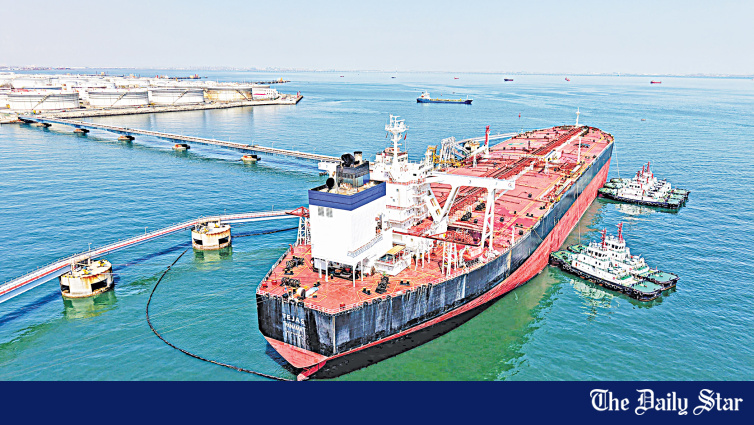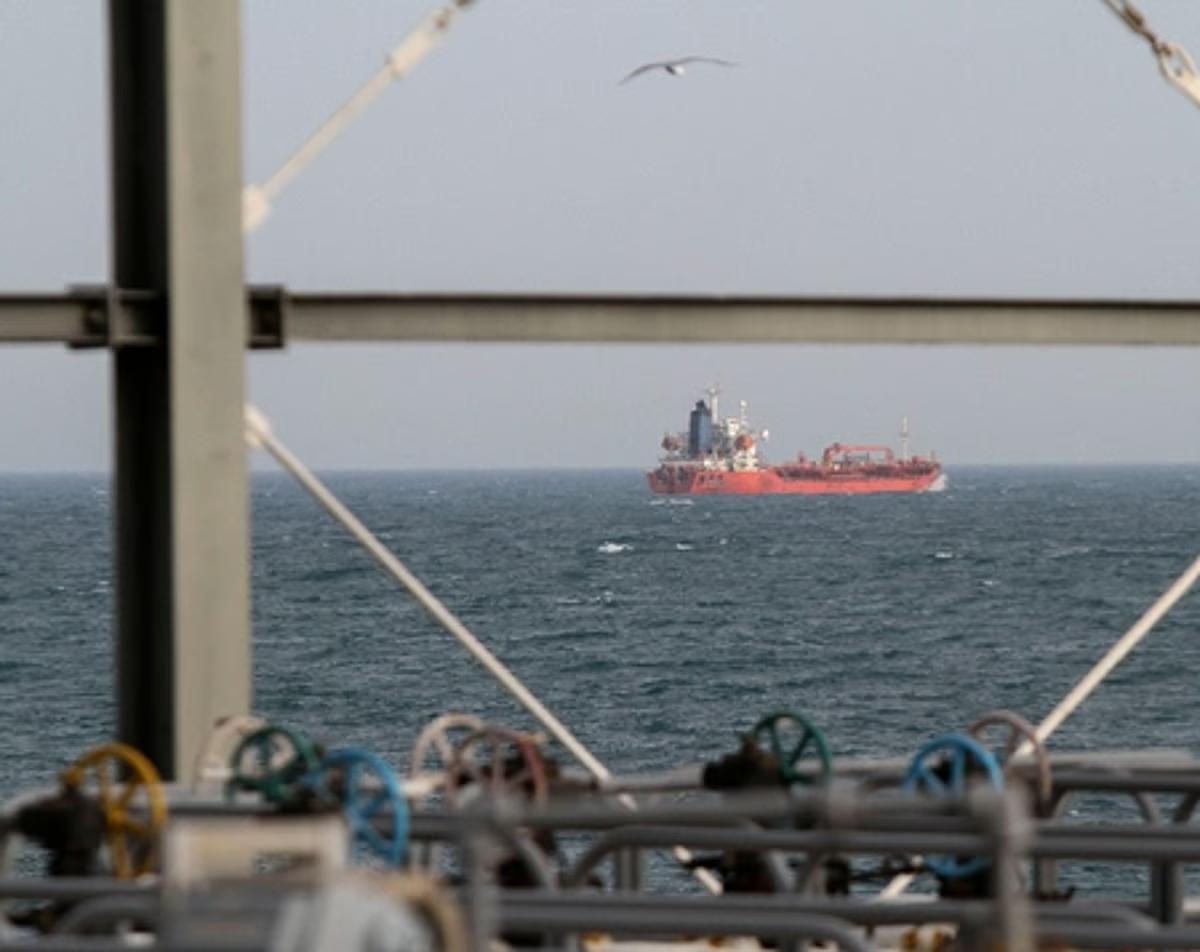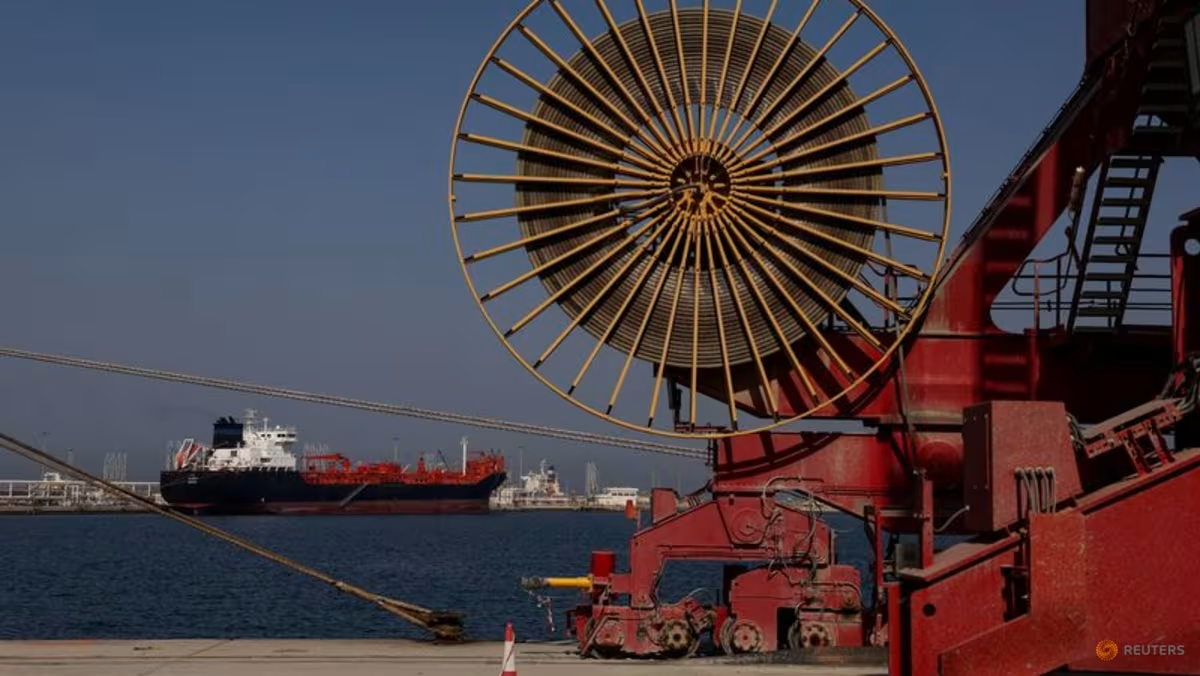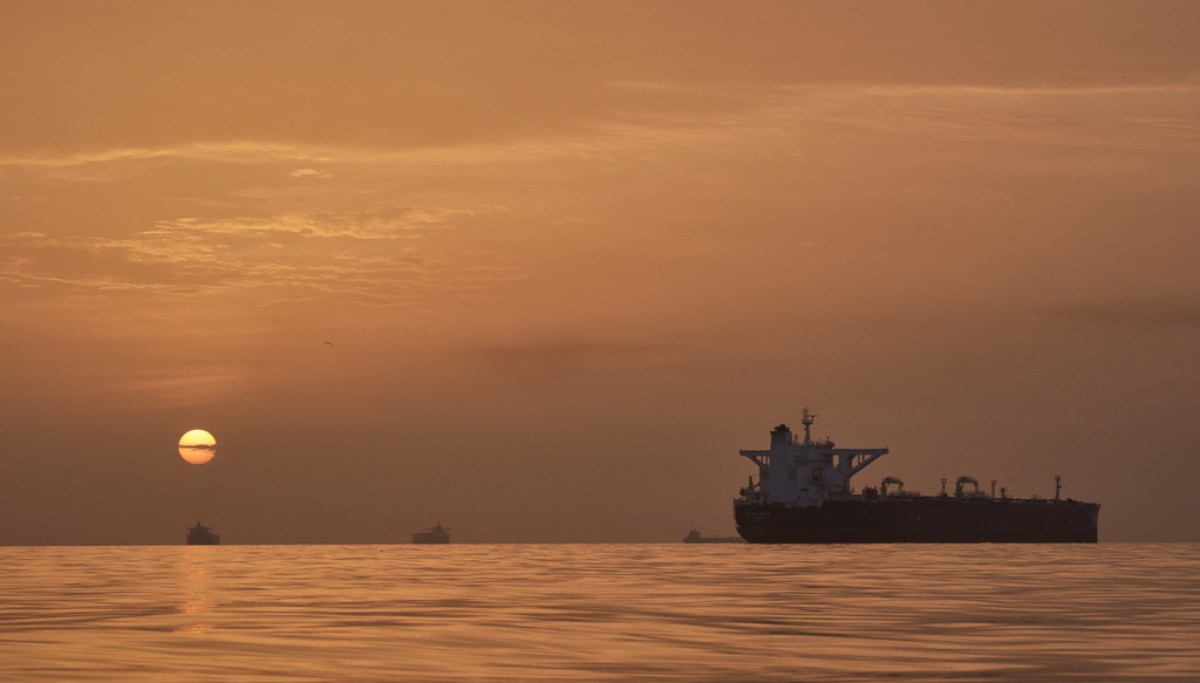
The Strait of Hormuz standoff has created an oil market crisis far greater than the one caused by the 1970s oil embargoes. This is not “Europe’s problem,” as some U.S. government officials suggest, or China’s problem, or something purely temporary. Nor can the damaging impact be lessened by record U.S. petroleum exports — besides, how does that help you at the pump?If we include oil, liquefied natural gas, sulfur, and other products, the equivalent of some 30 million barrels of oil is typically produced in the Persian Gulf region and exported daily. The volume today has been reduced by nearly 90%, with the rest flowing through Saudi, Emirati, and Turkish pipelines. This is monumental.It’s important to understand that tankers move at a snail’s pace. Many of the oil and petroleum products that have reached their destinations since late February started their journey before the war began. Even if the stalemate could be resolved tomorrow and oil shipments quickly resumed, it will take weeks, perhaps months, for needed products to arrive.
More importantly, consider what’s happened to the world’s oil reserves. Most of the 8 billion or so barrels held in the world’s commercial stockpiles are what is known as “working inventories” — that is, oil and petroleum products that do not sit in storage waiting for an emergency, but actually feed global commercial supply chains.