*Urges govts, World Bank, IMF, others to help countries cope with current situation
Ndubuisi Francis in Abuja
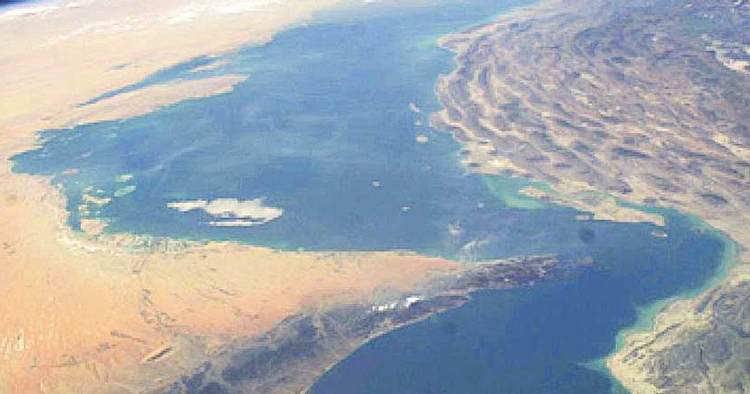
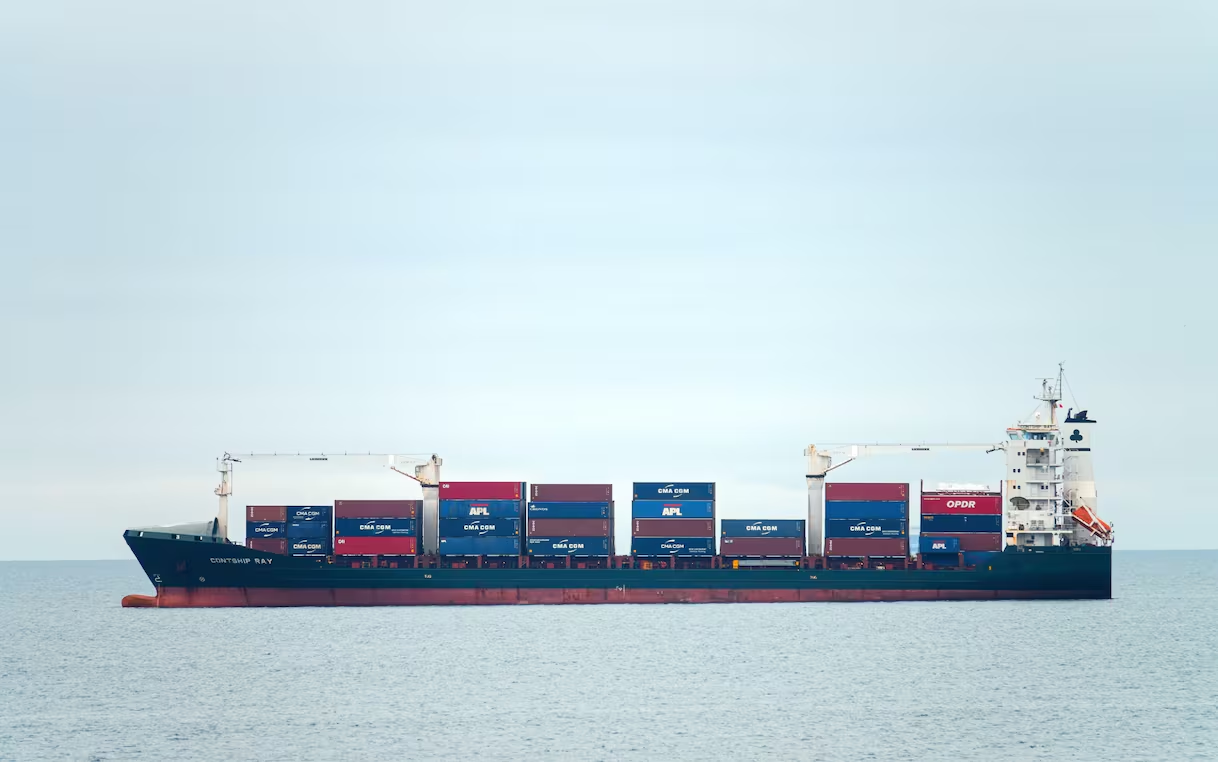
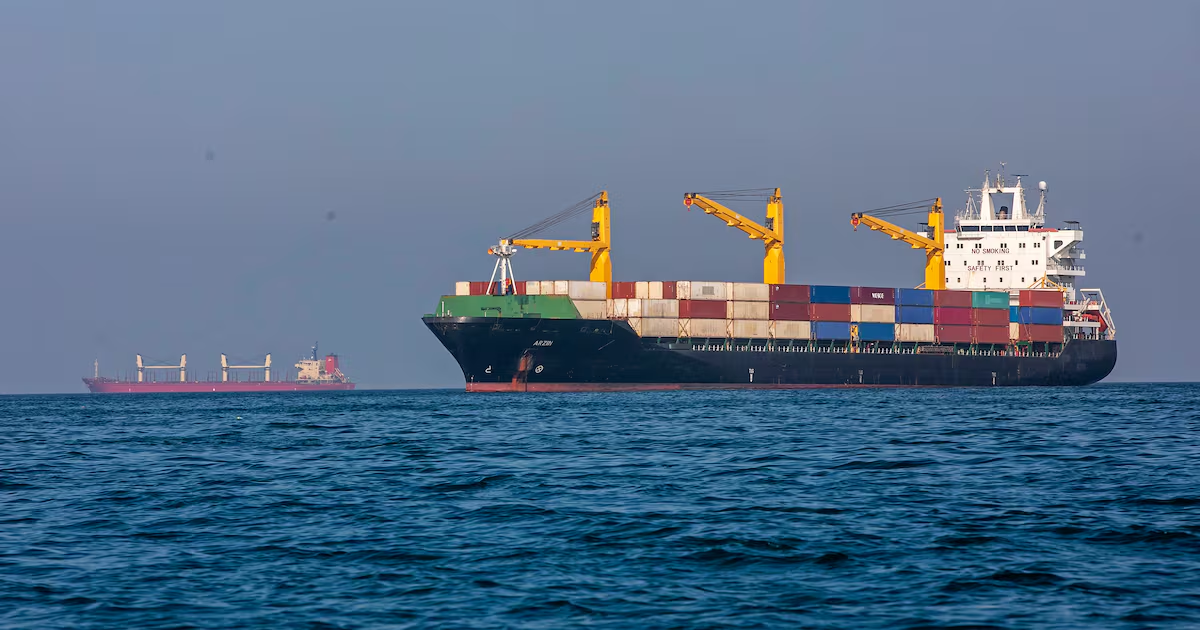
The United Nations Food and Agriculture Organisation (FAO) has warned that theclosure of the Strait of Hormuz has gone beyond a temporary shipping disruption , signalling the beginning of a systemic agrifood shock that could trigger a severe global food price crisis within six to 12 months if alternative trade routes were not explored.The UN agency noted that the shock was alteady unfolding in stages vis-a-vis energy, fertiliser, seeds, lower yields, commodity price increases, and food inflationFAO said avoiding a global food price crisis would not only require alternative trade routes outside Hormuz but restraint on export restrictions, protection of humanitarian flows and buffers to absorb higher transport costs.
In a podcast published on Wednesday, the UN agency’s Chief Economist, Maximo Torero said it was time to “start seriously thinking about how to increase the absorption capacity of countries, how to increase their resilience to this choke, so that we start to minimise the potential impacts.”
This involves exploring “intervention by governments, by international financial organisations, by the private sector, and by UN agencies and other research centers to try to help countries to be able to cope better with the current situation.”FAO stated that the window for preventive action was closing quickly, adding that decisions taken now by farmers and governments on fertiliser use, imports, financing and crop choices will determine whether a severe global food price crisis emerges within six to 12 months.