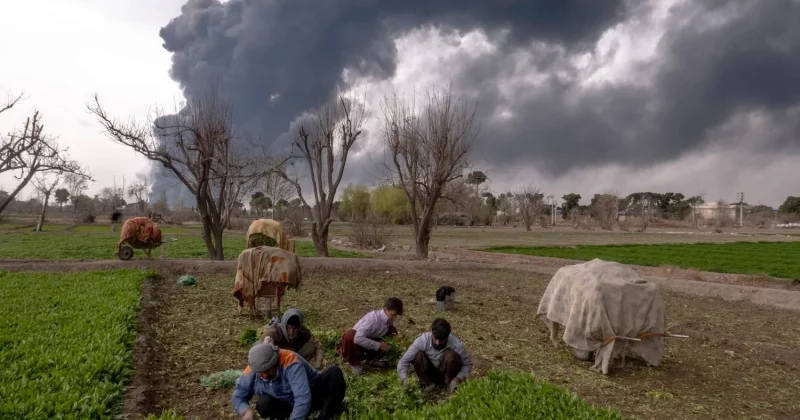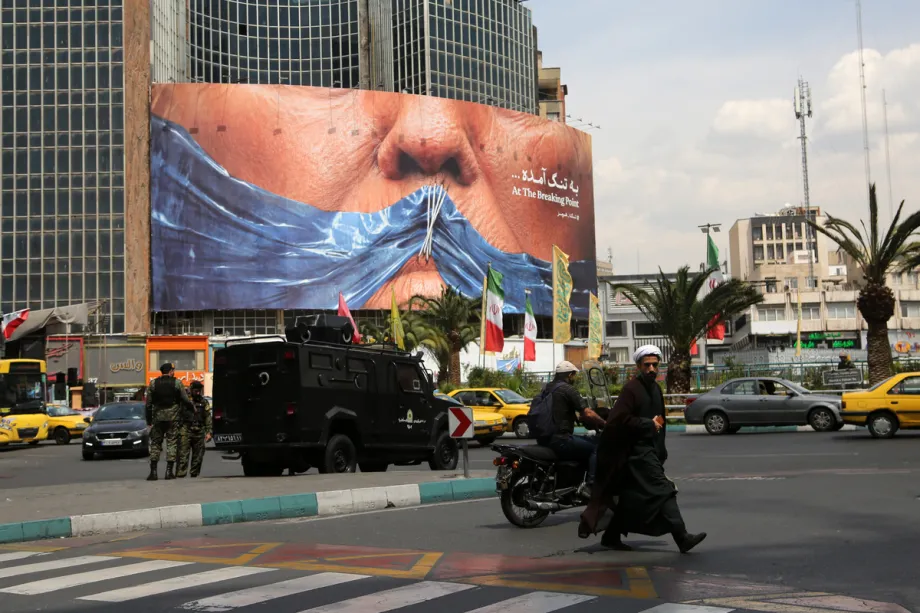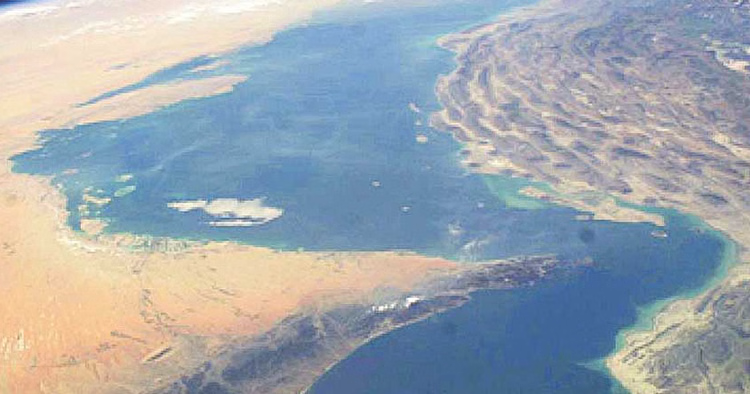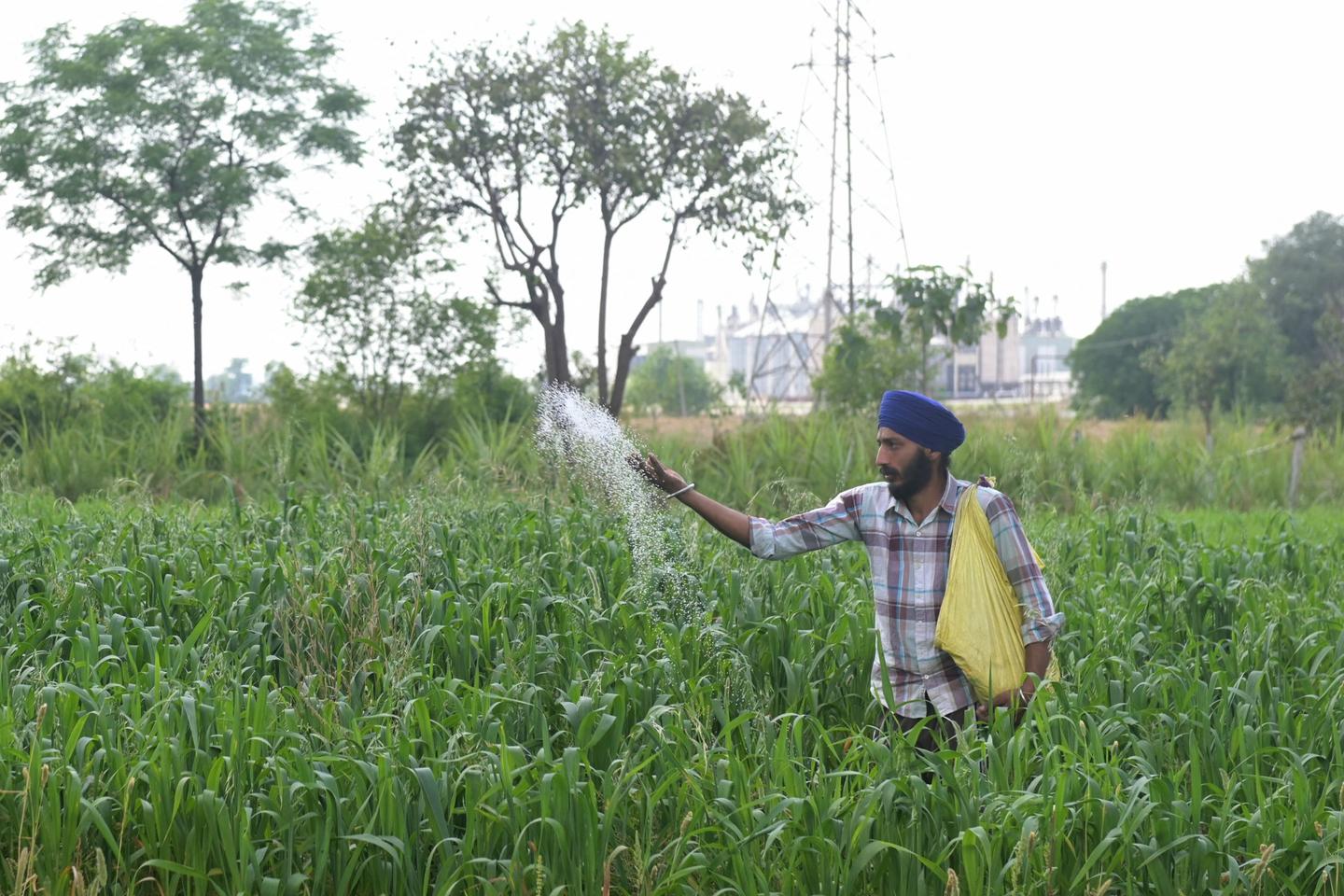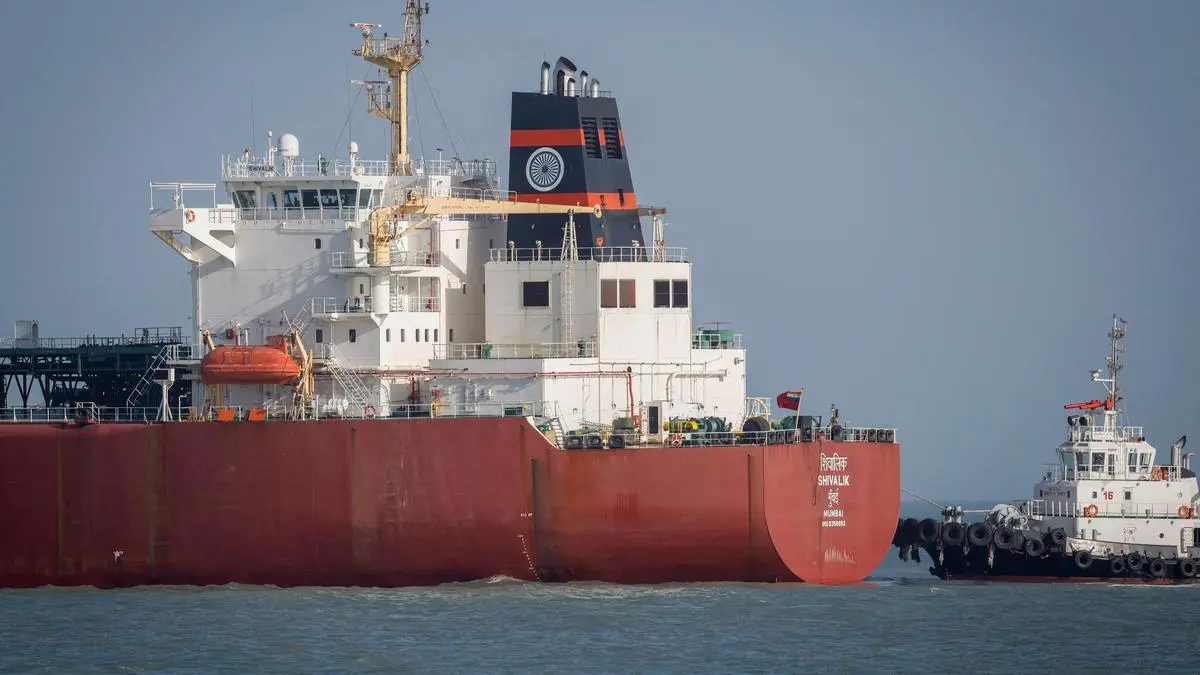
The closure of the Strait of Hormuz has transformed energy into a major food crisis, leaving the world’s agricultural security architecture entirely unprepared. On March 2, 2026, Qatar’s Ras Laffan industrial complex, a major producer of global liquified natural gas (LNG) and ammonia, was struck by Iran’s ballistic missile. It immediately halted output of 112 billion cubic metres of liquefied natural gas and the associated ammonia, the building blocks for critical fertiliser production.In the next few days, major fertiliser plants across Qatar, the UAE, Saudi Arabia, Iran, and Jordan decided to reduce or suspend production. The strait closure has since stalled an estimated one-third of all fertiliser trade, leaving 3 to 4 million tonnes per month stranded.The impact was immediate. Urea prices in the Middle East shot up by 19%, while Egyptian urea surged by 28 % within days. By late March, analysts were tracking Egyptian urea at around $700 per metric tonne, up from the $400–490 range that prevailed before the conflict began. Urea prices have since risen by more than 50%.More than just fertilisersThere is more to the dependency theory than just finished fertilisers. Gulf countries directly shape the production and circulation of food by supplying key chemical inputs, setting up mega warehouses. exporting large volumes of finished fertilizers and controlling the logistical corridors. These sea routes control the agricultural commodities that move across the Middle East, Central Asia, and Africa, with about a third of the world’s basic fertilizers passing through the strait.LNG exports from the Gulf are vital for fertilizer production in countries like India, Pakistan, Bangladesh, and Turkey. When the Gulf gas stops flowing, the fertilizer plants of South Asia face higher input costs, shutdowns, impacting major agricultural yields across multiple geographies.The Green Revolution’s success, which provided food security across Asia and Africa over the past seven decades, was built on the application of nitrogen, phosphate, and potassium fertilizers. Once that chemical foundation goes missing, yields collapse and the food system cannot sustain the dependent populations. The executive director of the UN Office for Project Services has warned that disruption could push 45 million more people into hunger and starvation.The Food and Agricultural Organisation has warned that India, Bangladesh, Sri Lanka, Egypt, Sudan, and various parts of sub-Saharan Africa are facing food insecurity because of elevated fertiliser costs and reduced availability. Moreover, these countries have limited fiscal space for higher fertiliser price shocks, lacking alternate sources of fertilisers or gas with farms hit by climate change, debt distress, and currency depreciation.High stakes for IndiaFor India, the stakes are extremely high. Natural gas accounts for 70 to 80 % of the cost of producing urea, and India imports a significant portion of its LNG from the Gulf nations. India imports 100 % of its potash requirement, and a significant portion of its diammonium phosphate (DAP) directly from the Middle East and North Africa.India faces uncertainty over nearly 40 per cent of its key fertiliser supply, needed to ensure crop yields critical to domestic consumption and economic activity, ahead of the June Kharif planting season. Farmers facing higher input costs may reduce fertilizer usage, switch to less input-intensive crops, or scale back cultivation.India’s fertiliser subsidy bill for 2025-26, was around Rs1.86–1.87 lakh crore, is set to rise even further as import costs climb. Moreover, the subsidy system was nearing its structural limits even before Hormuz closed.The Strait must reopen not just to restore energy markets, but to save harvests. The window, as the FAO has warned, is narrowing with every passing week of the planting season that passes without fertilizer reaching the fields that need it at this critical hour.The author is a Senior Fellow at the Centre for Development Policy and Practice, an independent research institution working on economic and public policy issuesPublished on May 23, 2026
Strait of Hormuz shutdown turns into a global food crisis
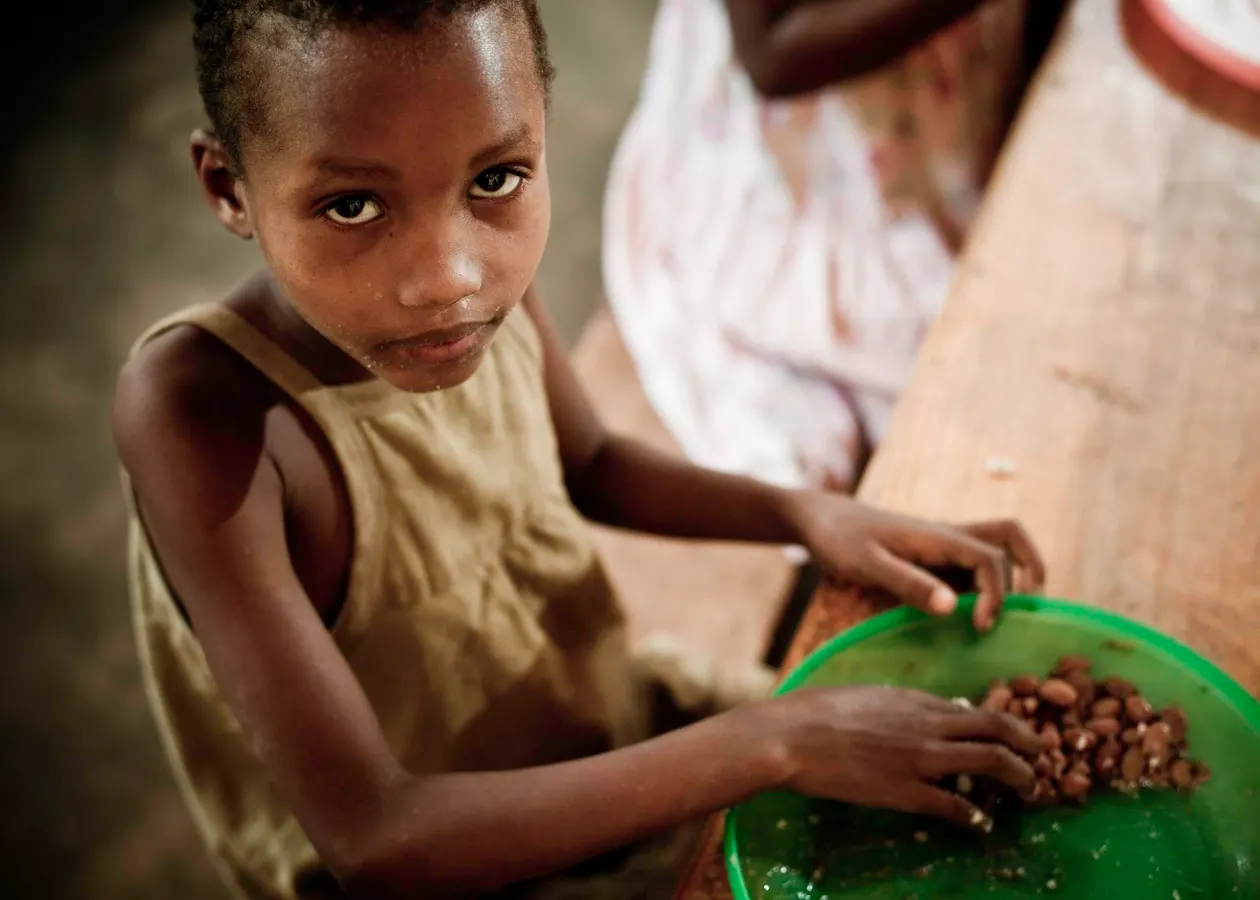
The FAO has warned that the window is narrowing with every passing week of the planting season that passes without fertilizer reaching the fields that need it at this critical hour
631 words~3 min read