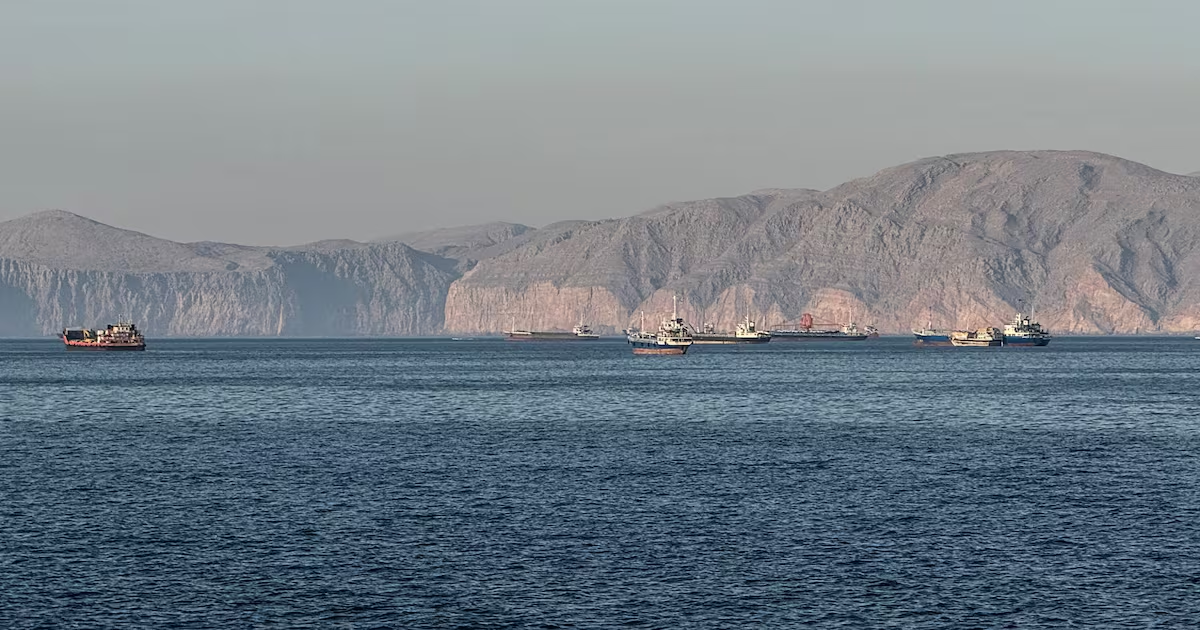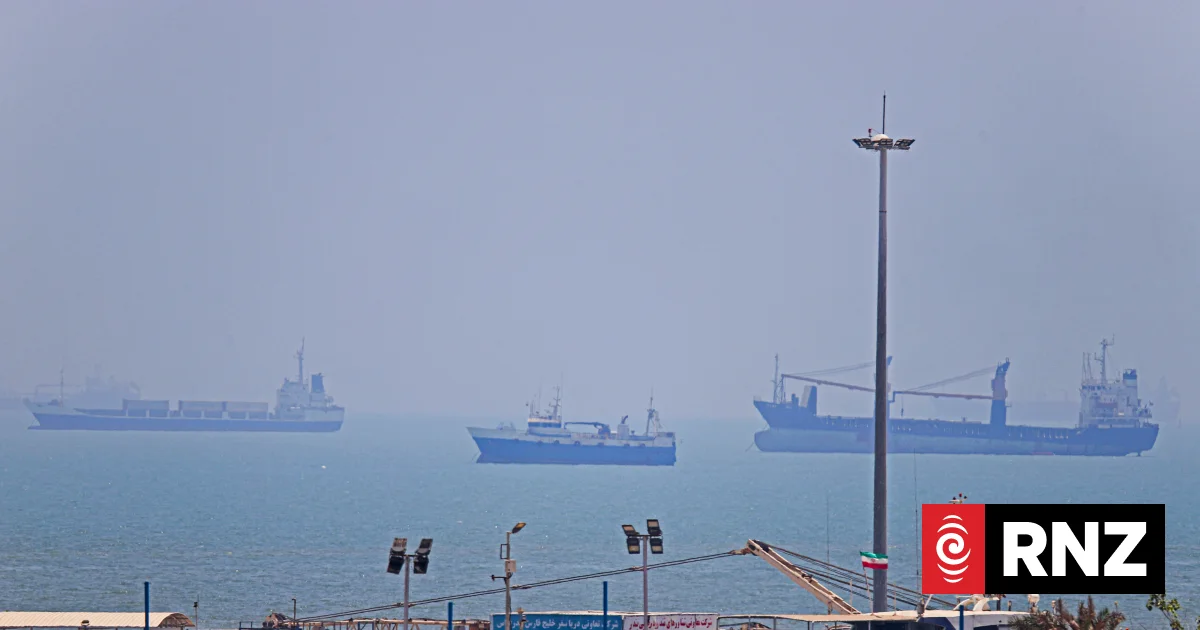
Global food prices rose five per cent in the two months following the near-total closure of the Strait of Hormuz after conflict erupted in the Middle East in late February 2026, according to a World Bank analysis.
The increase pushed food prices to their highest level since January 2024, with the latest data showing gains driven primarily by oils and meals, while grains recorded more modest increases.
The World Bank said the sharpest pressure came from the oils and meals segment, which surged 10 per cent over the period, reflecting higher crude oil prices and expanded biofuel blending mandates in key markets including Indonesia, Thailand, and the United States.
Grain prices rose three per cent over the same period, supported by what the bank described as “ample global supplies”, even as wheat and maize posted quarterly gains of nine per cent and four per cent, respectively, amid drought concerns and higher input costs.
Year-to-date through April, overall food prices are two per cent higher than a year earlier, underscoring what the World Bank described as a “contained” response relative to previous global shocks.