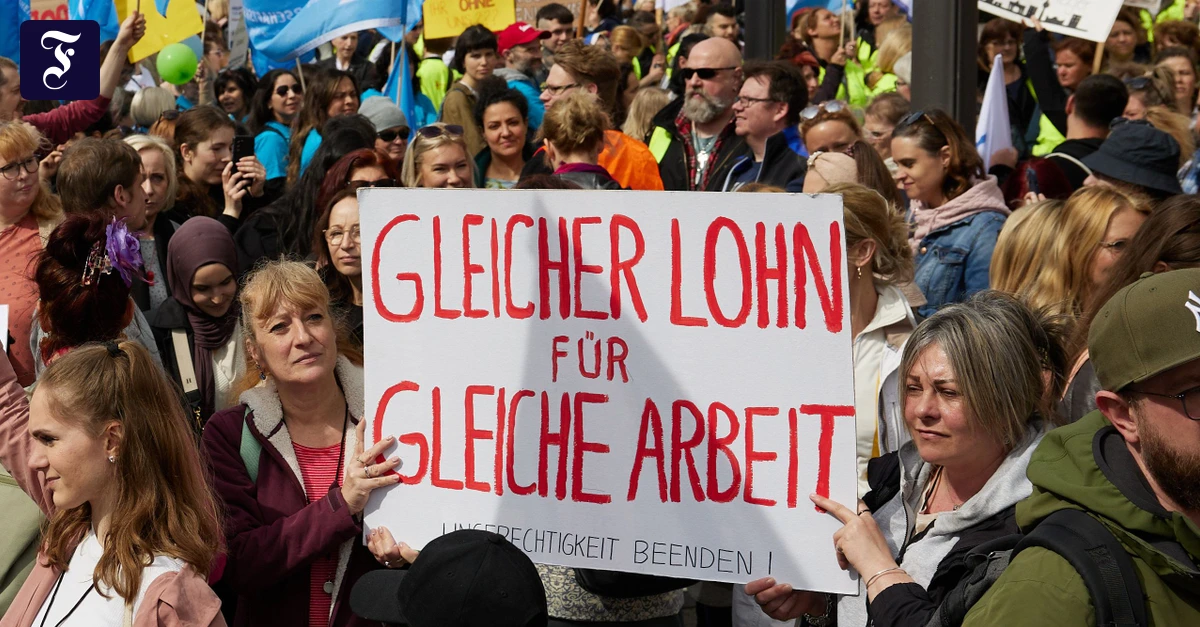
How do you know whether you're being paid fairly? Across much of Europe, workers still have limited information about what jobs pay and how their salaries compare with others doing similar work.
The EU's Pay Transparency Directive aims to change that by requiring employers to become more transparent about salaries and helping to strengthen the principle of equal pay for equal work.
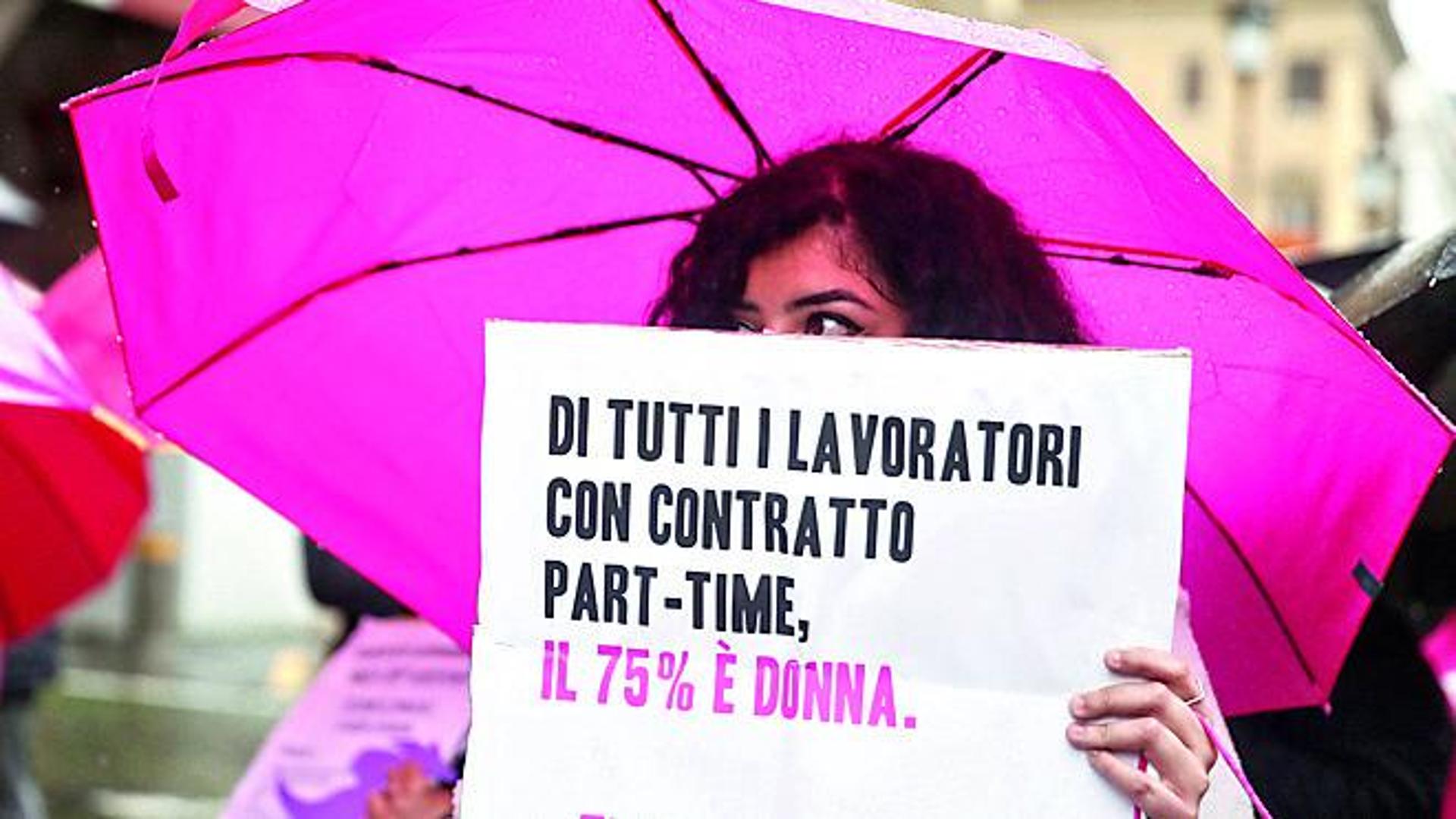
The directive is intended to help reduce the EU's gender pay gap, which stands at 11%, meaning women's gross hourly earnings are, on average, 11% lower than men's, according to Eurostat.
For many women, failing to implement the directive could have a direct impact on their income each year.
The European Trade Union Confederation (ETUC) estimates that failing to implement pay transparency would cost women at least €4.8 billion a year in the EU, potentially rising to €7.2bn — equivalent to between €465 and €700 per woman annually.