Story audio is generated using AI
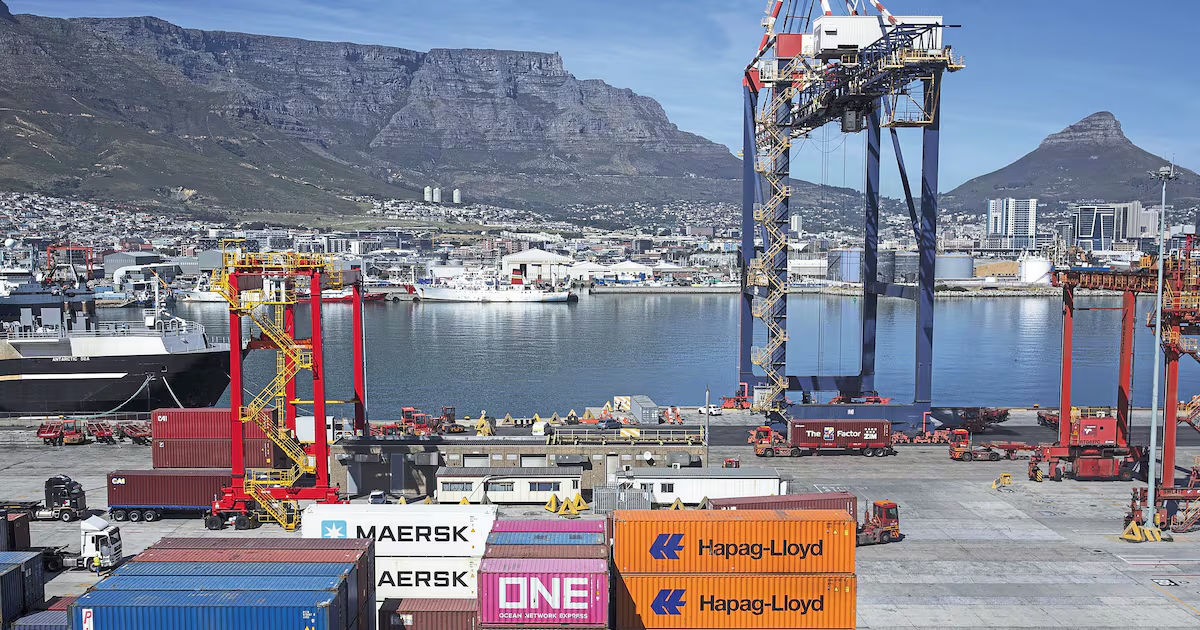
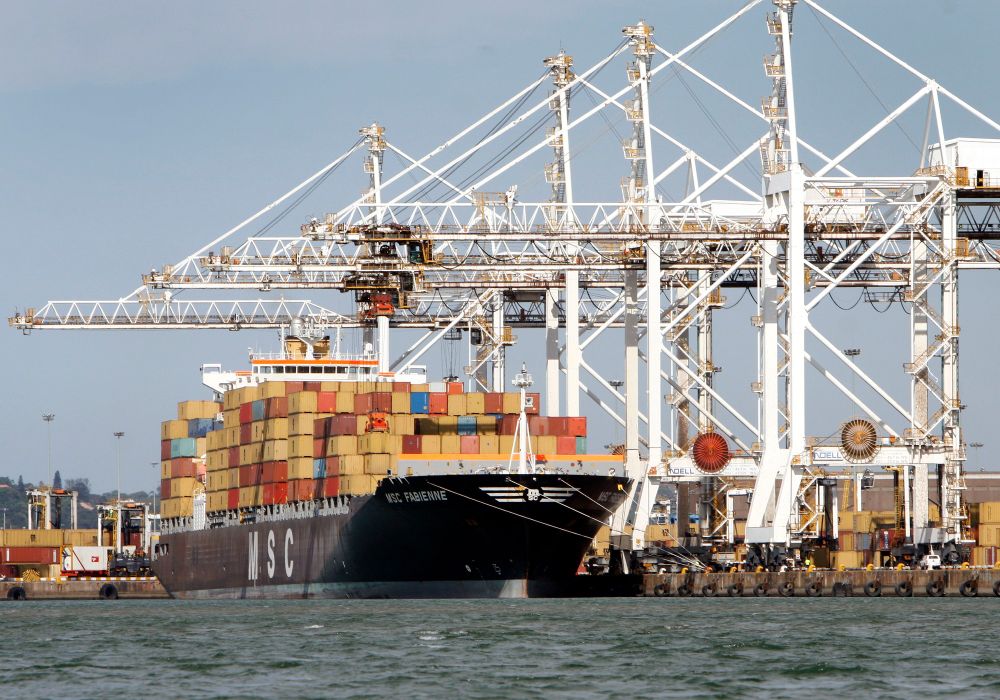
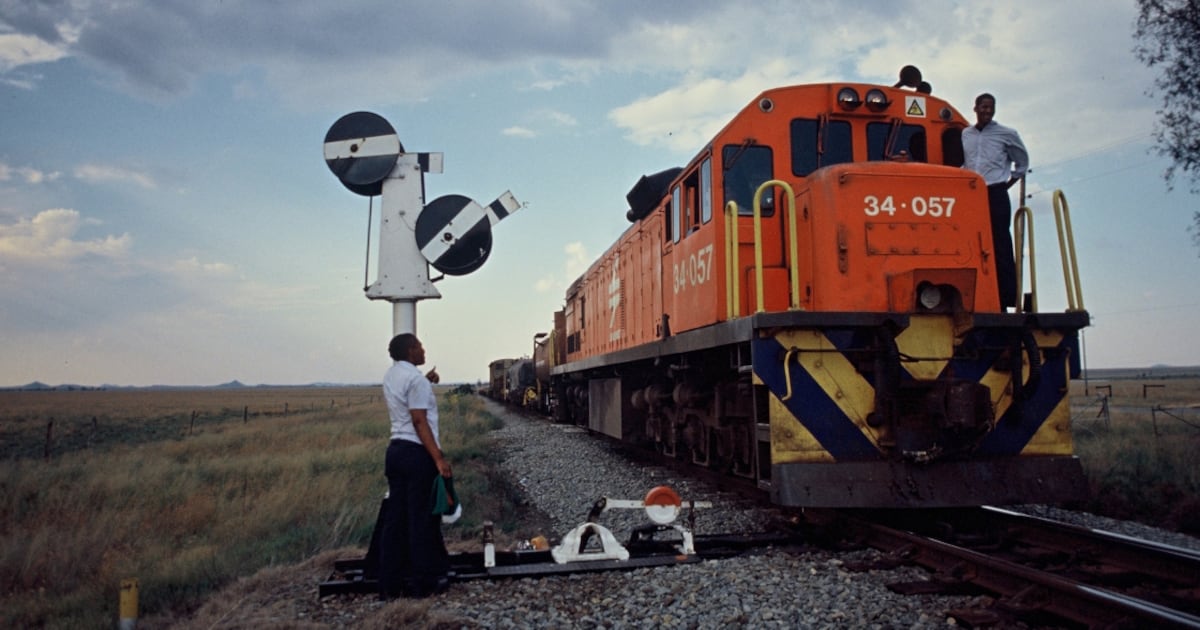
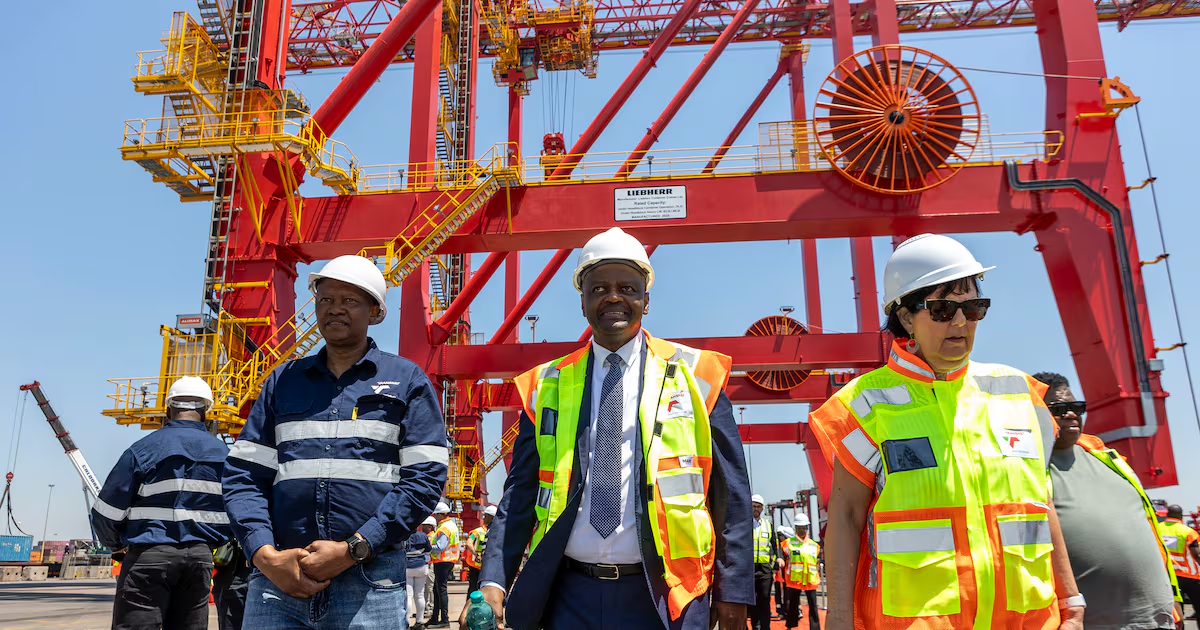
As Transnet prepares for increased private sector participation in port and rail operations, management at the utility is focused on getting the government to formulate standards for entering participants so that they can work at the highest standards.Jabu Mdaki, chief executive of Transnet Port Terminals, told Business Times this week that as the port logistics reforms announced by the government gather pace, Transnet is working to ensure that it is not outflanked by private sector participants due to its obligations as a parastatal.“The critical thing for us when we talk about this reform [is that] we believe there is still scope to review the procurement policies, because there is a lot of work that has been done — I must acknowledge that — but we can do more,” he said.“Because now, especially when there is competition that is entering [the sector], TNPA [Transnet National Ports Authority], as the authority, is issuing a lot of section 56 licences, where you have a lot of competitors that are coming in, and those competitors are not going to be hampered by the procurement policies that we’ve got — and we believe that they should be.”Mdaki spoke to Business Times on the sidelines of this week’s launch of the infrastructure expansion at Transnet’s Saldanha Terminal. This expansion is the result of an investment of over R4bn to replace ageing equipment and infrastructure and increase export capacity.It includes a new tippler extension, a new Eskom substation, a 1.7km conveyor system, heavy-haul rail infrastructure, road bridges, conveyor tunnels, gantry cranes, dust management systems, high-mast lighting, fibre-optic and control system integration, and associated power infrastructure.Mdaki said TPT is of the view that private sector participants are not currently hampered by the same standard of procurement guidelines that the Transnet Group and its subsidiaries are subjected to as state-owned entities.“We are expected to compete with them, to match or beat their performance,” he said. “[But] they don’t have the same standards [imposed on them]. So, that, for me, is one of the areas where there is still an opportunity for the reform to move us forward.”Licences under section 56 of the National Ports Act empower TNPA to appoint suppliers as preferred bidders for terminal operations, such as the authority’s appointment of FFS Tank Terminals as a preferred bidder to refurbish the Port of Cape Town.Also at the Saldanha tippler 3 launch, Transnet Group COO Solly Letsoalo said that facilities such as the Saldanha Terminal not operating at full potential present a challenge for Transnet to generate the capacity to allow deeper private sector participation.“Those processes are complex,” he said. “If I just restrict myself to this iron ore [operation], you have a finite capacity that is being utilised. Now you want to add more people. You need to add capacity for you to have additional slots for other players to play.”Letsoalo said Transnet remains in charge of the infrastructure, where the capacity constraint lies. Other lines like the container lines remain heavily utilised, and many train operators could potentially operate there, he added.“You have to solve the capacity through the infrastructure being upgraded; then you make space for the private sector to add more rolling stock [and] to move product,” he said. “But that’s just specifically for iron ore. In other areas the demand is high, and the capacity is there. Once you’ve stored it, there are more slots for people to move different kinds of goods.”Letsoalo said Transnet continues to work closely with the government and the department of transport‘s private sector participation unit to drive reforms in the logistics space. He said the state-owned entity continues to be a participant in this process alongside the government and the Development Bank of Southern Africa.Speaking at a Tuesday dinner hosted by Exporters Western Cape and Nedbank, transport minister Barbara Creecy said the government would be updating the Transnet network statement.“In the next two weeks, we will issue the second version of the network statement,” Creecy said. “That is going to give the new price for which operators can carry different goods, including Transnet itself.“What is also important about the network statement is that it is designed to give certainty to new freight operators that they can borrow the finances they need to equip themselves with the freight and rolling stock they need to enter into operations.” On logistics reforms, Creecy said the national rail policy and the freight logistics strategy were adopted by the cabinet in 2022 and 2023. She said she hoped that by July or August she could take the National Rail Bill to the cabinet and put it out for public comment.