Story audio is generated using AI
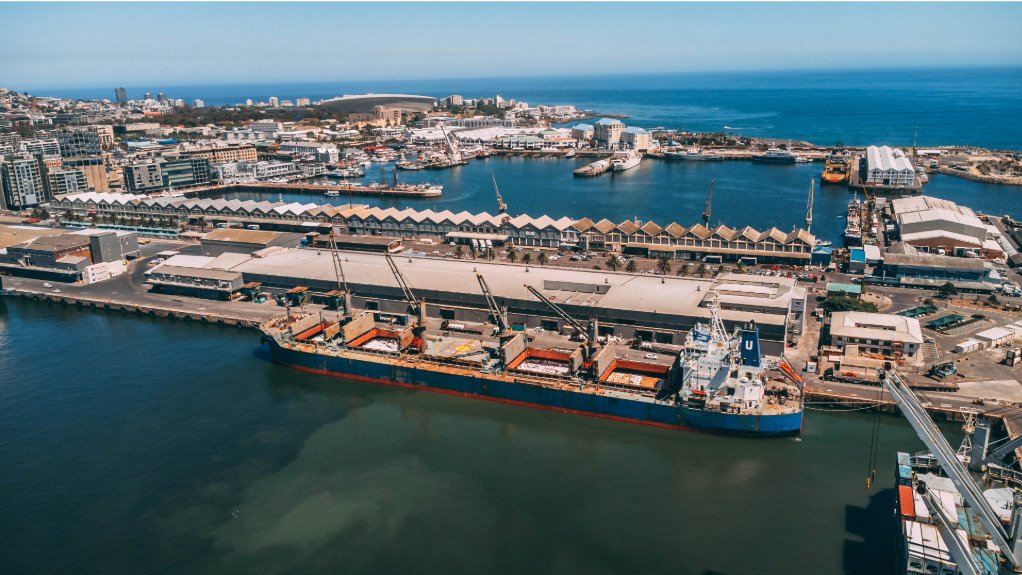
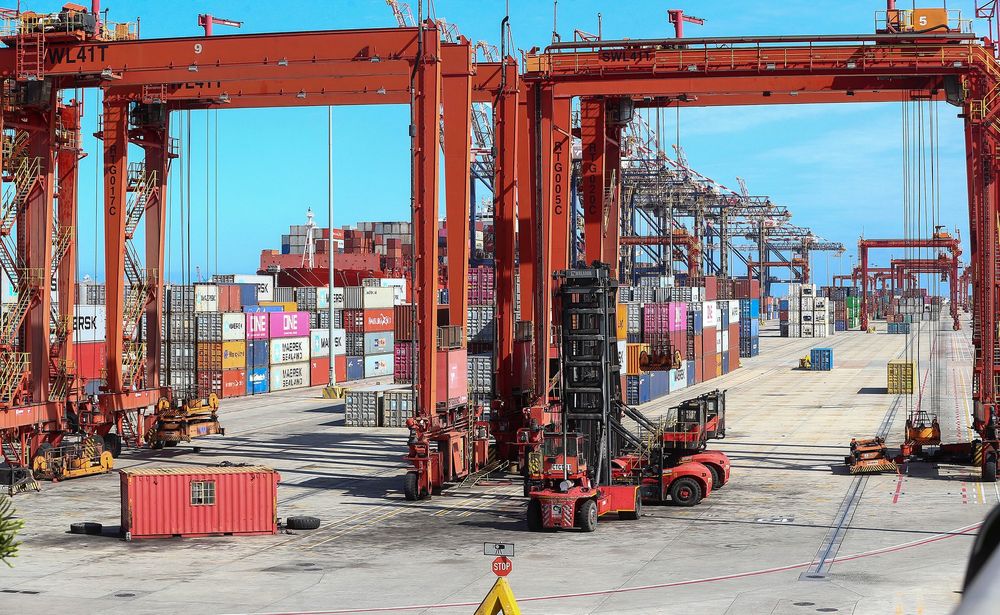
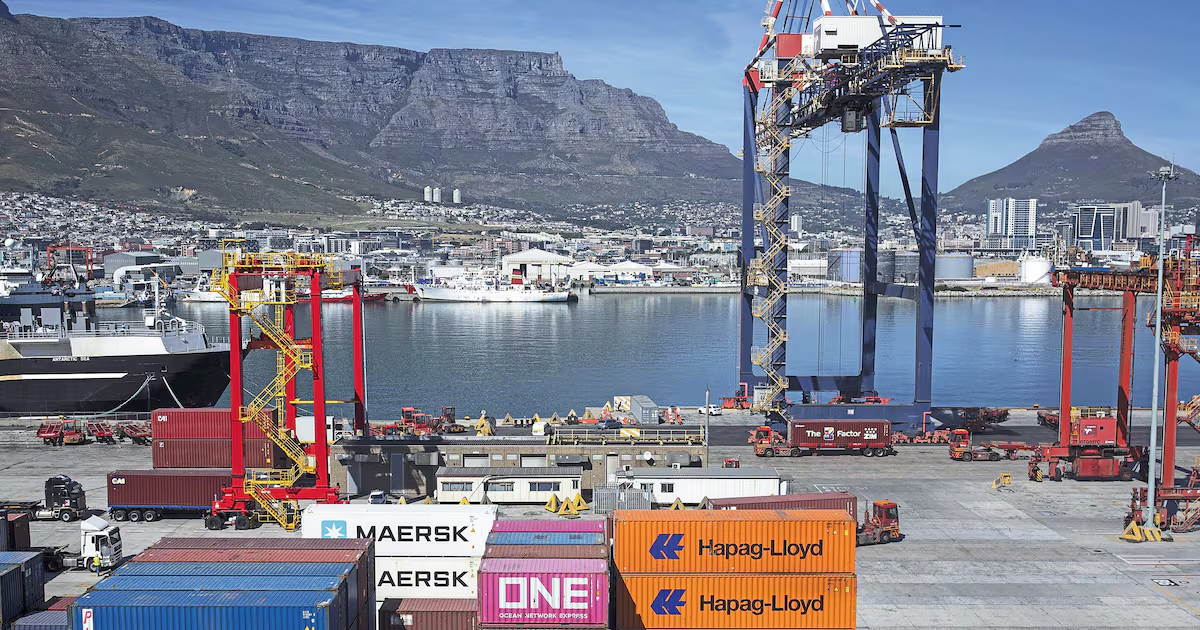
Transnet, whose Port of Cape Town was recently ranked as the worst performer out of 400 in the world, has kick-started a process to bring in private sector cash and expertise to operate the key multipurpose terminal at the port.The freight and rail group on Friday launched a request for proposal for a private sector partner to finance and build the terminal, which enables trade with about 20 countries.Transnet is ramping up private sector participation at its marquee sea ports and rail network as part of the biggest reforms in a generation.The successful bidder, which will have rights to operate the terminal for 25 years, will need to raise the capital to undertake and complete all the works required to bring the terminal into full operation.Transnet National Ports Authority (TNPA), custodian of South Africa’s eight sea ports, said in the request for proposal it will not prescribe to the appointed terminal operator the extent of the works to be undertaken at the terminal.“The appointed terminal operator will be required to determine the extent of the construction, the terminal infrastructure and the … equipment required for terminal operations. The expectation of TNPA is that the terminal capacity must be optimally and fully utilised,” TNPA said.“The terminal operator shall undertake the project at its own cost and risk … TNPA shall not, and no relevant authority will, provide any guarantee, subsidy, grant or any financial support of any nature to the terminal operator or in respect of the project.”The Cape Town multipurpose port, with its origins dating as far back as 1947, has been a dedicated import and export terminal for a large variety of commodities, including fertiliser, soda ash, soya, steel, sunflower pellets, wheat, maize, cement and containerised cargo, playing a critical role in complementing the container terminal.The latest World Bank and S&P study ranked the Port of Cape Town last out of 400 ports in the Container Port Performance Index (CPPI).The CPPI measures how long vessels spend in port and is widely used as a benchmark for port efficiency.Solly Letsoalo, the group COO at Transnet, said a closer look at the performance data of the Port of Cape Town reveals a more nuanced story — one of sustained operational improvement and recovery.“Nationally, Transnet Port Terminals has committed about R12bn over a three-year period to overhaul cargo-handling equipment. A significant share of this investment will be directed at Cape Town Container Terminal, which serves as a critical artery for South Africa’s agricultural and manufacturing exports,” Letsoalo said.“The challenges confronting South Africa’s port network remain real, and the journey towards peak efficiency requires sustained momentum. The evidence of sustained improvement is visible on the seaside and across the landside.“Through continued investment, disciplined execution and a shared operational vision with industry partners, Transnet is shaping a resilient, world-class gateway capable of powering South Africa’s economic ambitions.”The challenges confronting South Africa’s port network remain real, and the journey towards peak efficiency requires sustained momentum. The evidence of sustained improvement is visible on the seaside and across the landside.— Solly Letsoalo, group COO at TransnetSouth Africa’s logistics sector is undergoing the most sweeping reforms in a generation following years of underperformance.The most structurally significant development was the December 2025 awarding of a 25-year concession to Philippines-based International Container Terminal Services (ICTSI) to modernise Durban Container Terminal Pier 2 (DCT2), with capacity targeted to increase from 2-million to 2.8-million 20-foot equivalent units (TEUs) from 2026.ICTSI is expected to invest about R11bn in DCT2, the crown jewel in South Africa’s port system.DCT2 is Transnet’s biggest container terminal, handling more than 65% of the Durban port’s throughput and 40% of South Africa’s port traffic.In April, Transnet invited investors looking to operate its Richards Bay Dry Bulk Terminal to put forward their bids. Private sector partners will help to increase export capacity at the facility by 45%, boosting the fiscus.The terminal is one of South Africa’s largest and most strategic multicommodity dry bulk facilities, playing a critical role in supporting the export of commodities such as chrome, magnetite, coal, woodchips, chloride and alumina.Despite its strategic importance, the terminal’s performance has been constrained by ageing infrastructure, limited operational flexibility and rail bottlenecks on the Richards Bay corridor, all of which have restricted its ability to handle growing export demand efficiently.The terminal has an annual export capacity of 18.5-million tonnes (Mt), with plans to increase it to 26.9Mt with a primary focus on chrome and magnetite — commodities that account for nearly 50% of the terminal’s existing export throughput.The two commodities have a robust long-term outlook due to global trends in steel production and stainless-steel consumption, and the transition towards low-carbon, green steel manufacturing.