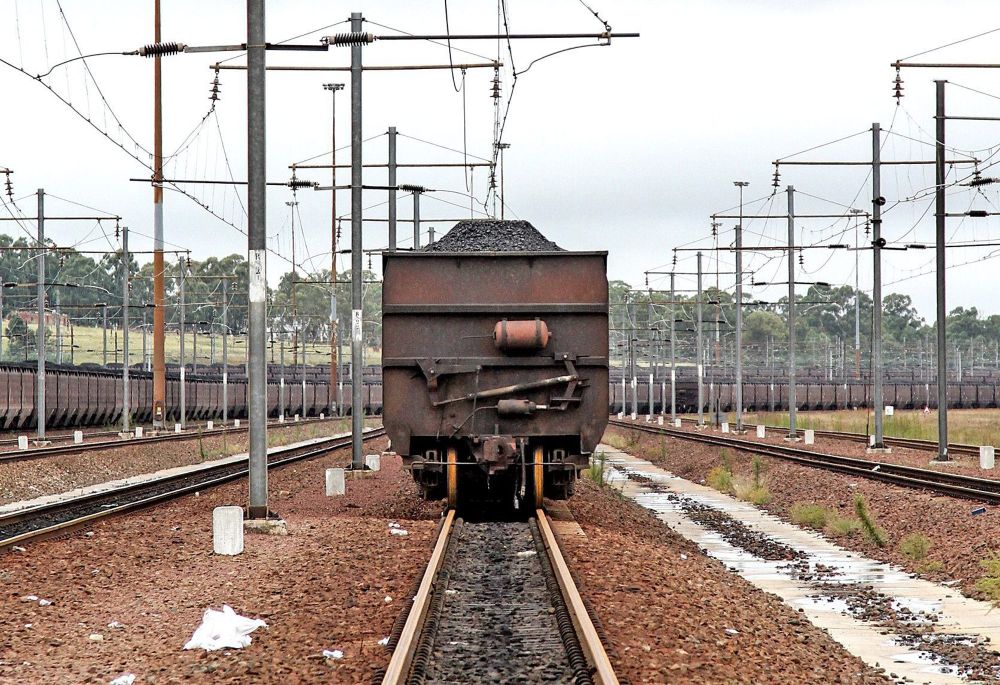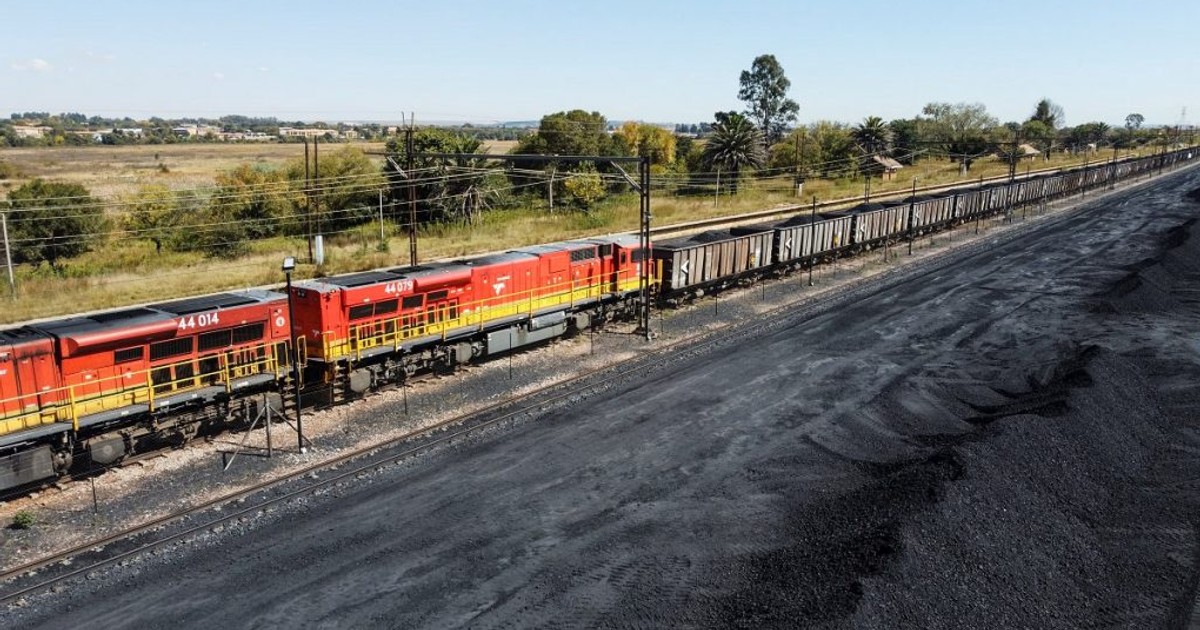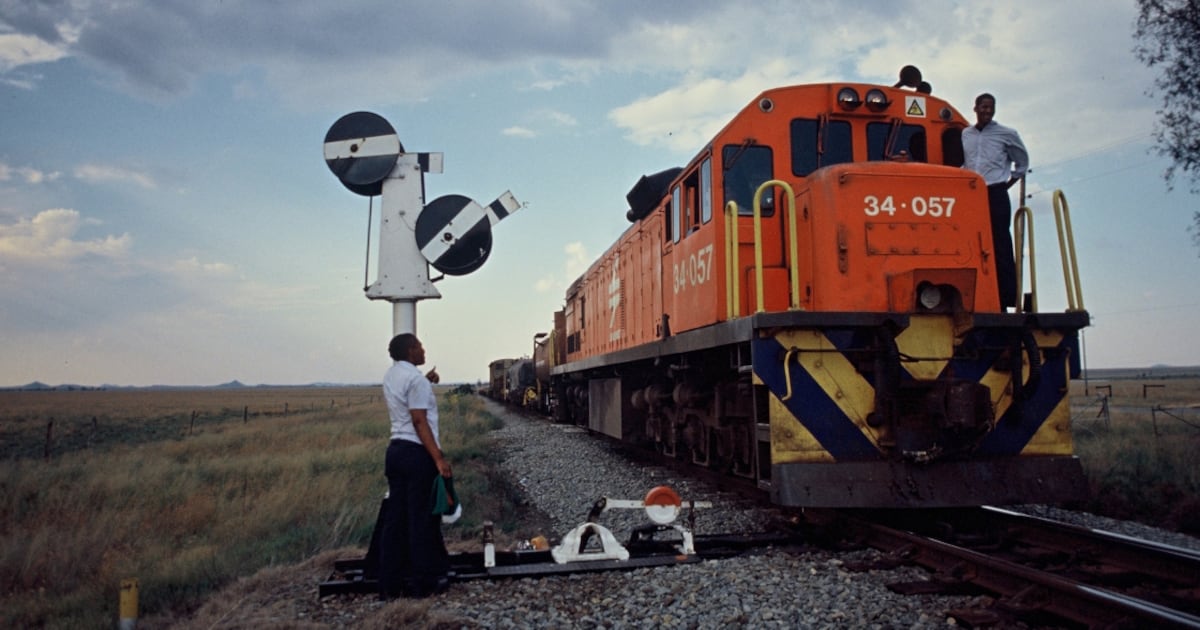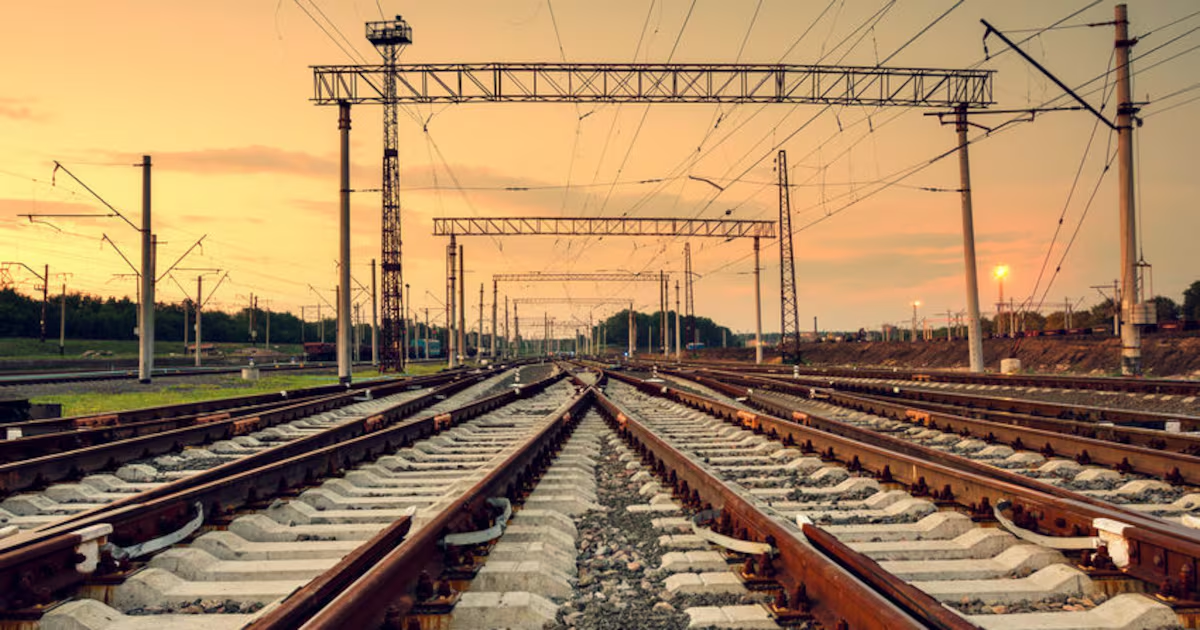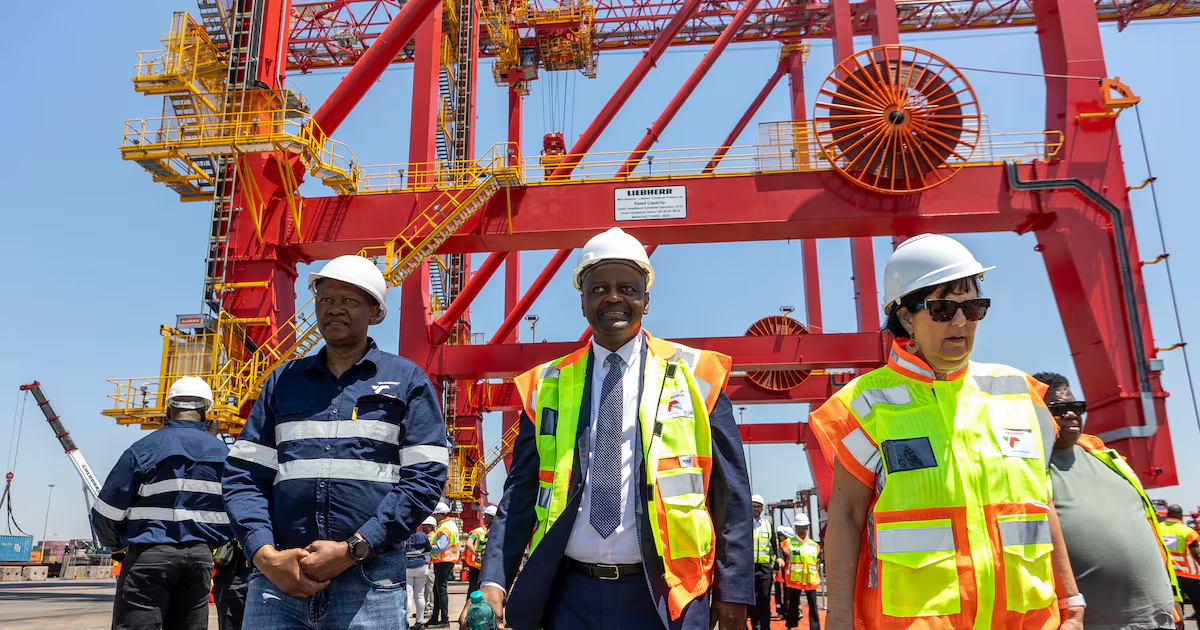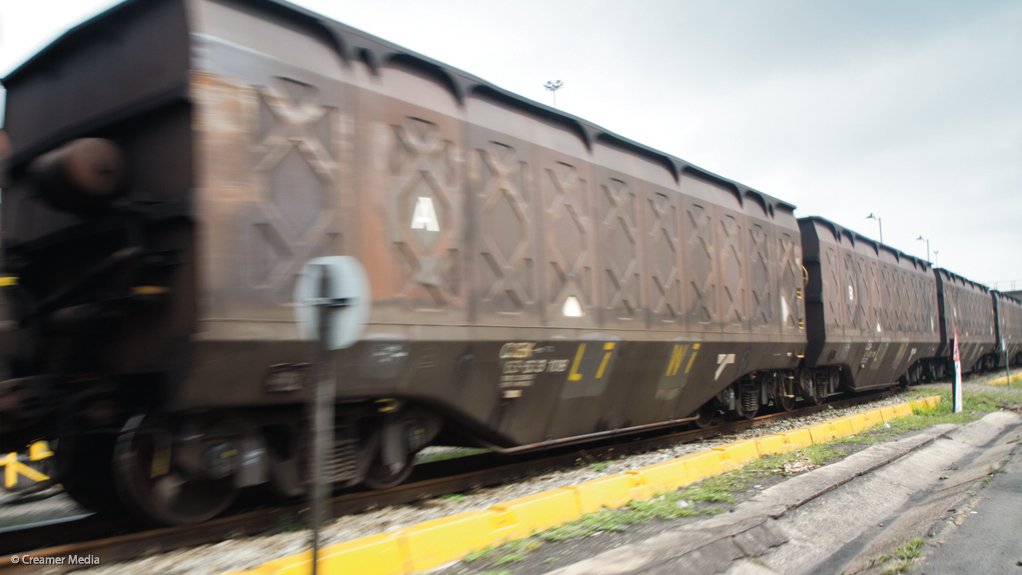
Transnet’s policy to slash procurement costs by side-stepping middlemen and engaging directly with original equipment manufacturers (OEMs) will face legal scrutiny as local intermediaries push back against the strategy, which they say excludes domestic players and black groups. Transnet, which is about to give third-party access to 11 companies to operate on its rail network in a big policy pivot, aims to refurbish the network — a necessity that caused it last month to embark on a market-sounding exercise to draw the interest of OEMs in supplying it with railway rails.Railway rails are the tracks trains run on, providing a smooth, low-friction surface for train wheels and helping prevent derailments.However, local group Guma has taken umbrage at Transnet pursuing confined tender processes and giving preference to OEMs, saying this posture excludes South African companies.“Given the structure of the South African market, in which the only OEMs are foreign-owned, a confined tender of this nature appears to target only foreign-owned (or substantially foreign-owned) entities, to the prejudice of the wholly owned South African companies like Guma,” the company says in its affidavit.Transnet Rail Infrastructure Manager (Trim) GM Paul Scott said in a letter to Guma that the confined tender process is in furtherance of engaging directly with OEMs.“Trim, as with other divisions in Transnet, is subjected to stringent regulatory reforms brought about by government policy and legislation to allow access to rail infrastructure through an infrastructure manager (Trim) responsible for operating the rail infrastructure efficiently, securely and safely,” Scott wrote in the letter.“Given the mandate for Trim, Trim has a reasonable expectation that dealing directly with original equipment manufacturers, as no local supply exists, will bring about the desired cost efficiencies required from state-owned entities; ensure greater security of supply within its supply chain; and ensure compliance with applicable legislation and policy objectives.”The 11 private sector operators Trim has selected, which include JSE-listed Grindrod, are expected to introduce an additional 24-million tonnes of freight capacity.Guma, owned by businessperson Robert Gumede, insists the reasons put forward by Trim to embark on a confinement tender don’t hold water, saying it has been a Transnet supplier since 2014.It said the effect of Transnet’s mandate is that the railway rails tender is confined exclusively to six foreign manufacturers — based in China, Austria, Japan, Spain, France and the UK, respectively — and asked for an urgent interdict to stop the tender process in its tracks.The company will receive support from the Black Business Council (BBC), which has applied to join the matter as a friend of the court.BBC CEO Kganki Matabane said South Africa cannot speak credibly about re-industrialisation and transformation while its state-owned entities issue billion-rand tenders that exclude local businesses.“We have called on the ministers of transport and finance as well as trade, industry & competition and the National Treasury to urgently account for this procurement model and take the necessary steps to ensure Transnet’s board and management remedy this unlawful conduct.“They must do so by setting aside the current confined tender and replacing it with an open, constitutionally compliant procurement process that affords all capable South African suppliers a fair opportunity to participate, alongside any foreign OEMs who wish to compete on equal terms and in accordance with South African law.“The posture taken by Trim seems to align with a policy pivot taken in 2024, which allowed Transnet to enter into long-term agreements with OEMs and customers who can step in faster than if they went through traditional procurement routes.“The policy differentiates between the procurement of goods and services for the normal day-to-day administration of Transnet and the procurement of goods and services with a direct impact on revenue generation.”One of the newly inserted clauses in the amended supply chain management policy deals with identifying “critical suppliers such as OEMs and other strategic suppliers” and entering into long-term agreements.“This will support the supply, maintenance, upgrading and refurbishment of critical infrastructure, rail networks, equipment and components to cover the life cycle of the operations assets that are utilised for delivery to customers,” reads the amendment.
Black business groups challenge Transnet’s foreign-focused rail OEM tender
Rail procurement dispute puts Transnet’s new sourcing strategy under pressure
672 words~3 min read