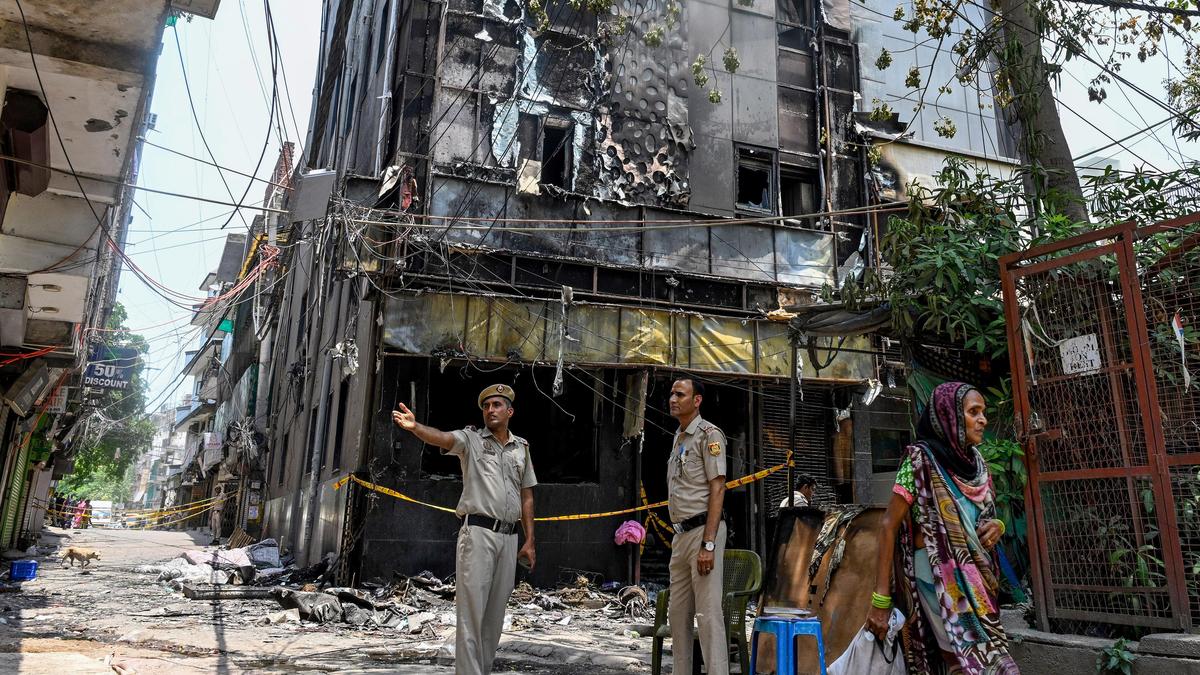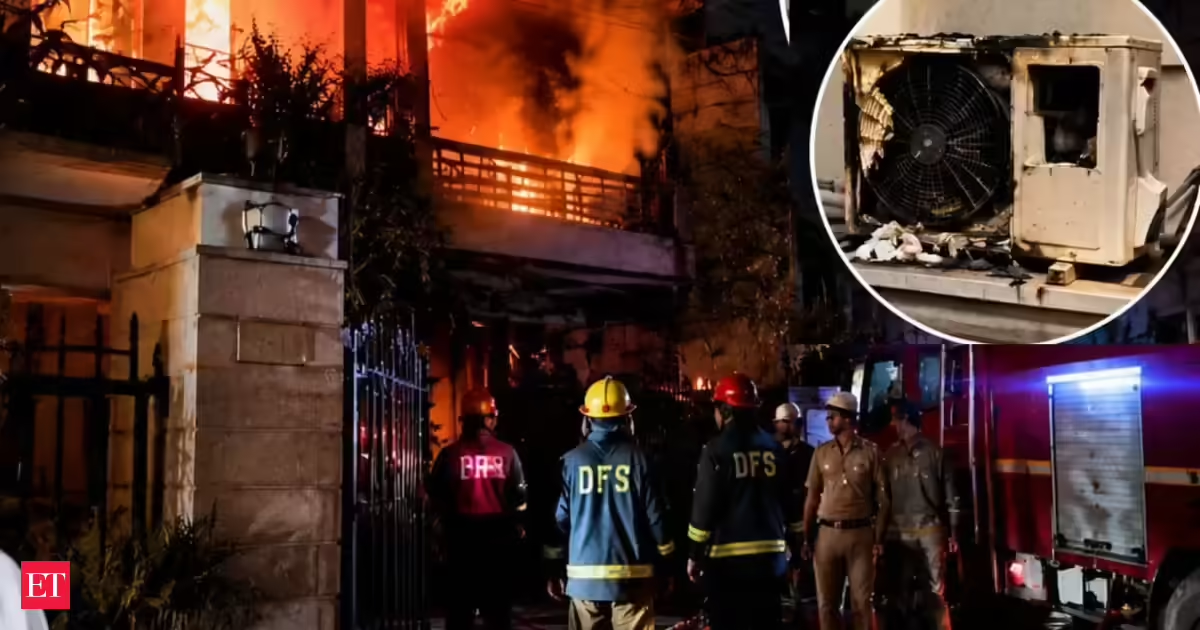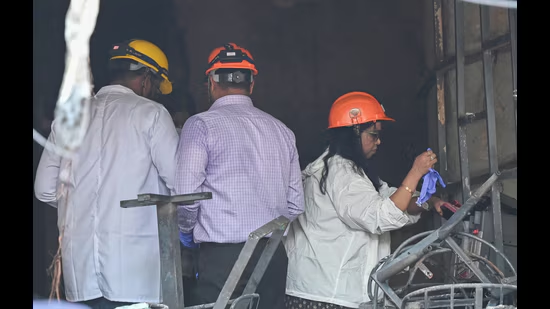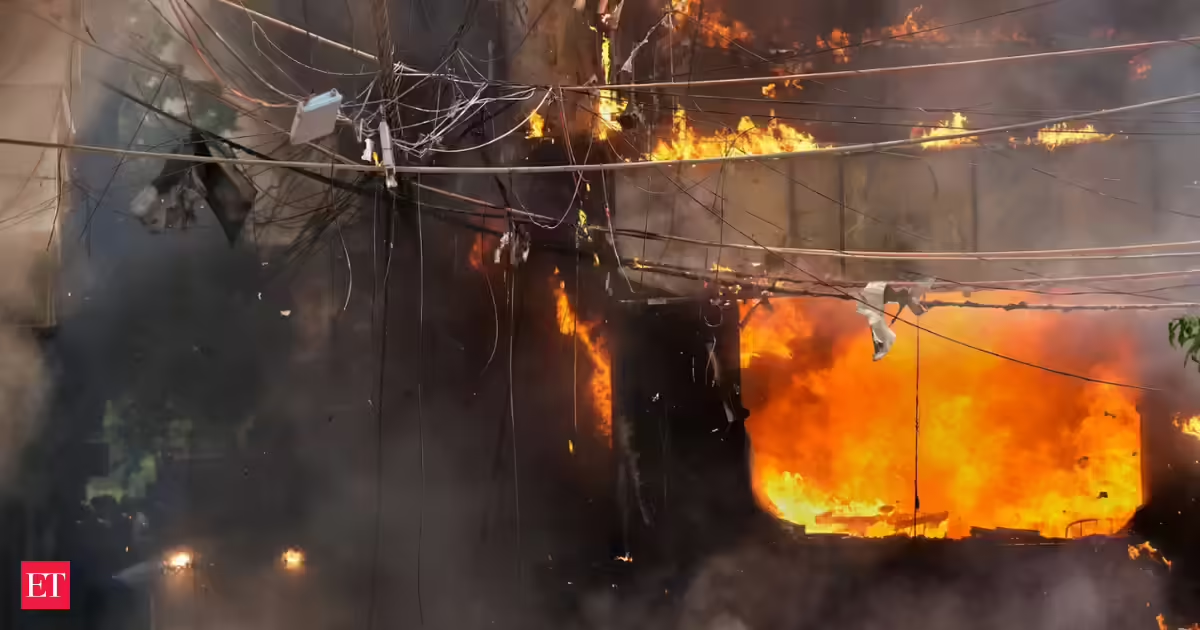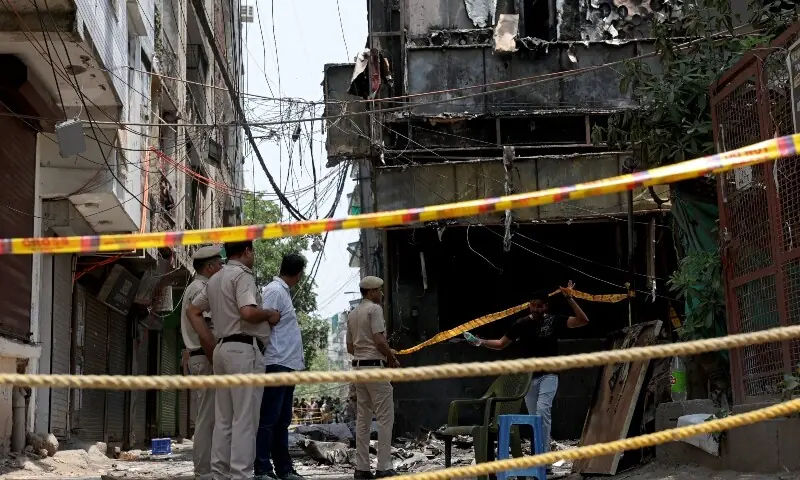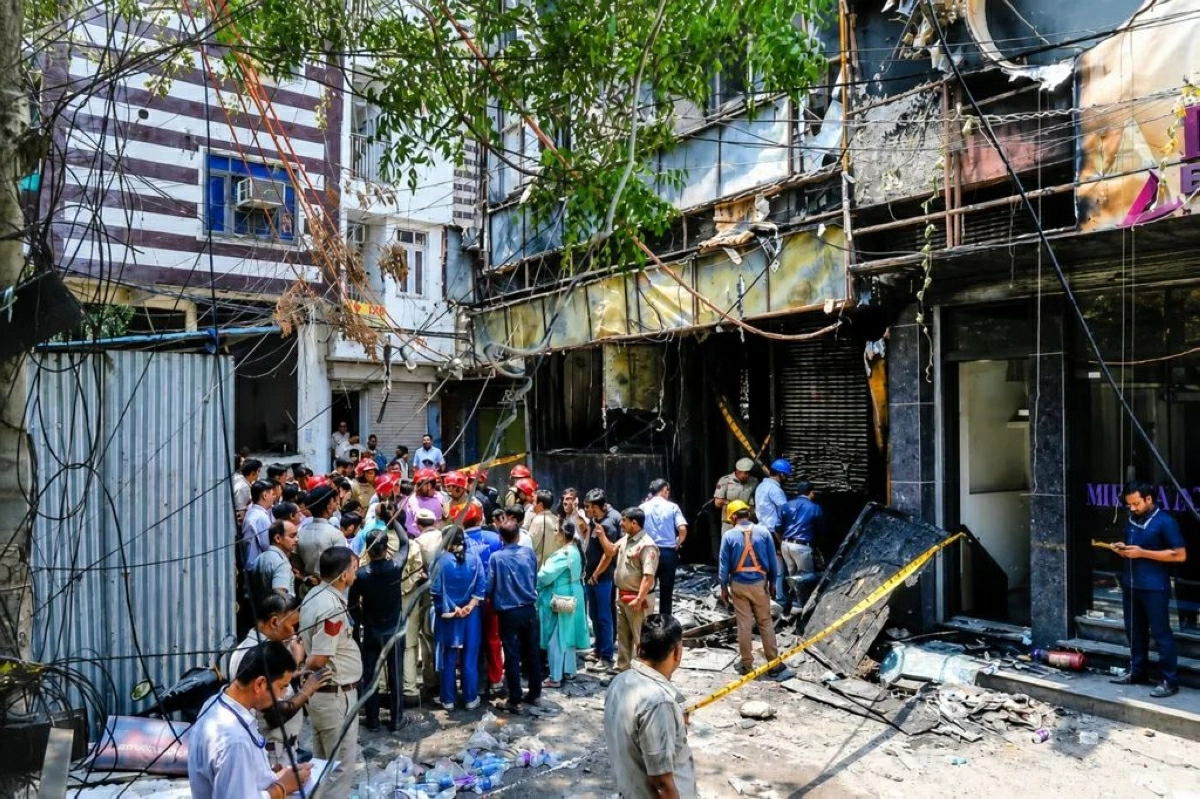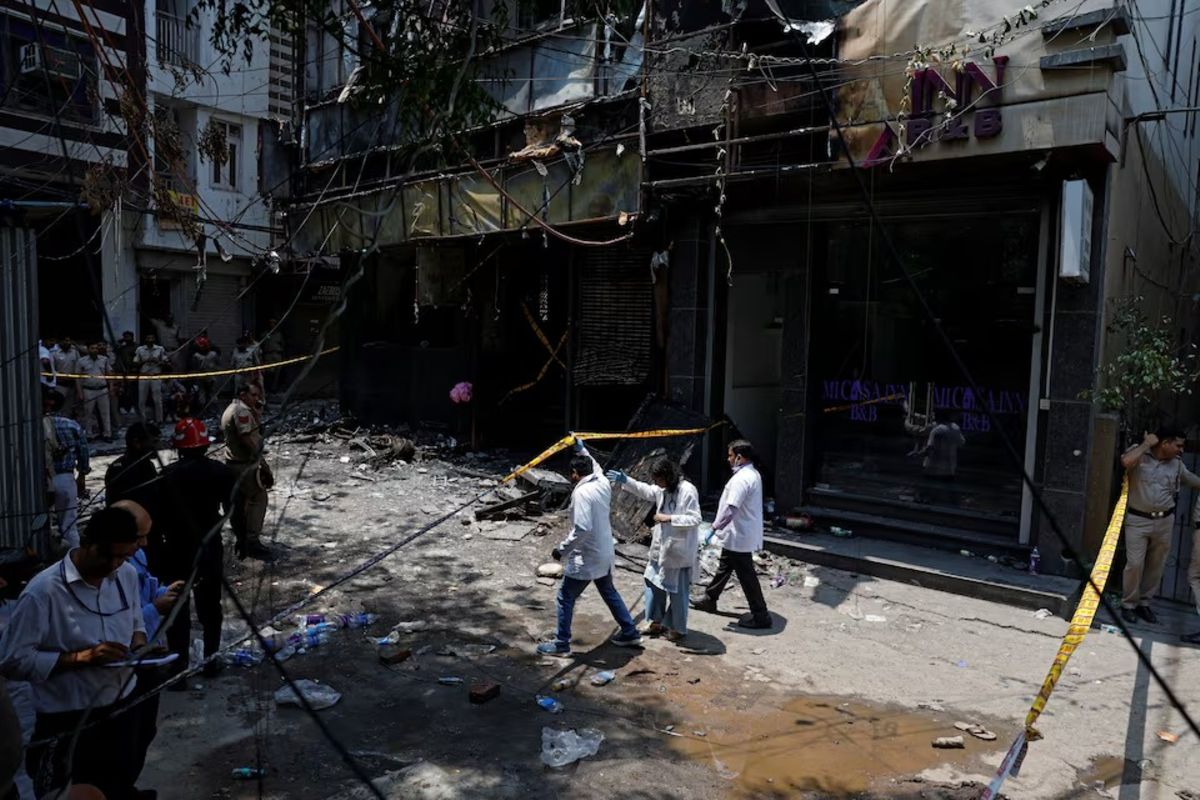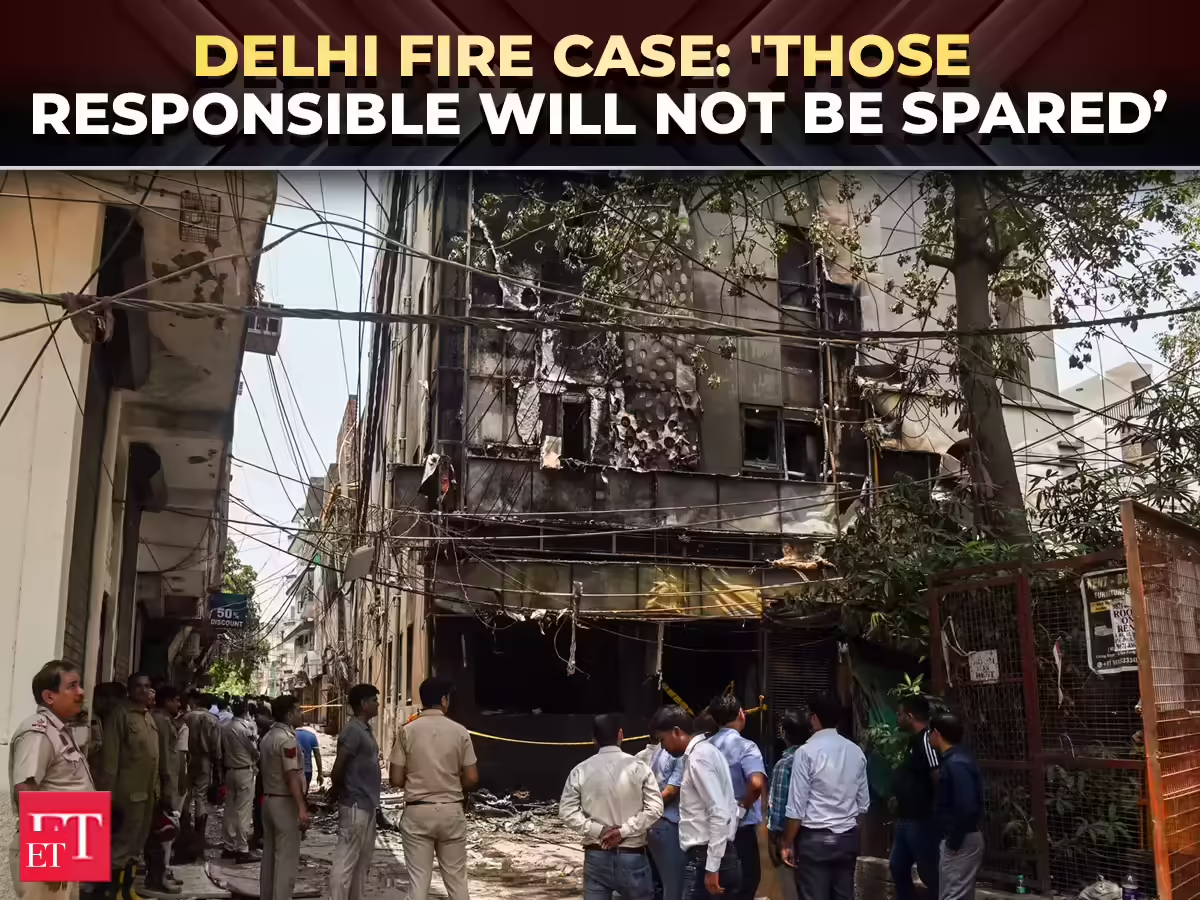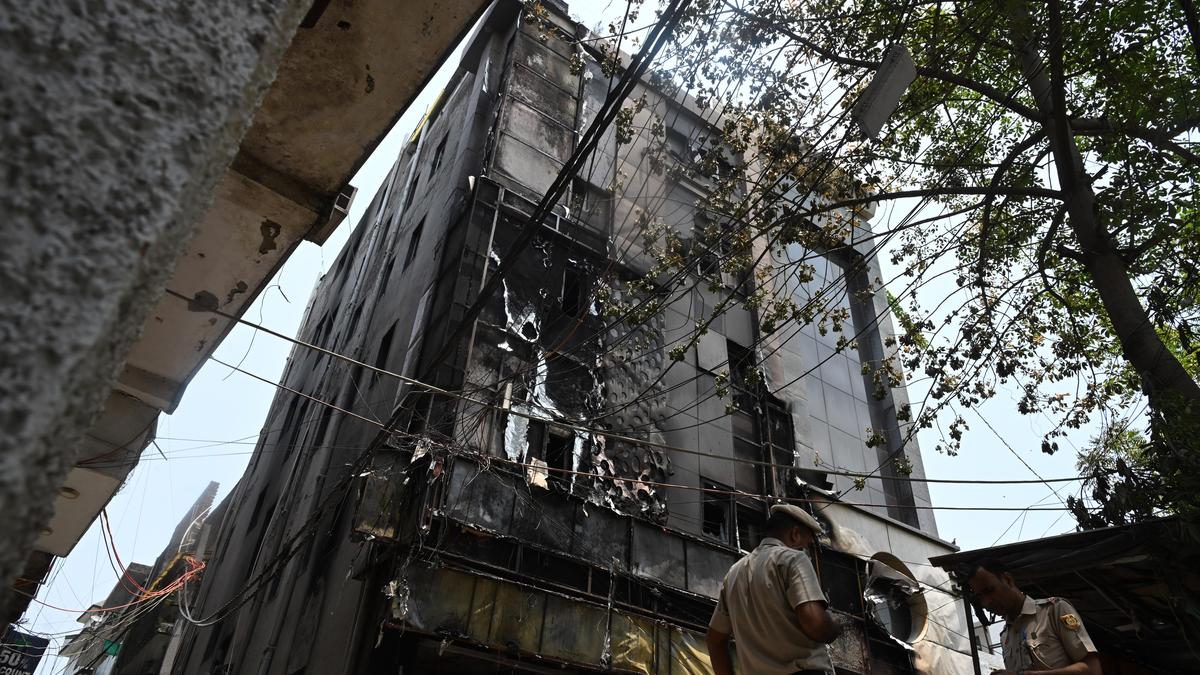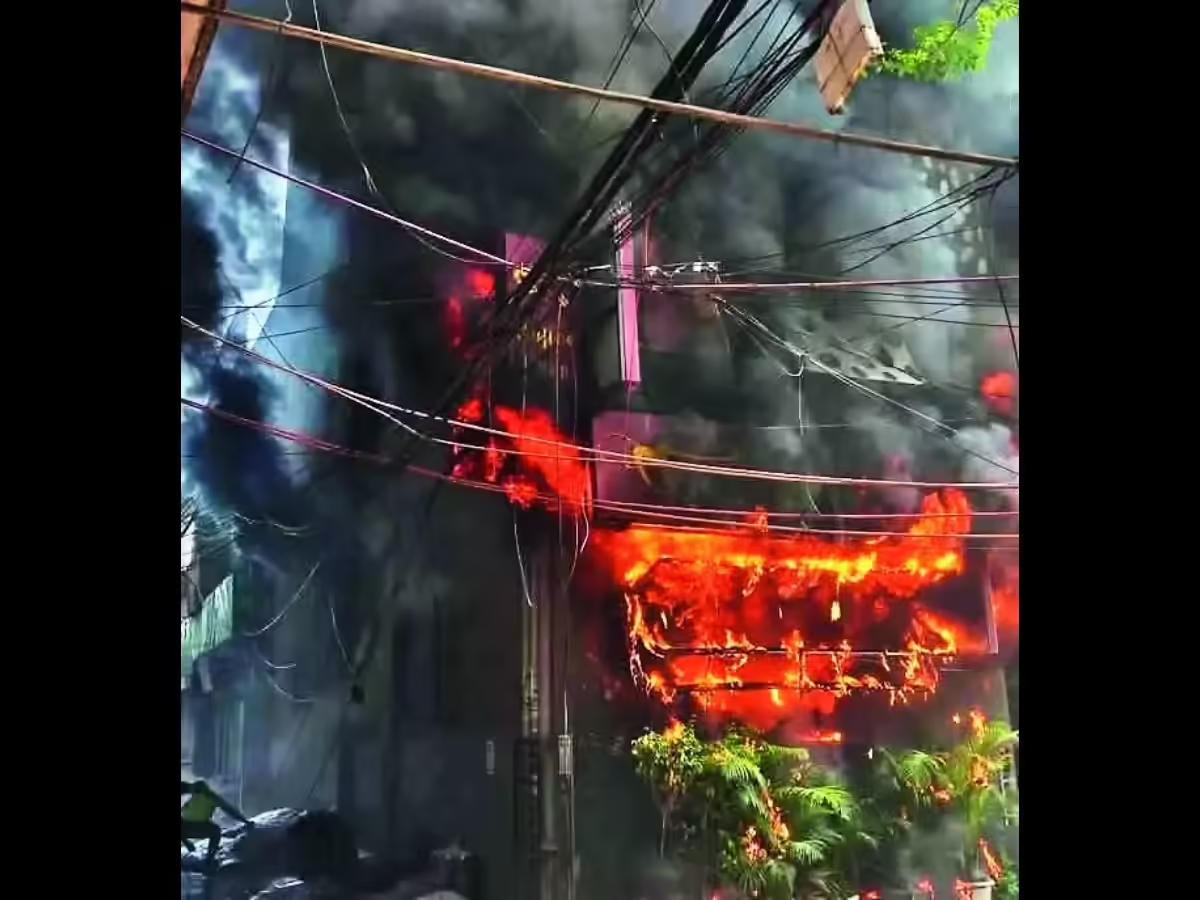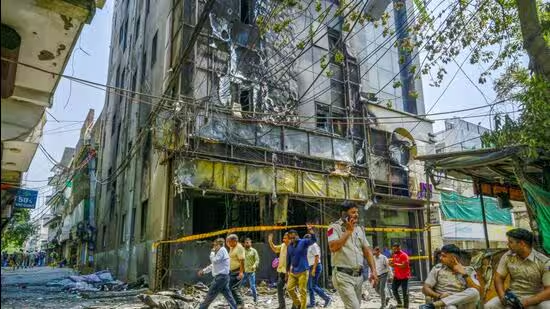
Fires in Delhi have become more than four times as deadly as they were a decade ago, according to Delhi Fire Service (DFS) data reviewed by HT. Overall fatalities have risen sharply, particularly over the past four years, with annual deaths increasing from 346 in 2020-21 to a record 1,452 in 2024-25.Officials at the spot amid investigation a day after the B&B fire. (RAJ K RAJ /HT PHOTO)But the most striking takeaway from the data is that deaths as a proportion of fire calls attended by DFS have surged from around 1% a decade ago to nearly 4% in recent years.Between 2014-15 and 2016-17, fatalities amounted to roughly one death for every 100 fire-related calls. Between 2023-24 and 2025-26 (data available till March 21, 2026), that figure rose to around four deaths for every 100 calls.In other words, DFS is not merely attending more emergencies – the fires it responds to are increasingly proving fatal, perhaps as a result of lax regulation and rampant violations.The figures, presented in an internal government review on Friday, show that while annual fatalities remained below 350 between 2014-15 and 2020-21, the number jumped to 591 in 2021-22 before crossing the 1,000-mark for the first time in 2022-23. Deaths subsequently rose to 1,303 in 2023-24 and 1,452 in 2024-25.Delhi home minister Ashish Sood on Friday said the government was examining changing patterns in urban fire risks. “Fire incidents and casualties have shown a rising trend in recent years... We have directed departments to strengthen awareness, preparedness and compliance with fire safety norms,” Sood said.To be sure, the big problem remains lax regulation and rampant violations – for instance, 21 people died in a fire at a B&B in Malviya Nagar because it had 26 rooms against the sanctioned six, and was operating a full-fledged restaurant without licence, lapses and violations that proper monitoring could have identified.AK Bhatnagar, who retired as a divisional officer in 2009 after 43 years in the DFS, said, it is a community effect and everyone needs to take accountability. “The effect of fires multiplies because approach roads are blocked, there is no road space available and cars are parked blocking fire tenders. Urban local bodies need to take ownership and conduct regular checks of violation of building laws and police need to keep track of other illegal activities,” he said.The review also points to a sustained increase in the overall workload of the fire service.Total fire calls received DFS -- a small proportion of which also relate to incidents such as drownings, collapses, animal rescue etc -- have gone up from 23,242 in 2014-15 to 36,568 in 2024-25, an increase of more than 57%. By March 21, 2026, the fire service had already attended 36,101 calls, with 1,365 deaths and 2,225 injuries reported.Officials said fire incidents have shown a long-term upward trajectory despite fluctuations in individual years. The number of calls crossed the 30,000-mark in 2016-17 and has largely remained above that threshold ever since, except during the Covid-19 pandemic period.The review also examined the severity of incidents attended by the department. In 2024-25, DFS recorded 20 medium-category fires and three serious-category fires.Officials noted that earlier years had witnessed comparable numbers of medium and serious incidents but significantly lower fatalities, suggesting that casualty figures are influenced by multiple factors, including occupancy levels, building design, emergency access, evacuation routes and overall fire load.The review concluded that while fire incidents have become more frequent and complex, the response system must evolve just as rapidly if the city is to reverse the steep rise in deaths witnessed over the past four years.
Delhi fires turned 4 times deadlier in a decade: DFS data
Delhi Fire Service data reveals a sharp rise in fatalities, with deaths as a proportion of calls increasing from 1% to nearly 4%. Lax regulation and violations contribute to the trend. | Latest News Delhi
598 words~3 min read