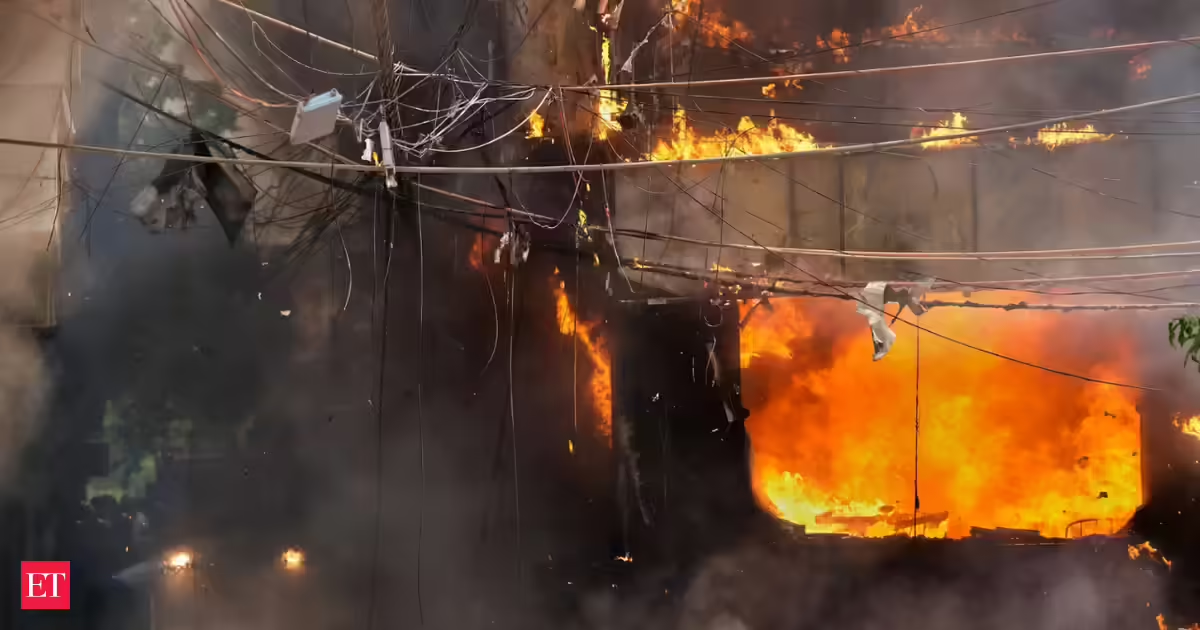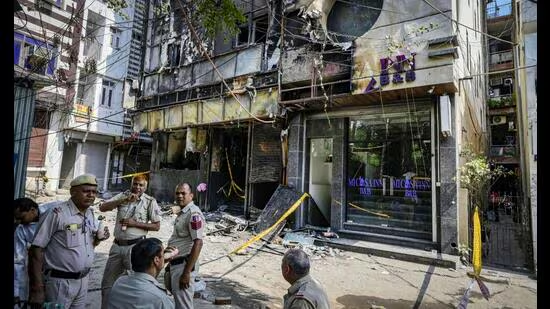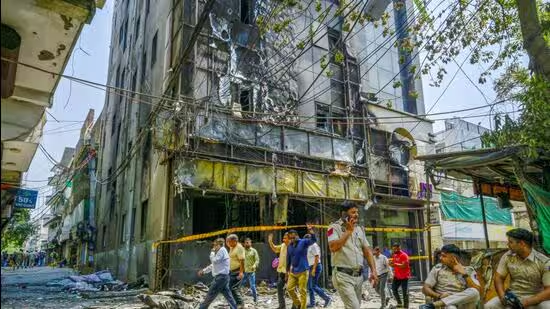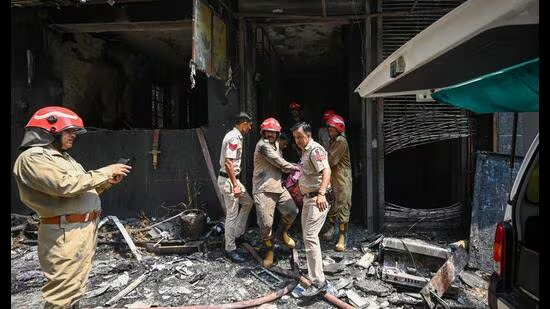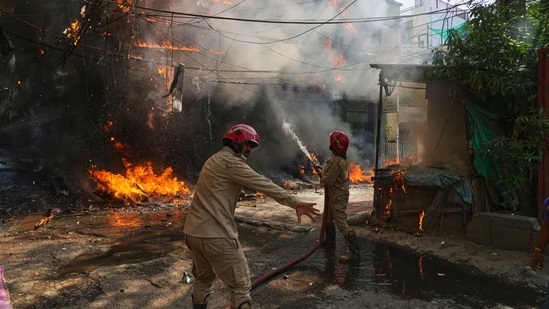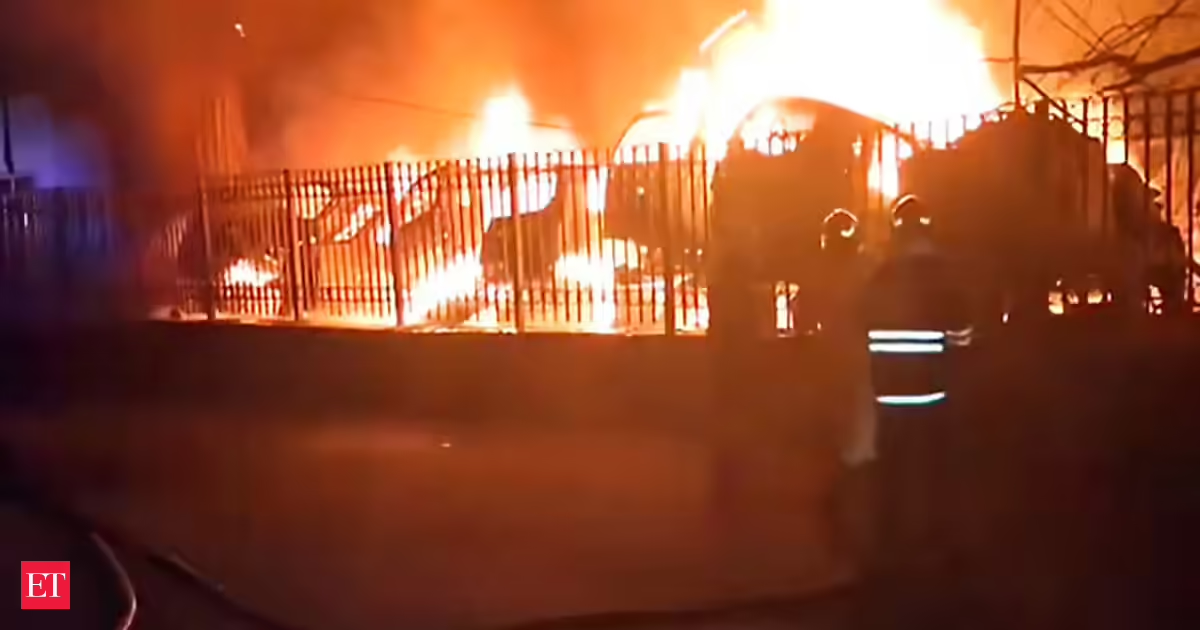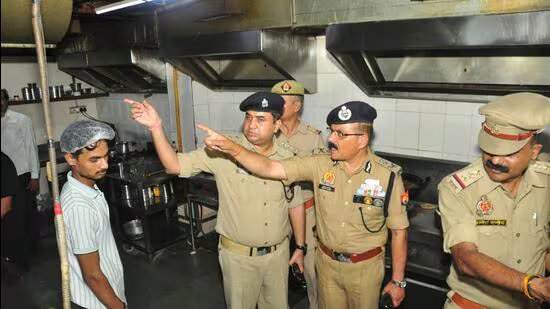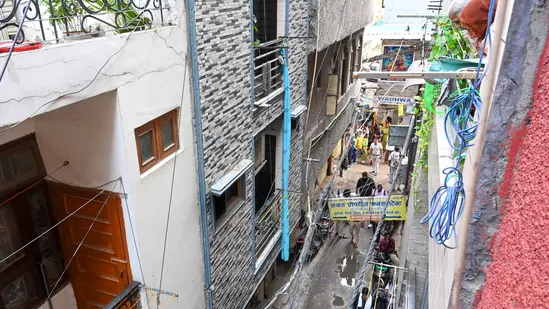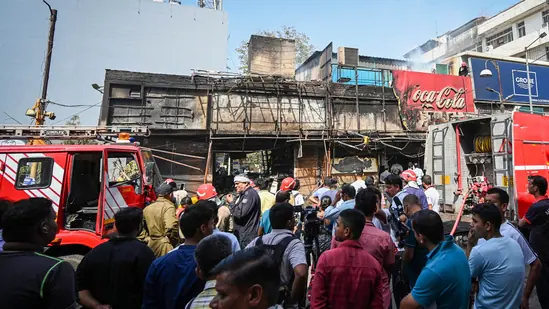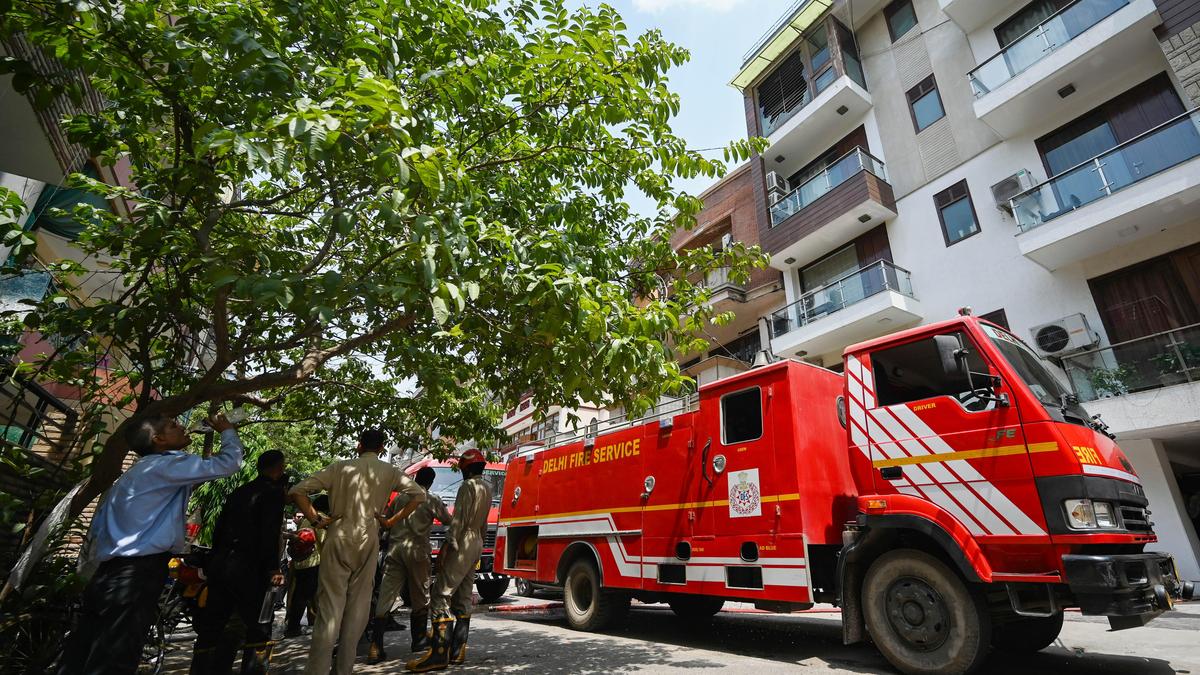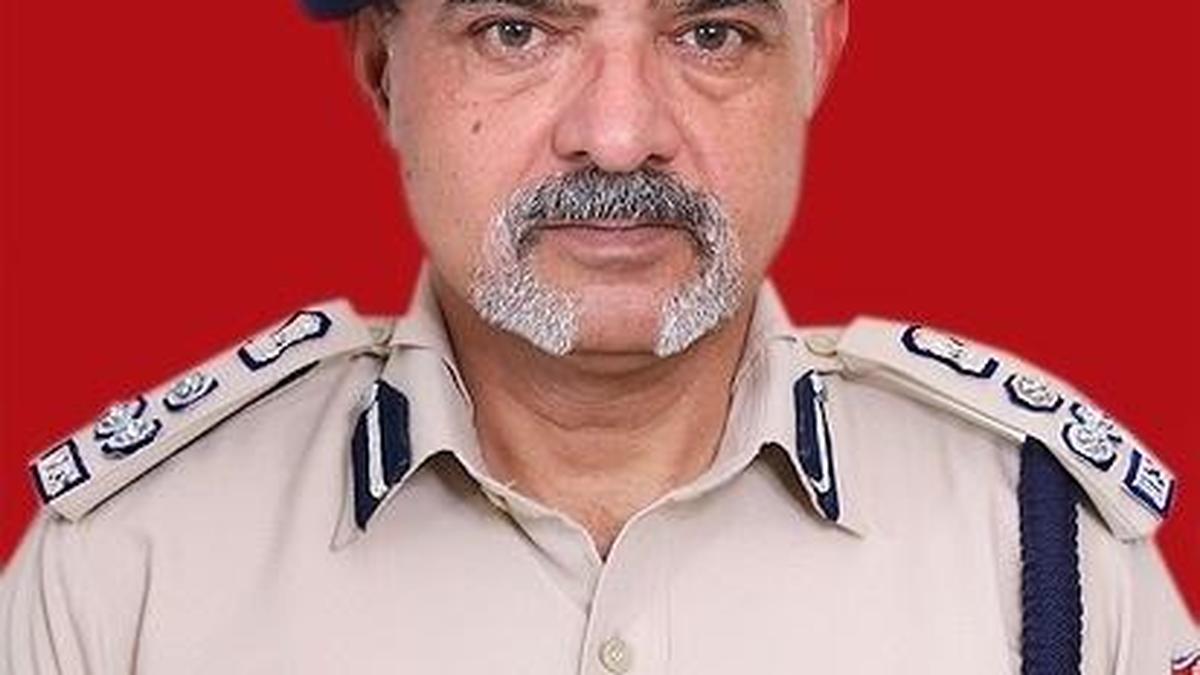
A five-minute response time for fire services in Delhi is “highly unrealistic” given the city’s rapid growth and traffic conditions, Delhi Fire Services (DFS) Chief Fire Officer Abhilash K. Malik told The Hindu on Tuesday, while also acknowledging manpower constraints.Taking stock of the June 3 blaze at the Flourish Stays bed and breakfast (B&B) in Malviya Nagar that led to the deaths of 22 persons, including at least a dozen foreign nationals, Mr. Malik outlined the factors that contributed to the fire’s rapid spread, the challenges faced by firefighters, and measures that could help prevent similar incidents in existing buildings.According to officials, the first call reporting the fire was received at around 8:50 a.m. from a resident named Shravan. Fire tenders reached the spot around 9:10 a.m., about 20 minutes after the call was received.Under guidelines issued by the Standing Fire Advisory Council of the Ministry of Home Affairs, the DFS is expected to achieve a response time of five minutes.Mr. Malik said the nearest fire station at Geetanjali Enclave, which normally houses two fire tenders, had no unit available when the fire broke out. “One was responding to a fire in Jonapur village, and the other was on standby elsewhere. Tenders had to be mobilised from other stations,” he said.“Given Delhi’s growth over the past few years and current traffic conditions, a five-minute response time is highly unrealistic,” Mr. Malik said, adding that despite that, it was an “excellent operation”. “If we had around 50 personnel on the ground, we could have rescued even more people from the building,” he said.At least 49 people were rescued from the fire and taken to nearby hospitals for treatment.The rapid spreadAccording to Mr. Malik, Flourish Stays B&B was “worse” than any other modern building.“Lower ceiling height, false ceilings and air-conditioning are things we encounter in every modern building that catches fire. But here, the rubber-sealed windows and a lack of ventilation trapped heat and smoke,” the DFS chief said.He explained that the most critical factor was the building reaching its “flashover point” in less than a minute — the stage at which all exposed materials in a room ignite simultaneously and act as fuel for the fire, and the temperature soars to 500–600 degrees Celsius. “In older buildings, the flashover point would be reached in 15–17 minutes. In modern buildings, it happens within three to five minutes. In this building, it may have occurred in less than a minute,” he said.Similarities with the Palam mishapMr. Malik said the incident shared similarities with the Palam fire in March, in which nine members of a family were killed, as access through the staircase was compromised.The Malviya Nagar building had more than 20 rooms, a decorative façade in the front, and only one staircase that opened onto the ground floor. The fire is believed to have started in the kitchen located adjacent to the staircase.“In buildings with a single staircase, the norm is to keep it completely free for movement. It should be separate from the basement staircase and should not contain additional fire hazards such as electricity or water metres, which was the case in the Palam fire,” he said.Strengthening fire safetyMr. Malik said the DFS has sought approval for an operational strength of 9,123 personnel across all ranks and has submitted a 25-year expansion plan to the Delhi government.The proposal includes the construction of at least eight new fire stations every year, upgrades to firefighting technology, and the procurement of additional equipment.The department has also proposed the “Har Ghar Surakshit” scheme, which aims to encourage the installation of fire safety equipment in existing buildings, he said.“The idea is to provide incentives for installing smoke detectors, water sprinklers and other fire safety measures. For example, there could be rebates on house tax for homeowners who install such systems,” Mr. Malik added.
Five-minute fire response time in Delhi ‘highly unrealistic’, says Chief Fire Officer
Delhi Fire Services Chief calls five-minute response time unrealistic due to city growth, traffic, and manpower challenges following tragic fire incident.
637 words~3 min read