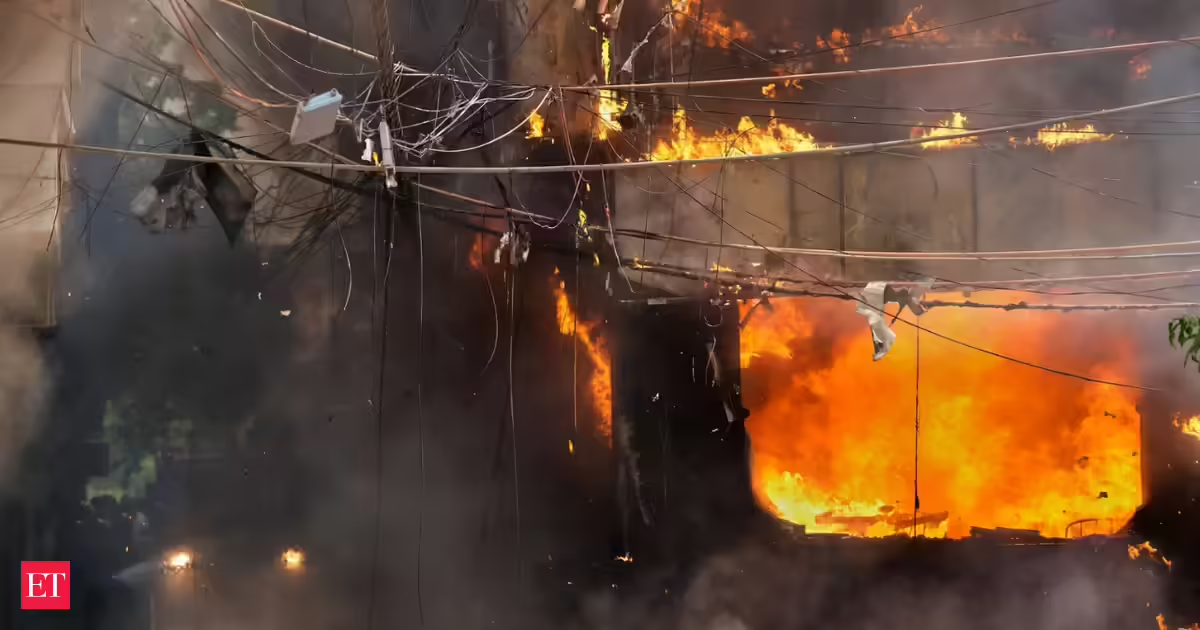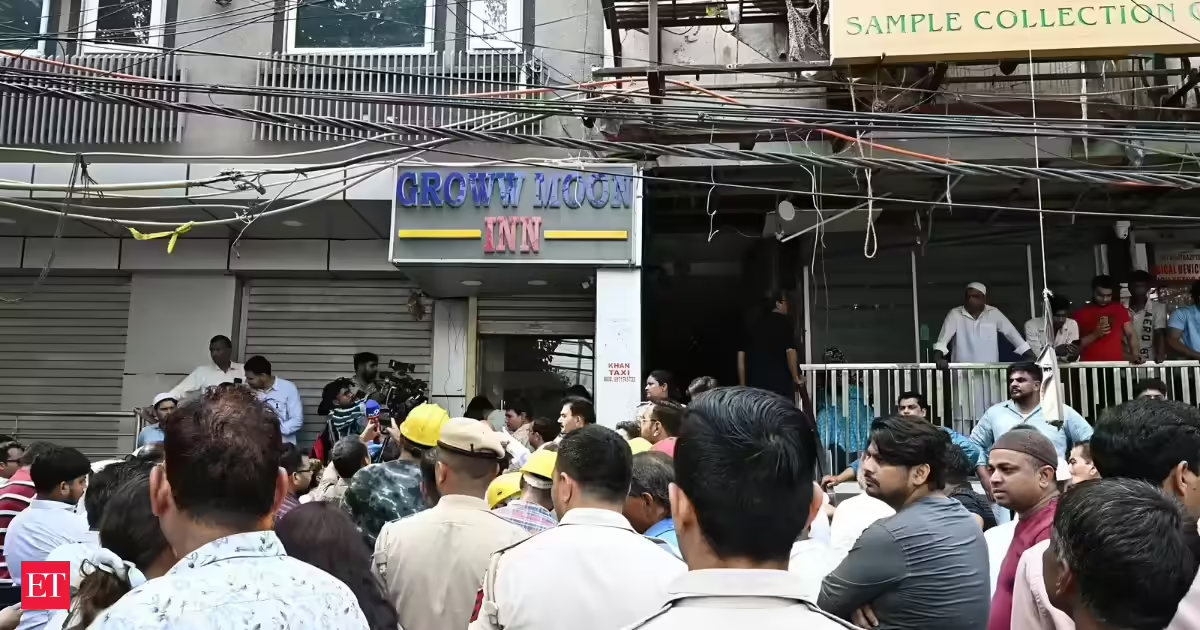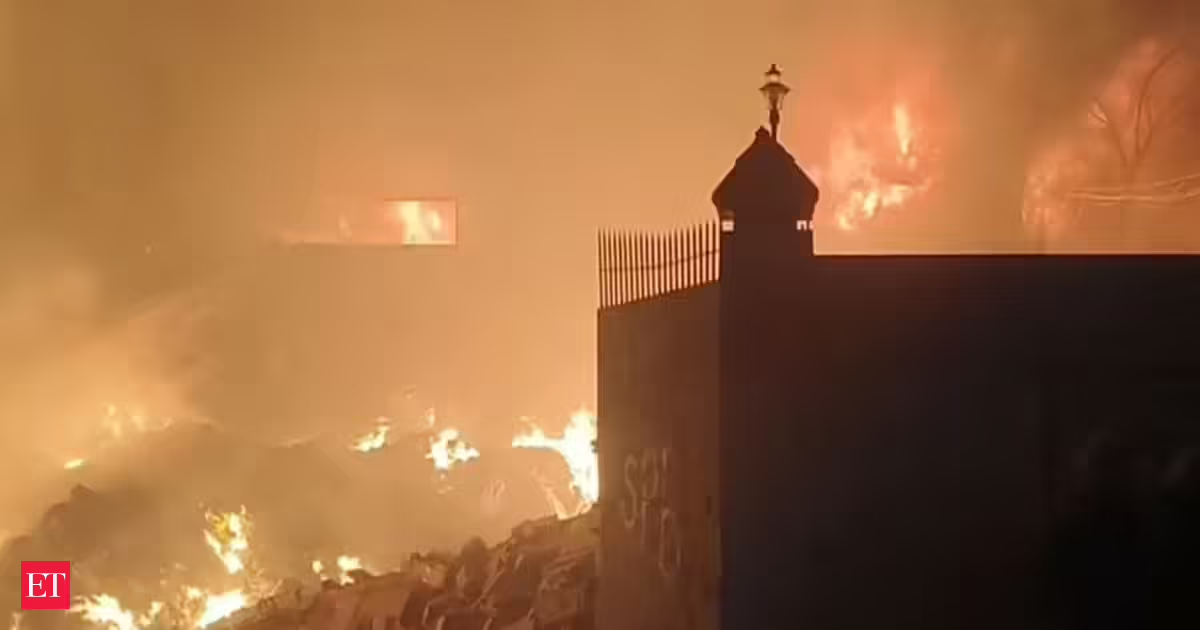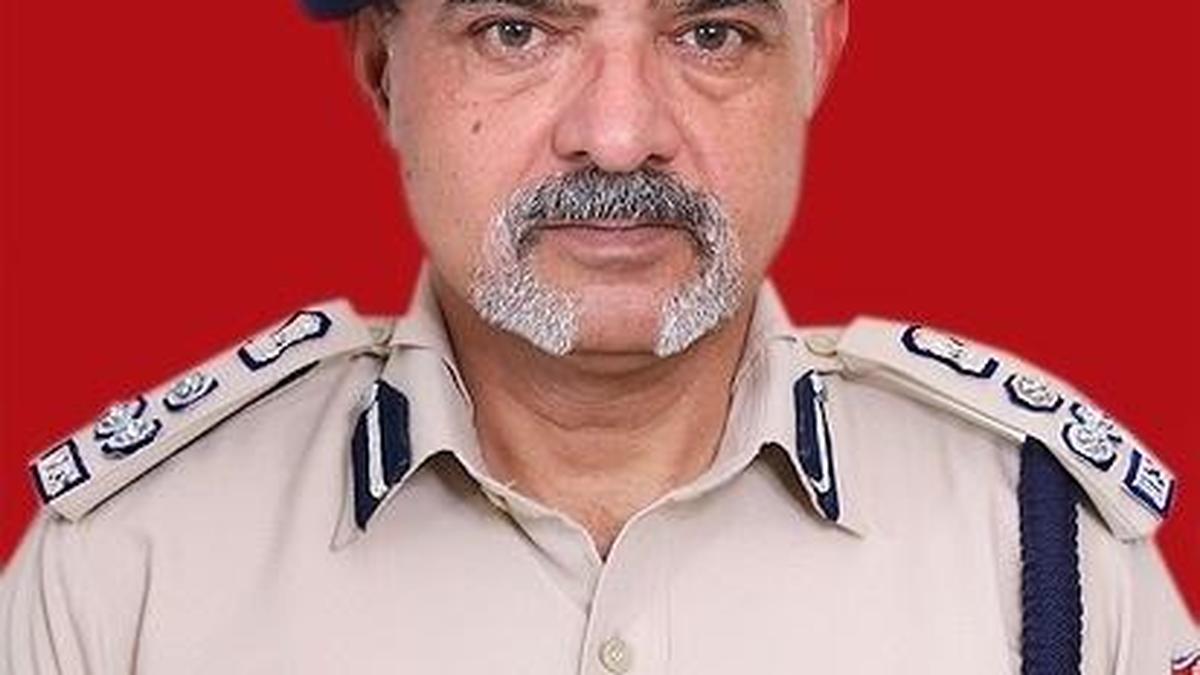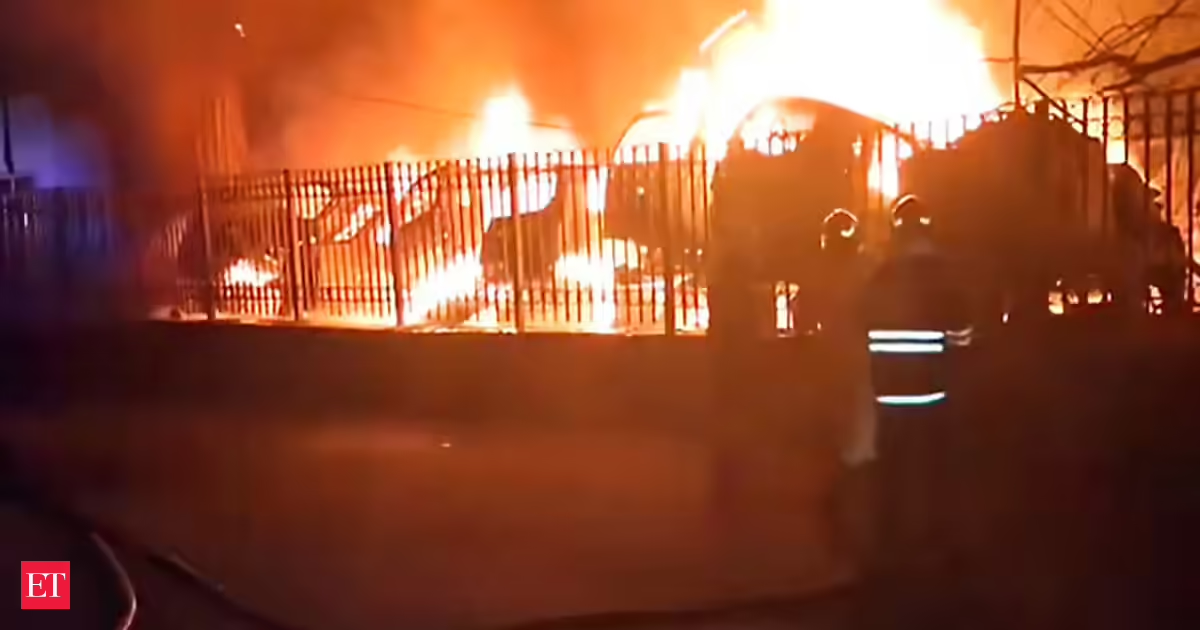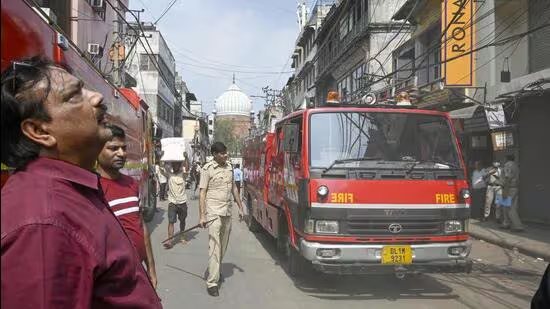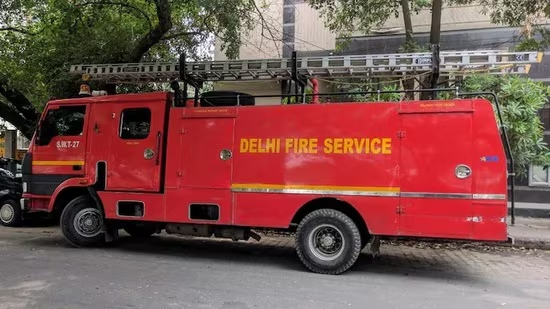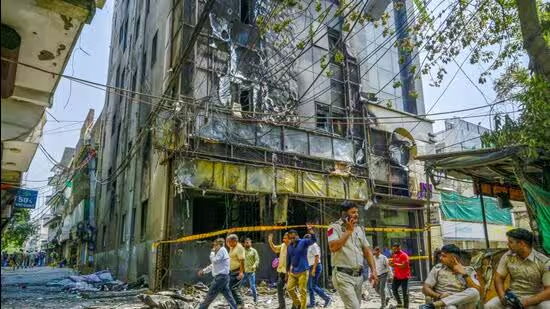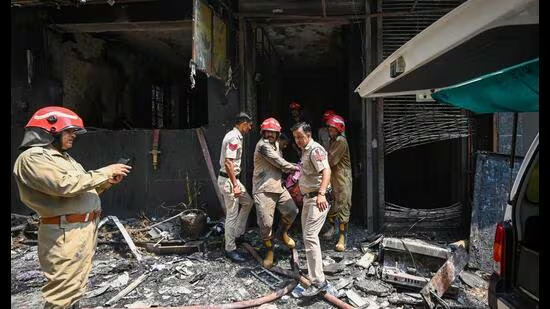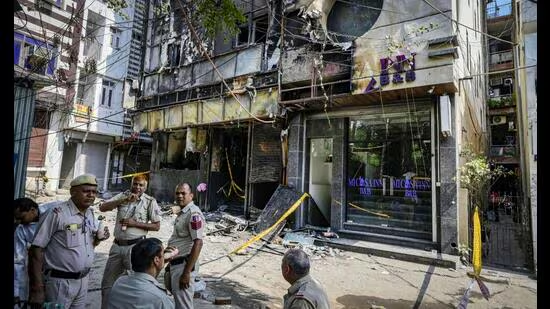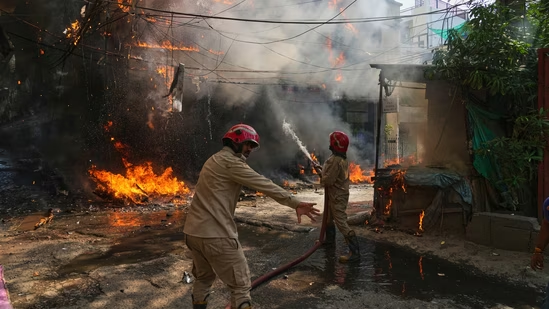
From Greater Kailash and Vasant Kunj to Narela and Bawana, the Delhi Fire Service (DFS) has identified 100 locations from where it receives the maximum fire calls and deployed additional firefighting as well as quick response vehicles (QRV) to those areas in a bid to improve response times, according to officials aware of the matter. This comes in the aftermath of the Hauz Rani fire, one of the deadliest in the Capital, which once again highlighted that a delay in timely rescue can increase the chances of fatalities and critical injuries.On June 3, during the fire at a B&B in the Malviya Nagar area that killed 23 people. (AP)The hotspots were identified through an analysis of fire calls over the past five years, which was started three months ago and recently concluded. It found, for instance, that many building collapses and fires in small shops were reported from Gandhi Nagar and Chandni Chowk; house fires from Greater Kailash, Defence Colony and Vasant Kunj; JJ cluster fires from Burari, Bhalswa Dairy and Adarsh Nagar; and factory fires from Narela, Bawana, Wazirpur.According to a document outlining these measures, seen by HT, using this information, fire tenders have been redistributed in accordance with type of calls received from a particular area.Also Read| Malviya Nagar blaze: AAP calls for 'firm action' against MCD officials, recalls 2019 hotel fireFor instance, at Paschim Vihar, Chanakyapuri, Moti Nagar and Bawana fire stations, where factories are in close proximity and there is a higher possibility of fires involving chemicals and inflammable liquids, one bulk foam tender has been sent to each location. Similarly, at fire stations in Vasant Kunj, Jasola, Safdarjung and Mathura Road, a water bowser with over 20,000 litres of water in the tank has been deployed.Chief fire officer AK Malik said, “The hotspot mapping exercise has helped us understand where different types of emergencies are most likely to occur and deploy resources accordingly. Despite limitations in manpower and vehicles, we are optimising the available fleet through scientific analysis and by positioning quick response vehicles at strategic locations alongside PCR units.”Currently, the DFS has 85 small water tenders, 20 water tenders, 66 water bowsers, 10 bulk foam tenders, six dry chemical powder tenders and 11 motor pumps. It also has 24 QRV, which have now been stationed at spots including Burari Chowk, Dhaula Kuan Metro station, under the Sarai Kale Khan flyover and Khanpur T-Point, the document showed.The decision to stand QRVs with PCR vans was made at a recent meeting with the home department, said a senior DFS official. “The PCR vans usually reach the spot within six to eight minutes of a call. The QRV can reach along with the PCR.”Other hotspots, according to the document include Sangam Vihar, Neb Sarai and Malviya Nagar in south Delhi; Kalindi Kunj, Jaitpur and Jamia Nagar in southeast Delhi; Palam Village in southwest Delhi; and Anand Parbat, Nabi Karim and Patel Nagar in central Delhi.While specific details of the fire calls from these areas were not immediately available, according to official data, the number of calls received by the DFS has gone up to 36,568 in 2024-25 from 23,242 in 2014-15.By March 21 this year, DFS had already attended 36,101 calls, with 1,365 deaths and 2,225 injuries reported. A small proportion of these are also unrelated to fire, including incidents such as drownings, collapses and animal rescues.HT has previously reported that there are severe gaps in Delhi’s firefighting infrastructure, manpower, and emergency response systems despite rising fire incidents across the city.On June 3, during the fire at a B&B in the Malviya Nagar area that killed 23 people, nearly 20 critical minutes may have been lost in the response after the nearest fire station in Geetanjali was unable to dispatch a fire tender because of an ongoing fire-control operation and a shortage of personnel, officials familiar with the matter had told HT.
GK, Malviya Nagar, Defence Colony among 100 ‘fire hotspots’: Delhi Fire Service
From Greater Kailash and Vasant Kunj to Narela and Bawana, the Delhi Fire Service has identified 100 locations from where it receives the maximum fire calls | Latest News Delhi
645 words~3 min read