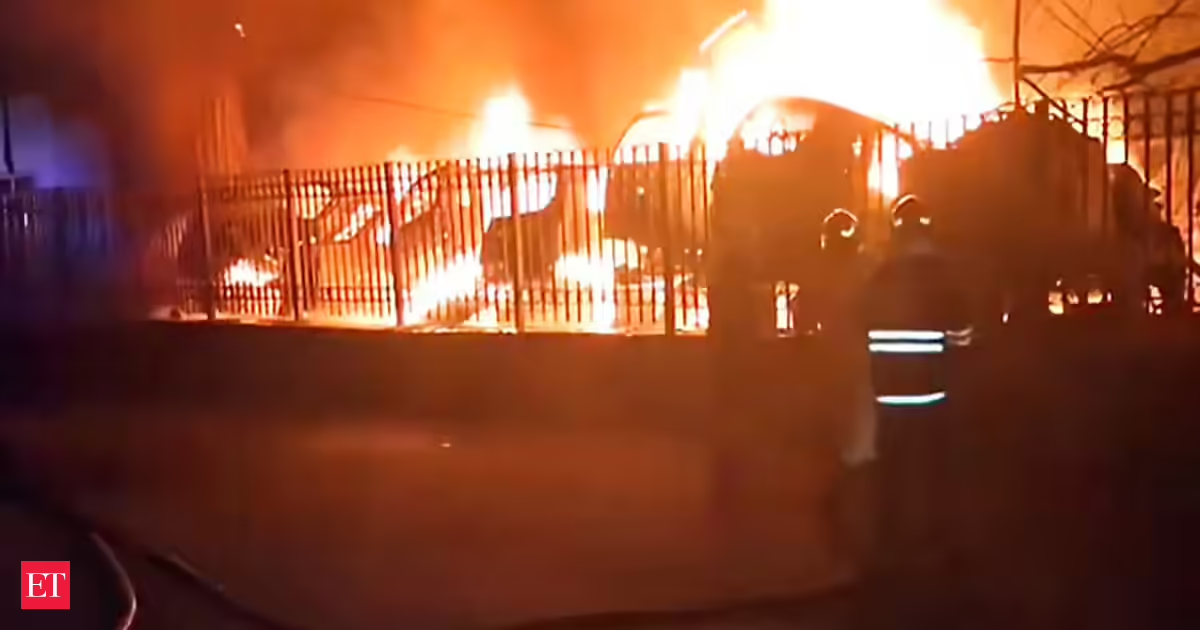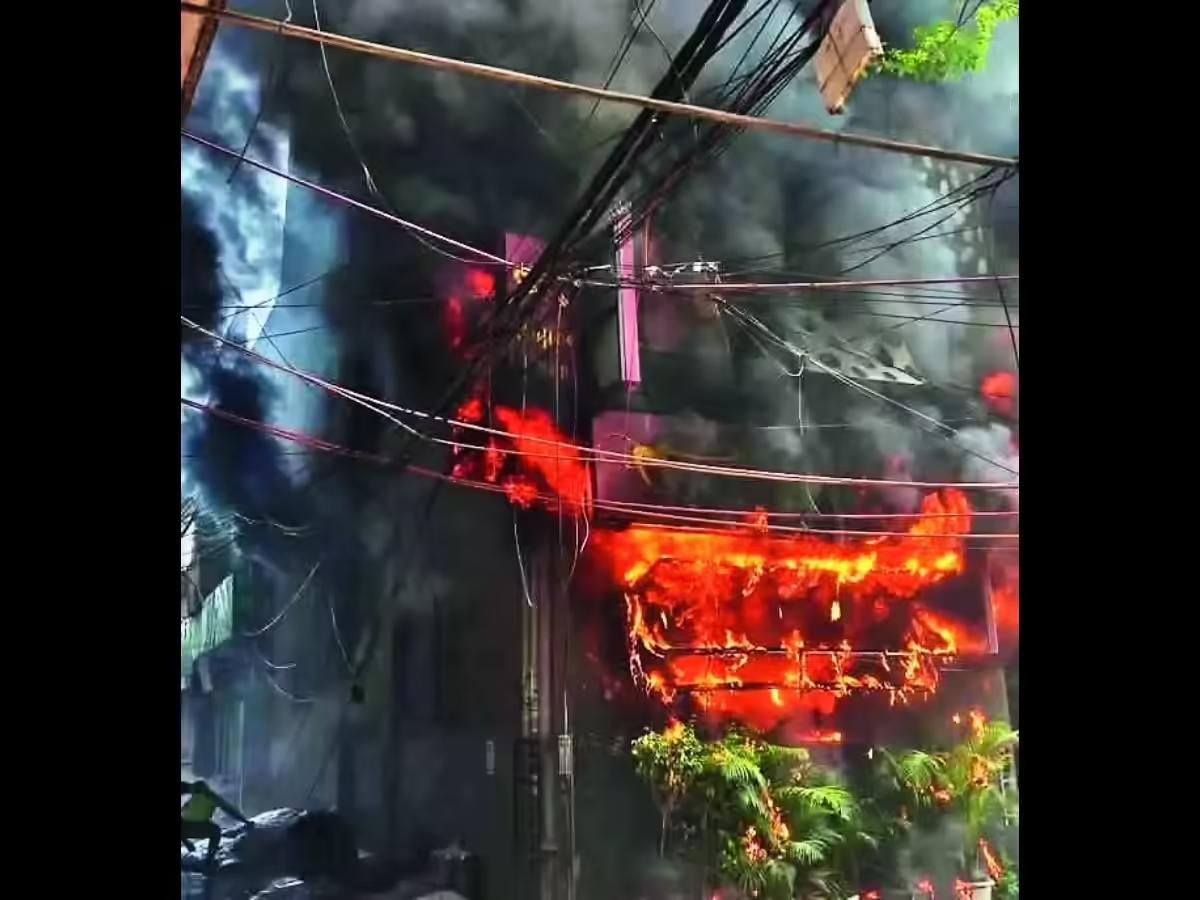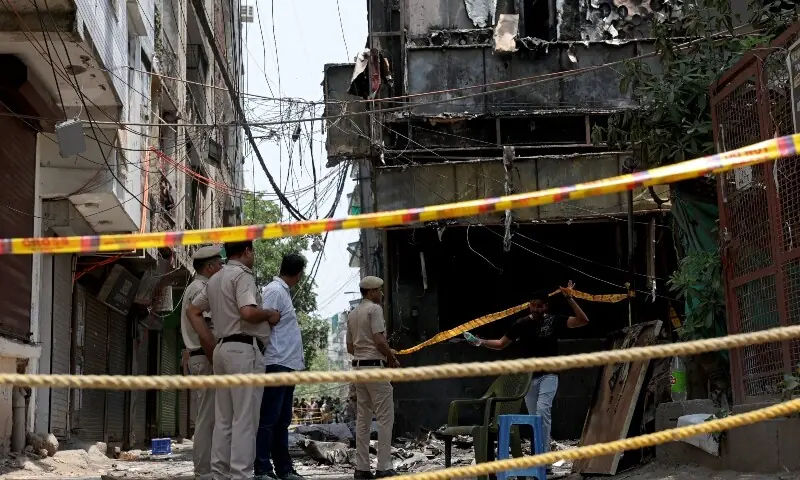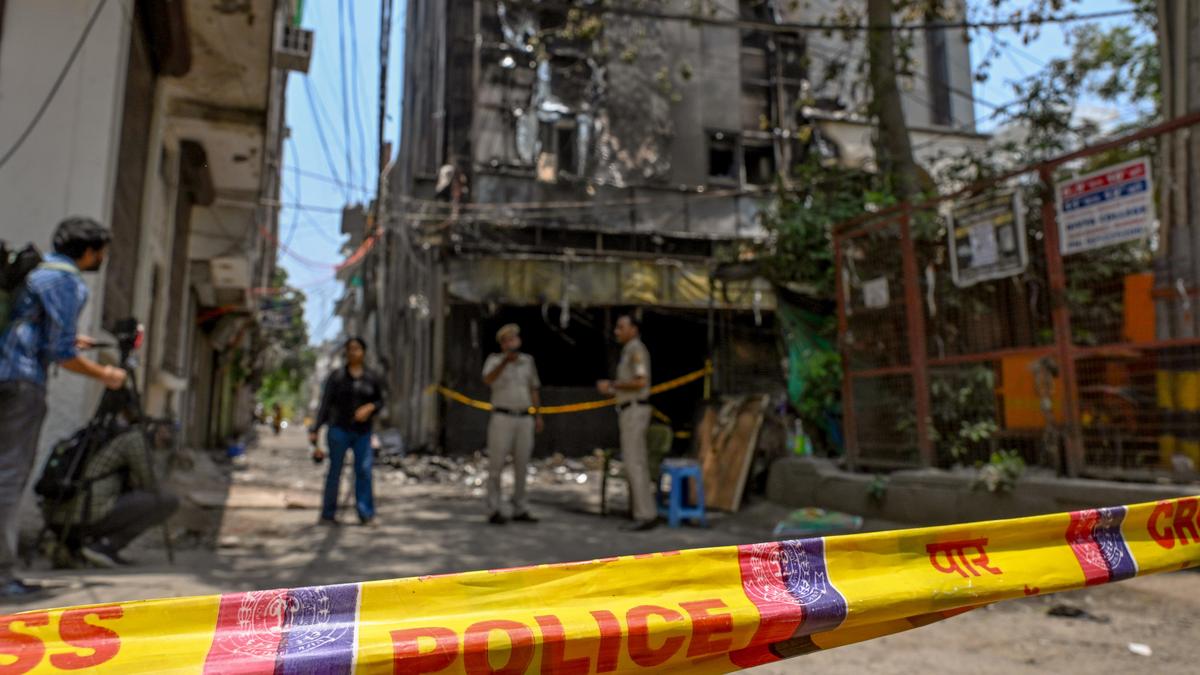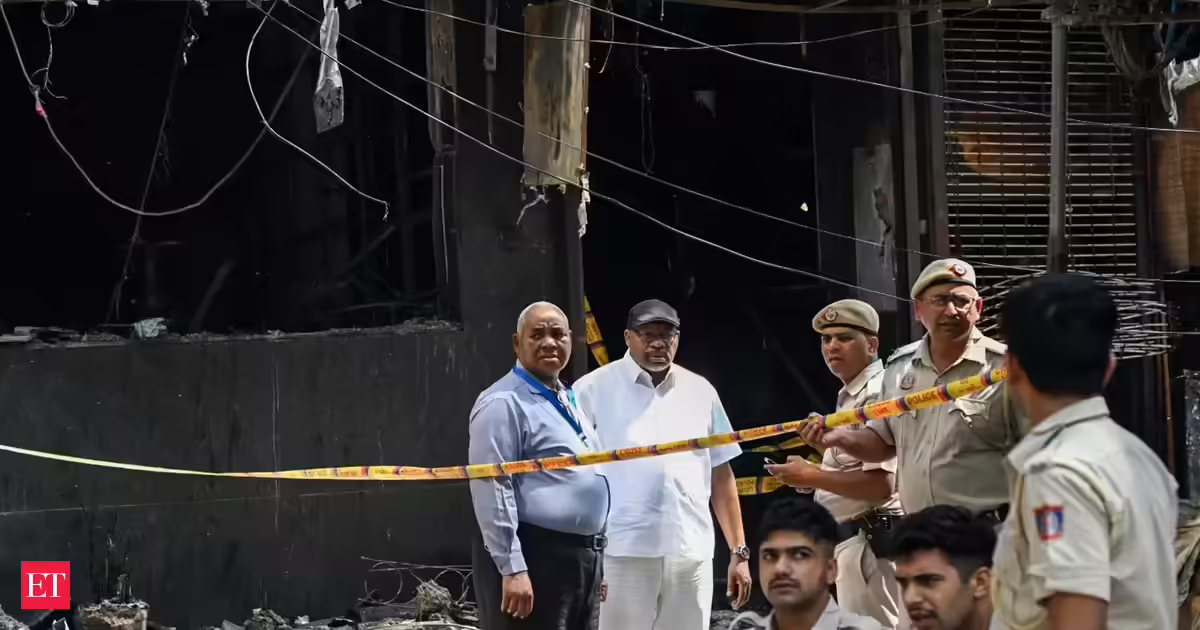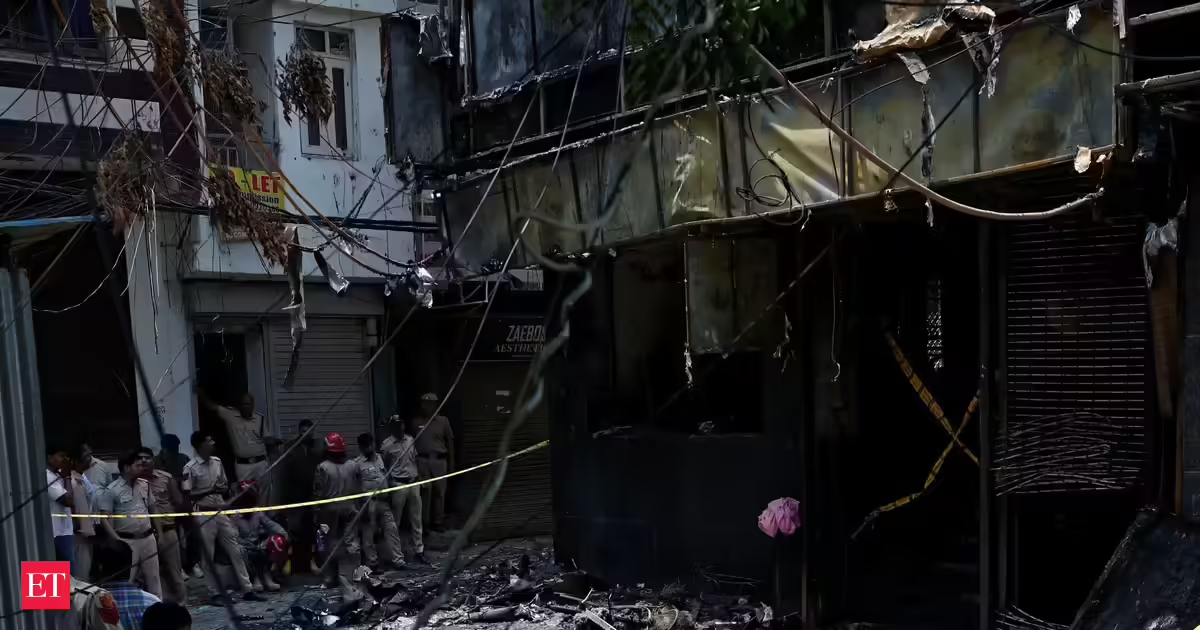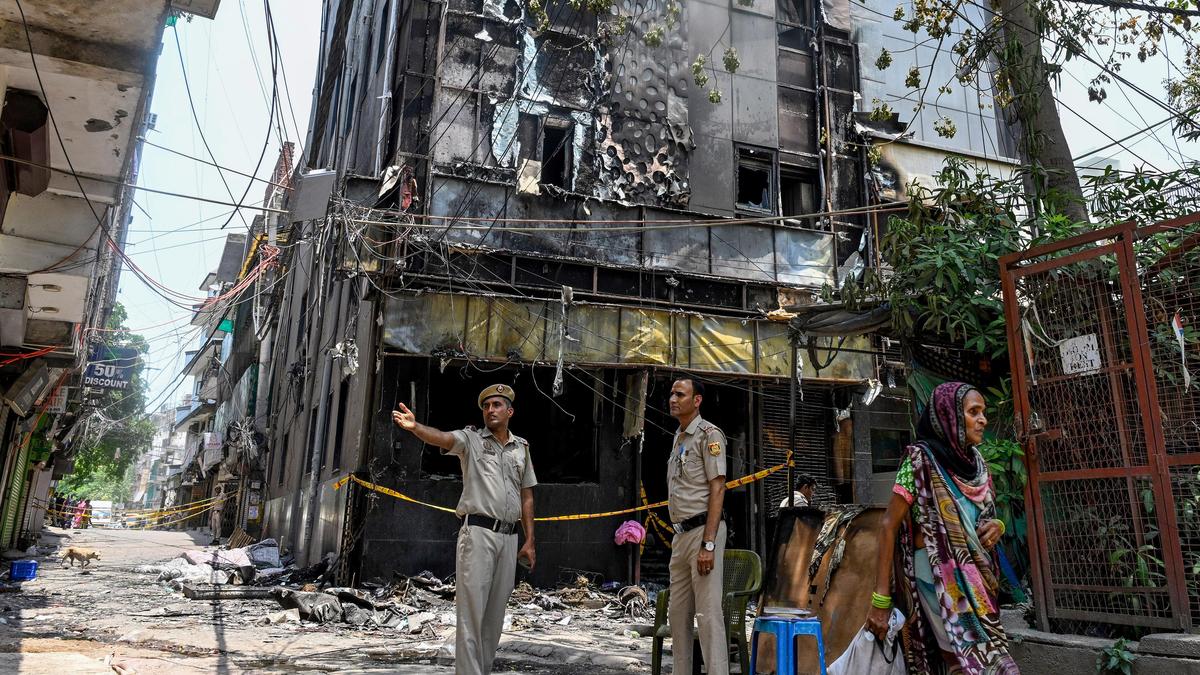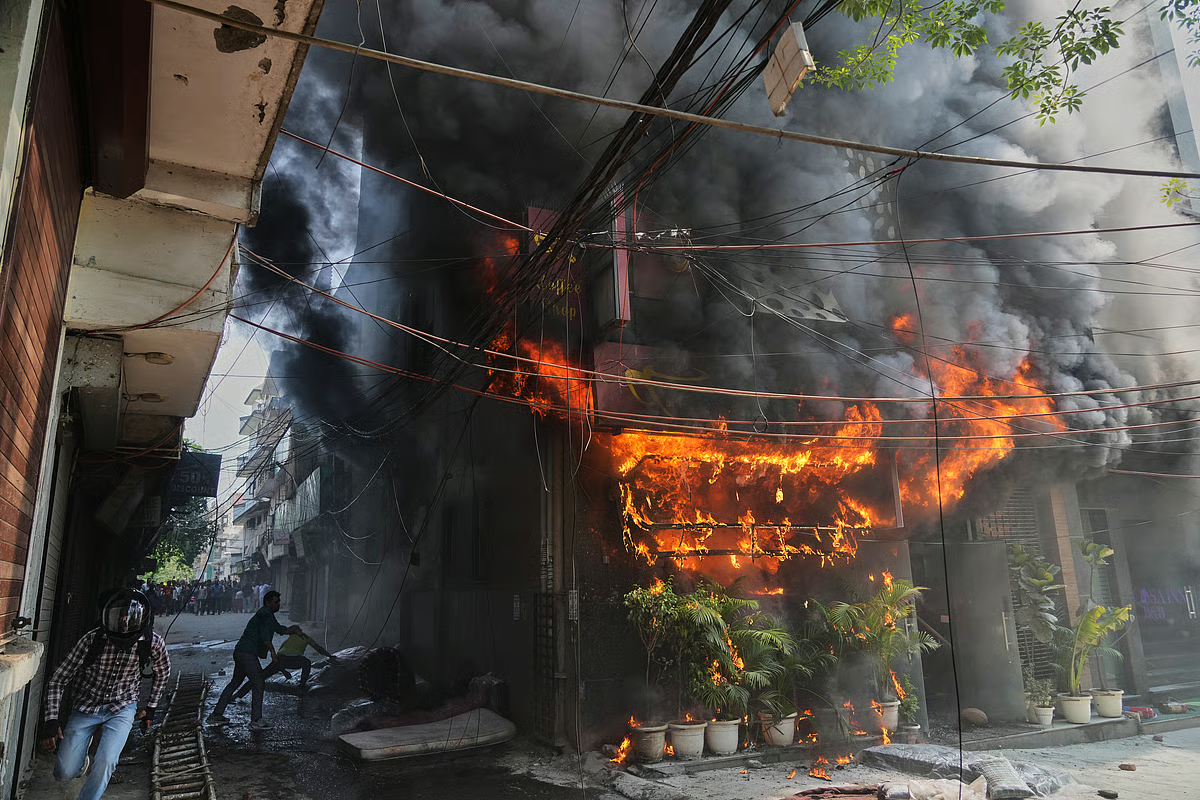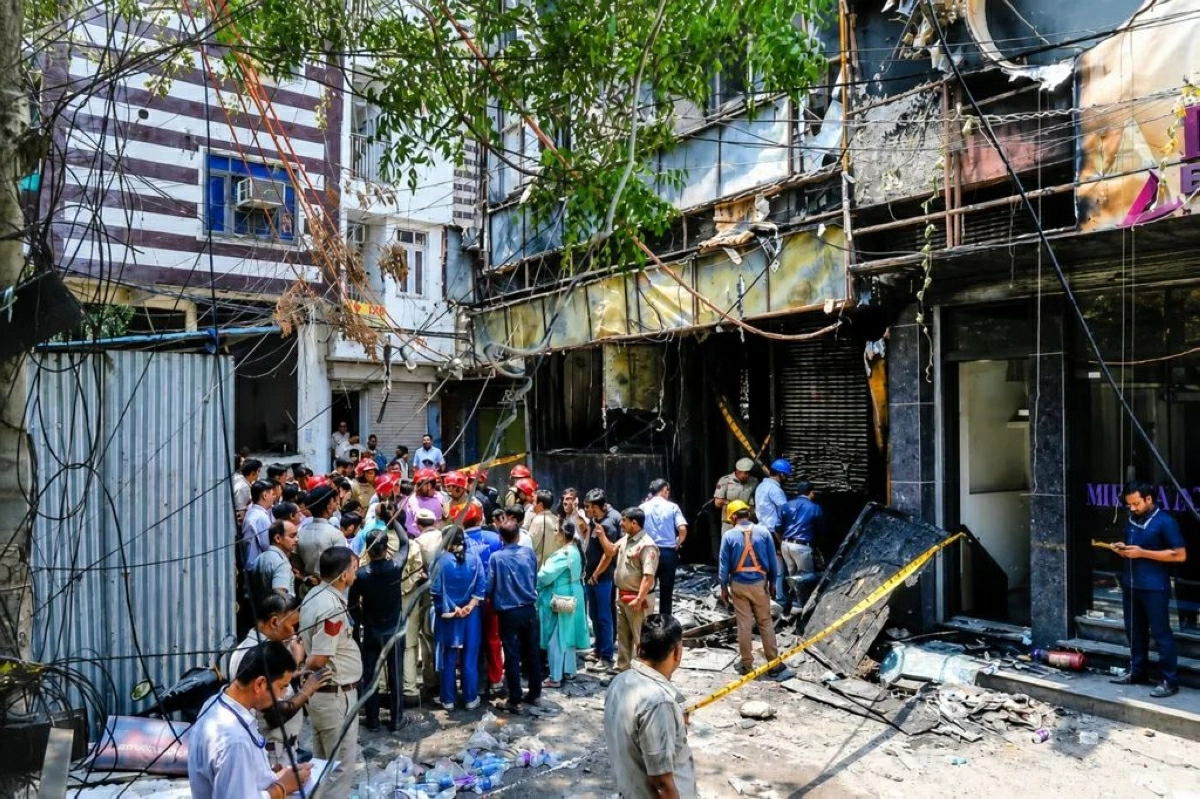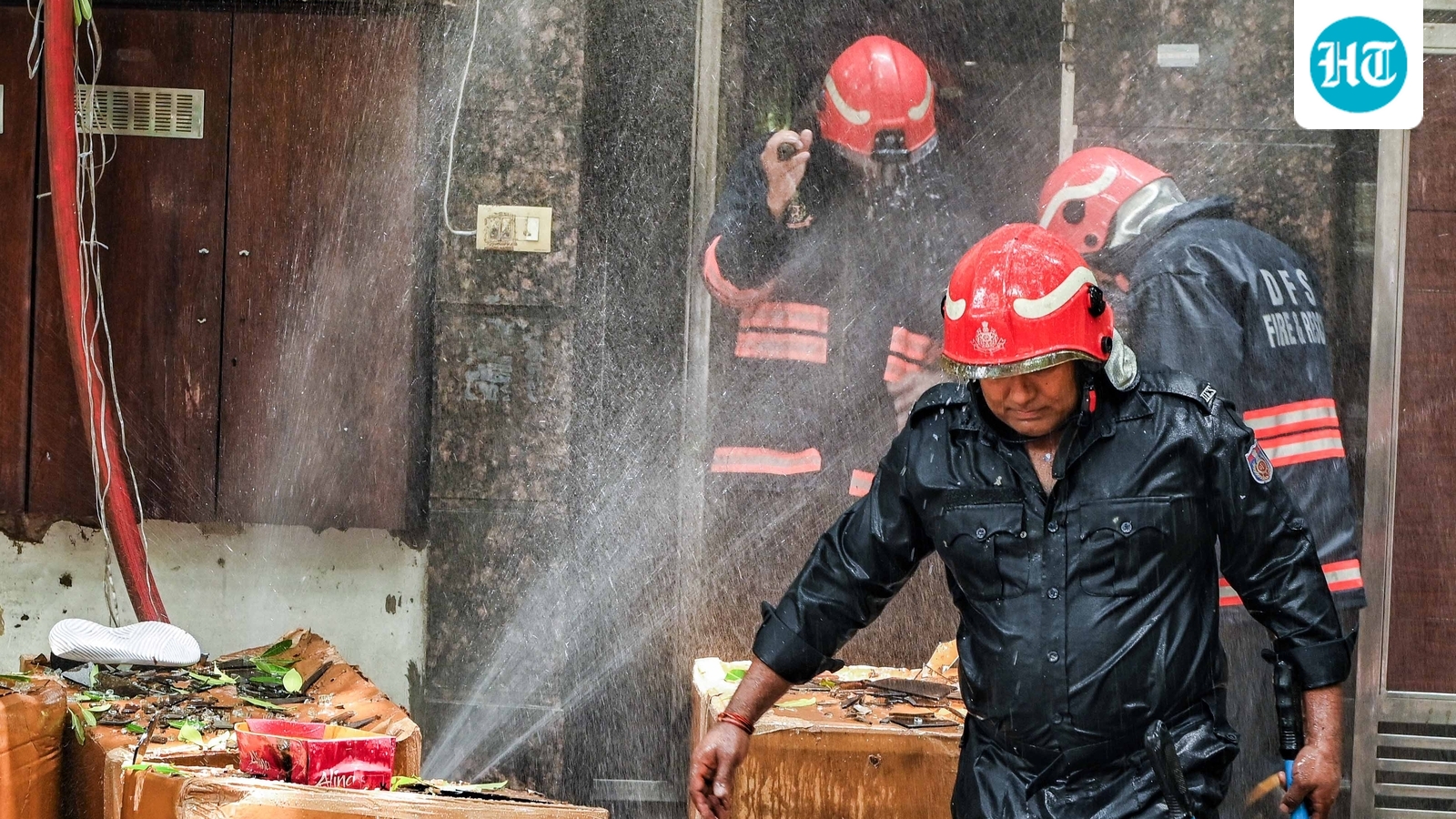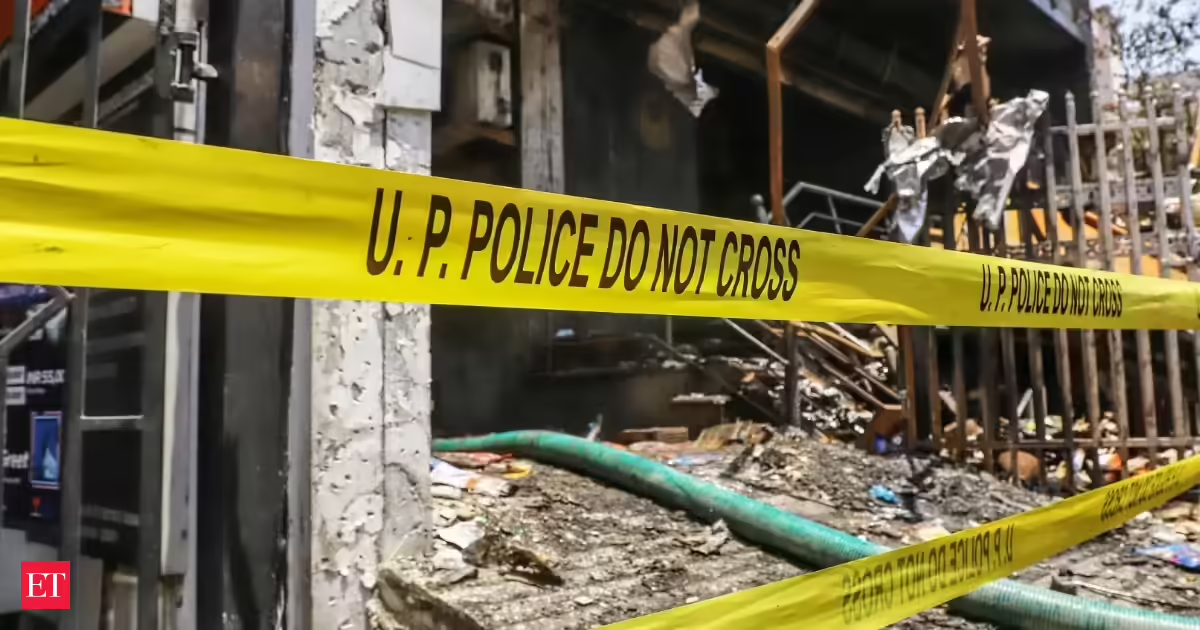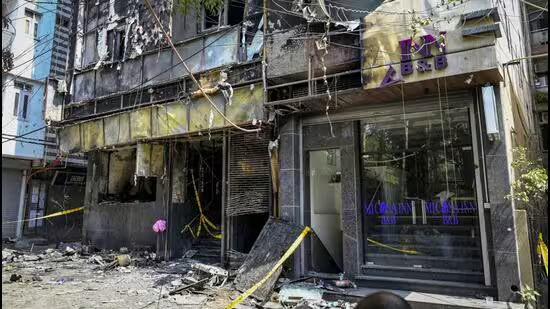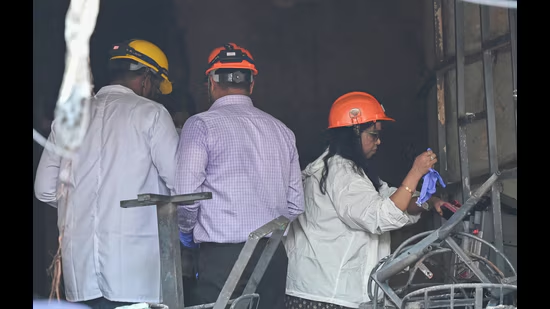
As Delhi grapples with yet another deadly fire tragedy, past incidents – most notably a massive blaze in a four-storey building at Palam Colony in March that killed nine people – show a familiar pattern: inquiries are announced, officials promise accountability, but little appears to change on the ground.A forensic team at the site where a fire at a five-storey building at Hauz Rani killed at least 21 people on Wednesday morning. (Sonu Mehta/HT Photo)On Wednesday, chief minister Rekha Gupta sought a detailed report from the South Delhi district magistrate into the Hauz Rani B&B fire that killed at least 21 people. She warned of stern action against anyone found responsible.The announcement, however, echoes responses that have followed several major disasters in the Capital over the years.The most recent example came after a March 18 fire in a commercial-cum-residential building in southwest Delhi’s Palam Colony. The blaze killed nine members of a family, including three children. Within two hours, the Delhi government ordered a magisterial inquiry and sought a report within 48 hours.Months later, however, the inquiry report is yet to be made public. Officials familiar with the matter said the deadline has been extended multiple times.The Palam fire was one of the deadliest incidents in the city this year before the Hauz Rani tragedy. Another major blaze on May 3 in east Delhi’s Vivek Vihar claimed nine lives in a multi-storey residential building.Delhi’s recent history is littered with similar disasters, many of which exposed glaring safety violations, blocked exits and weak enforcement.The deadliest remains the June 13, 1997, Uphaar Cinema fire in Green Park, which killed 59 people and injured more than 100 during a screening of the film Border. Investigations found that illegally installed extra seats and blocked escape routes contributed to the high death toll. The tragedy triggered nationwide outrage and prompted calls for sweeping reforms in fire safety and building regulation.Despite that watershed moment, deadly fires continued.On November 20, 2011, at least 18 people were killed, and over 60 were wounded after a major fire broke out at a packed community centre in east Delhi’s Nand Nagri area. An all-India gathering of eunuchs was underway at the community centre when the fire broke out and quickly engulfed the entire building.Seven years later, on March 22, 2018, a massive fire in a multi-storey factory in outer Delhi’s Bawana industrial area claimed 17 people, including 10 women, and left many others injured. The three-storey building was registered as a plastic factory but was used illegally as a unit to package and store firecrackers, a police investigation had revealed.A year later, on February 12, 2019, a massive fire broke out in Hotel Arpit in central Delhi’s Bawana, claimed congested Karol Bagh and killed 17 people, including a child and a woman. The authorities blamed building owners for flouting construction regulations. On December 8, 2019, a devastating fire killed 43 people in an illegal factory in north Delhi’s congested Anaj Mandi. Most of the deceased were migrant workers who were sleeping inside. Investigators highlighted overcrowding, blocked exits, and gross fire safety violations.On May 25, 2024, a fire ripped through a neonatal hospital in Vivek Vihar, killing seven new born babies. The fire was first reported at 11.32pm, nearly half an hour after it began. By the time, Delhi Fire Service reached the Baby Care Nw Born hospital, the building was engulfed, and 12 newborns were trapped inside. All were rescued and rushed to East Delhi Advance NICU nearby. Six babies were declared dead shortly after, while a seventh died a week later.In May 2022, a massive fire at a multi-storey commercial building in outer Delhi’s Mundka killed 27 people and injured dozens. The building housed offices and manufacturing units, and many victims were trapped on upper floors as flames rapidly spread through the structure while a seminar was taking place.
Fatal fires haunt Capital in absence of accountability
Delhi faces recurring deadly fires with promises of accountability but little change. Recent tragedies highlight safety violations and weak enforcement. | India News
640 words~3 min read