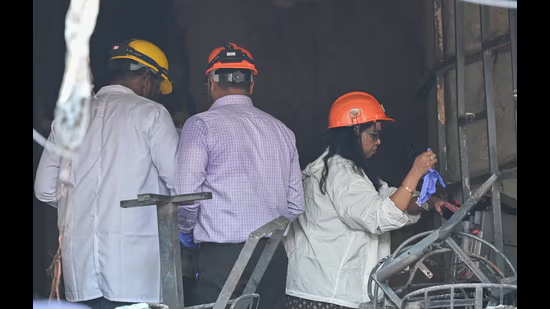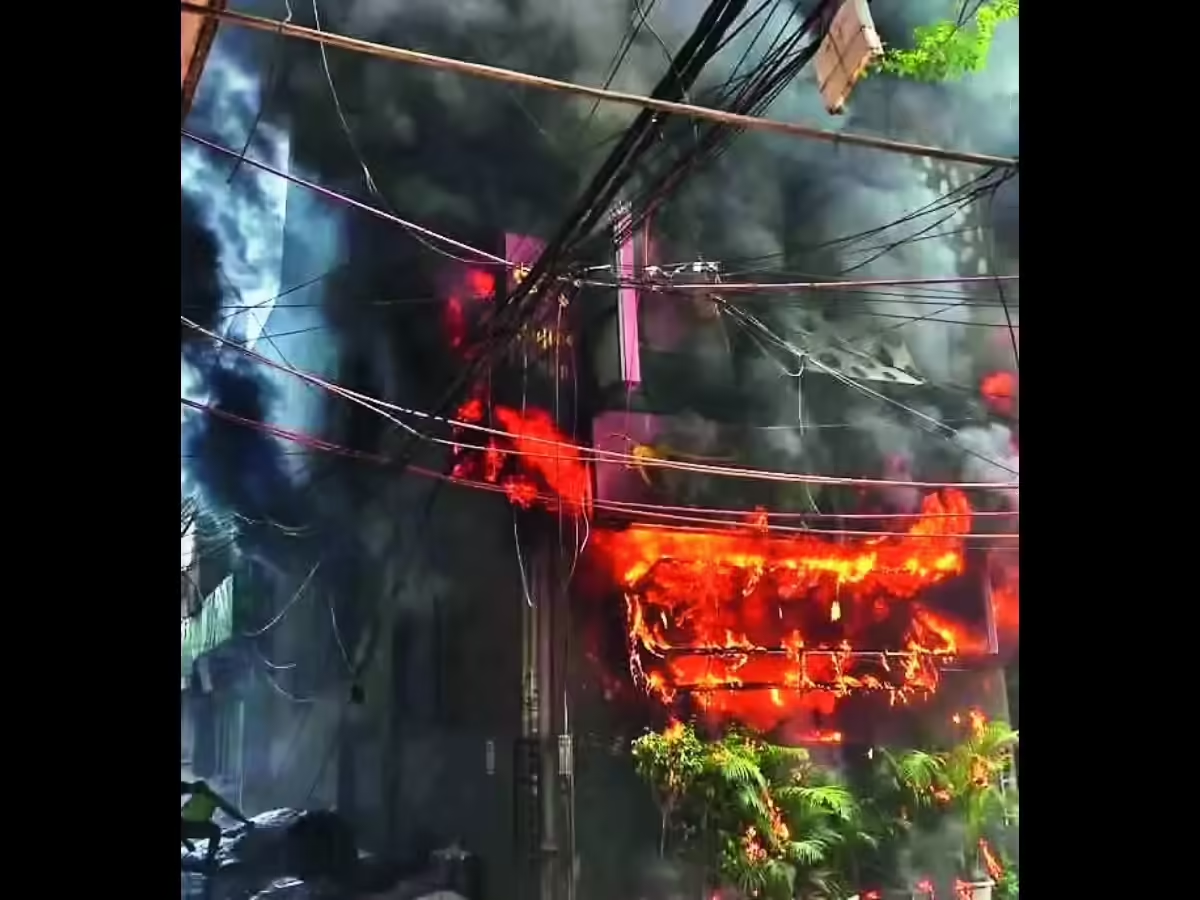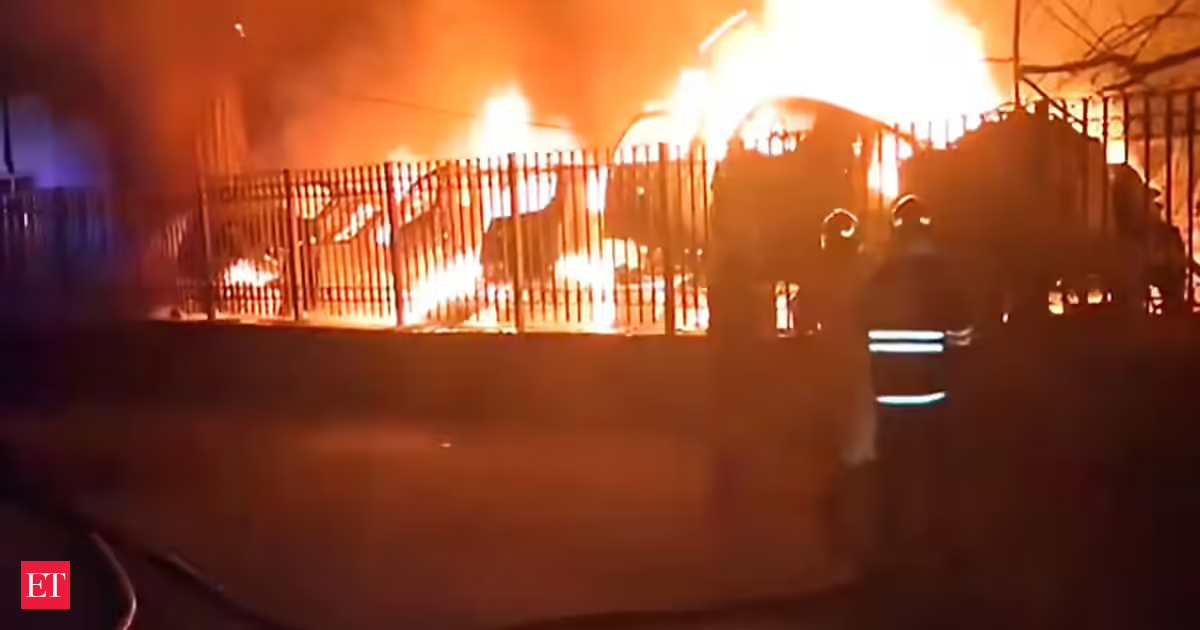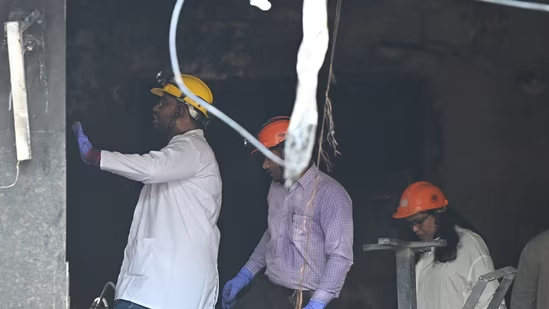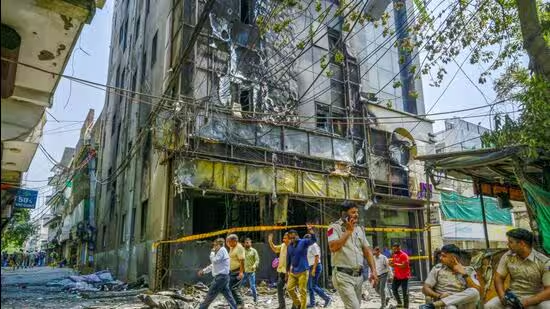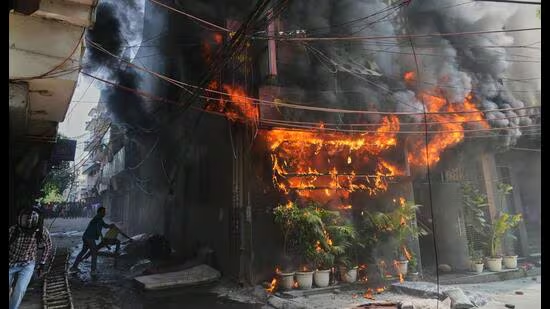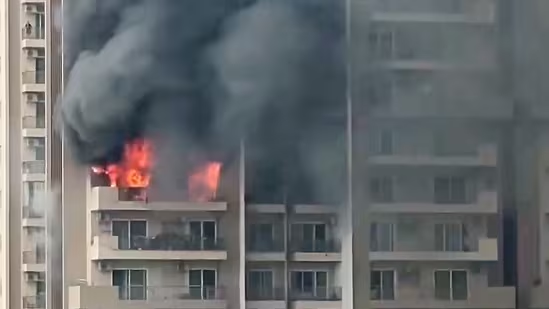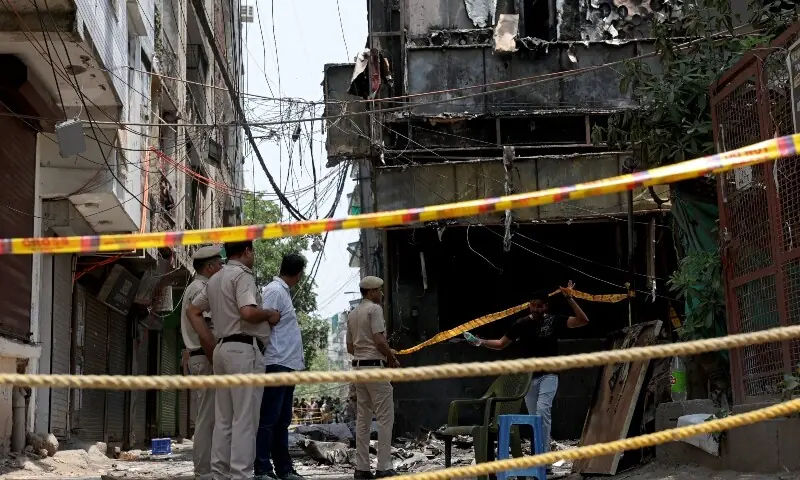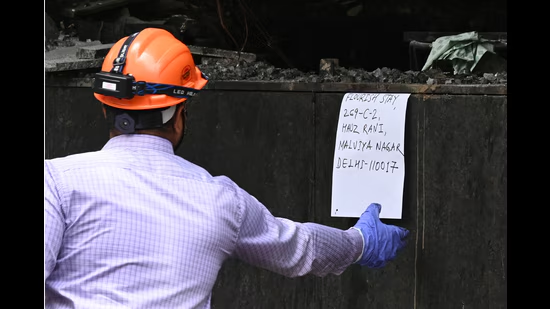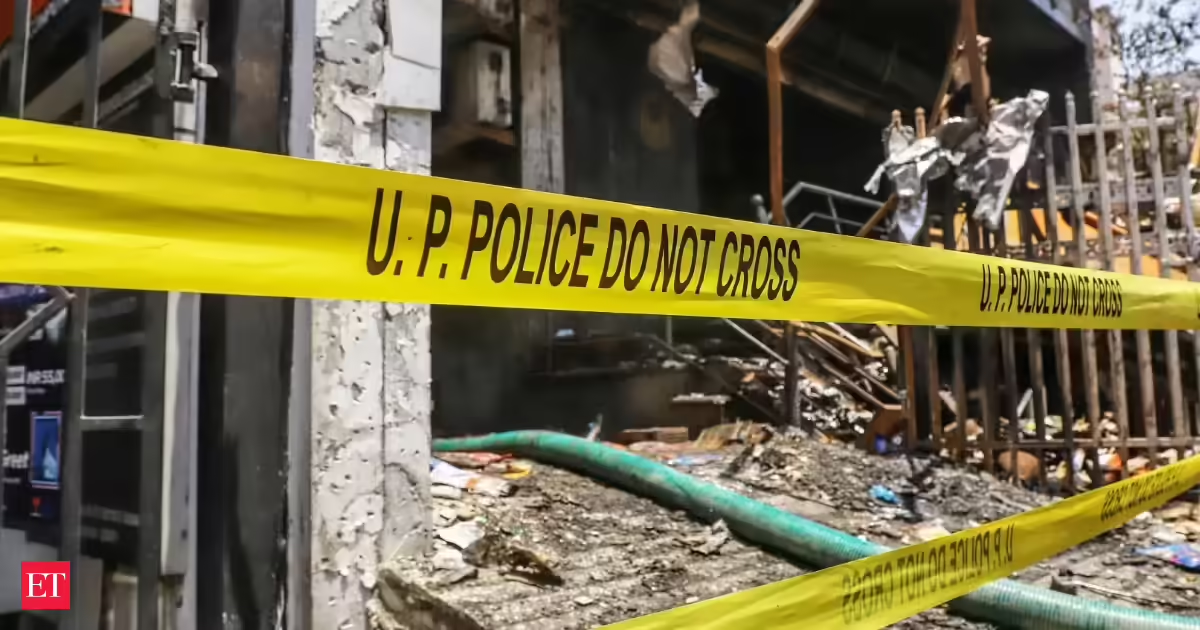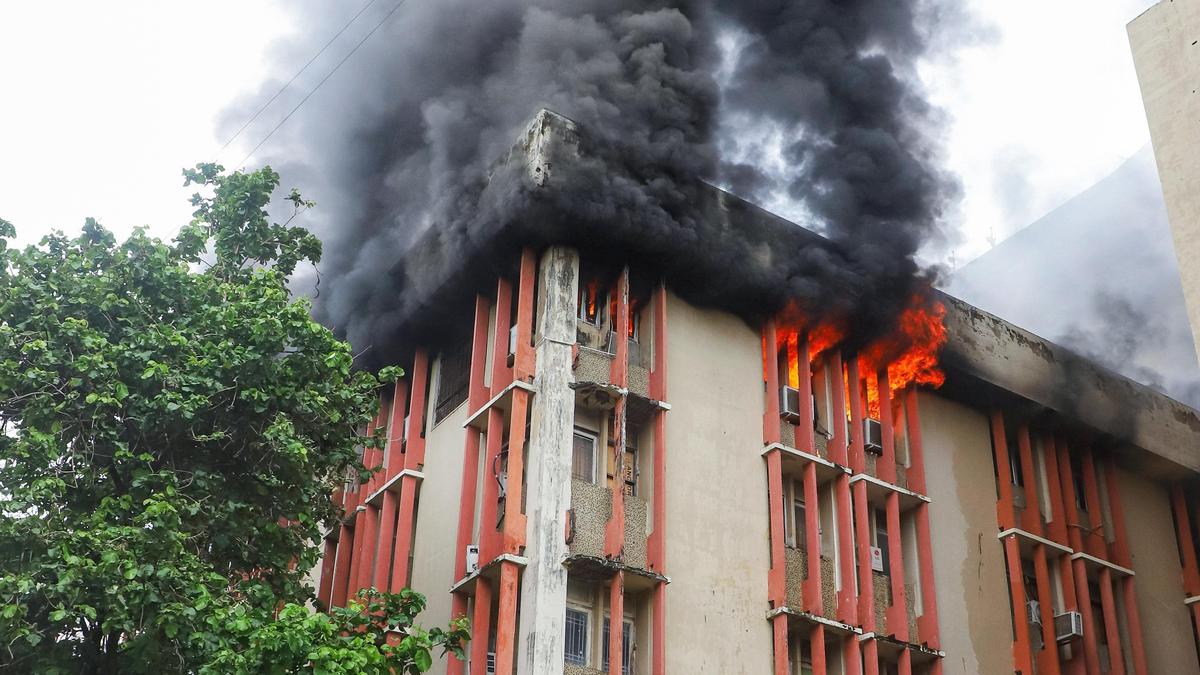
Indian cities rely on an economic ecosystem in which businesses often operate beyond the approved limits while enforcement remains sporadic. A fire per se is not odd, but a slew of deadly fires in urban areas, from the Uphaar Cinema fire in 1997 to the Arpora nightclub fire in 2025, has involved the same vulnerabilities: overcrowding, blocked escape routes, unapproved modifications to interior spaces, poor compliance, and weak enforcement. Prior inquiries, court rulings, and promises of reform have not prevented similar safety failures from recurring. Many of the victims of the B&B fire in Delhi on June 3 were medical tourists, lodged there due to the proximity to South Delhi’s hospitals. Many were also infirm and could not act quickly to escape heat or suffocation — a situation that likely prevailed in the ICU fire at a Muzaffarpur hospital on June 4, which claimed four lives, including two elderly individuals. According to the Delhi Fire Services and the Municipal Corporation, the B&B lacked a fire department clearance, violated fire safety norms, and had more than thrice as many rooms as allowed for B&Bs. These bodies are also answerable to how the facility operated in this way, especially since the Delhi High Court had directed the municipality in January to audit the city’s hospitality hubs. The building had been rebuilt in 2013 and reportedly exploited land-use exemptions to bypass municipal bylaws that required wider roads for fire tenders.The tolerance of hazardous conditions with a high fire risk persists because cost-cutting entities, whether establishments or governments, overlook the value of safety measures when there is no fire, even if the measures prevented a fire. The state must inculcate fire safety using principled inspections, incentives, and sanctions, and sustain a culture in urban centres to practise it as a matter of course. Local authorities often blame owners for ‘clandestine’ modifications; the Delhi police have charged the B&B’s owner with culpable homicide not amounting to murder. But the implication that long-standing negligence was the distal cause must extend to the absence of enforcement. The particular charge also results inconsistently in convictions, undermining the penal system’s ability to deter such incidents. The misuse of provisions for B&Bs finally points to failures that the Tourism Department should investigate; the city’s decision to rescind them is not adequate as an answer. Political blame-games are a red herring: a deadly fire is a product of the incidental causes on that day and systemic factors that preserved the risk. In the same vein, the government’s response must encompass these factors or they may amount, once more, to little. Published - June 05, 2026 12:10 am IST
Fire and furore: On fire accidents in India
Weak enforcement and poor compliance have contributed to repeated fire-related deaths
437 words~2 min read