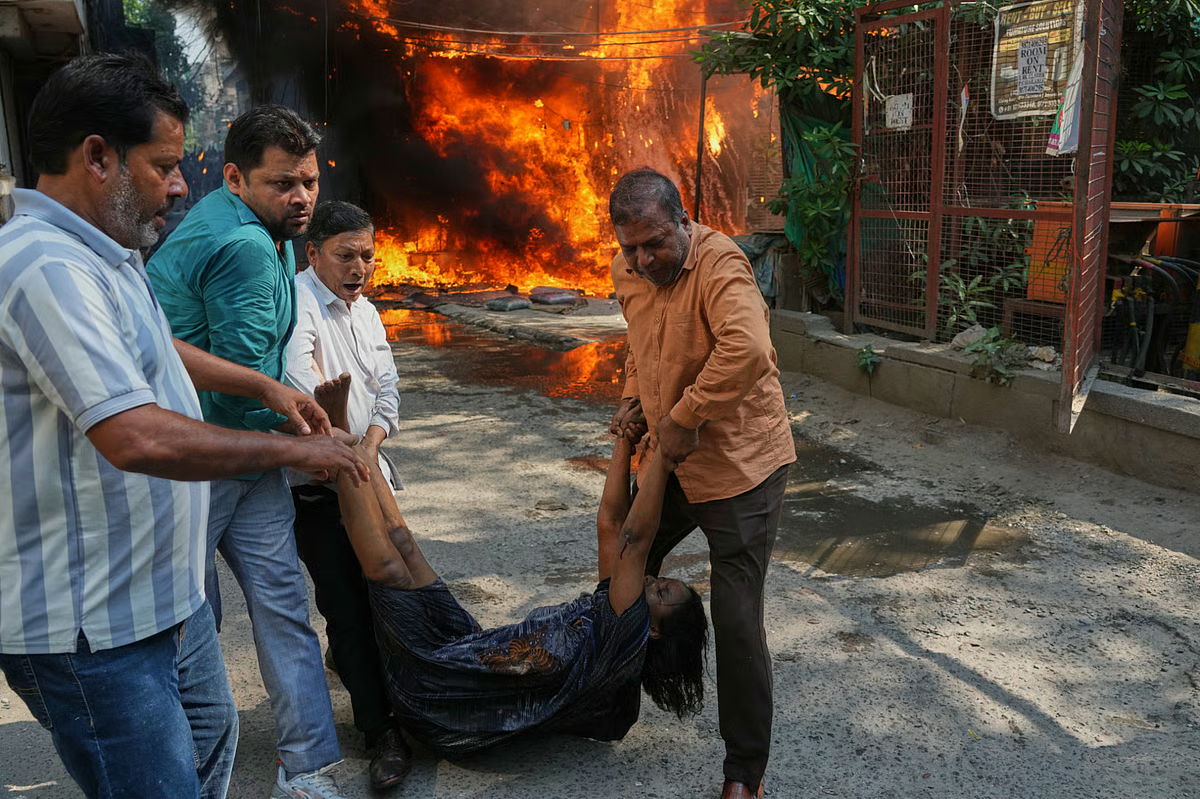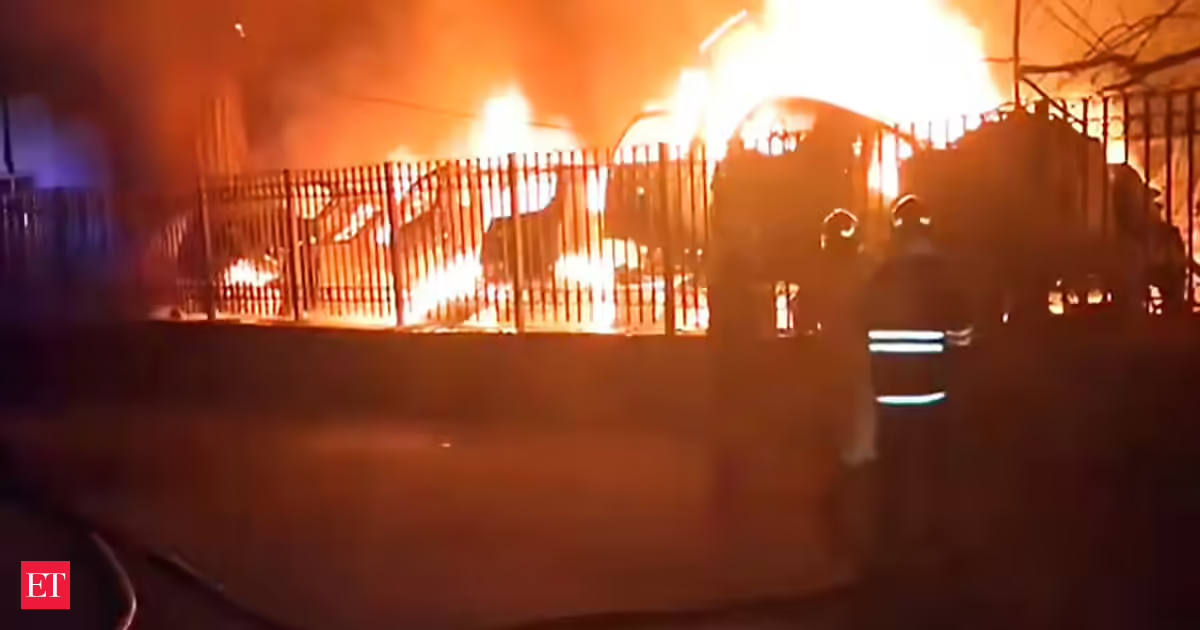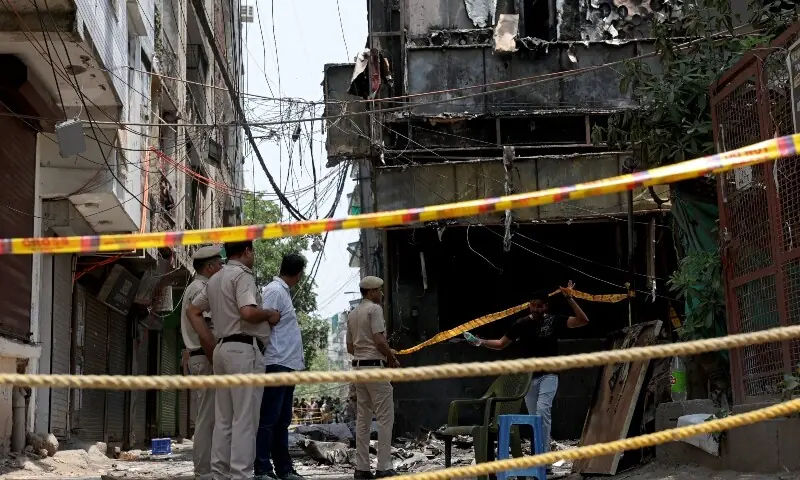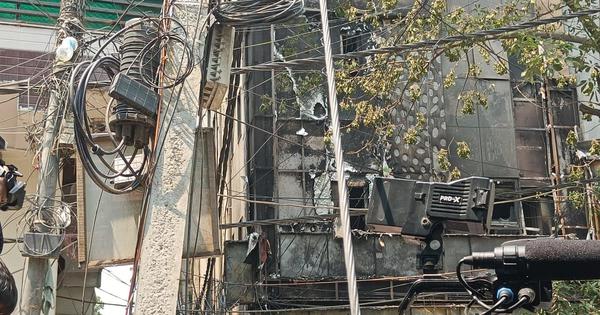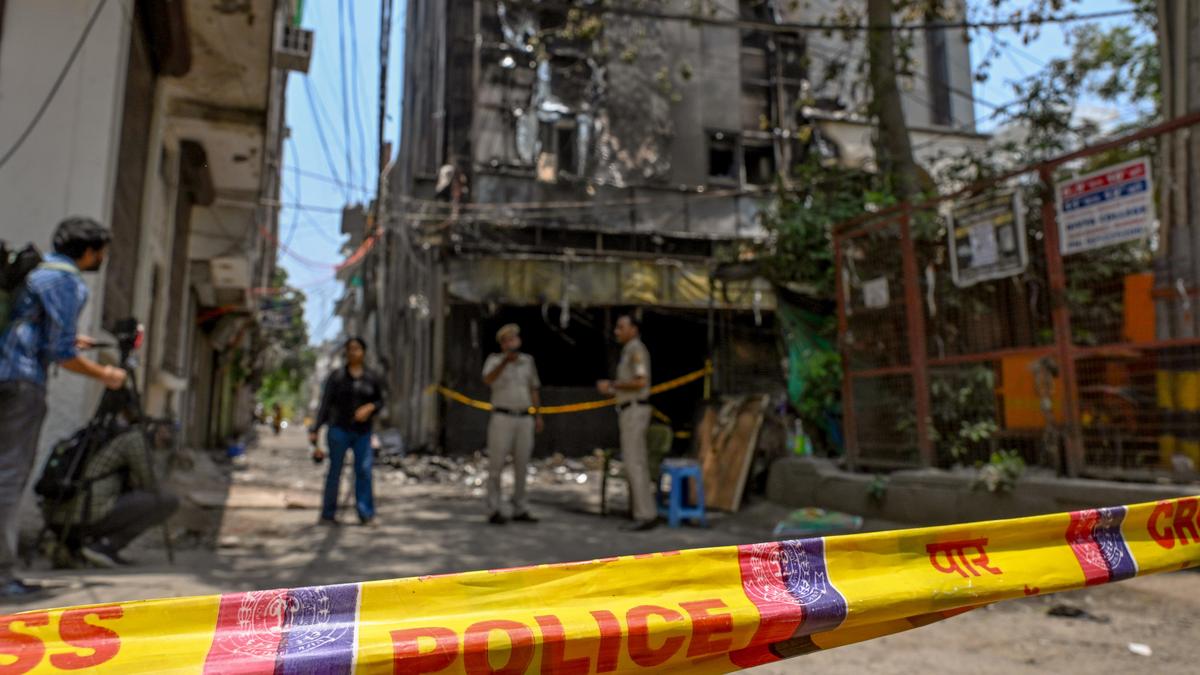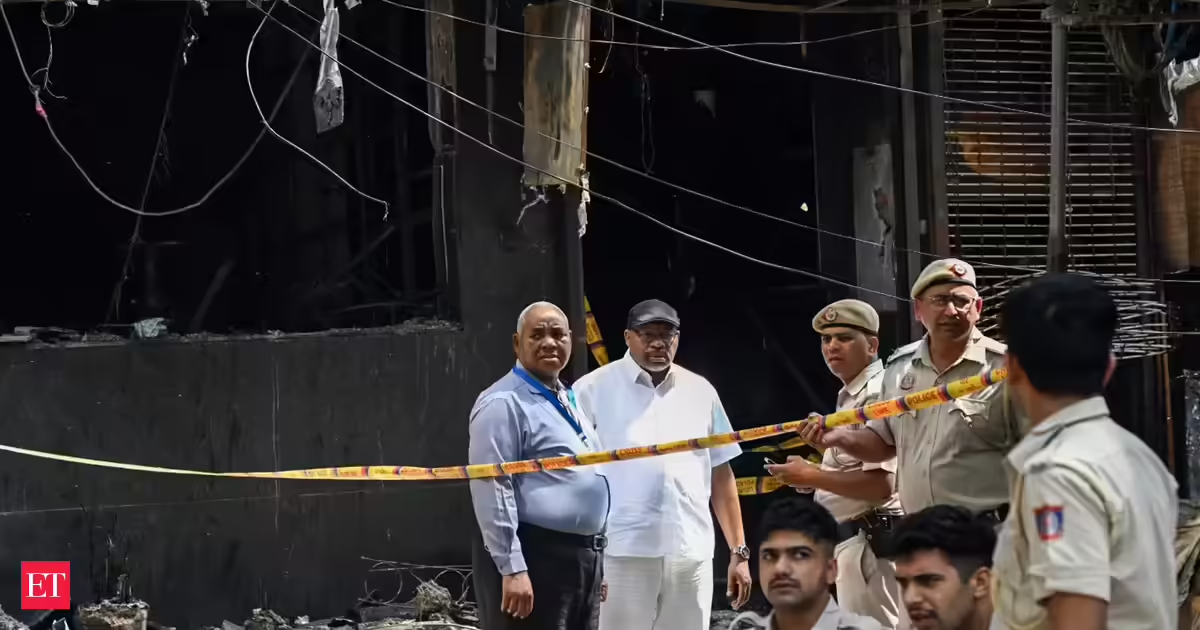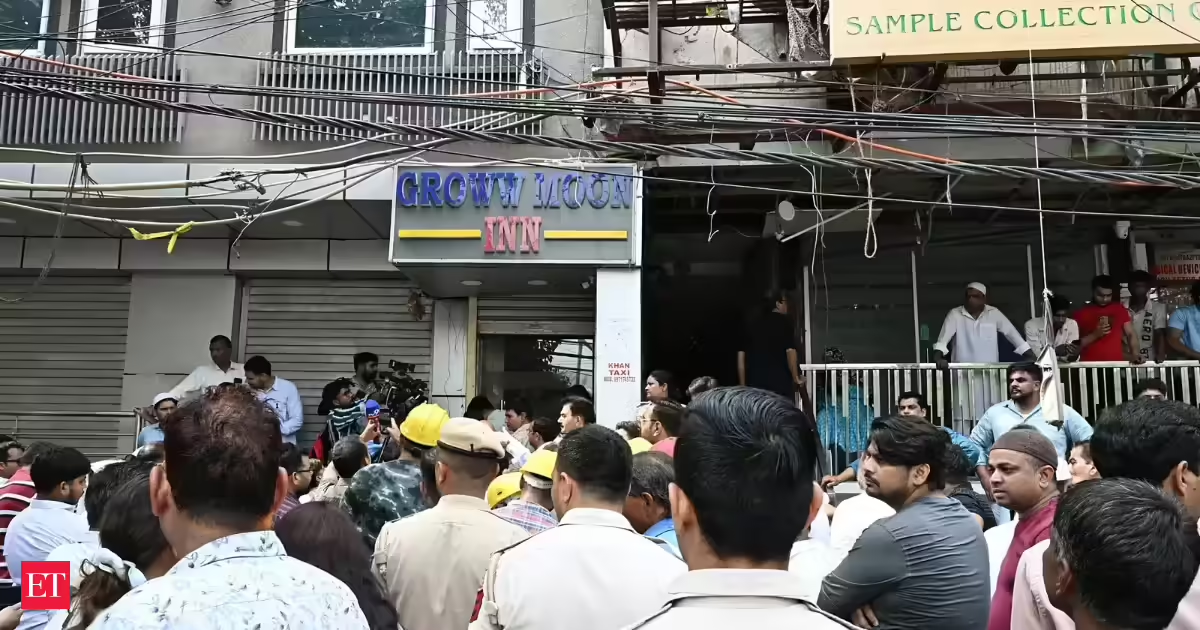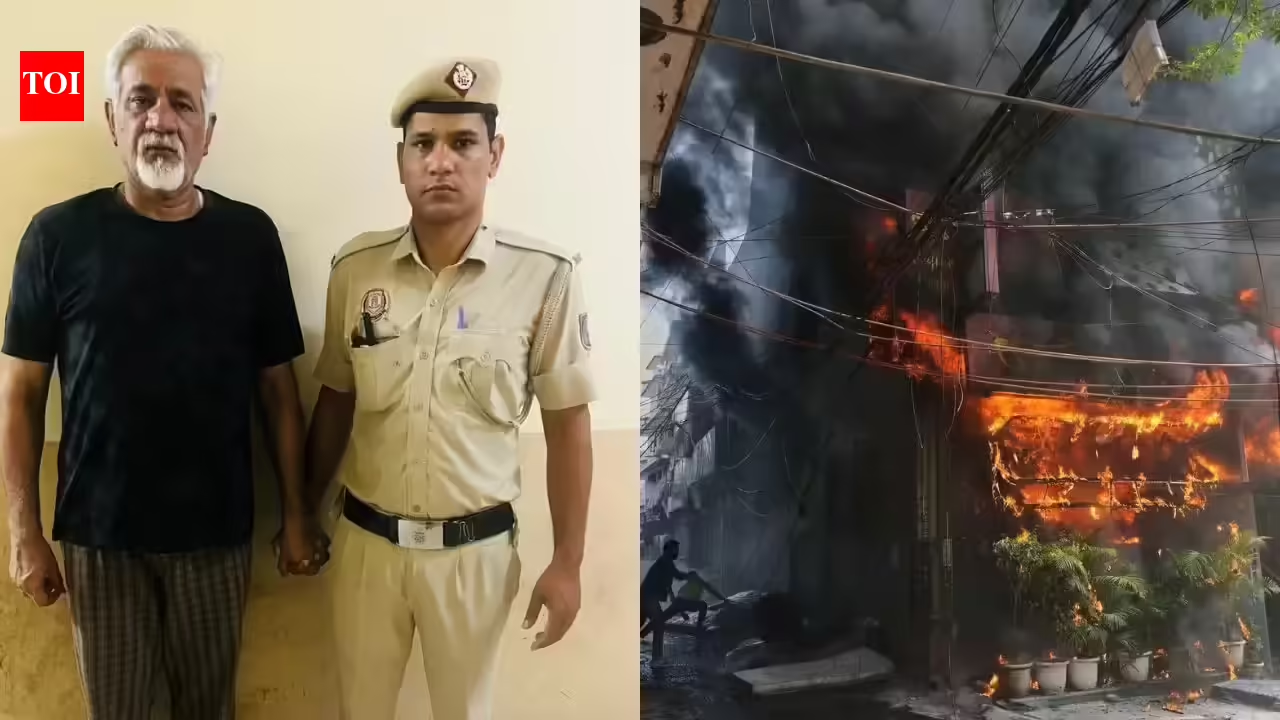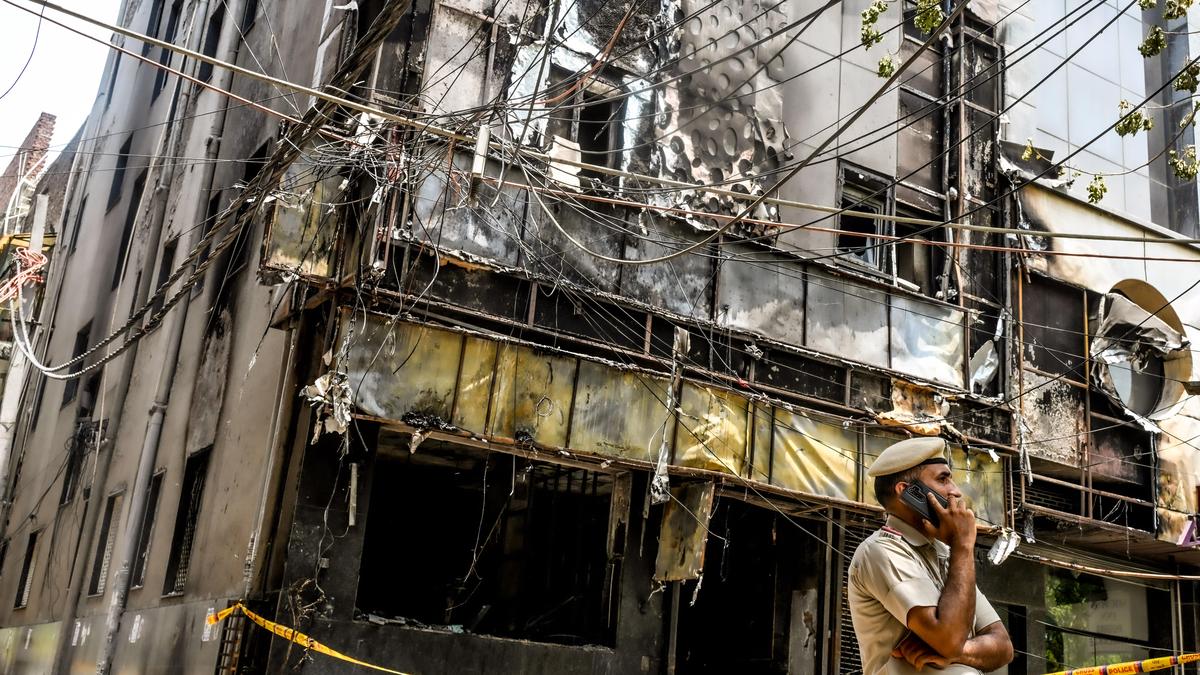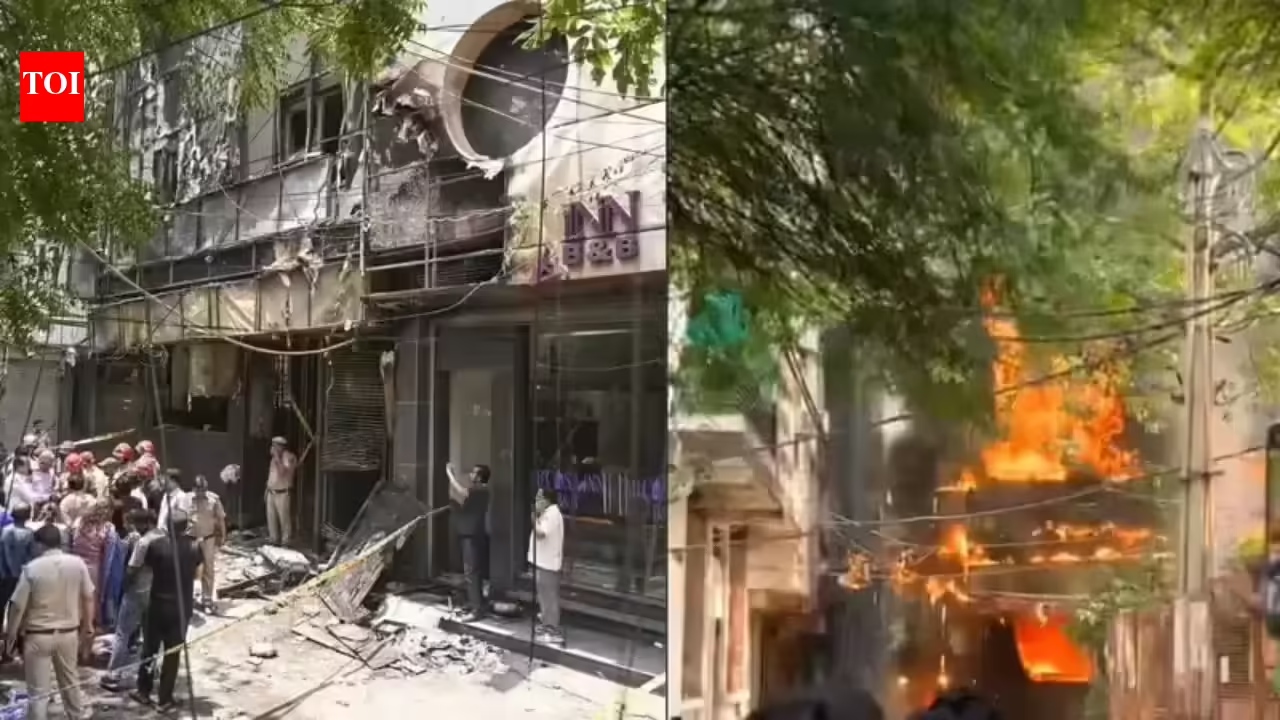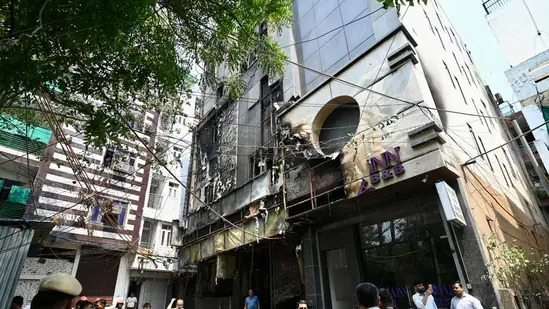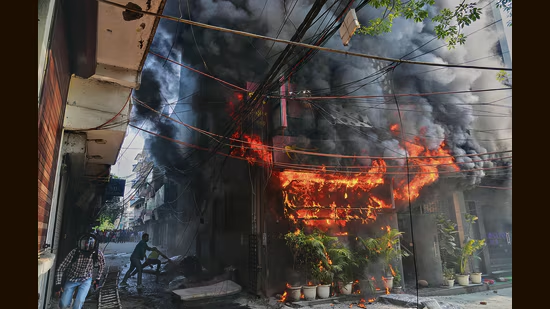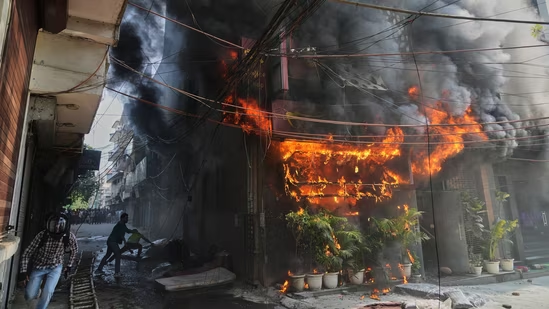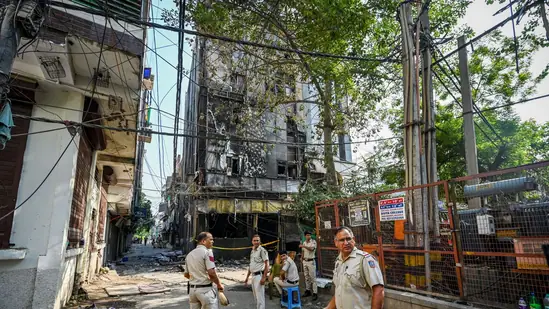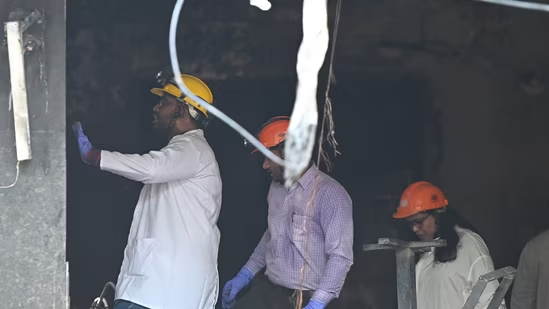
The fire that killed at least 21 people at a Hauz Rani bed-and-breakfast on Wednesday has exposed a web of violations that investigators, officials and locals said appeared to have effectively transformed the building into a death trap.Forensic science laboratory team at the fire site, a massive fire broke out at a bed-and-breakfast in a five-storey building at Hauz rani village Malviya Nagar in the south Delhi, India, killing at least 21 people and injuring several others.What was licensed as a six-room bed-and-breakfast (B&B) was, in reality, operating as a 26-room hotel. What had permission to run a tea-and-snack outlet, was functioning as a full-fledged restaurant. The structure never received a sanctioned building plan from the Municipal Corporation of Delhi (MCD) and lacked a mandatory fire safety no-objection certificate (NOC), officials said.Together, these violations created conditions that turned a fire into one of Delhi’s deadliest fire disasters in recent years.Also Read | Delhi hotel building owner Lavkesh Bajaj arrested after Malviya Nagar fire kills 21What were these violations?Authorities said Flourish Stay was registered under the Delhi government’s B&B scheme in 2024, with a licence valid until 2027. The scheme is intended to allow homeowners to rent out spare rooms while retaining the residential character of the property. Under its rules, operators can run a maximum of six guest rooms and are mandatorily required to reside on the premises – neither of which was followed.According to the licence issued by the tourism department, the property was permitted to operate only six rooms – three on the first floor and three on the second. But investigators found that the building had at least 26 rooms spread across a basement, upper floors and the rooftop.Online booking platforms advertised more than two dozen rooms across multiple categories of accommodation with tariffs ranging from ₹2,000 to ₹3,600 a night.An MCD official, requesting anonymity, said the building had never been booked for any violations by the civic body. The official said it’s building plan was never sanctioned.Also Read | Delhi fire: Hotel under scanner, owner detained, 18 foreign nationals killed | Top points on Malviya Nagar blazeSnacks outlet turned full-fledged restaurantThen there’s the matter of the restaurant/café – Snacks and Bites – operating from the building’s ground floor. Under the B&B scheme, establishments are not permitted to operate commercial kitchens or restaurants.A second MCD official, also seeking anonymity, said the establishment had earlier obtained permission for a tea-and-snack outlet, but that licence expired in April. But again, the so-called “snacks” outlet was a full-fledged restaurant.The building’s character, locals and officials said, was not of a residential nature by any means. The building’s facade had been enclosed with toughened glass and much of the structure had been sealed off to maximise commercial space, eating into ventilation. Fire officials believe those alterations played a crucial role in the scale of the disaster.AK Malik, chief fire officer of the Delhi Fire Service’s south zone said: “The entire building is like a shaft. It is sealed from all four sides. Even in the front there is a facade, and the windows are sealed. In buildings like these, it often happens that the fire spreads rapidly.”When the blaze broke out, smoke travelled quickly through the structure, trapping guests on upper floors and leaving them with no safe escape route.Investigators and first responders said the basement contained rooms and a kitchen. Govind Kumar, a local vegetable vendor who helped in rescue efforts, said the basement exit was blocked. “The shutter in front of the basement was down and it was so hot that it could not be opened. We used iron rods to break it open.”According to building regulations, basements cannot generally be used for commercial accommodation. Their use is typically restricted to storage.Also Read | Delhi orders month-long fire safety crackdown after Hauz Rani tragedyAbsence of fire safety clearance tooCompounding the risks was the absence of a fire safety clearance.DFS officials said the property did not possess a fire NOC and that no proposal seeking such approval had been referred to the department by the licensing authority.Under DFS rules, hotels and guest houses exceeding 12 metres in height require a fire NOC. Officials said the building clearly exceeded that threshold. The lack of a fire clearance meant critical safety features and emergency preparedness measures were never formally scrutinised by DFS.The tragedy has also cast a spotlight on a wider problem in Hauz Rani, where dozens of nearly identical B&B establishments function as hotels.In the evening, MCD said that an inquiry has been ordered and officials responsible for allowing the raft of violations will not be spared – a customary announcement after each such tragedy seen in Delhi.
Dodgy licences, unauthorised expansion among violations to surface after Delhi fire
Together, these violations created conditions that turned a fire into one of Delhi’s deadliest fire disasters in recent years. | India News
776 words~4 min read