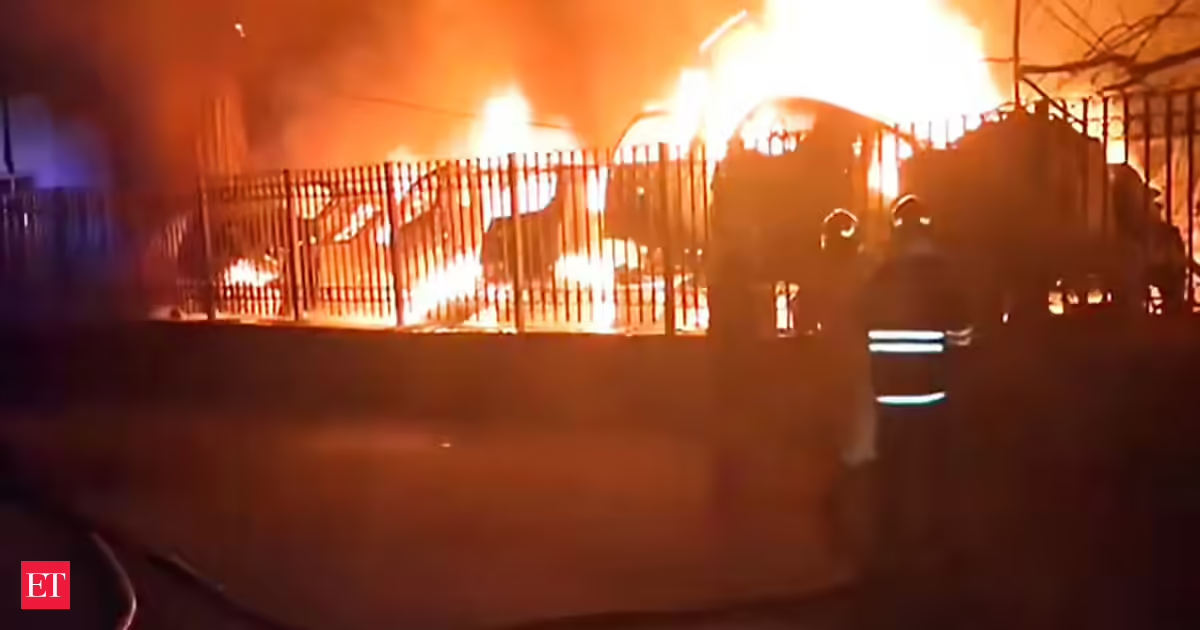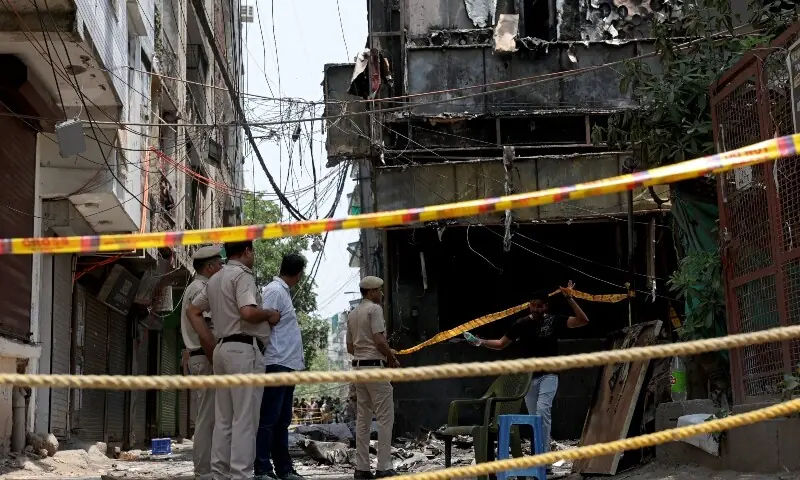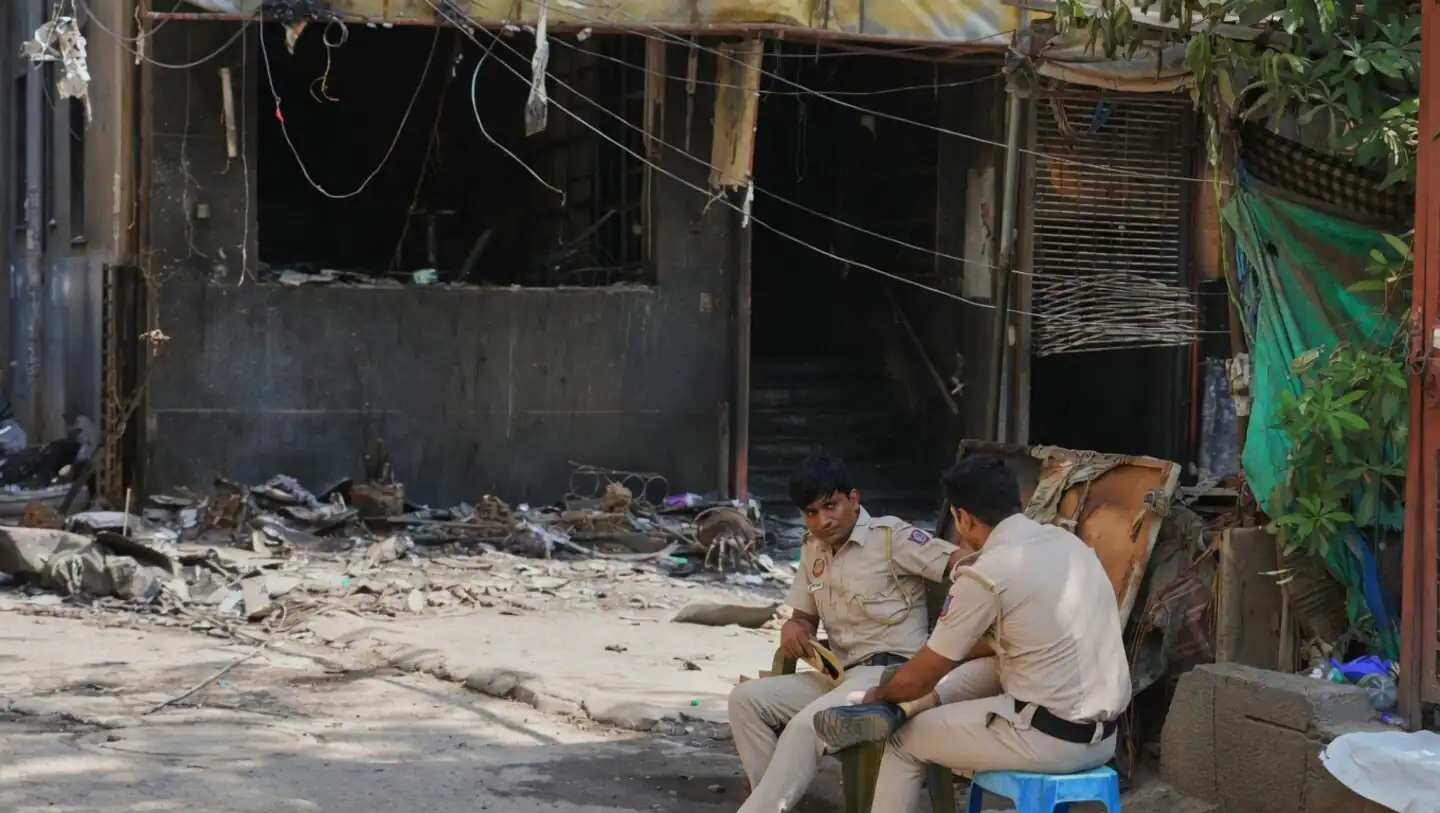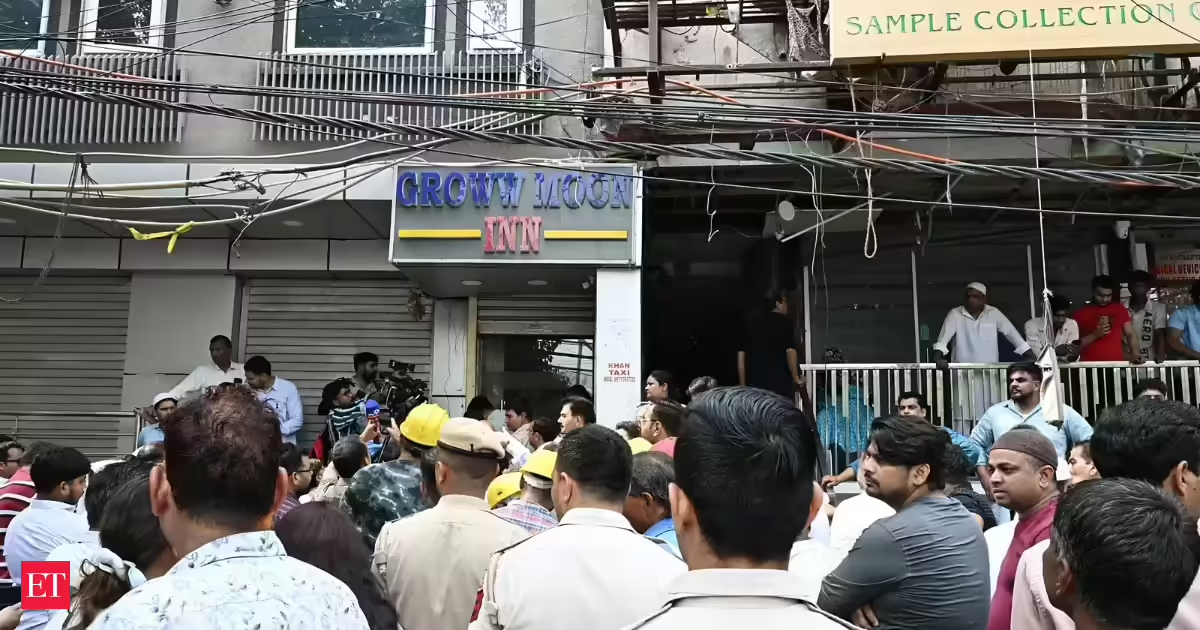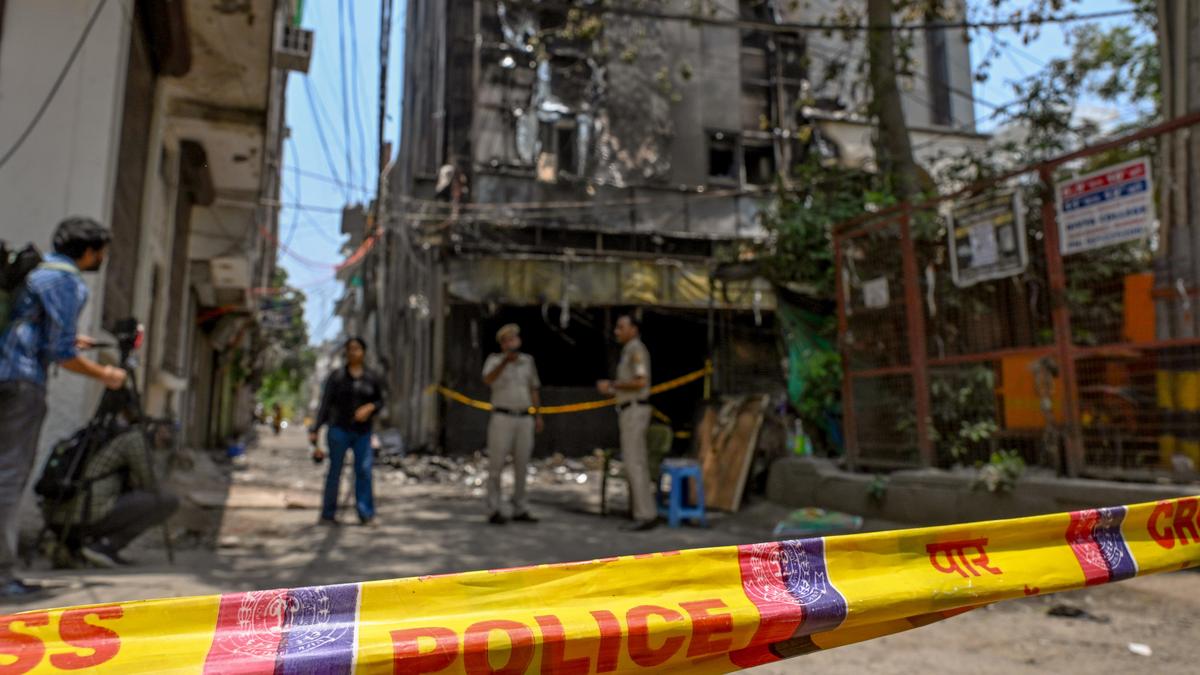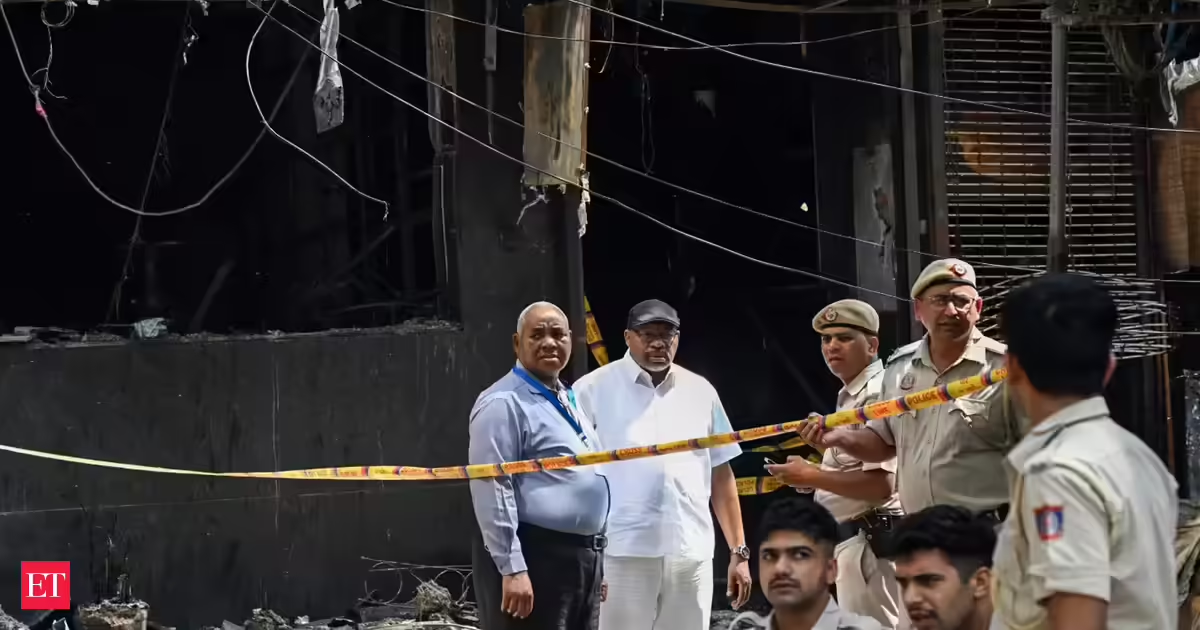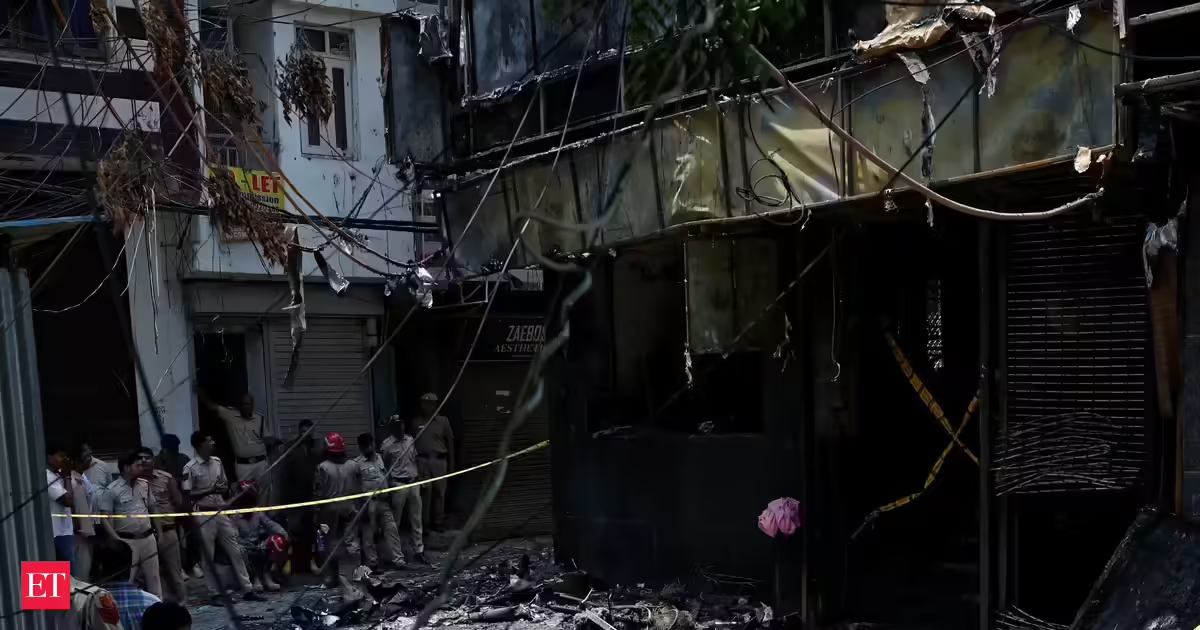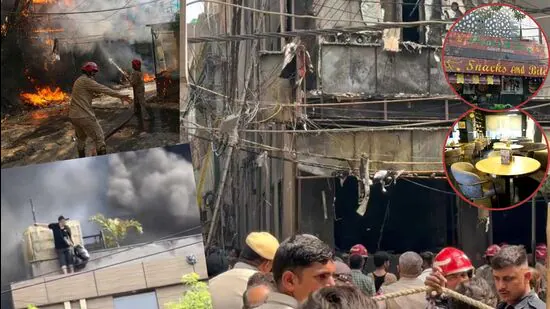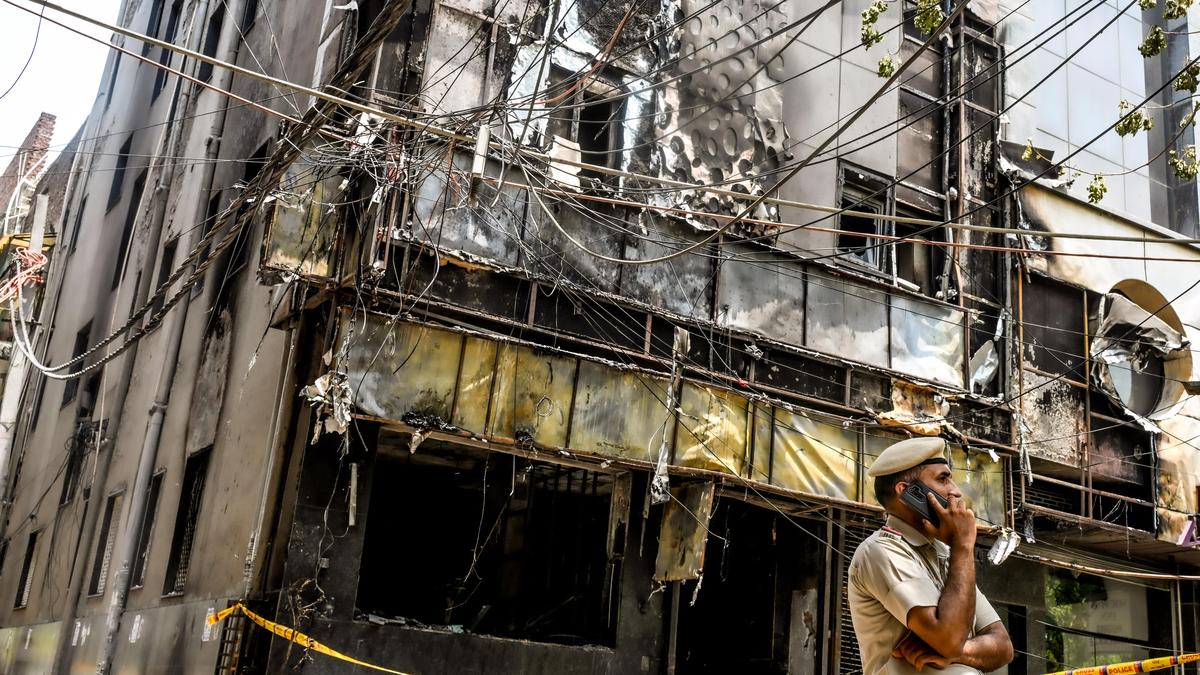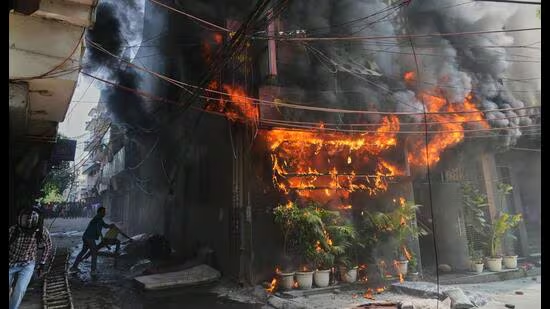
The fire at a bed and breakfast in Malviya Nagar has exposed glaring gaps in the Capital’s enforcement of rules and regulations, and raised questions about the wisdom of two recent Delhi government policies – one on bed and breakfasts and a second on fire safety – that propose a more relaxed regime for certification.The fire at a bed and breakfast in Malviya Nagar has exposed glaring gaps in the Capital’s enforcement of rules and regulations. (PTI)On May 27, the government proposed a new fire safety framework, under which building owners can obtain fire clearances through private fire auditors – they will be empaneled, said the policy – rather than relying solely on inspections by Delhi Fire Service (DFS). The government argued that the move will reduce delays, improve efficiency and bring professional expertise into the certification process. The policy envisages DFS’s role in certification to only conduct periodic random checks, while private auditors will be empanelled for audit and certification buildings annually.But experts said the push can compromise independence of the mechanism – especially against the backdrop of over 20 devastating blazes that killed 89 people in Delhi in the past five months, including the ones at Palam and Vivek Vihar.“Ease of doing business is a very good principle and is needed, but it cannot be at the cost of responsibility towards the citizen. There must be stringent norms, especially related to fire and other safety hazards and violations that need to be checked by the local bodies regularly through enforcement mechanisms,” said PS Uttarwar, retired additional commissioner of Delhi Development Authority.He added that many areas such as Hauz Rani in Malaviya Nagar have continued to flourish unchecked in Delhi and are overdue for complete redevelopment, especially with regard to safety measures in the event of disasters like a fire or earthquake.In March, following the fire at residential buildingin Palam that killed nine people, the Delhi government announced citywide third-party fire audits to identify safety gaps and strengthen compliance. The exercise was presented as a corrective measure after repeated tragedies. However, neither the magisterial report has been shared, nor has any data been provided on how many buildings have been audited. Nearly five months ago, the Delhi high court directed authorities to urgently address deficiencies in fire safety compliance across hotels, restaurants and hospitality establishments. However, implementation of those directions remained incomplete.Familiar problems – a densely occupied building, a single entry-exit route, guests trapped on upper floors and desperate escape attempts – have repeatedly contributed to fire tragedies, including the ones at Palam, Vivek Vihar and now Hauz Rani. But experts warned that the new draft fire safety system can erode accountability in case of major violations.Last week, the government also announced the draft Bed & Breakfast Policy 2026, proposing a self-certification regime for homestays and small accommodation units. The draft allows residential properties with up to eight rooms and 16 beds to operate as B&B units, introduces online registration and self-certification, and seeks to bring informal hospitality operators into the regulatory fold.In contrast, the 2007Bed and Breakfast framework relied more heavily on inspections and departmental scrutiny before approvals. According to the policy, only two-thirds of the property could be sublet, and the owner was required to live on the same property. In the event of any suspicion of violations, the tourism department may inspect premises at any time.To be sure, those inspections amounted to nought in the case of the Hauz Rani homestay which had 26 rooms against the sanctioned six.Experts said the government was possibly trying to reduce procedural hurdles and expanding tourism infrastructure but the relaxed regime would fan rampant violations, especially instances where b-n-b owners, who are supposed to reside in the buildings, run them as de-facto hotels.“A city where unauthorised floors are routinely added, residential properties are converted into commercial establishments without approvals and fire exits are frequently blocked requires stronger oversight, not merely easier certification,” said Sarika Panda, urban planner and founder Trustee of Raahgiri Foundation.The challenge is especially acute for small hospitality units operating in mixed-use neighbourhoods where emergency access is often limited – just like the establishment in Hauz Rani that was 100metres away from one of Delhi’s biggest private hospitals.“States like Gujarat and Maharashtra have local area plans, under which the urban local bodies are planning redevelopment. It is time that Delhi also forms such plans,” said Uttarwar.
Relaxed policies for ‘ease of doing business’ putting lives at risk in national capital
The recent fire at a Malviya Nagar bed and breakfast highlights concerns over Delhi's fire safety policies and enforcement gaps, raising questions about proposed relaxed certification regimes. | Latest News Delhi
728 words~3 min read