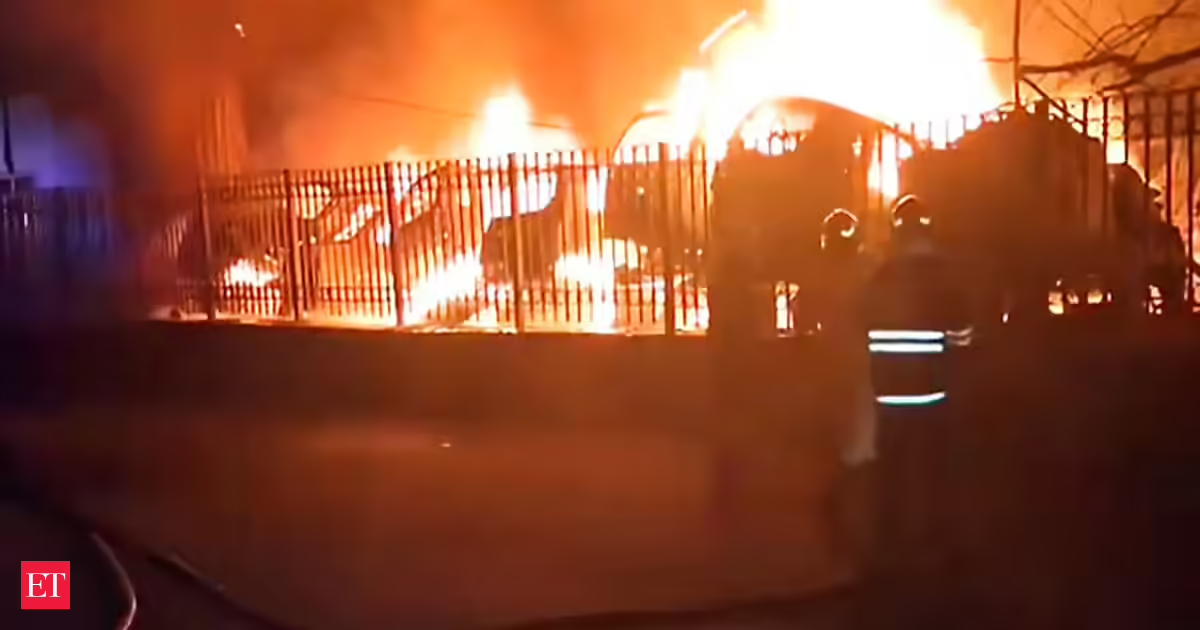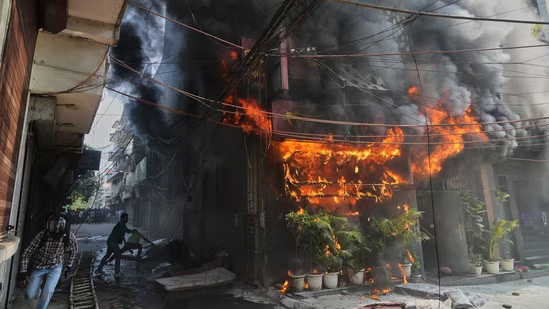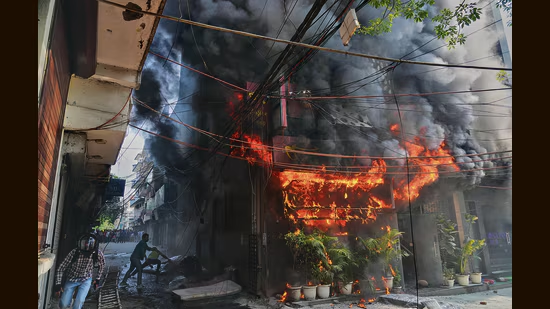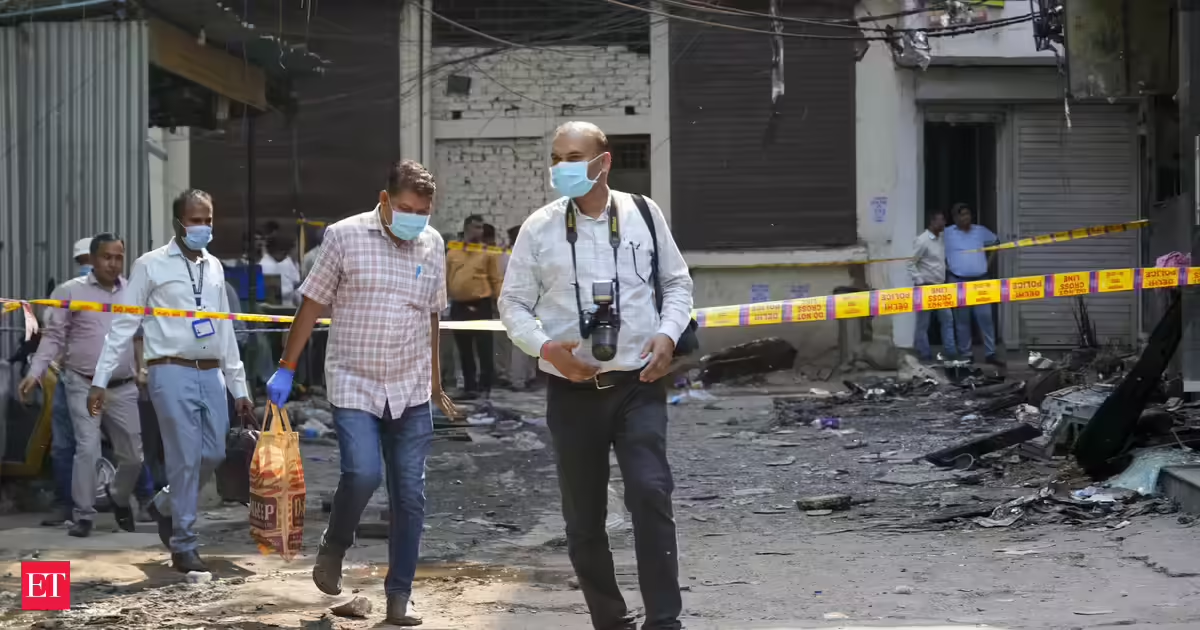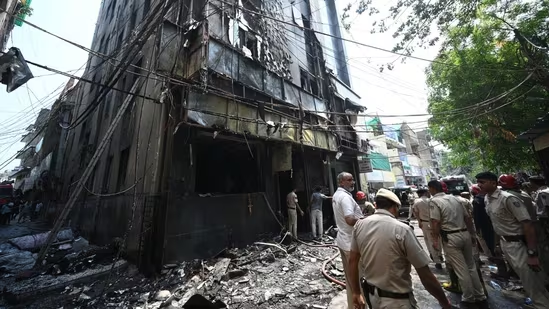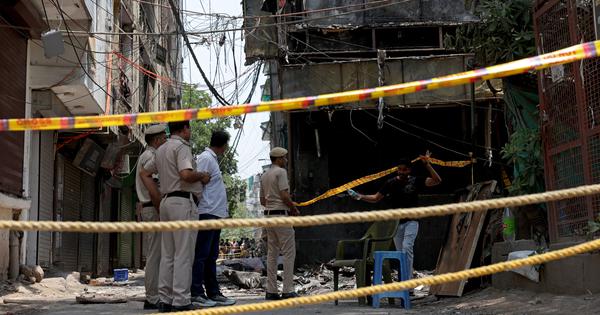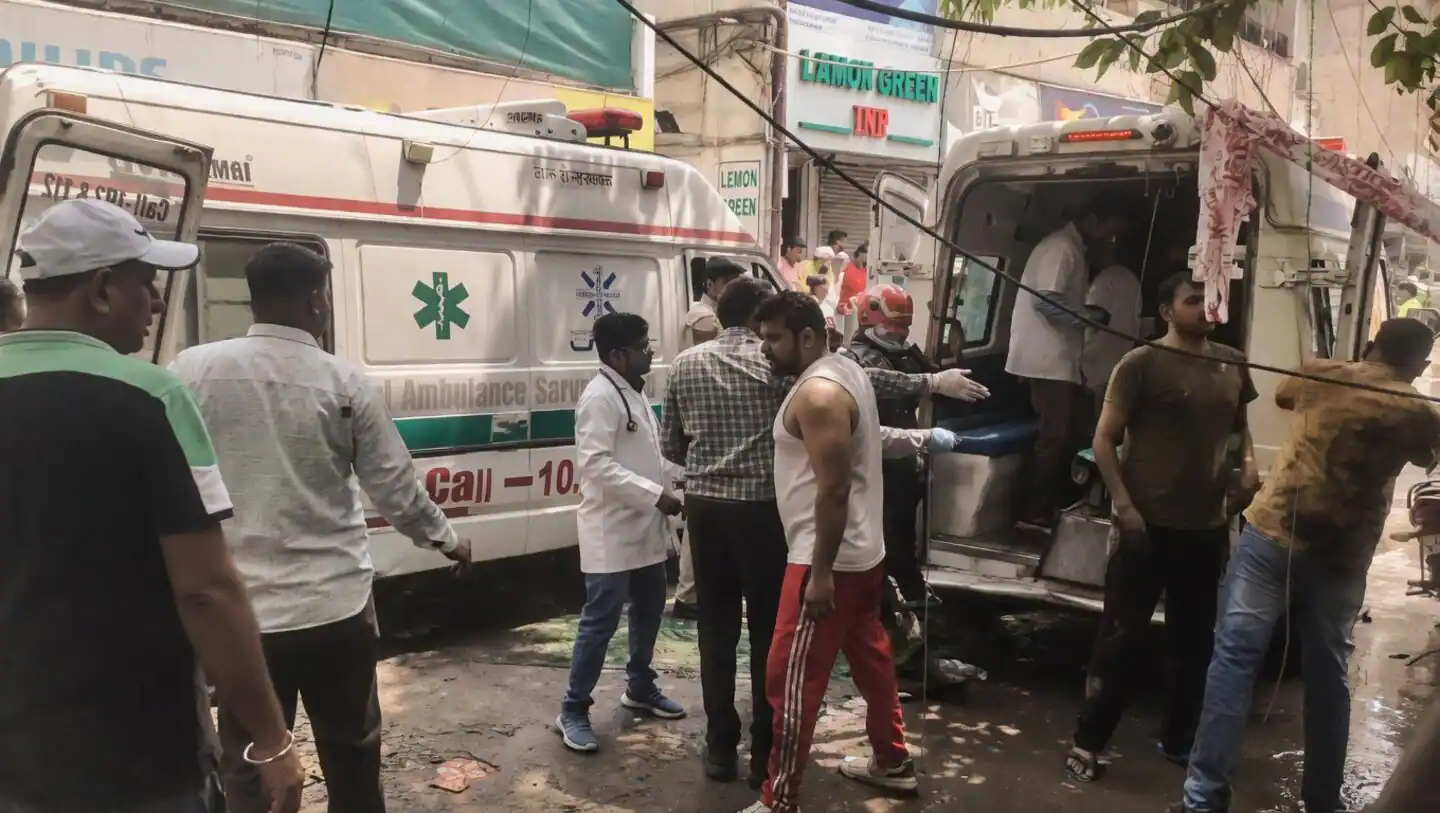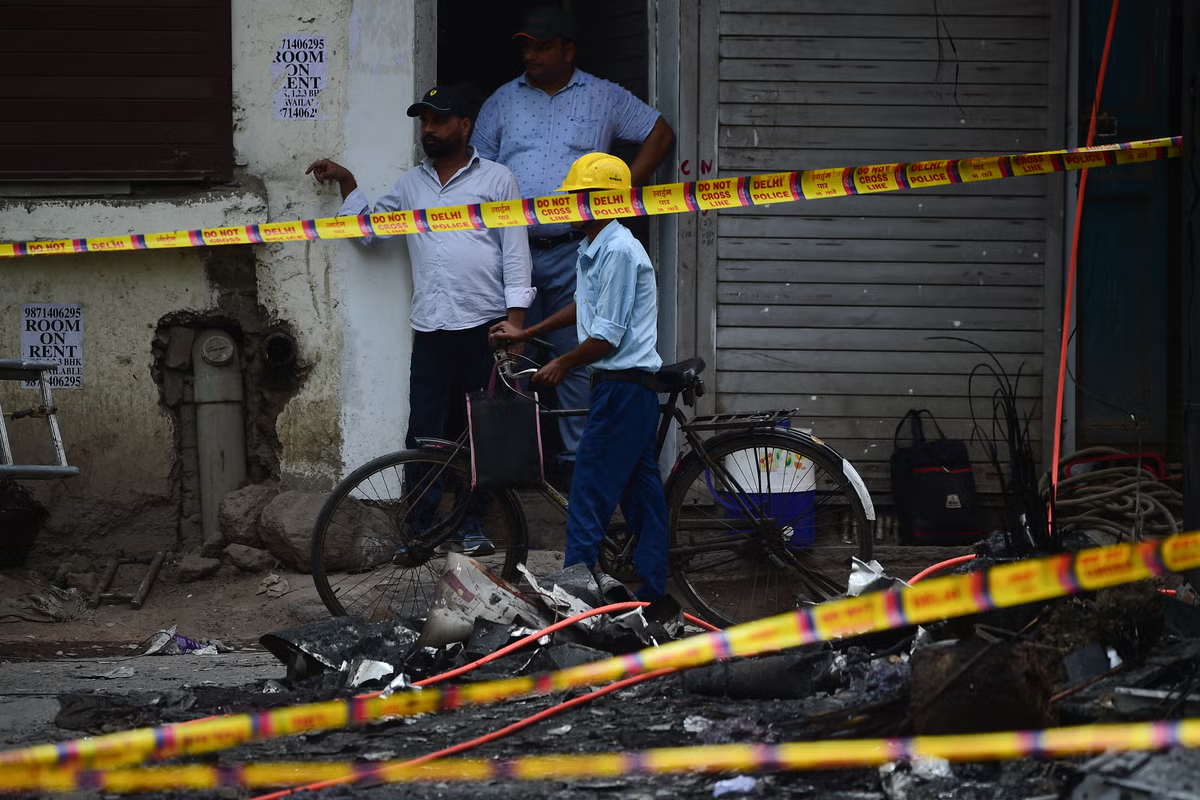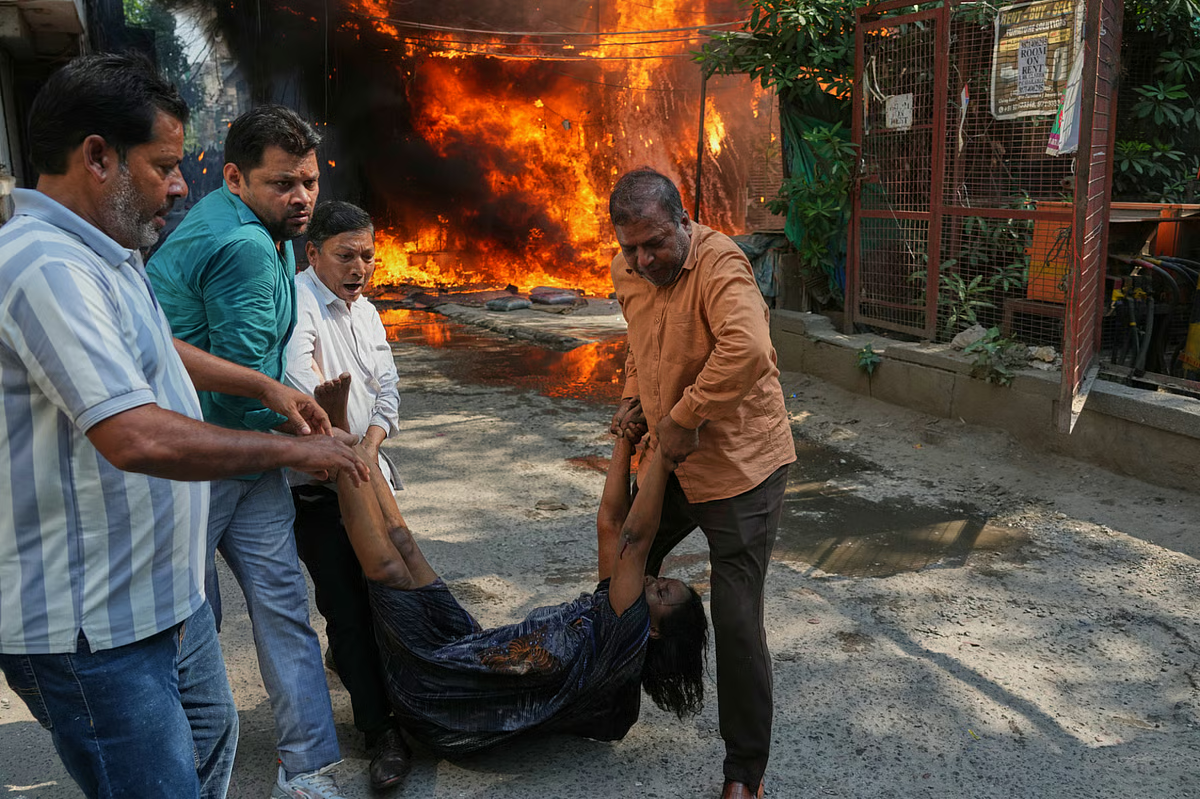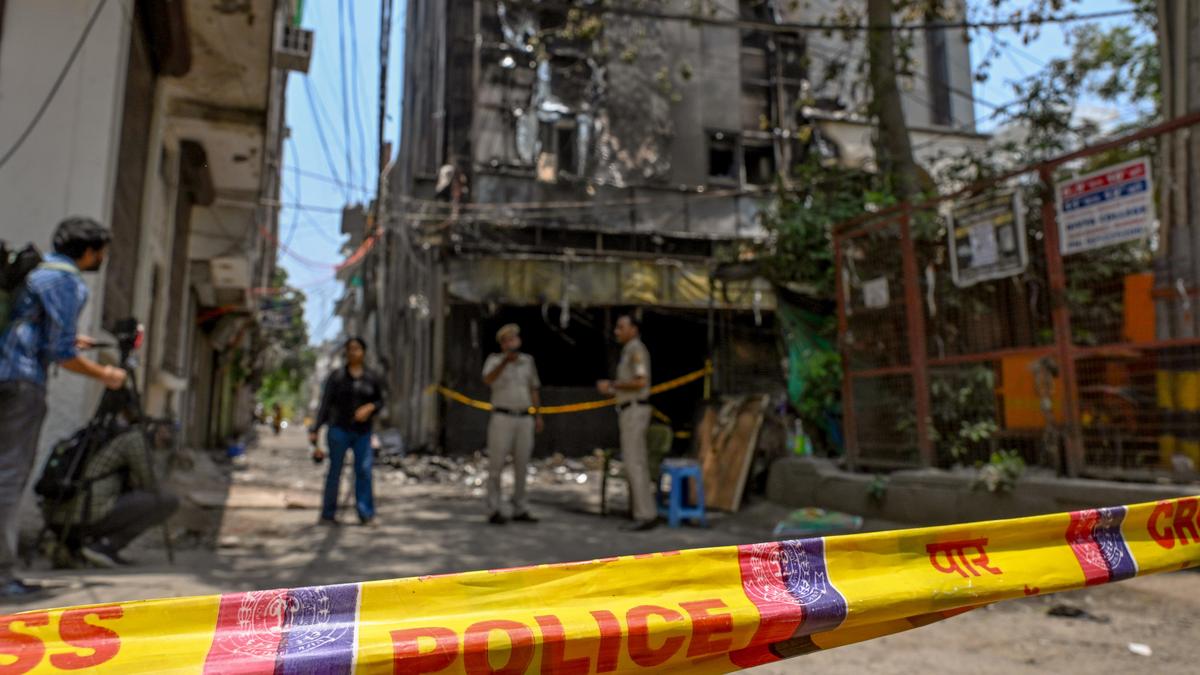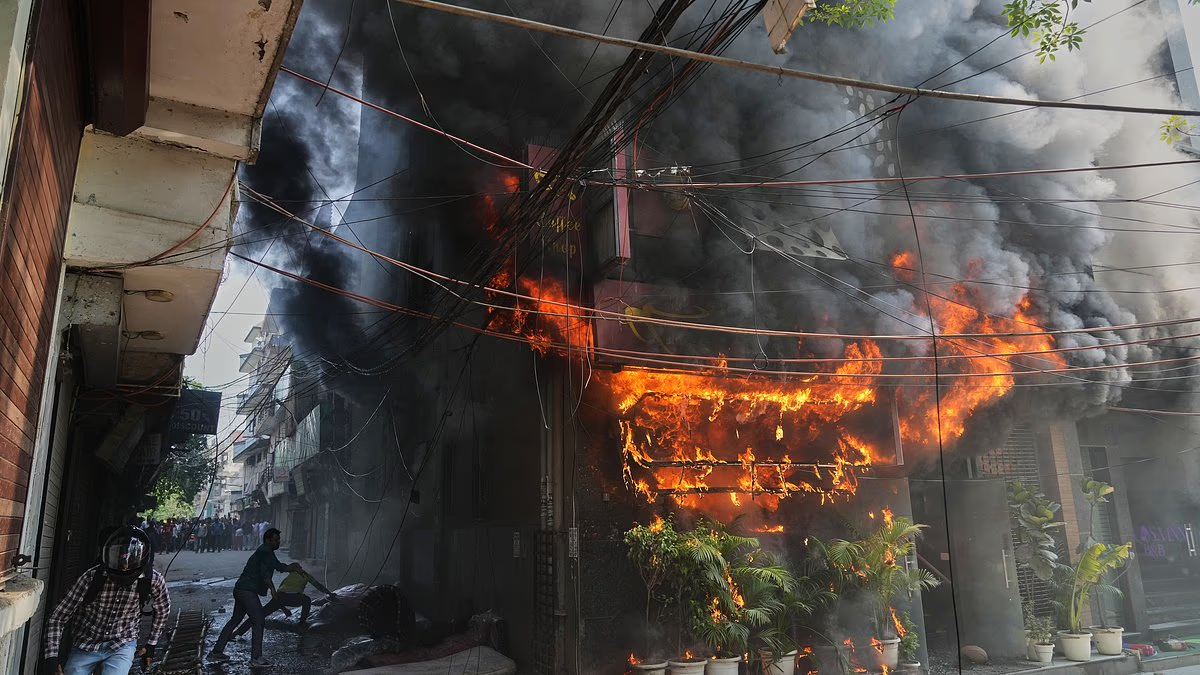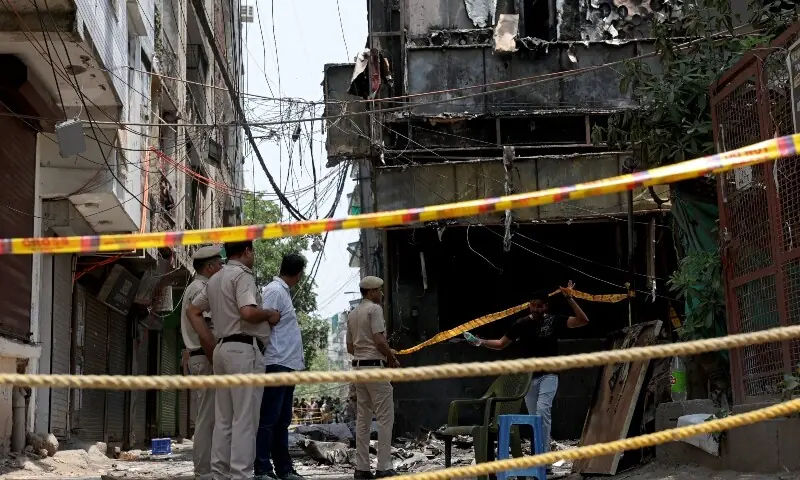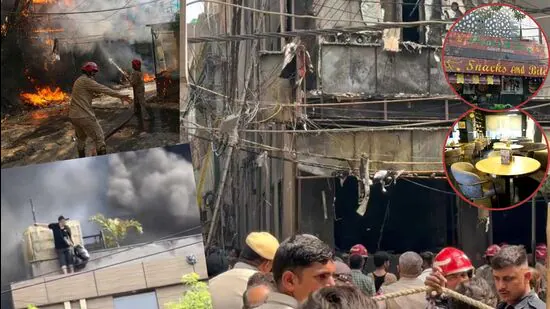
The devastating fire that ripped through Flourish Stay B&B in Malviya Nagar on Wednesday morning, killing at least 21 people (reportedly 17 foreign nationals) and injuring several others, has left Delhi shaken. As investigators probe the blaze, believed to have started in the kitchen of a basement restaurant, the tragedy has spotlighted two concerns: the reliance of medical tourists and patients’ families on budget stays near hospitals, and persistent gaps in fire safety compliance among small hospitality establishments. Located close to several major private hospitals, Malviya Nagar is home to numerous affordable guesthouses and inns that serve families travelling to Delhi for treatment, often because larger hotels are beyond their reach.Scenes from the devastating fire that engulfed Flourish Stay B&B on Wednesday (June 3) morning. (Photos: PTI and X)Abhilash Malik, Chief Fire Officer, Delhi Fire Service, shares, “An NOC is doubtful since there was no fire protection system in place. The building was sealed on all four sides. Even the bathroom windows were shut. In the absence of ventilation, heat and smoke spread rapidly, leaving occupants with very little time to escape.”Nilesh Kumar Pandey, a medical tourism facilitator based in Adhchini says, “Guests staying at inns near Max Hospital (Saket) are usually families of patients undergoing treatment. Already burdened by mounting medical expenses, they cannot afford hotel rooms costing ₹10,000 to ₹15,000 a night,” he says, adding, “These budget hotels, which typically charge ₹2,000 to ₹2,500 per night, often allow up to four people to share a room, enabling families to stay together during difficult times.”Restaurateurs feel sad, vouch for licensesSandeep Goyle, Chapter Head - Delhi, National Restaurant Association of India (NRAI) says, “This inn was not part of NRAI. If a venue is under 90 sq m, it does not require a fire department NOC. We are therefore not sure whether this establishment had one.”Yangdup Lama, Co-founder, Sidecar, GK 2 says, “When I trained as a hotelier, regular fire drills were an essential part of the job because panic is often the biggest challenge during such emergencies. We have personally prevented fires from escalating because our team was able to identify risks early and respond swiftly.”Kapil Mittal, owner, The Desire Hotel in Malviya Nagar , says, “Many hotels and guesthouses in this area have tie-ups with nearby hospitals because of the large number of domestic and international patients who come here for treatment.”Rahul Singh, owner, Beer Cafe, shares, “Incidents like these remind all stakeholders that safety can never be compromised. Fire clearances, safety audits, staff training, emergency preparedness and operational compliance are not merely regulatory requirements.”Joy Singh, founder, Yeti Cafe, Hauz Khas Village says,“The safety of people is paramount. That is why Fire NOCs require establishments like ours to maintain a dedicated 10,000-litre water tank for emergencies. For larger venues, the requirement can go up to 20,000 litres.”Fire safety red flags identified by expertsNK Srivastava from Sagar & Co. Fire NOC Services, shares, “The approved documents showed a five-room layout, but the property was operating 25 rooms. Operators often design compliant emergency exits on paper to secure certification, only to block or lock those exits later to maximise space.”Virendra Singh, Centre Coordinator, National Institute of Fire & Safety, says, “The biggest red flags are the decision to operate a kitchen or restaurant in the basement and the violation of the basic requirement that such buildings should be located on roads at least 30 feet wide to ensure emergency access.”For more, follow HT City Delhi Junction
Delhi hotel horror: Fire safety experts opine, restaurateurs call for stricter compliance
Malviya Nagar B&B fire incident has raised concerns over breach of norms, safety lapses and the unforeseen burden of medical tourism on budget-friendly accommodations in the city.
576 words~3 min read