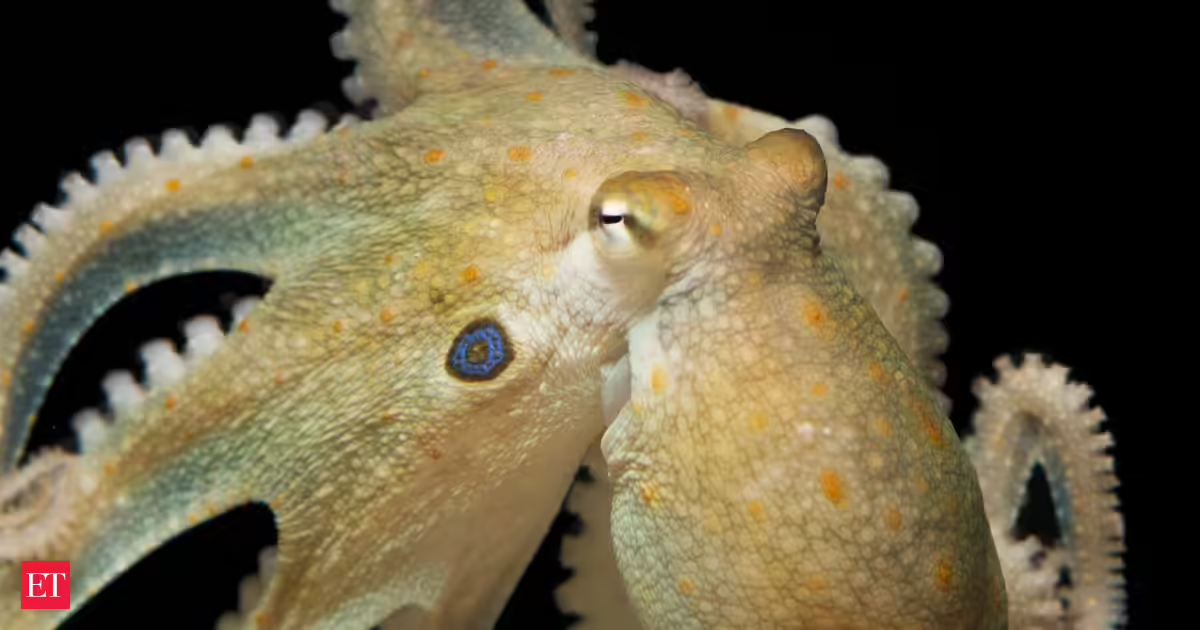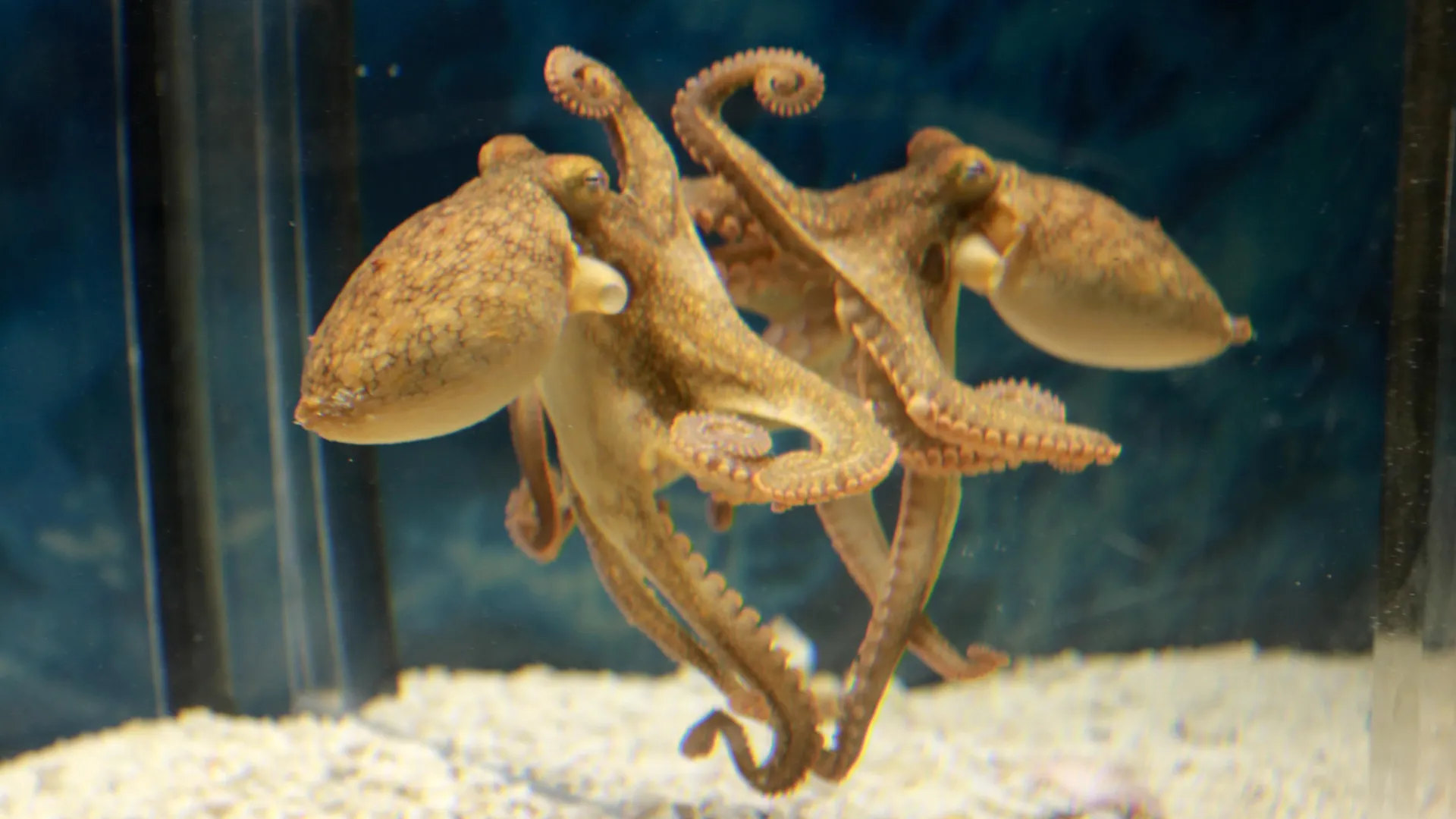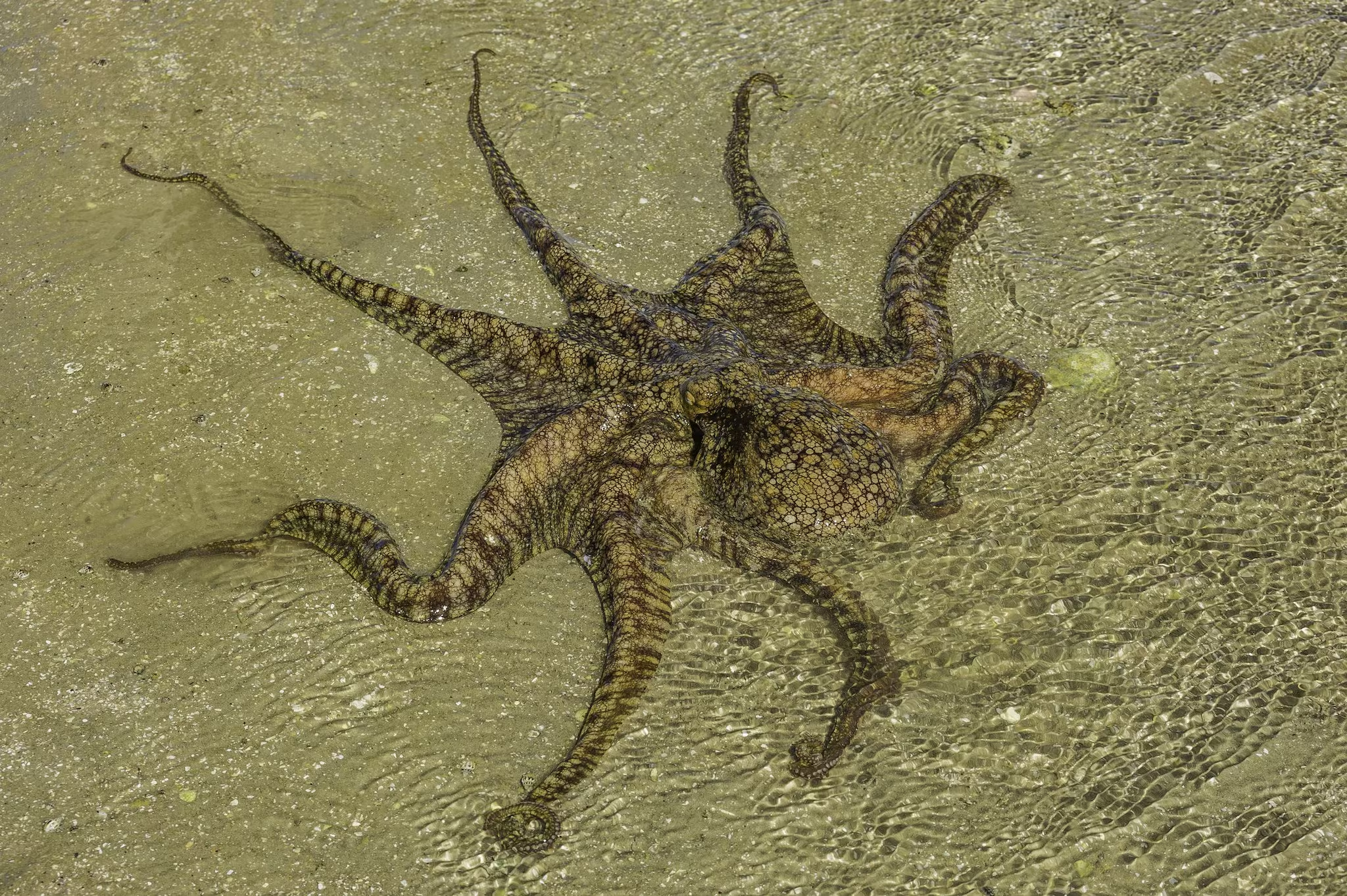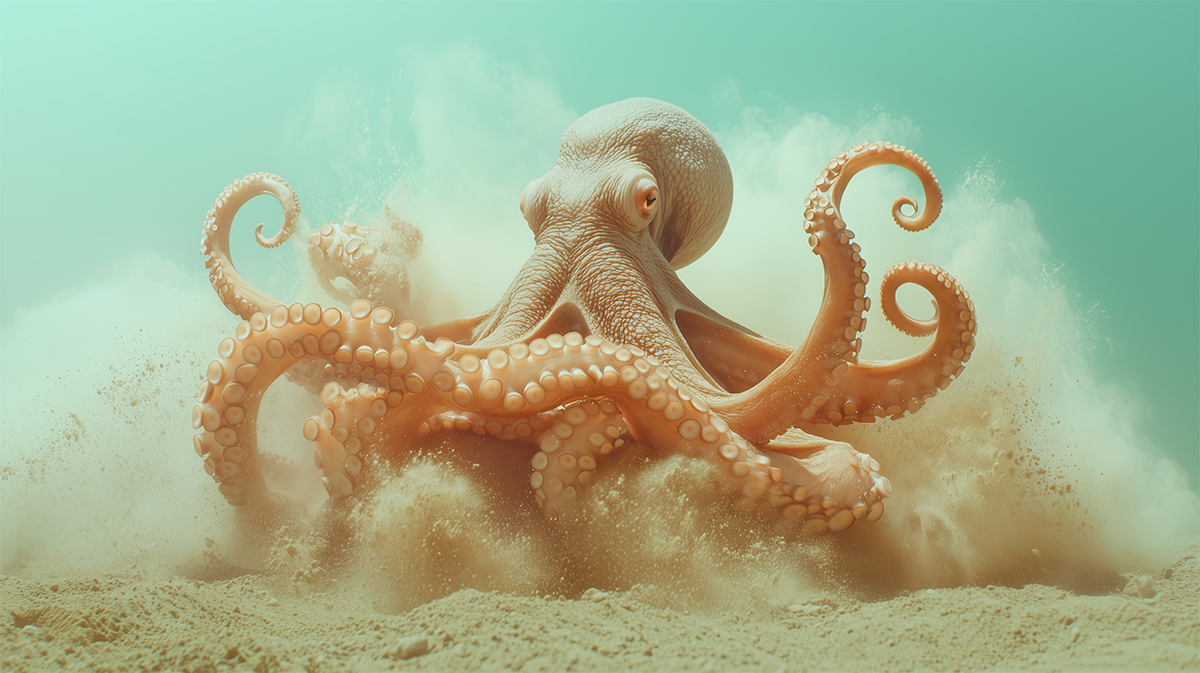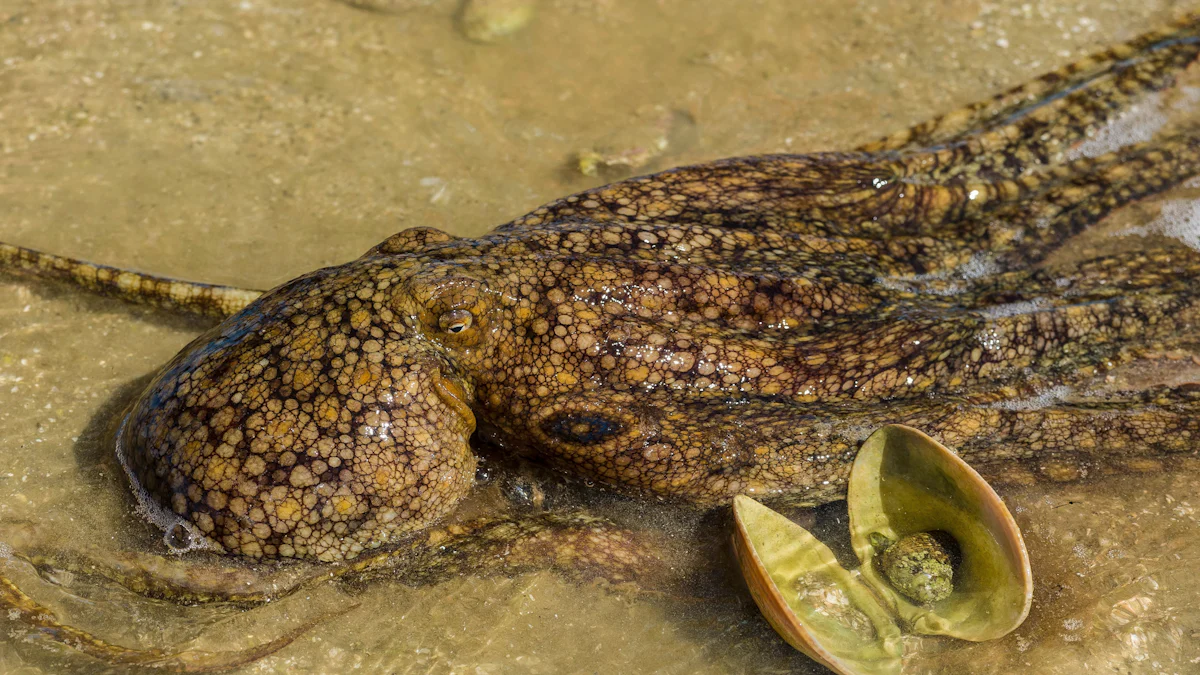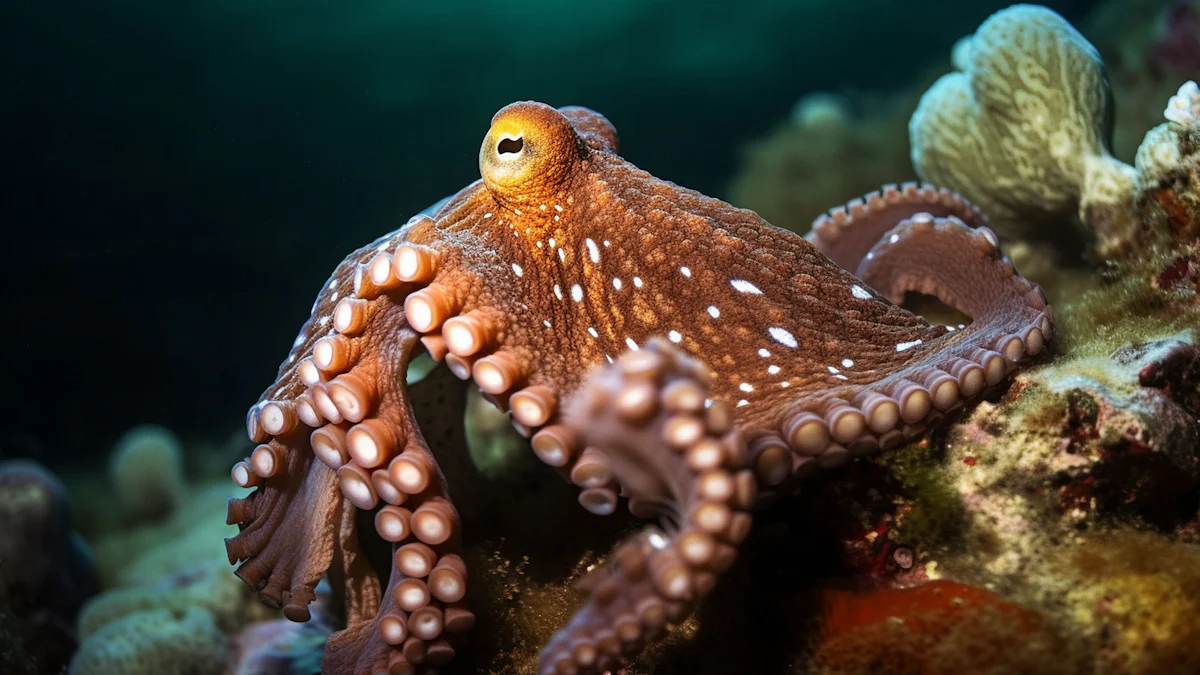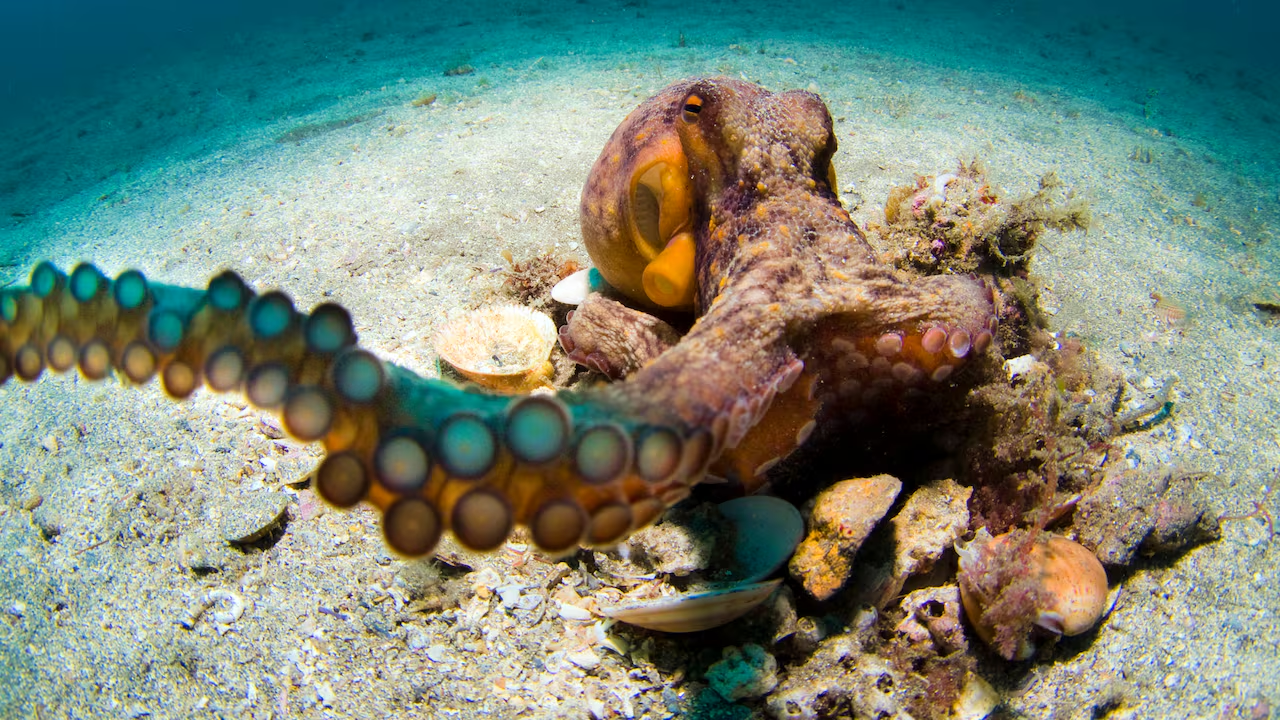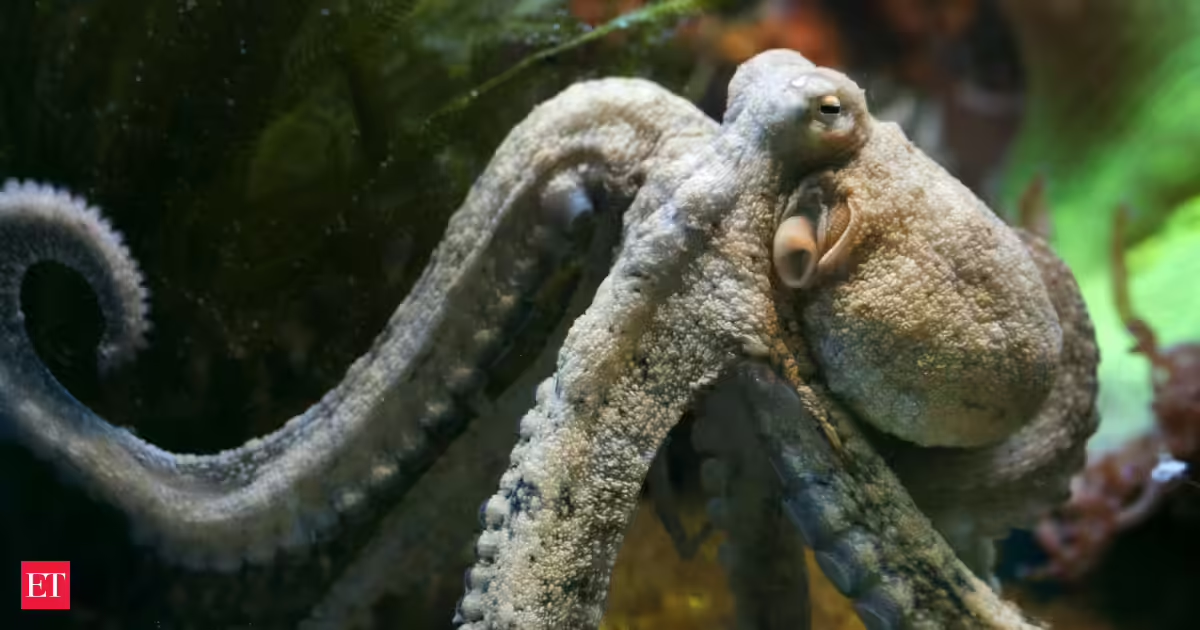
Octopuses have long fascinated scientists with their problem-solving skills, escape artistry and remarkable intelligence. One famous example was Inky, the octopus that made headlines after escaping from a New Zealand aquarium and finding his way back to the ocean.Read more: Egyptian Pharaoh Tutankhamun's dagger came from space? Scientists' 2016 discovery revealed the truthNow, a new study has added another impressive ability to the list. According to a ScienceDaily report, researchers at Dartmouth College have found that octopuses can learn to use mirrors to locate food hidden from direct view, a skill previously documented only in certain vertebrates such as mammals and birds.The findings, published in Current Biology, offer fresh insights into animal intelligence and could change how scientists understand the evolution of complex cognition.Octopus Intelligence Study Shows Animals Can Use MirrorsAs reported by ScienceDaily, the researchers wanted to investigate whether octopuses could use a mirror as a tool to understand their surroundings and locate prey.The study focused on three California two-spot octopuses (Octopus bimaculoides) living in Dartmouth's Octopus Lab.Researchers trained the animals to recognise the connection between a reflected image and the real-world location of an object. To test this ability, food was placed where the octopus could only see it through a mirror.Instead of moving towards the reflection itself, the octopuses learned to identify the actual location of the food and navigate towards it.According to lead author Mary Kieseler, the findings represent the first evidence that an invertebrate can use a mirror to understand its environment in order to find prey.How Octopuses Learned To Use MirrorsAccording to the ScienceDaily report, the animals first spent time becoming familiar with mirrors placed inside their habitat.Researchers then introduced training exercises using a live crab inside a glass jar. The crab could only be seen through the mirror, forcing the octopus to understand that the reflection represented a real object located elsewhere.To reach the reward, the octopus had to turn away from the mirror and move around an obstacle.This learning process mirrors how humans gradually learn to use mirrors in everyday life.Senior author Peter Tse explained that people are not born understanding mirrors. Instead, they learn through experience, much like learning to use a rear-view mirror while driving.Mirror Test For Octopuses Produced Impressive ResultsFor the main experiment, researchers replaced real prey with a virtual crab image to eliminate the possibility that smell or taste influenced the results.As cited by ScienceDaily, each octopus was placed in a start box with a mirror positioned directly in front of it.The virtual crab appeared behind the animal on either the left or right side and could only be viewed through the mirror.To earn a live crab reward, the octopus had to correctly determine where the image was actually located.The results were striking.The octopuses selected the correct location approximately 73% of the time, demonstrating that they were using information from the mirror to make decisions.Octopus Spatial Cognition May Be More Advanced Than Previously ThoughtResearchers also monitored how the animals moved towards the reward.While the octopuses did not always choose the shortest route, they became noticeably faster at finding the correct location as testing continued.This improvement suggests that the animals were learning and adapting their behaviour based on experience.According to the ScienceDaily report, some octopuses even climbed over the side of the testing box instead of swimming around it, showing flexibility in their approach to solving the task.These behaviours point towards surprisingly sophisticated spatial reasoning abilities.What The Octopus Mirror Study Reveals About IntelligenceOne reason the findings have generated excitement is their potential impact on our understanding of how intelligence evolves.Humans and octopuses share an extremely distant evolutionary relationship. Scientists estimate that their last common ancestor lived between 350 million and 500 million years ago.Despite this enormous evolutionary gap, both species appear capable of solving certain spatial problems using similar cognitive strategies.Researchers believe this could be an example of convergent evolution, where unrelated species independently develop similar solutions to comparable challenges.Why Mirror Use Matters In The WildAccording to Peter Tse, an octopus's natural hunting strategy may help explain why these skills evolved.Octopuses are ambush predators. They often stalk prey, hide among rocks and coral, and strike quickly when the opportunity arises.Living in complex underwater environments filled with obstacles may encourage the development of advanced spatial awareness.Researchers suggest that octopuses could benefit from maintaining an internal understanding of their surroundings, helping them navigate efficiently while hunting and avoiding predators.Do Octopuses Have Mental Maps?One of the most intriguing questions raised by the study concerns whether octopuses possess mental maps of their environment.As cited in ScienceDaily, the researchers believe the findings hint at this possibility, although more evidence is needed before reaching a firm conclusion.A mental map allows an animal to understand its position relative to objects and locations within its surroundings.Such abilities are often associated with highly intelligent animals, including mammals and birds.If future research confirms that octopuses possess similar capabilities, it would further strengthen their reputation as some of the most intelligent invertebrates on Earth.Octopus Intelligence Continues To Surprise ScientistsThe new study adds yet another remarkable achievement to the growing list of octopus abilities.From escaping aquariums and solving puzzles to recognising individuals and now using mirrors to locate hidden food, octopuses continue to challenge assumptions about animal intelligence.As researchers continue exploring the minds of these fascinating creatures, they may uncover even more evidence that complex thinking is not limited to animals with backbones.For now, the mirror experiment serves as another reminder that life beneath the ocean's surface can be far more intelligent than many people realise.
Scientists could hardly believe what these octopuses learned to do with a simple mirror, their impressive ability has left researchers stunned
A new study reveals octopuses possess remarkable intelligence. These sea creatures can now use mirrors to find hidden food. This ability was previously observed only in animals with backbones. Researchers at Dartmouth College conducted the study. The findings suggest octopuses have advanced spatial reasoning. This discovery challenges our understanding of animal cognition and evolution.
915 words~4 min read