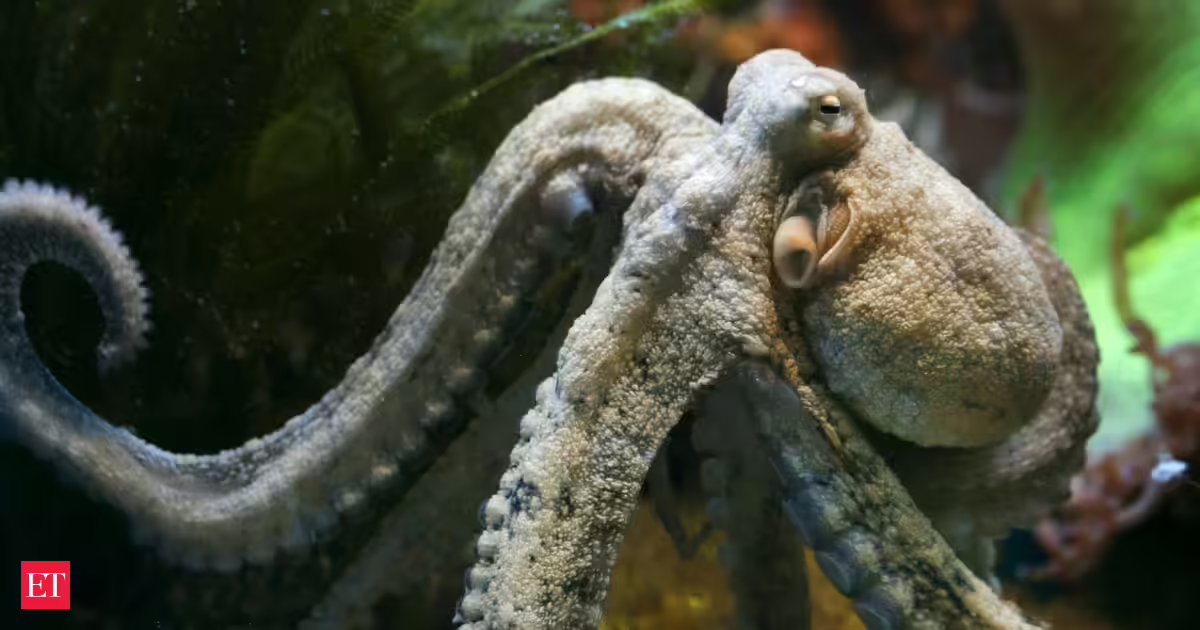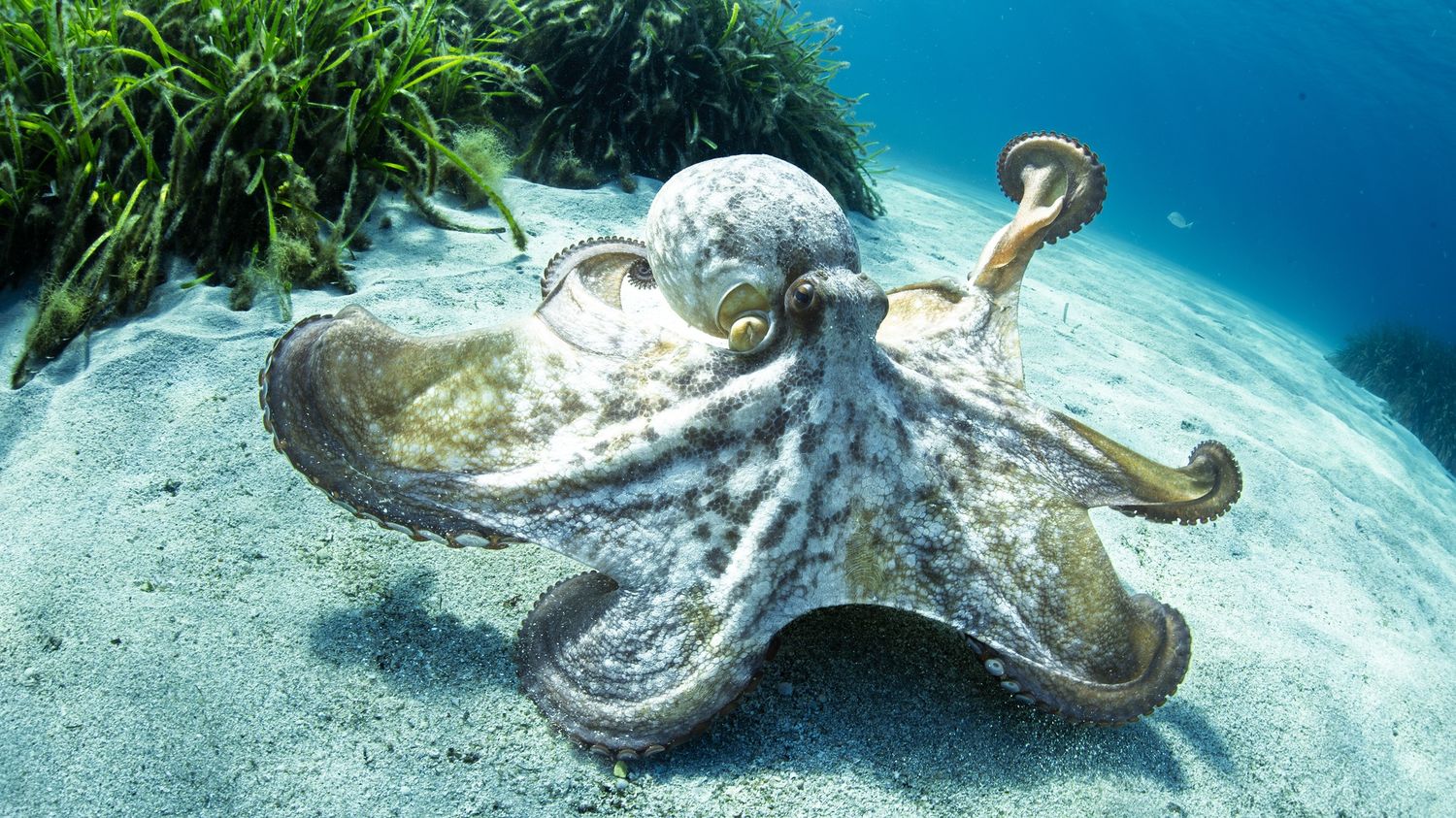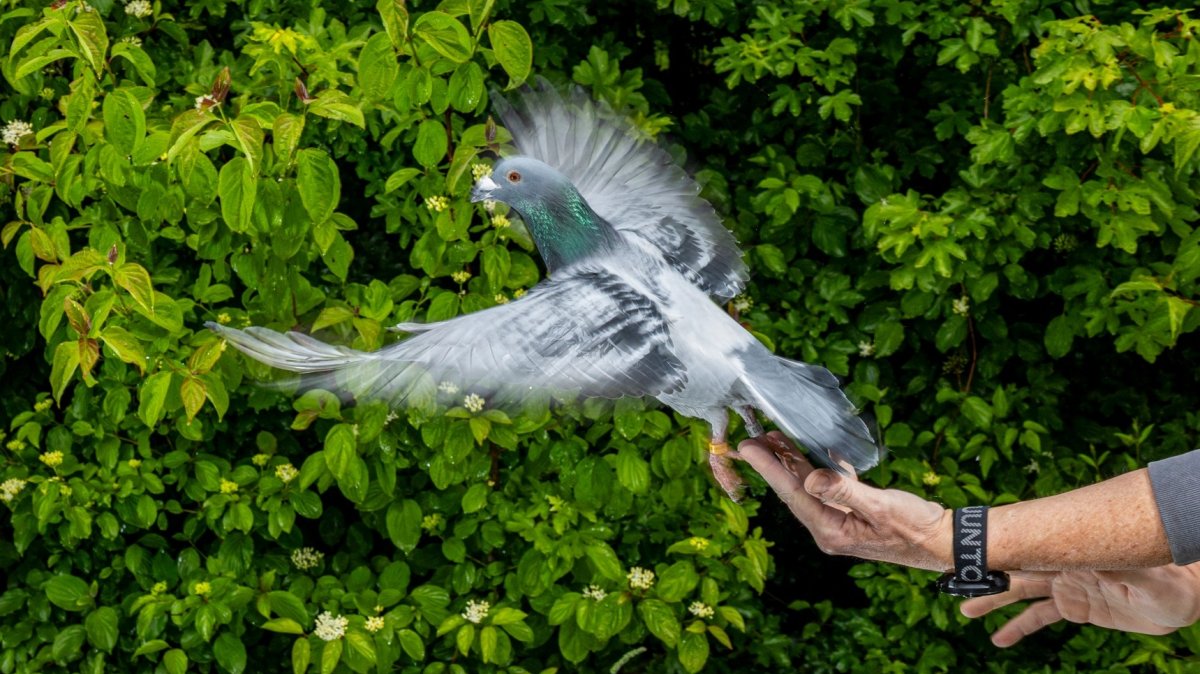
Octopuses have long been known for their remarkable intelligence. One famous example was Inky, the octopus that escaped from New Zealand's National Aquarium in 2016 by squeezing through a drainpipe and making its way back to the ocean.
Now, researchers at Dartmouth have uncovered another impressive ability. A new study published in Current Biology found that octopuses can learn to use mirrors to locate food hidden from direct view, demonstrating sophisticated spatial thinking.
"Our findings are the first to demonstrate that invertebrates can use mirrors to understand their environment to find prey," says lead author Mary Kieseler, Guarini '25, who conducted the research as a PhD student in the Department of Psychological and Brain Sciences at Dartmouth and is now a postdoc at Switzerland's University of Fribourg. "It's a skill that previously has only been documented in vertebrates, such as in some mammals and some birds."
Octopuses Learn to Use Mirrors
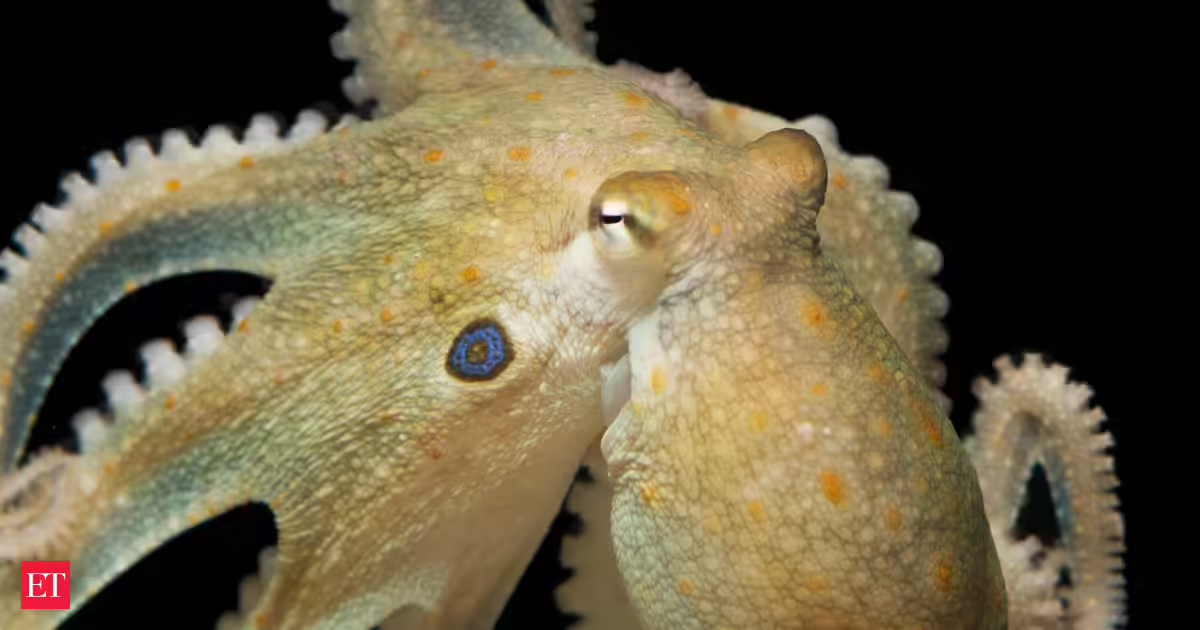
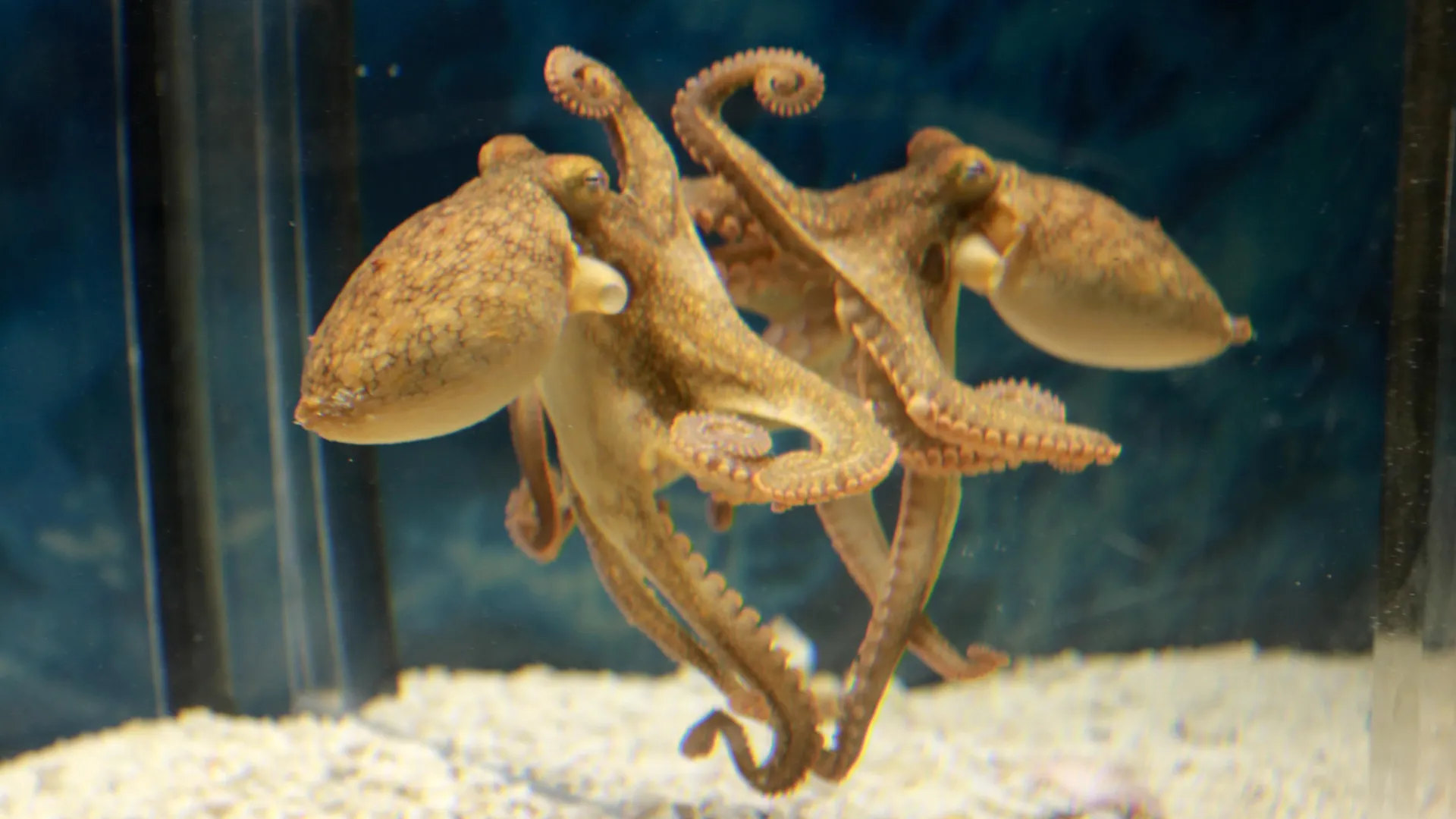
The research team worked with three California two-spot octopuses (Octopus bimaculoides) housed in Dartmouth's Octopus Lab.