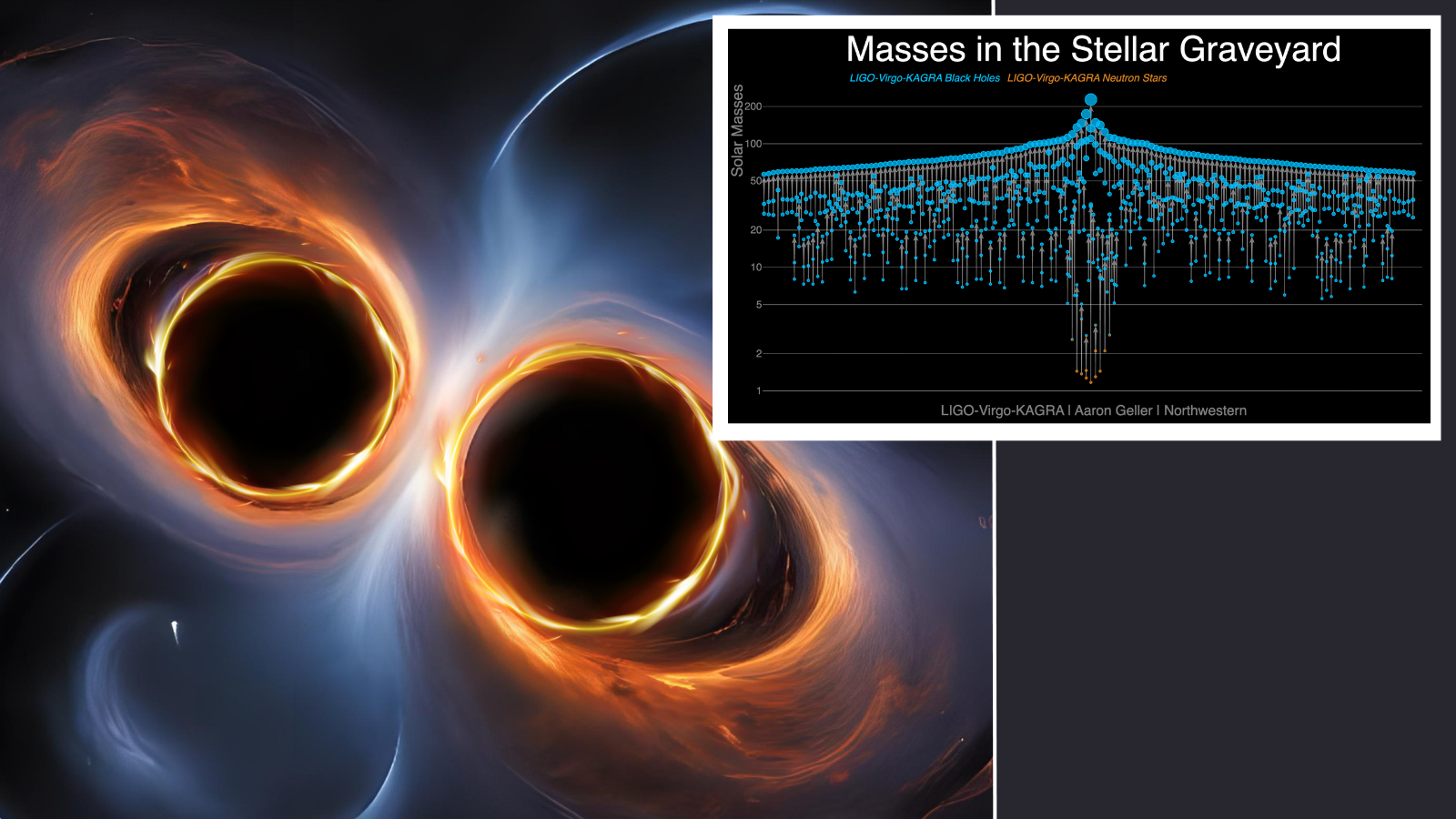
Astronomers from the University of Oxford and the Max Planck Institute for Gravitational Physics (Albert Einstein Institute) have outlined a new strategy for uncovering one of the universe's most elusive objects: tightly bound pairs of supermassive black holes.
These giant black hole duos are expected to form naturally after galaxies merge. Although astronomers have identified some widely separated supermassive black hole pairs, finding those that orbit much closer together has proven far more difficult.
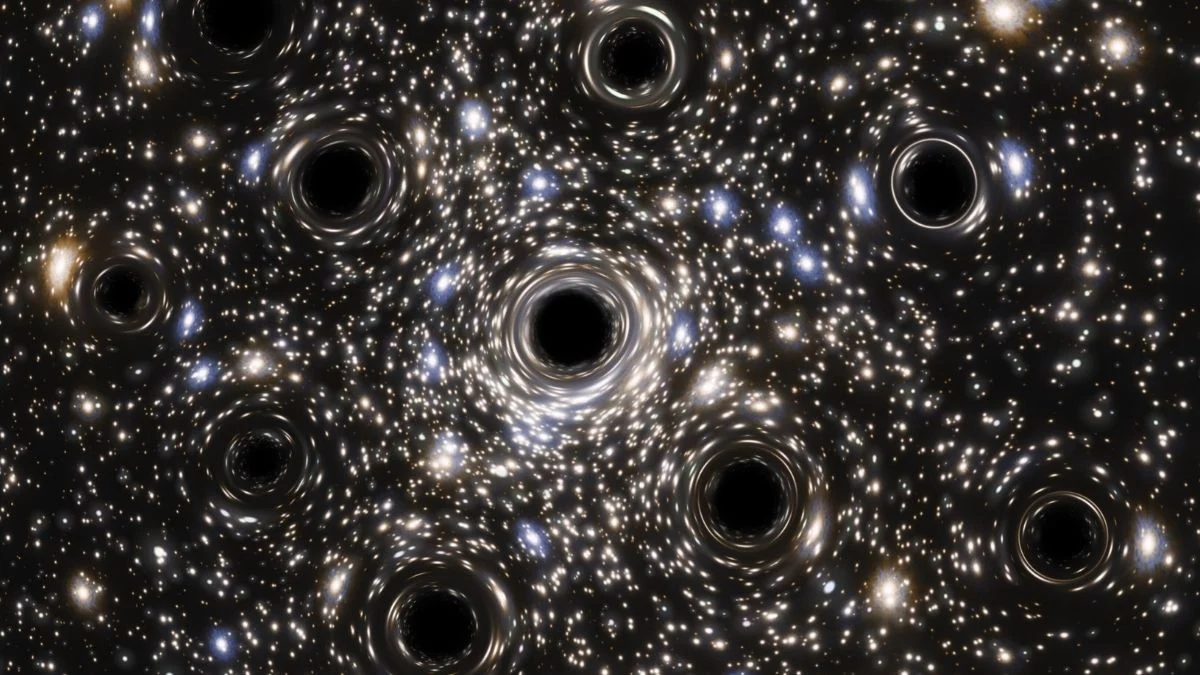
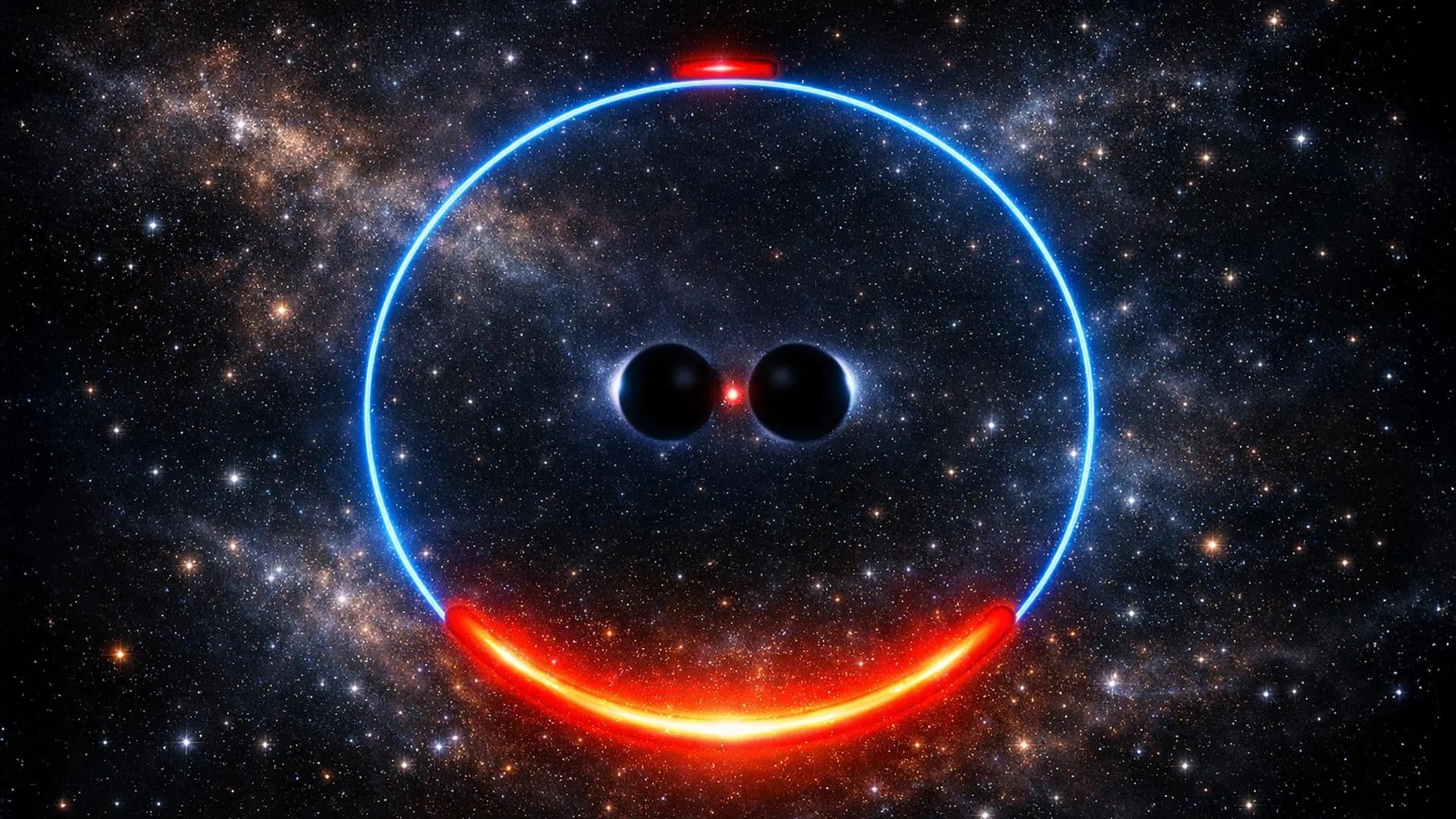
In a study published in Physical Review Letters, the researchers suggest searching for a distinctive signal. As the black holes orbit each other, their immense gravity could repeatedly magnify the light from stars located behind them, creating recurring flashes that may reveal the hidden systems.
Galaxy Mergers Create Supermassive Black Hole Binaries
Most galaxies contain a supermassive black hole at their center. When galaxies collide and eventually combine, their central black holes can become gravitationally bound, forming what scientists call a supermassive black hole binary.