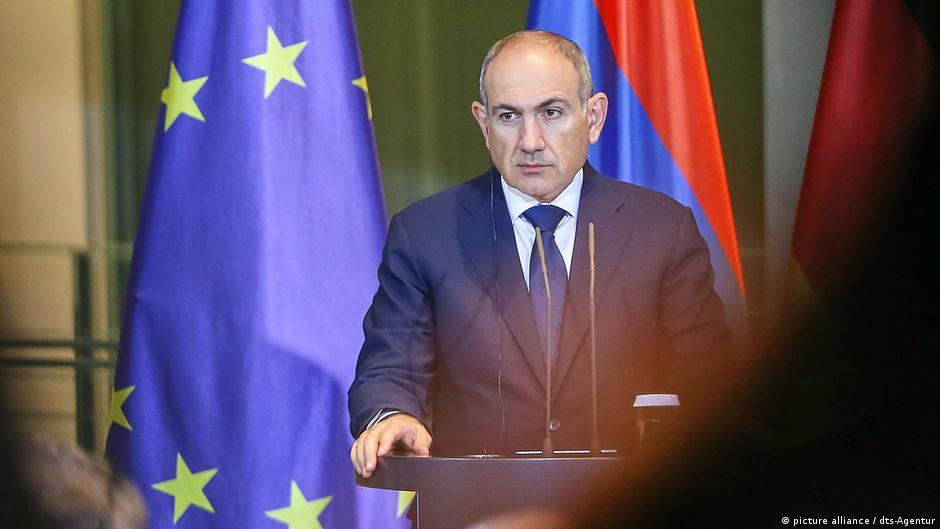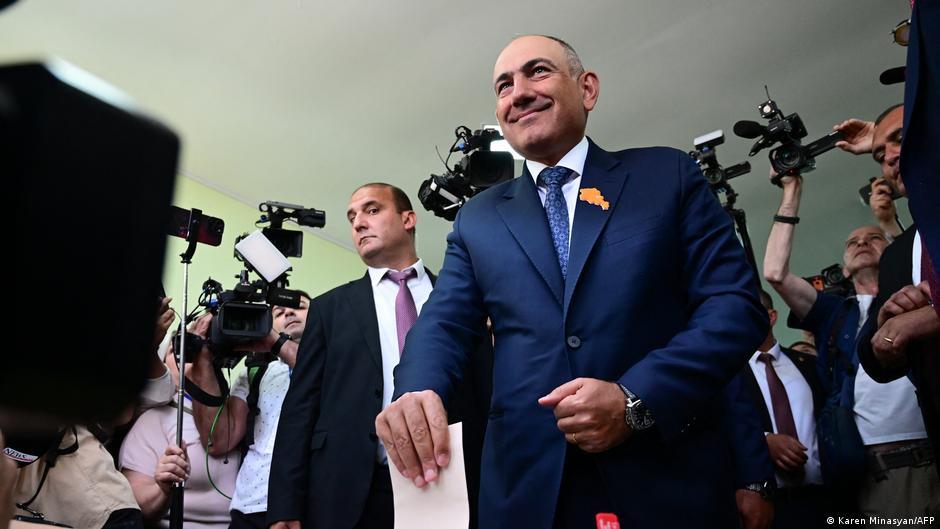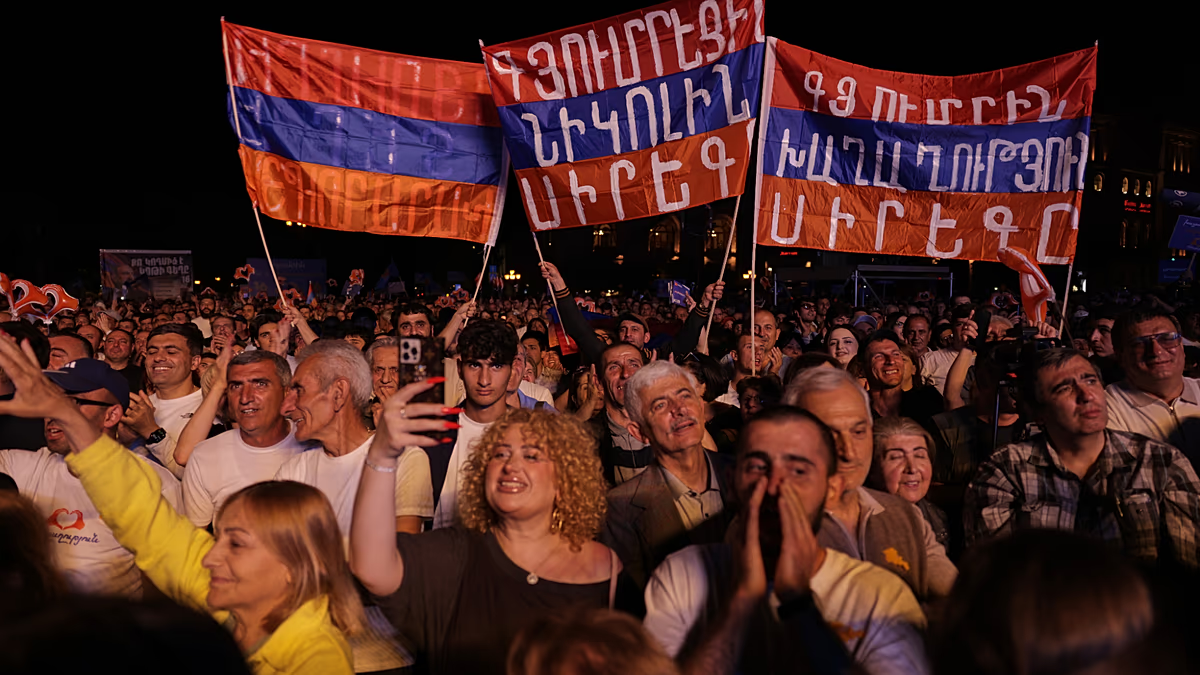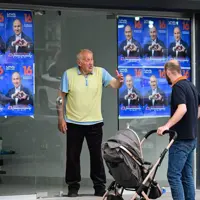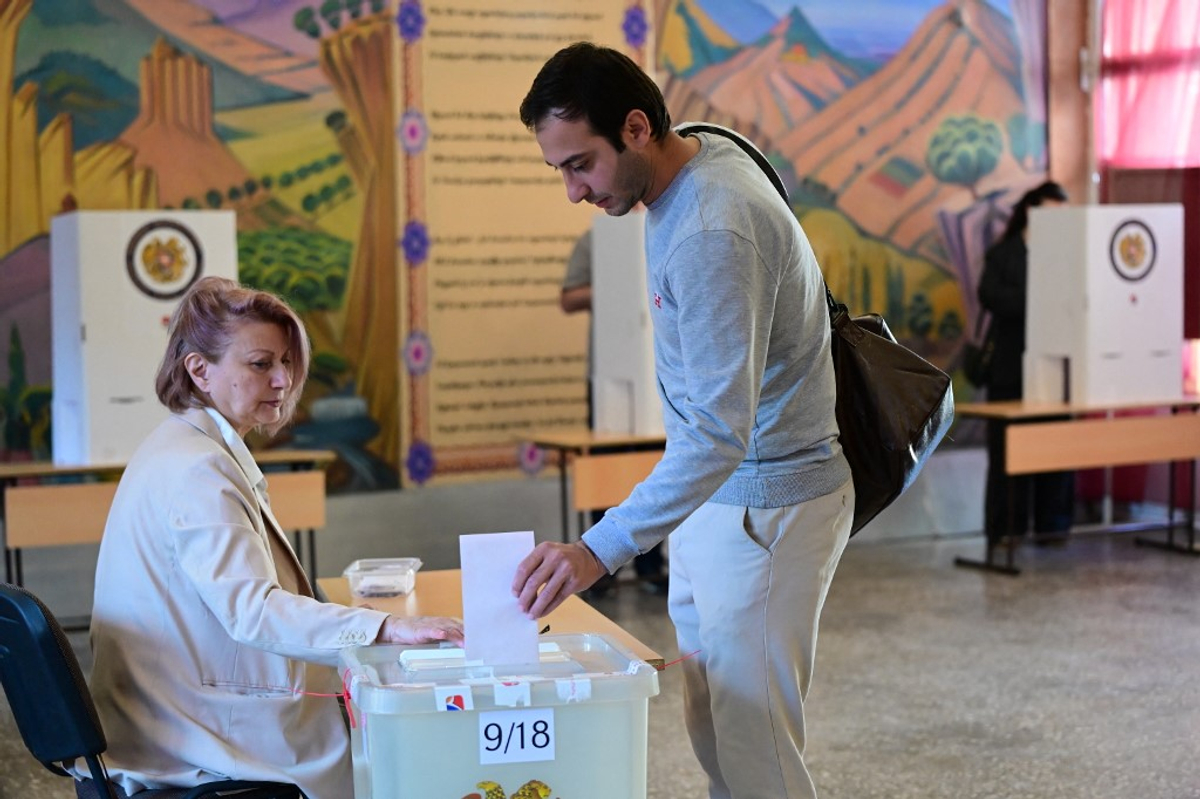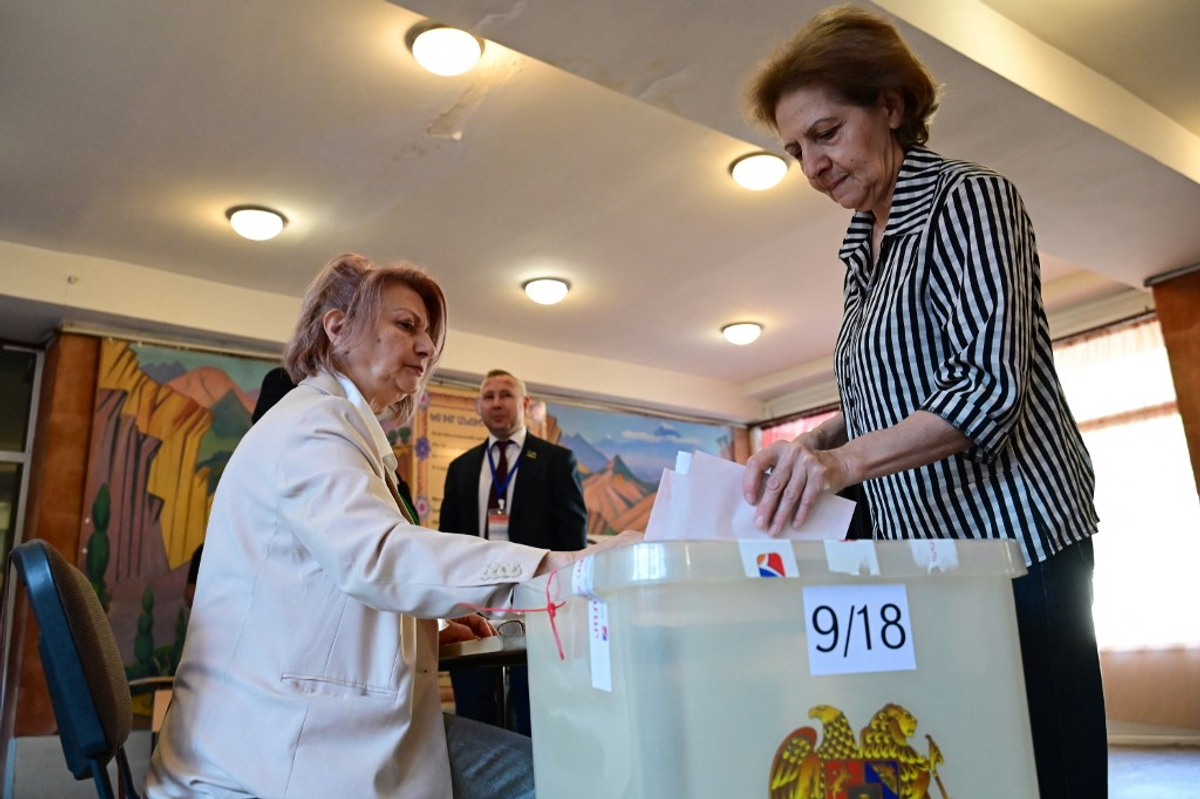
The parliamentary elections to be held in Armenia on June 7 cannot be read merely as a conventional change of government or a routine struggle for power. These elections represent the reflection at the ballot box of Armenia’s new geopolitical choice, shaped by its post-Soviet security dependency, its post-Karabakh identity crisis, the rupture in its strategic ties with Russia, its search for a Western-oriented foreign policy, and the ongoing peace process with Azerbaijan. For this reason, the election in Yerevan has also turned into a regional moment of rupture closely monitored by Moscow, Baku, Ankara, Brussels, and Washington.
The central question of these elections is this: Will Armenia continue to remain within the Russia-centered security architecture, or will it seek to institutionalize the Western-oriented trajectory that began under Pashinyan?
In fact, the issue is not limited to a simple question of “Russia or the West.” At a deeper level, it brings to the forefront a much more fundamental debate: the reconstruction of Armenia’s state mind, its capacity to confront the new power geopolitics and realities that emerged in the region after the Second Karabakh War, and whether Armenia will position itself in the South Caucasus through peace or through a revisionist security discourse.