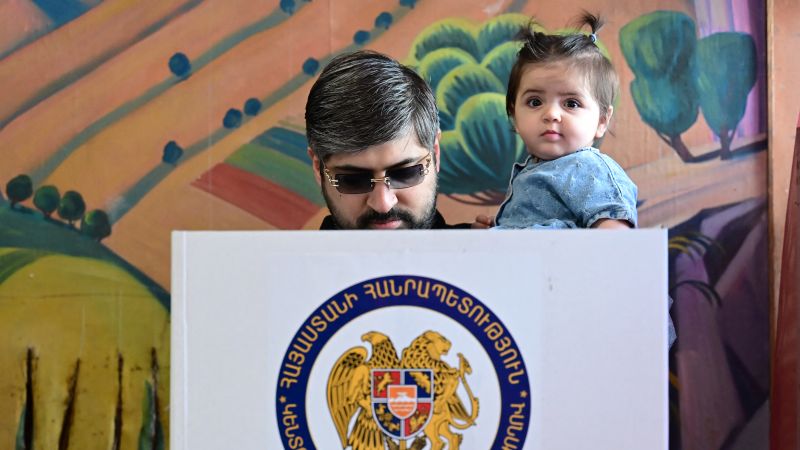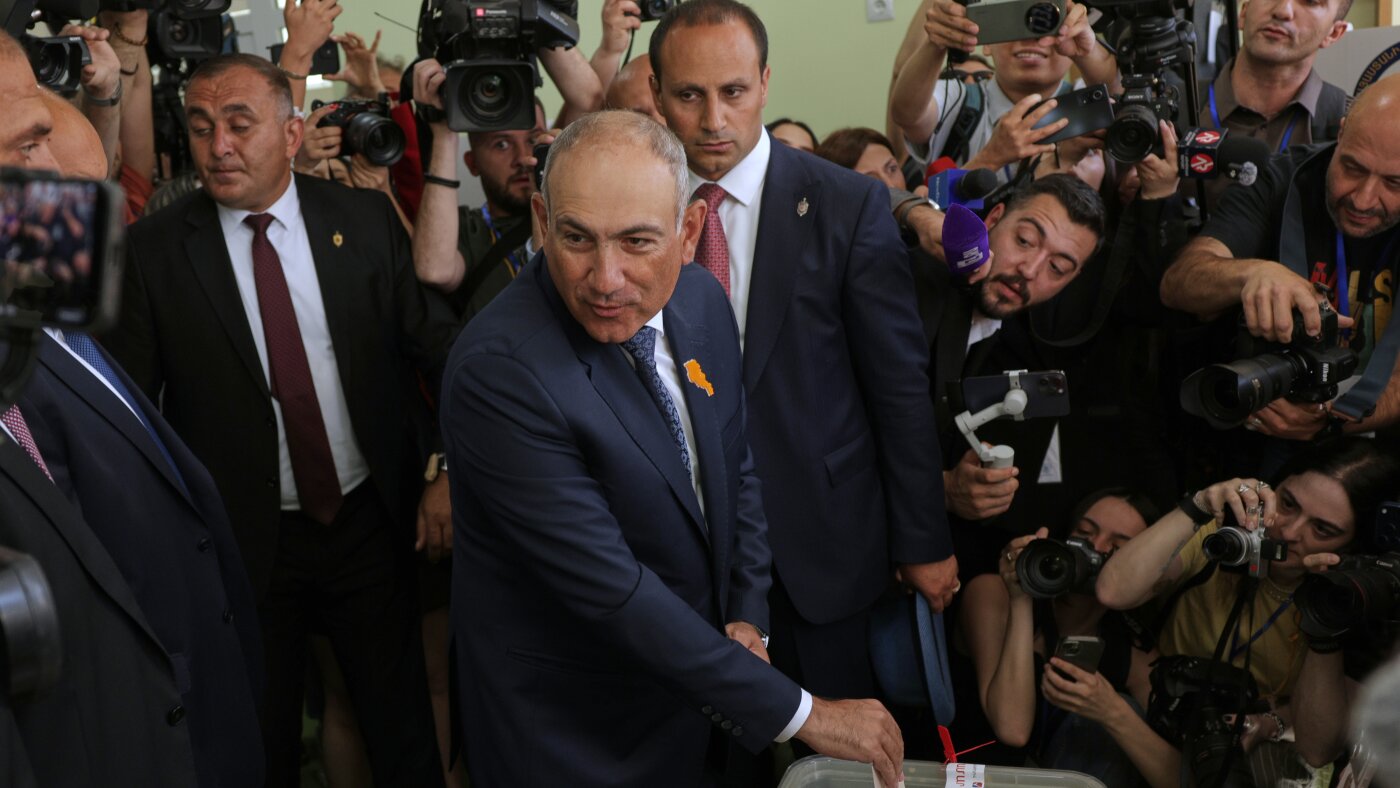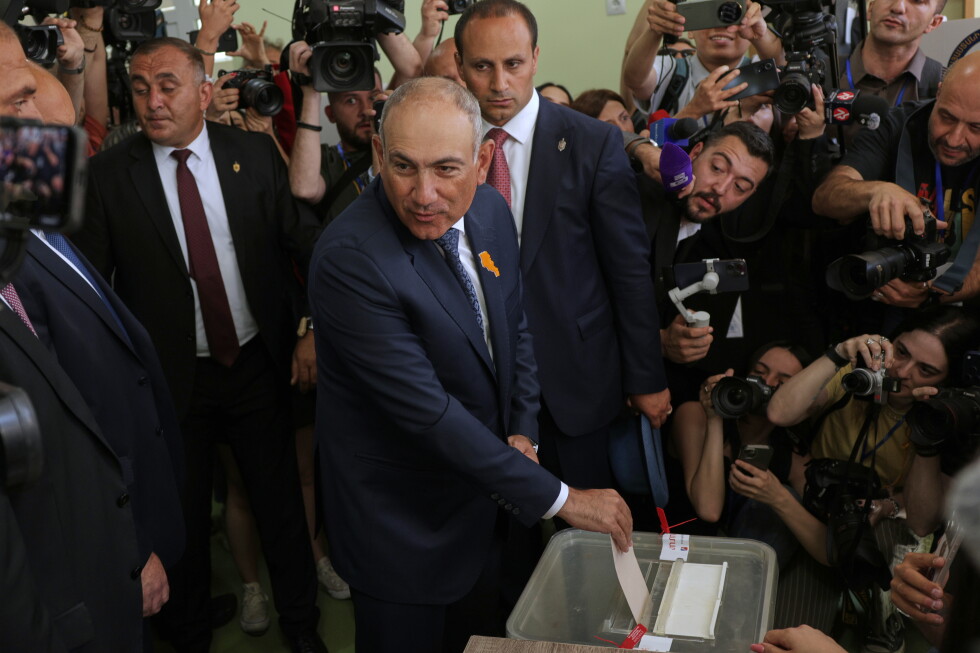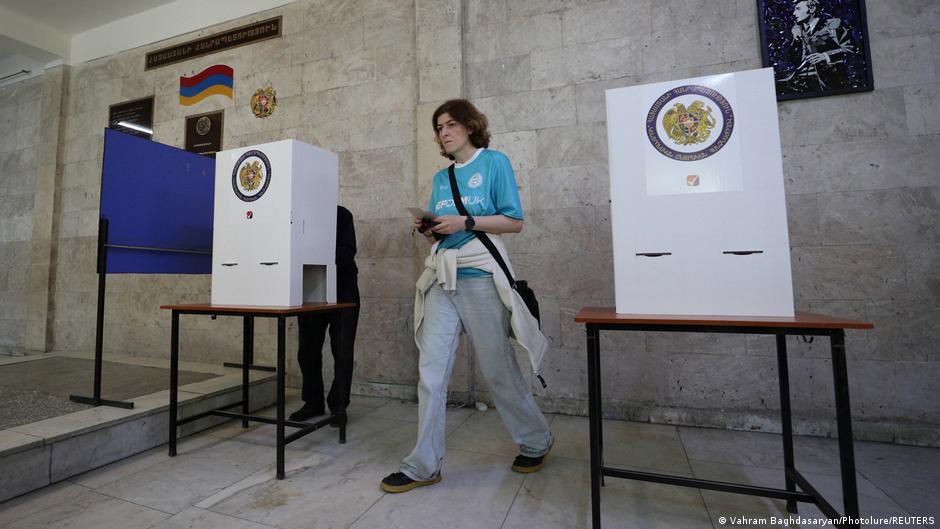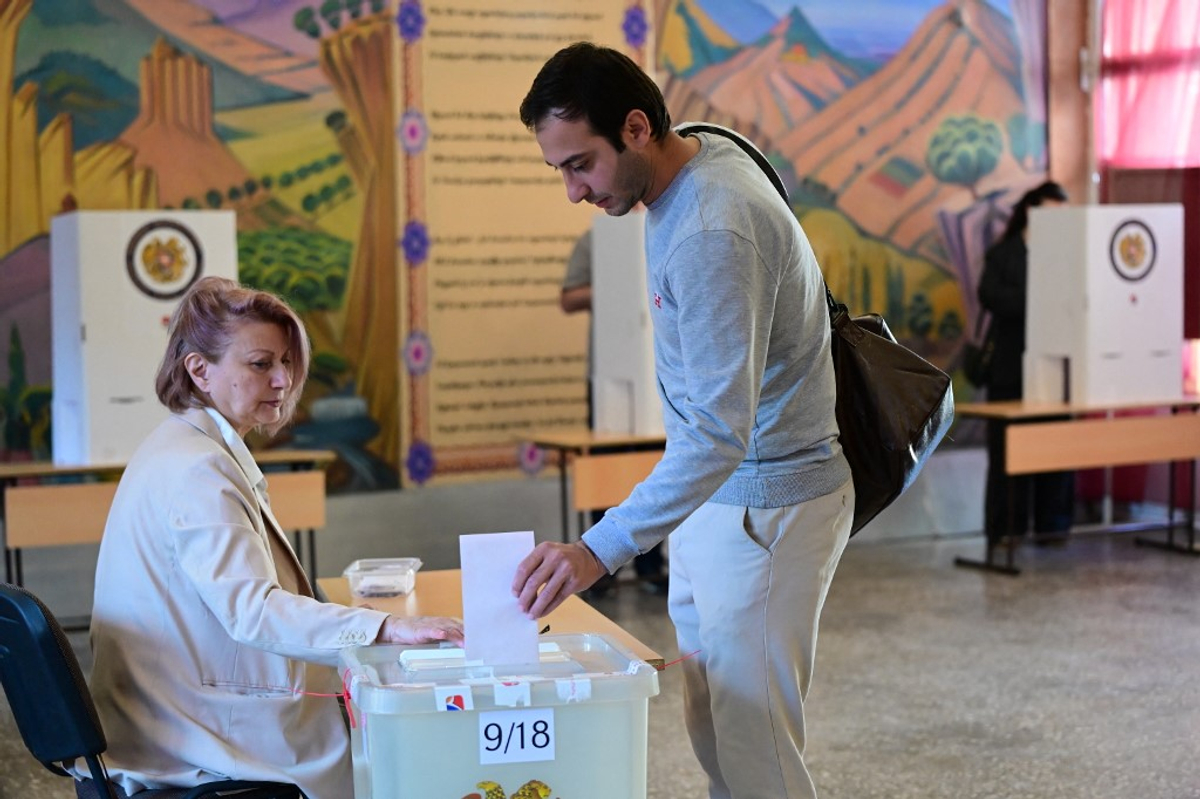
Armenians vote on Sunday, June 7, in a parliamentary election that is being framed across the country and beyond as a referendum on whether Yerevan continues its drift away from Moscow or pulls back from it. The choice carries weight far beyond Armenia's borders and the Kremlin has made unmistakably clear which outcome it prefers.
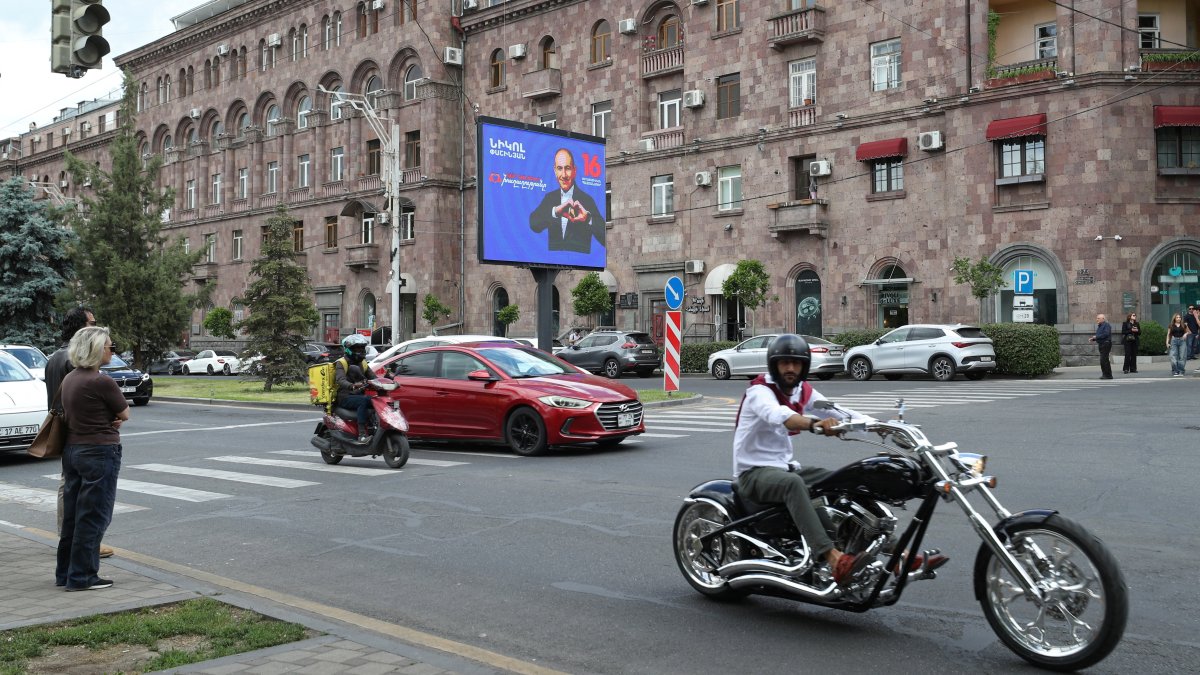
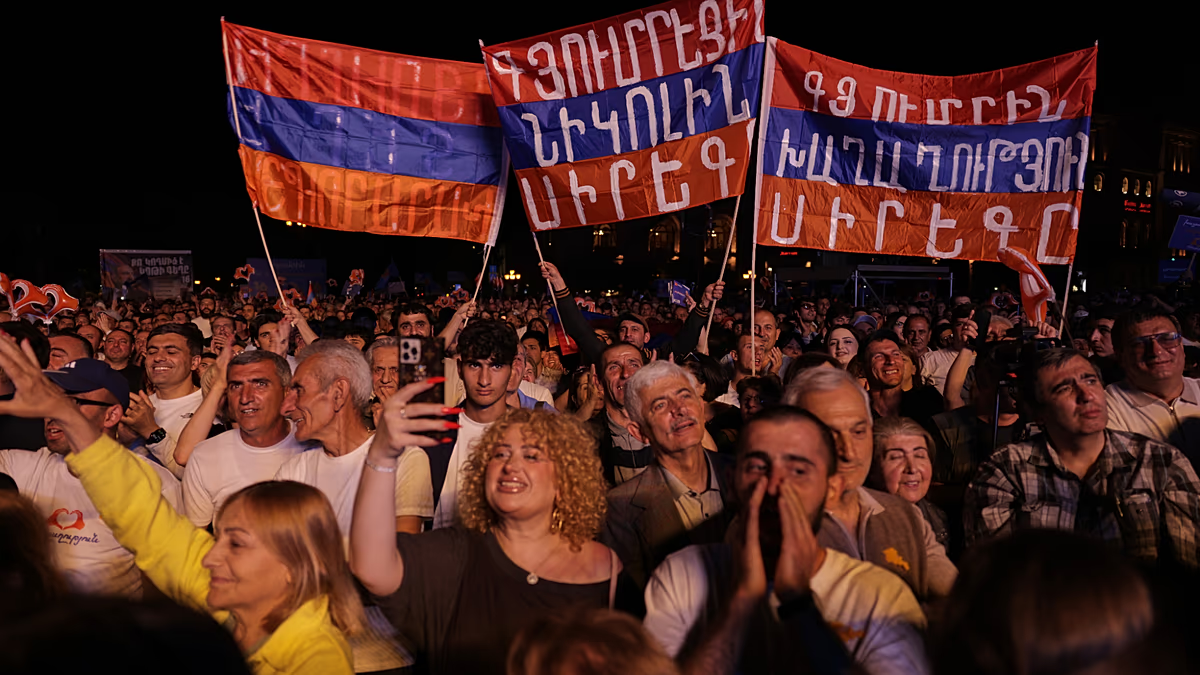
Prime Minister Nikol Pashinyan, the 51-year-old former journalist who came to power through a peaceful street revolution in 2018, is widely expected to lead his Civil Contract party to another victory. Polls show him in first place, though without a commanding lead in a fragmented field of 19 parties and coalitions competing for 101 seats. He has spent the campaign touring the country by bus, live-streaming from local stops, posing his hands in a heart shape at rallies, and earlier this year even formed a musical group in which he plays drums. The image he is projecting is deliberate and unconventional. The geopolitical stakes are not.
Drifting West Since the Karabakh Defeat
Pashinyan's foreign policy since 2020 has been a slow but unmistakable distancing from Russia. The defeat in the second Nagorno-Karabakh war that year, followed by the final loss of the region to Azerbaijan in 2023, convinced him and a large portion of the Armenian public that Russian security guarantees were worthless. Russian peacekeepers stationed in Karabakh did not intervene when Azerbaijan moved in, and Moscow withdrew its troops in April 2024. Yerevan responded by freezing its participation in the Collective Security Treaty Organization, the Russian-led defense bloc, and deepening contacts with Brussels and Washington.