Making Sustainability Count on World Environment Day: How Beko Focuses on Lowering Water and Energy Consumption from Factories to Homes
PR Newswire
ISTANBUL, June 5, 2026
ISTANBUL, June 5, 2026 /PRNewswire/ -- Beko, a leading home appliances company, is marking World Environment Day by highlighting a suite of technologies designed to deliver tangible reductions in energy and water consumption at home. This focus on resource reduction extends to the company's global production facilities, where circular manufacturing practices and operational processes drive lower energy and water usage as well as lower waste generation.
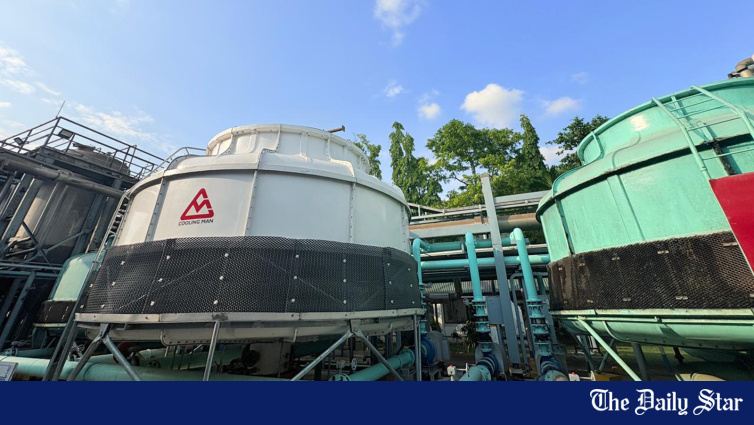
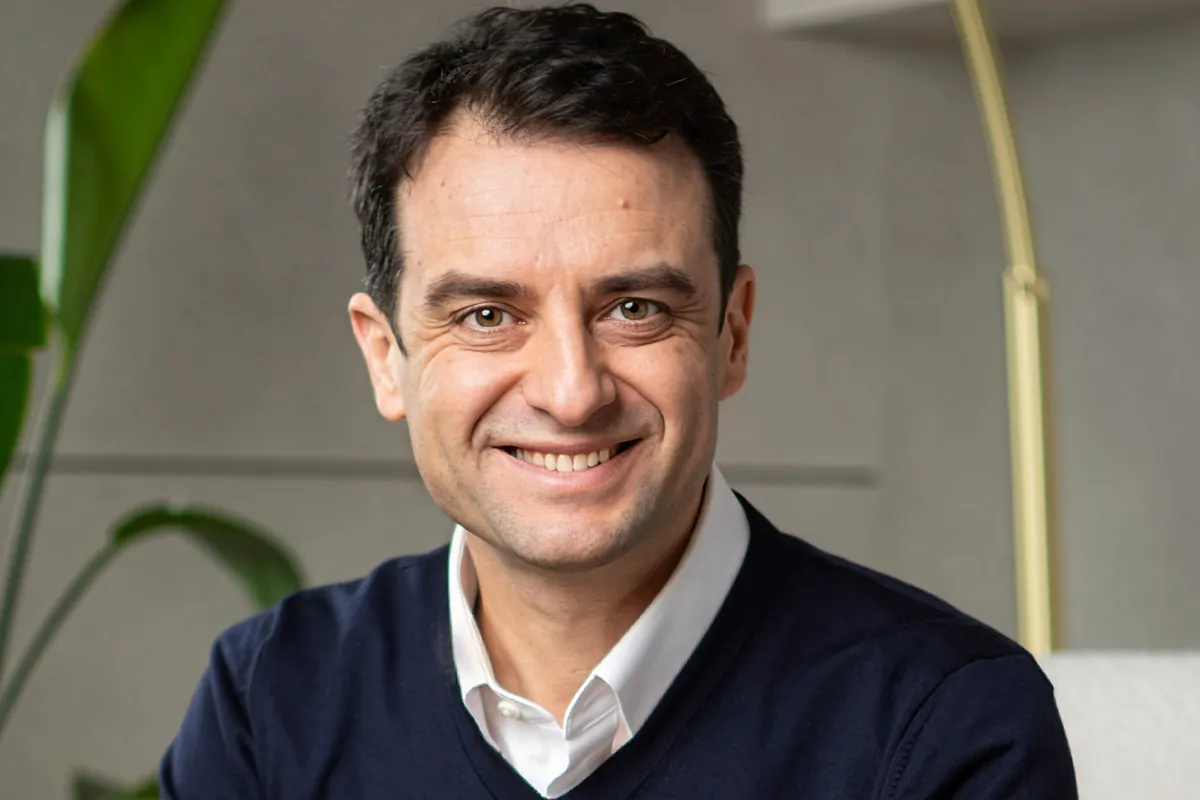
Across its washing machine and dishwasher range, Beko integrates advanced technologies designed to optimize daily resource use. These advancements, including PowerIntense for dishwashing and EnergySpin for laundry, focus on lowering water and energy consumption respectively during everyday household routines.Optimizing Resource Use Across Household RoutinesBeko's PowerIntense dishwasher technology delivers cleaning performance with as little as 5.9 liters of water per cycle, while delivering up to five times better cleaning performance[1].This resource-saving capability is a meaningful advancement at a time when water scarcity is a growing concern in many markets.When it comes to daily laundry routines, EnergySpin technology in washing machines reduces energy consumption by up to 35%[2] compared to equivalent Beko machines without the technology. Together, these technologies demonstrate how Beko's innovation can simplify everyday life while supporting lower resource use and optimized utility consumption for households.Resource Management and Waste Reduction at the Core of ProductionLowering resource consumption at home is closely linked with sustainable manufacturing practices. This commitment begins directly within Beko's production facilities, where targeted operational updates drive measurable environmental improvements. Reducing water usage in products and production processes is a critical focus for Beko in all markets across its suite of products and technologies. For instance, at the Manisa Washing Machine Plant in Türkiye, targeted optimizations have reduced water consumption per product by approximately 79%. Meanwhile, at its Singer facility, plastic waste has been cut by more than 90%.These efforts support a broader corporate commitment: Beko aims to reduce Scope 1 and 2 greenhouse gas emissions by 42% by 2030. Across its sites in Türkiye, Romania, Egypt and Bangladesh, best-in-class sustainability efforts are demonstrated through WEF-recognised leadership[3], initiatives to reduce waste generation and improve waste recovery in manufacturing operations[4], and renewable energy use[5]."We at Beko believe that real environmental responsibility requires looking at the bigger picture; combining how we manage our production with how our products perform at home," said Can Dinçer, CEO of Beko, "Over the years, we have built sustainability into one of our strongest capabilities through continuous innovation and investment. By driving water and energy efficiency and reducing waste across our global manufacturing operations, as well as developing appliances that lower everyday resource consumption, we focus on practical sustainability. Our ultimate goal is to make mindful resource conservation a seamless and natural part of daily life, without requiring any compromise from our consumers."ABOUT BEKO Beko is an international home appliance company with a strong global presence, operating through subsidiaries in more than 55 countries with a workforce of around 45,000 employees and production facilities spanning multiple regions—including Europe, Asia, Africa, and the Middle East. Beko has 22 brands owned or used with a limited license (Arçelik, Beko, Whirlpool*, Grundig, Hotpoint, Arctic, Ariston*, Leisure, Indesit, Blomberg, Defy, Dawlance, Hitachi*, Voltas Beko, Singer*, ElektraBregenz, Flavel, Bauknecht, Privileg, Altus, Ignis, Polar). Beko is the largest white goods company in Europe with its market share (based on volumes) and reached a consolidated turnover of 10.7 billion Euros in 2025. Beko's 28 R&D and Design Centers & Offices across the globe are home to over 2,000 R&D employees and hold more than 4,500 international registered patent applications to date. The company has achieved the highest score in the S&P Global Corporate Sustainability Assessment (CSA) in the DHP Household Durables industry for the seventh consecutive year (based on the results dated 16 October 2025).** The company has been recognized as the 17th most sustainable company on TIME Magazine and Statista's 2025 list of the World's Most Sustainable Companies. Beko's vision is 'Respecting the World, Respected Worldwide.' www.bekocorporate.com *Licensee limited to certain jurisdictions.**The data presented belongs to Arçelik A.Ş., a parent company of Beko. [1] Based on 3rd party test report, PowerIntense Spray technology is compared to reference model equiped with CornerIntense Spray, with Intensive 70 program.[2] EnergySpin: In addition to savings in the Eco 40-60 declaration program, the Cottons, Synthetics, Xpress/Super Express, Delicates/Wool/Handwash, Mix, Darkcare and Outdoor/Sports programs achieve up to 35% less energy consumption compared to equivalent Beko machines without EnergySpin technology, without compromising washing performance.[3] Beko's advanced manufacturing leadership is recognized through three production facilities admitted to the World Economic Forum's (WEF) Global Lighthouse Network for their advanced Industry 4.0 integration. These include the Eskişehir Refrigerator Plant and Ankara Dishwasher Plant in Türkiye, alongside the Ulmi Washing Machine Plant in Romania. Furthermore, the Ulmi facility is distinguished as one of only ten Sustainability Lighthouses worldwide, recognized for its advanced water and energy management, advanced wastewater treatment, and 100% renewable energy use.[4] Beko's Egypt facility is operational since H2 2024. With a total area 114,000 m², production capacity of 1.5 million units/year, built to zero-waste principles, designed to achieve up to 50% energy savings versus conventional facilities. In its first year, the factory produced ~200 products across 10 brands and exported to 40 countries.[5] Singer Bangladesh manufacturing facility is a 135,000 m² complex in Bangladesh Special Economic Zone. It features AI and IoT, solar power and rainwater recovery, zero-waste protocols. The facility has a capacity to supply 90% of domestic demand for refrigerators, washing machines, and TVs. Also produces cable harnesses for Beko's other factories with over 5 million units planned for 2026.