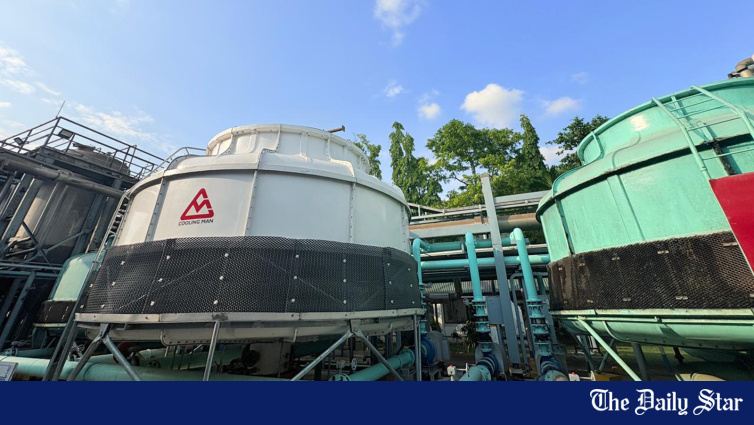
Unilever Bangladesh integrates industrial efficiency and circular innovation to lead national sustainability.
34 MIN(s) ago
51 MIN(s) ago
[Promotional content]As World Environment Day 2026 dawns, the global conversation has shifted from abstract warnings to an urgent, localised demand for climate action and resource efficiency. In Bangladesh, a nation uniquely positioned on the front lines of climate change, the challenge is multifaceted: managing a burgeoning plastic waste crisis while maintaining industrial growth. The latest research from the Environment and Social Development Organization (ESDO) paints a stark picture, revealing that between 3.15 and 3.84 billion single-use plastic bottles are produced annually within the country. However, only 21.4 percent of these materials find their way into recycling streams. Against this backdrop of environmental urgency and the impending implementation of Extended Producer Responsibility (EPR) regulations, Unilever Bangladesh Limited (UBL) has emerged as a vanguard of industrial transformation.The company’s journey is not merely about corporate social responsibility; it is a fundamental reimagining of how a global giant operates within a local ecosystem. Unilever Bangladesh’s products currently reach nine out of every ten households in the country. This unparalleled market penetration brings with it a massive responsibility—one that the company has met by embedding sustainable development into the very architecture of its business. From the historic factory floors of Chattogram to the retail aisles of Dhaka, Unilever is proving that environmental performance and long-term business stability are not only compatible but mutually reinforcing.The Kalurghat Legacy: A Symbol of Industrial EvolutionThe heart of Unilever’s operations in Bangladesh is the Kalurghat Factory. Located on the western bank of the Karnaphuli River in Chattogram, this facility began its journey in 1964. Following the nation’s independence, the Government of Bangladesh became a 39.25 percent owner of Unilever Bangladesh in 1973. At that time, the factory was celebrated as a symbol of the new nation’s industrial potential. Today, it serves as a global benchmark for sustainable manufacturing.