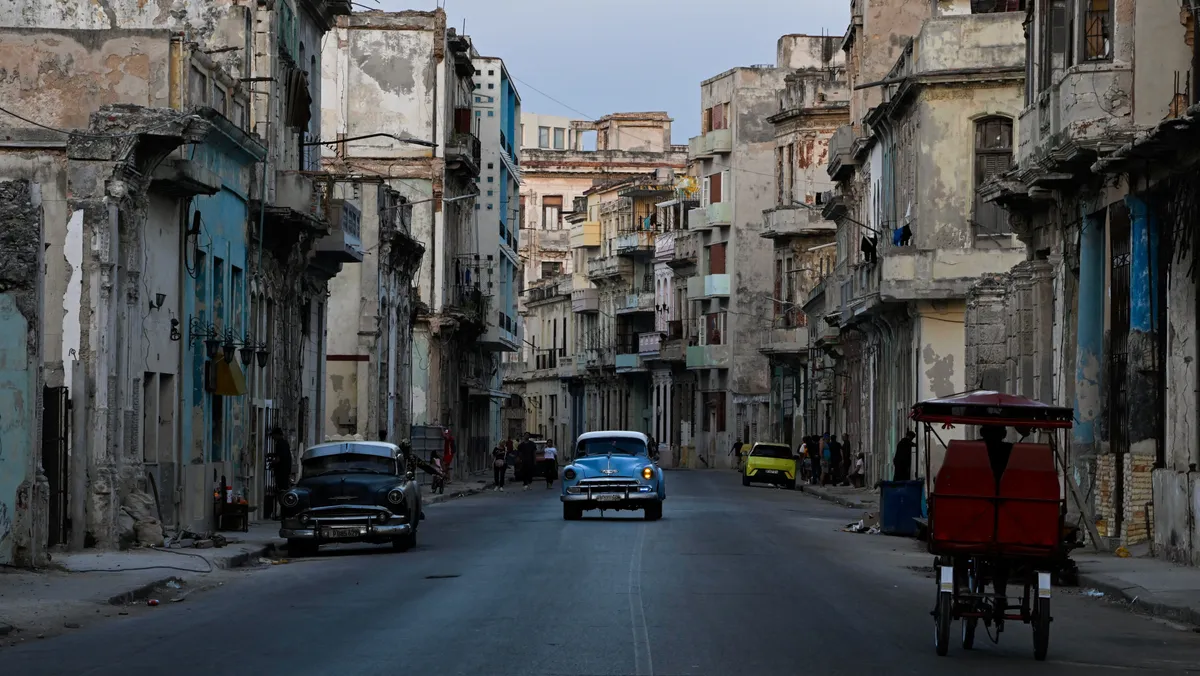
Show Caption
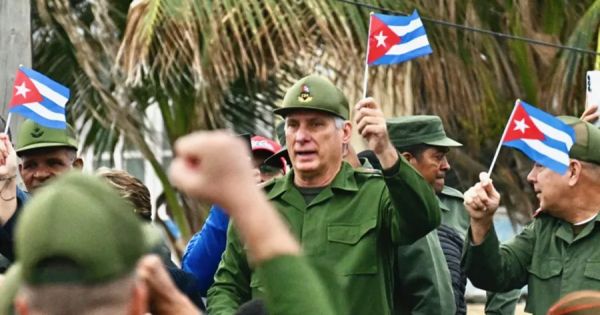
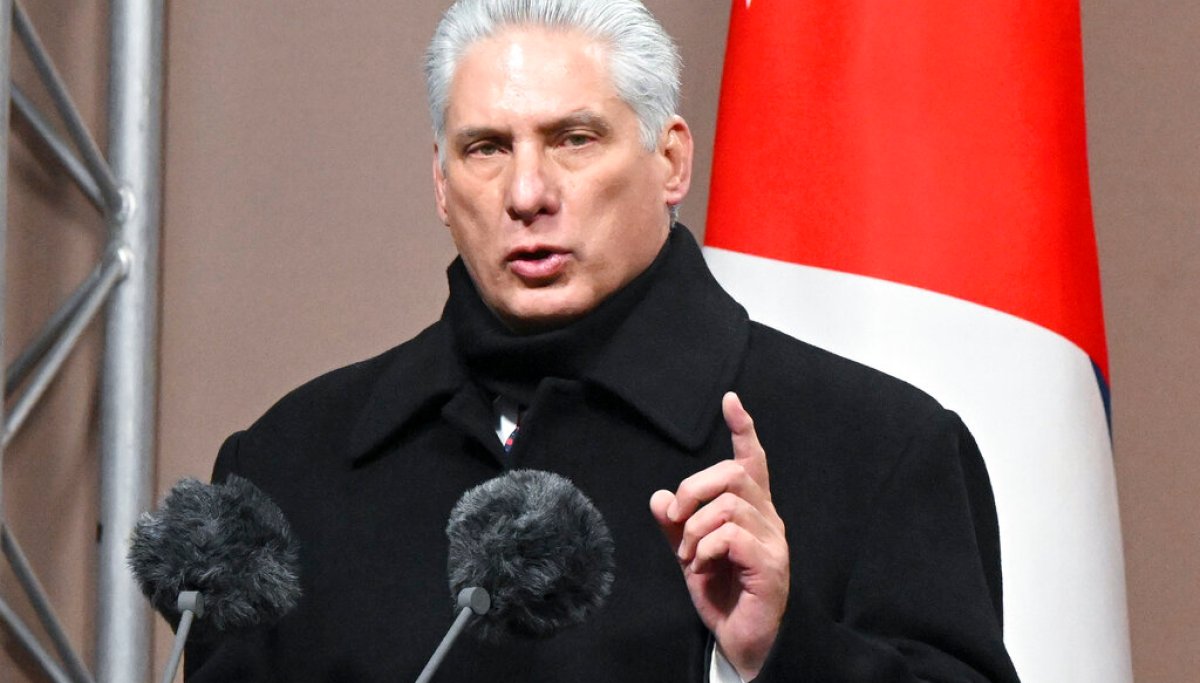
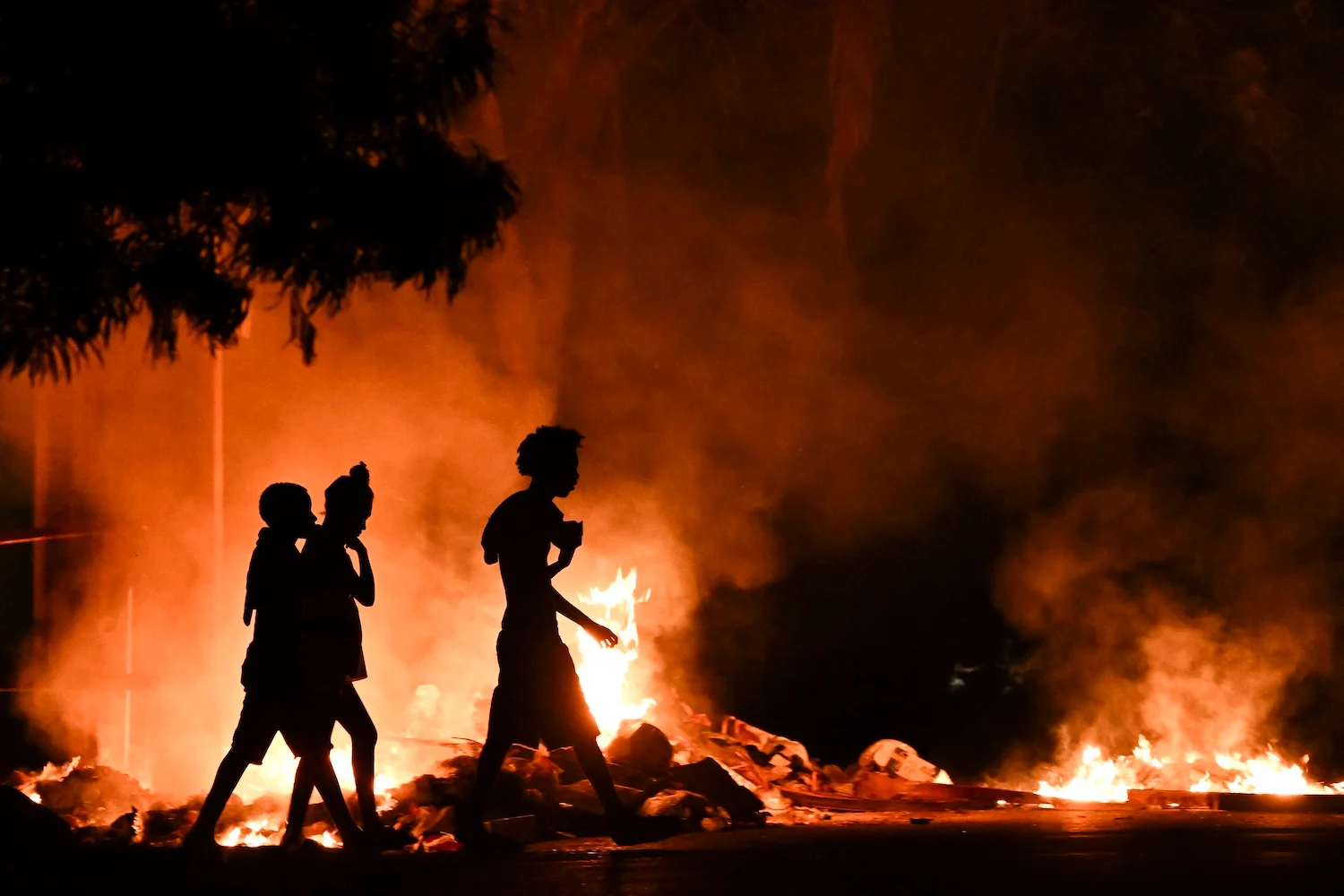
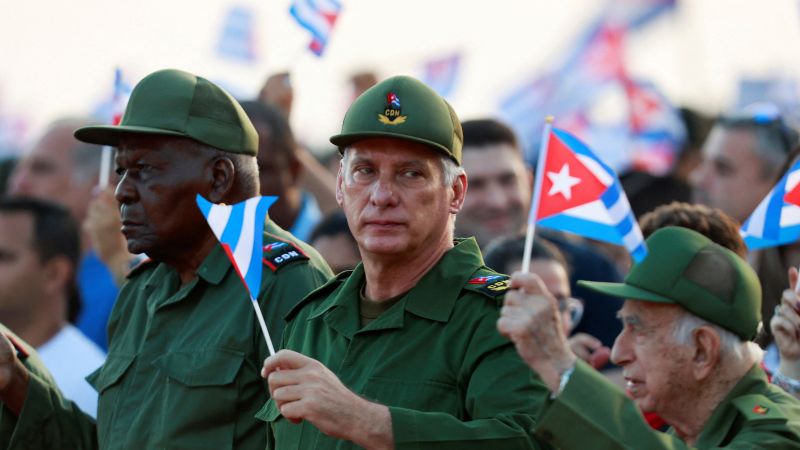
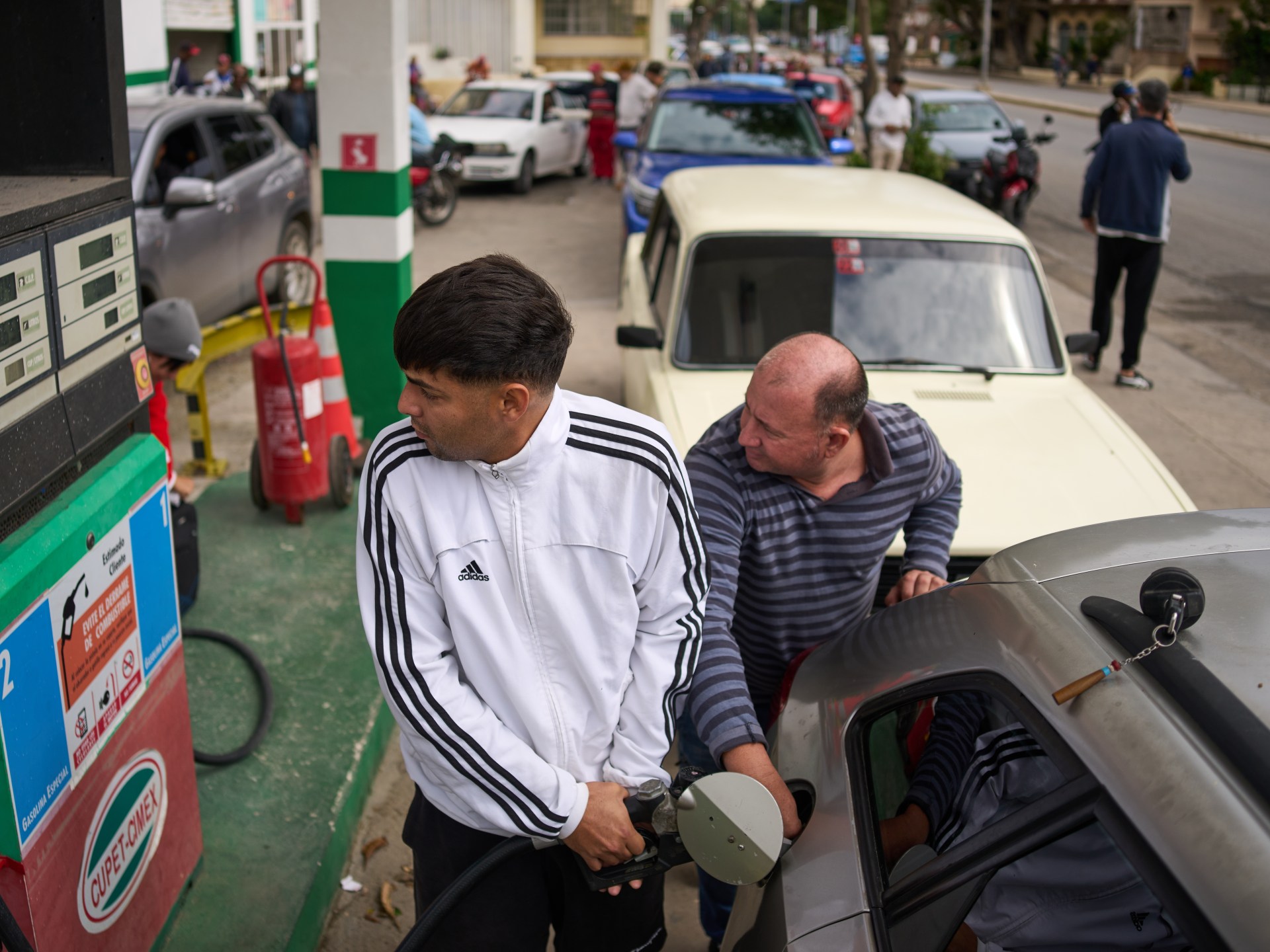
New sanctions freeze the U.S. assets of foreign companies and individuals who do business with the Cuban government.These policies have led to severe shortages of food, medicine, and fuel on the island.WASHINGTON – Total economic and humanitarian strangulation – a Cuba death spiral – appears to be the United States' latest tactic in its 67-year quest to topple the island nation's Communist government.First the Trump administration floated a far-reaching economic deal to open up tourism, attract investment and perhaps make good on long-simmering Cuban-American compensation claims. Then it prepared a series of secret military options, including a snatch-and-grab-style gambit reminiscent of the United States' capture of Venezuela's former president, Nicolás Maduro.Now the plan appears to be painful, slow-motion collapse.After months of escalating pressure on Cuba, President Donald Trump appears intent on choking its Communist-run government into political and economic capitulation, according to people familiar with the administration's thinking on the Caribbean island, seasoned Cuba-watchers and the views of some Cuban diplomats who are trying to piece together months of ambiguous, but ultimately threatening, signals from Washington.An executive order goes into effect June 5 freezing the U.S. assets belonging to foreign companies and individuals that do business with the Cuban regime. On June 4, the Trump administration issued sanctions against Cuban President Miguel Díaz-Canel and members of his immediate family, along with former leader Raúl Castro's son, Alejandro Castro Espín, an official in the interior ministry, and grandson Raúl Alejandro Castro Calis.An economic stranglehold could collapse Cuba's regime quickly, without military involvement, a person close to the White House who was not able to speak publicly said.It's all part of what the Trump administration sees as a process that could take as long as a year to unfold, Victoria Coates, a former deputy national security adviser to the president and close ally of the administration said.The threat of military force from Trump is real, Coates added. "But that doesn't mean it's going to be the first resort."Exclusive: Pentagon ramps up planning for possible military ops in CubaIsmara Vargas Walter, Cuba's ambassador to the United Kingdom, said in a USA TODAY interview that the U.S. strategy toward Cuba, while "multidimensional," appeared intent on "suffocating" the island into submission."This is not a regular dispute. It is something totally politically deliberate. A systematic policy of strangulation," she said. "Every single aspect of daily Cuban life is being impacted from the inability to refrigerate food to education, from lack of medicines to rationing water. You name it. It's really, really difficult."Cuba and Trump: Understanding the motivationThe choice before Cuba is clear, the Trump administration has said. The regime can make a deal, or the United States will continue hitting businesses, institutions and the island's elites with financially damaging sanctions."The Cubans are really, really, really good at rope a dope. They've been doing it for 60 years. They just delay, delay, delay, delay," said Pedro Freyre, a lawyer who advises U.S.-based companies on business transactions with Cuba. "The administration is telling them that doesn't work."To be sure, Cuba was in the midst of a perfect, humanitarian storm when Trump gave Secretary of State Marco Rubio broad authority to cripple Cuba's ruling class with sanctions.Cuba has been unable to import oil since January, because of a naval blockade and other restrictions placed on it by the Trump administration. Energy shortages and blackouts are a common occurrence. Hospitals have been forced to suspend nonemergency operations. Food and essential supplies are dwindling.Exclusive audio: Cuba prisoners faced ultimatum after US-Cuba meetingThe United States has indicated it's prepared to provide $100 million in humanitarian aid to Cuba. Rubio made the offer on May 13 during a trip to the Vatican and Italy.But the assistance comes with a condition: Neither the Cuban government nor the military would be permitted to oversee its distribution. Instead, the aid would need to be channeled through humanitarian and faith-based organizations, such as Caritas, the Catholic Church’s global relief network, as well as other nonprofit groups.Small potatoes, container of chicken: Catholic church sounds alarm on CubaThe proposed arrangement reflects Washington’s stated preference of supporting the Cuban people while also making clear its lack of trust in the Cuban government’s ability − or even willingness − to manage and distribute the aid.Rubio told lawmakers on June 2 that even though the Cuban government said it is willing to accept the aid, there is no plan to distribute it. No money has changed hands.Cuba's top diplomat in the United Kingdom said she had no recent information about the distribution of this aid. She referred a USA TODAY reporter to previous comments on the topic made by Cuba's foreign minister, Bruno Rodríguez Parrilla. Parrilla has said that Cuba, as a rule, does not reject foreign aid that is offered in good faith.Understanding the Cuba endgameA number of factors appear to be influencing Trump's Cuba policy, though what the endgame is unclear. He often speaks about Cuba's economic and commercial potential, as he has in other places around the world where has used the U.S. military.Trump also appears to want a Cuban government generally more compliant with his demands."We just want them to be a nicely run country that can feed its people," Trump told USA TODAY on June 4.Trump said that Cuba has "sort of collapsed" and the United States would be handling it after Iran. "We have some very good plans for Cuba," he added.The United States has developed a playbook for how it would respond if Cuba were to break down, two sources familiar with the matter told USA TODAY. The plans that have existed for decades include economic, judicial and governance reforms.Trump pushes a ‘friendly takeover’: Inside Marco Rubio’s Cuba gambleEvery American president, Democratic and Republican, since Cuba's 1959 revolution has sought a leadership change on a Cold War-era adversary that sits just 90 miles from the U.S. mainland. The current White House is no different.On May 20, the Justice Department ratcheted up pressure on the regime by charging former Cuban President Raúl Castro with multiple criminal counts, including conspiracy to kill U.S. nationals in connection with the downing of two American planes 30 years ago.The United States indicted Venezuela's Maduro shortly before sending special forces to capture him and his wife to stand trail.The June 5 sanctions on foreign investors in Cuba could also speed up the process.Major companies such as Spanish hotel chains Meliá and Iberostar have limited their operations on the island."There isn't a single business that's going to invest in Cuba until something changes. So that's it. They're done. It's just a matter of time," said Ric Herrero, executive director of the Cuba Study Group, a Washington-based nonprofit policy and advocacy group. Walter, Cuba's ambassador to the United Kingdom, said that the Cuban people are surviving in some cases on as little as one meal a day. They are rationing food, catching rain water to bathe and drink, and cooking with coal because there is no oil.As the U.S. squeeze on Cuba shows few signs of relenting, Rubio, Trump's top diplomat, who was born of Cuban exiles in Florida, said at a June 2 hearing that he still does not believe Cuba's system is capable of reform unless new leaders take over."Or a new mindset takes hold," he added.Kim Hjelmgaard is an investigative journalist covering global stories for USA TODAY, from living rooms to conflict zones. Follow him on X: @khjelmgaard. Francesca Chambers is a White House correspondent for USA TODAY covering foreign policy and presidential elections in Washington. Follow her on X: @fran_chambers.