As the U.S. has intensified its pressure on Cuba, since the very first day of President Donald Trump’s second term and continuing thereafter by reinstating Cuba on the “State Sponsors of Terrorism” list, it has triggered a comprehensive series of financial, commercial, humanitarian and military sanctions.
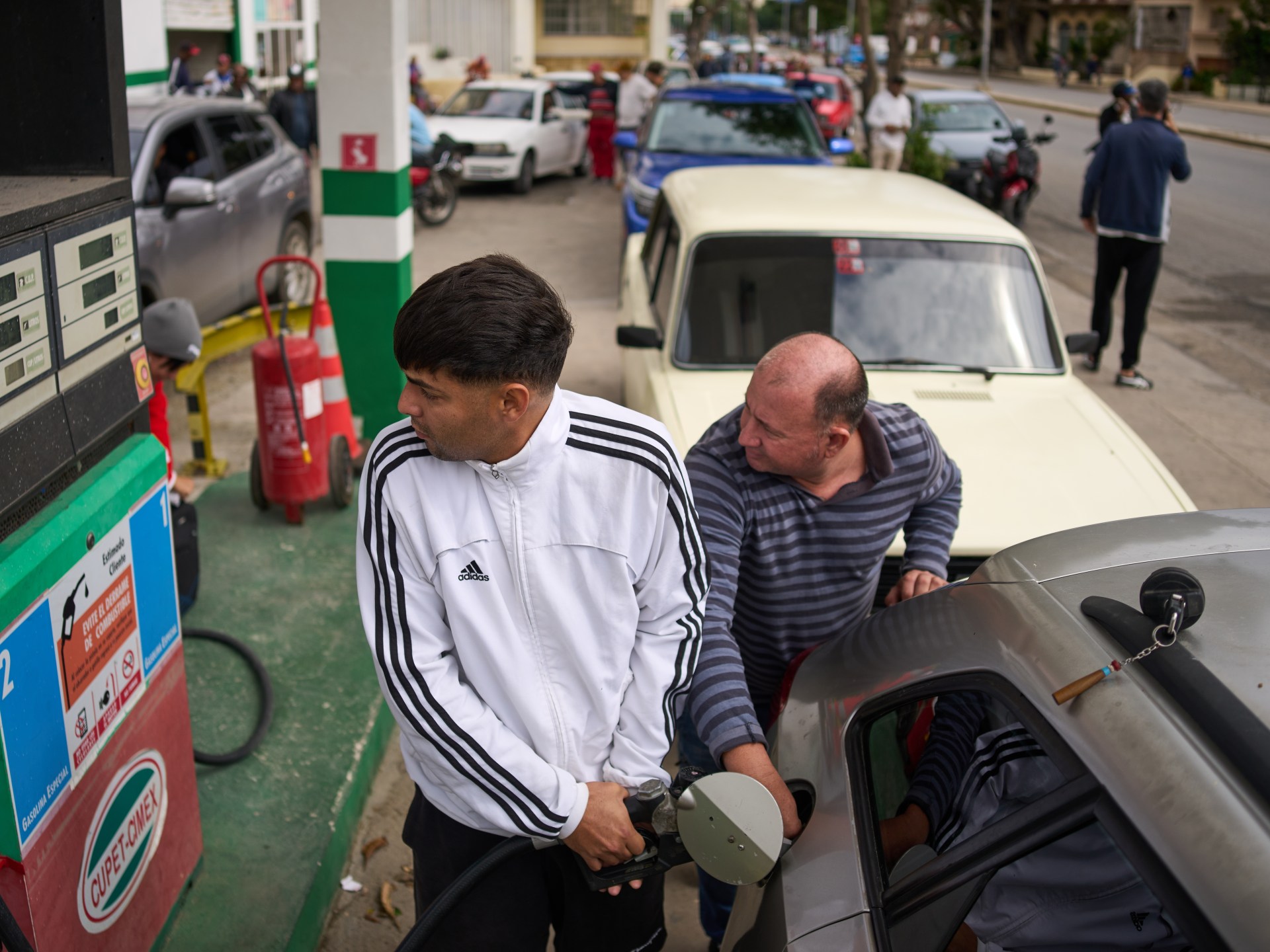
In January 2026, following Venezuelan President Nicolas Maduro’s abduction, Trump declared, “Cuba is ready to fall.” By late January, he had declared a “national emergency” regarding Cuba and threatened oil suppliers with severe sanctions if they delivered fuel to the island.
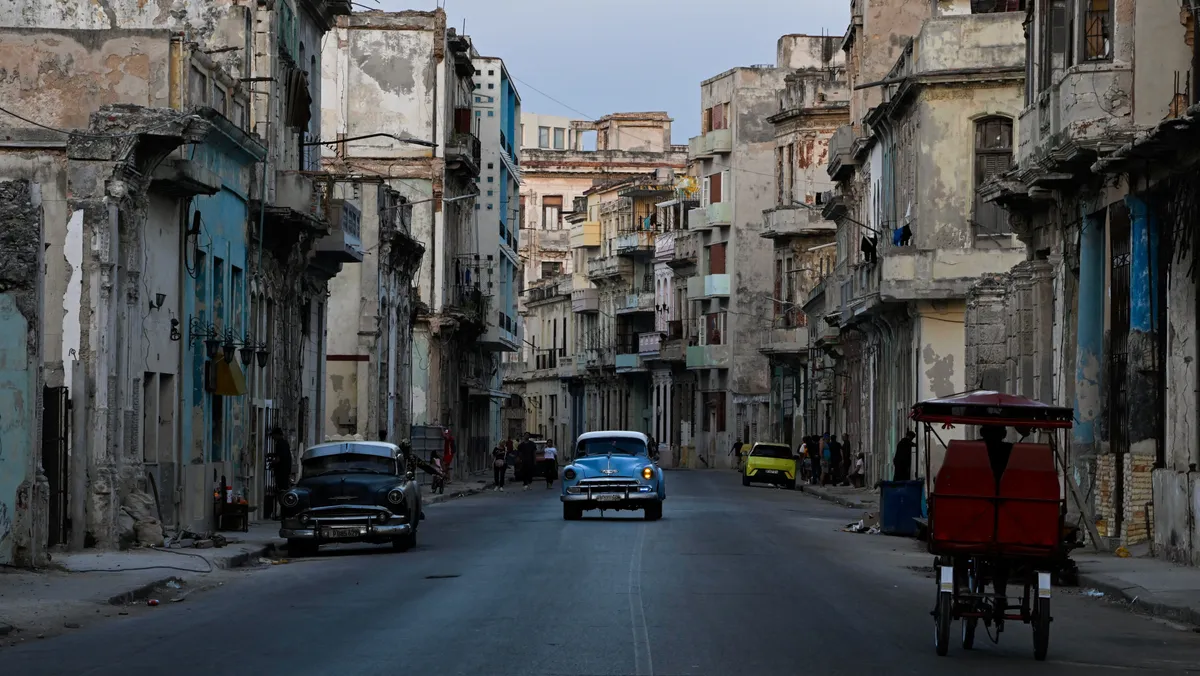
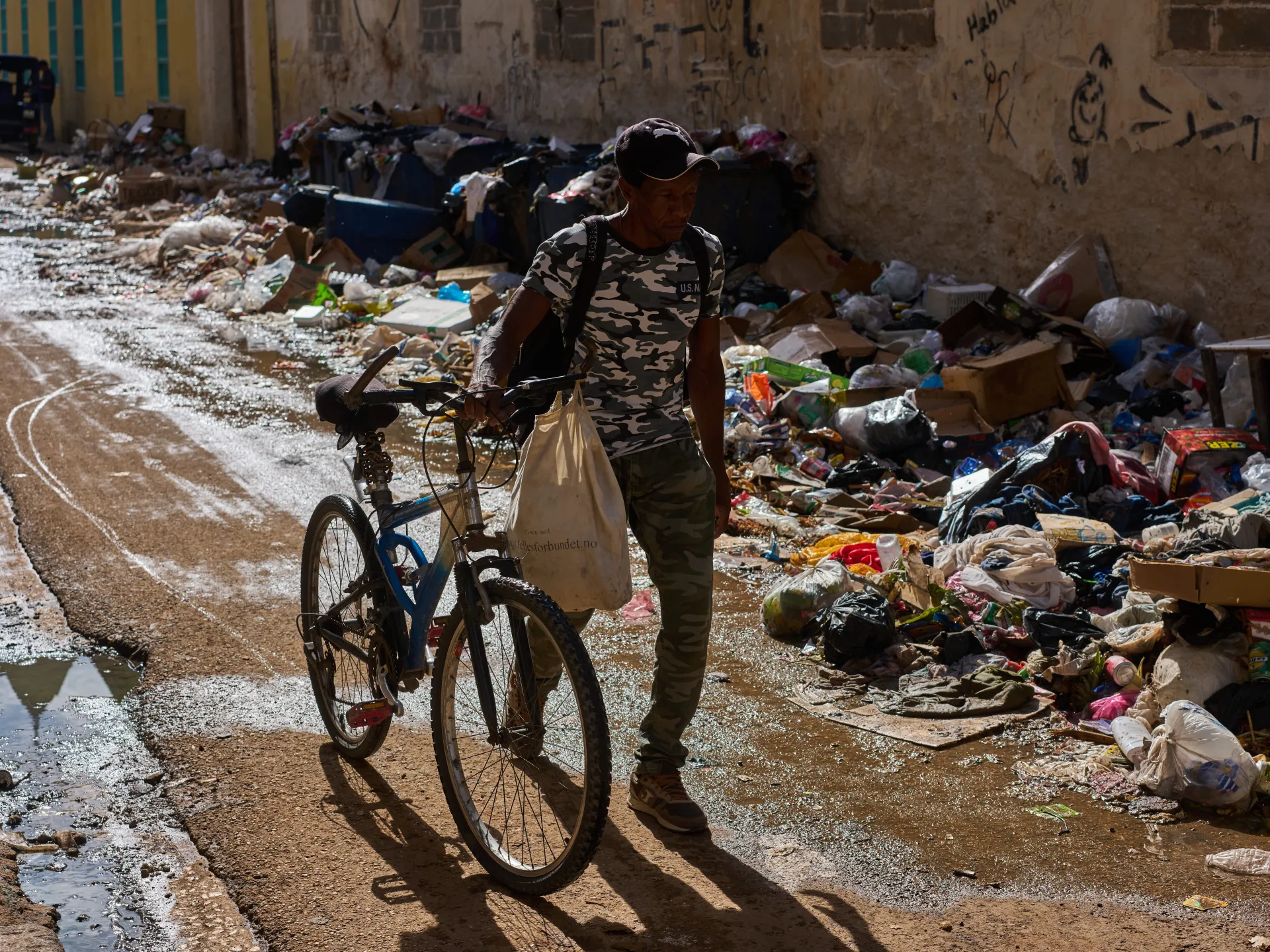
On May 1, the Trump administration imposed sanctions on all businesses linked to the Cuban economy. This, combined with the existing fuel embargo, plunged the island into an unprecedented economic collapse. Indeed, The Economist magazine reported in May 2026, that the Cuban economy would shrink by 7.2% by year-end, and it is not even clear where the blockade will lead in the coming months.
U.S. Secretary of State Marco Rubio stated that Cuba’s economic system is “irreparable” and that those in power in Cuba cannot resolve this. Defense Secretary Pete Hegseth, in a recent congressional hearing, characterized Cuba as a threat to U.S. national security.