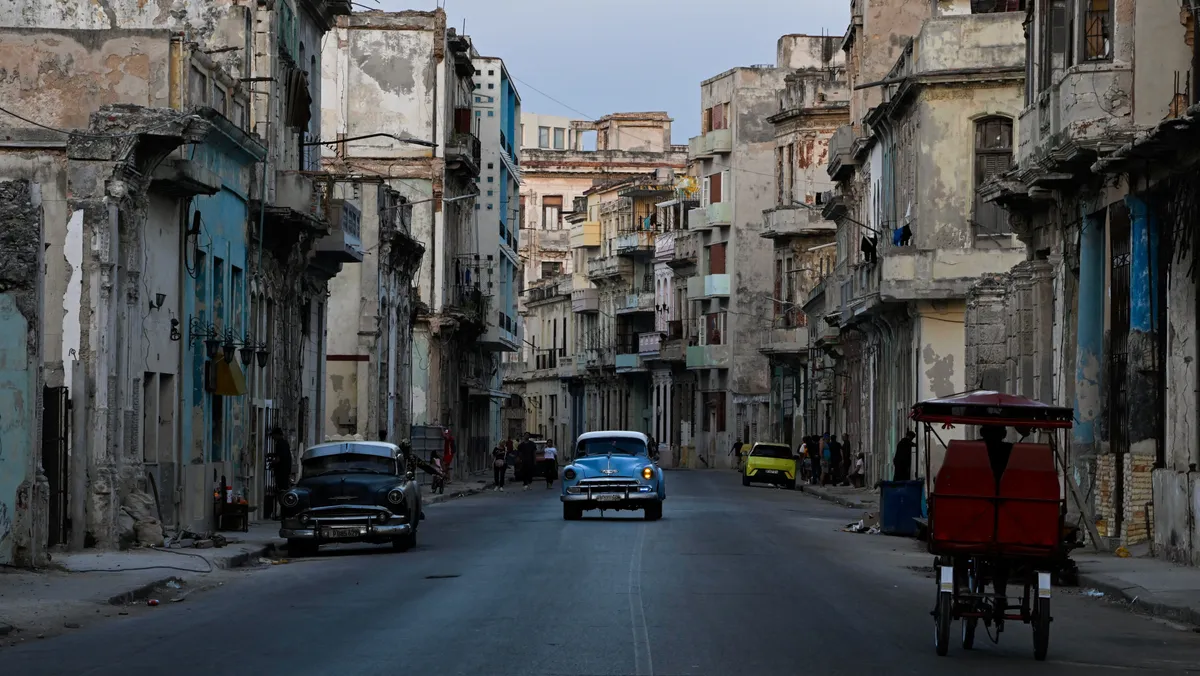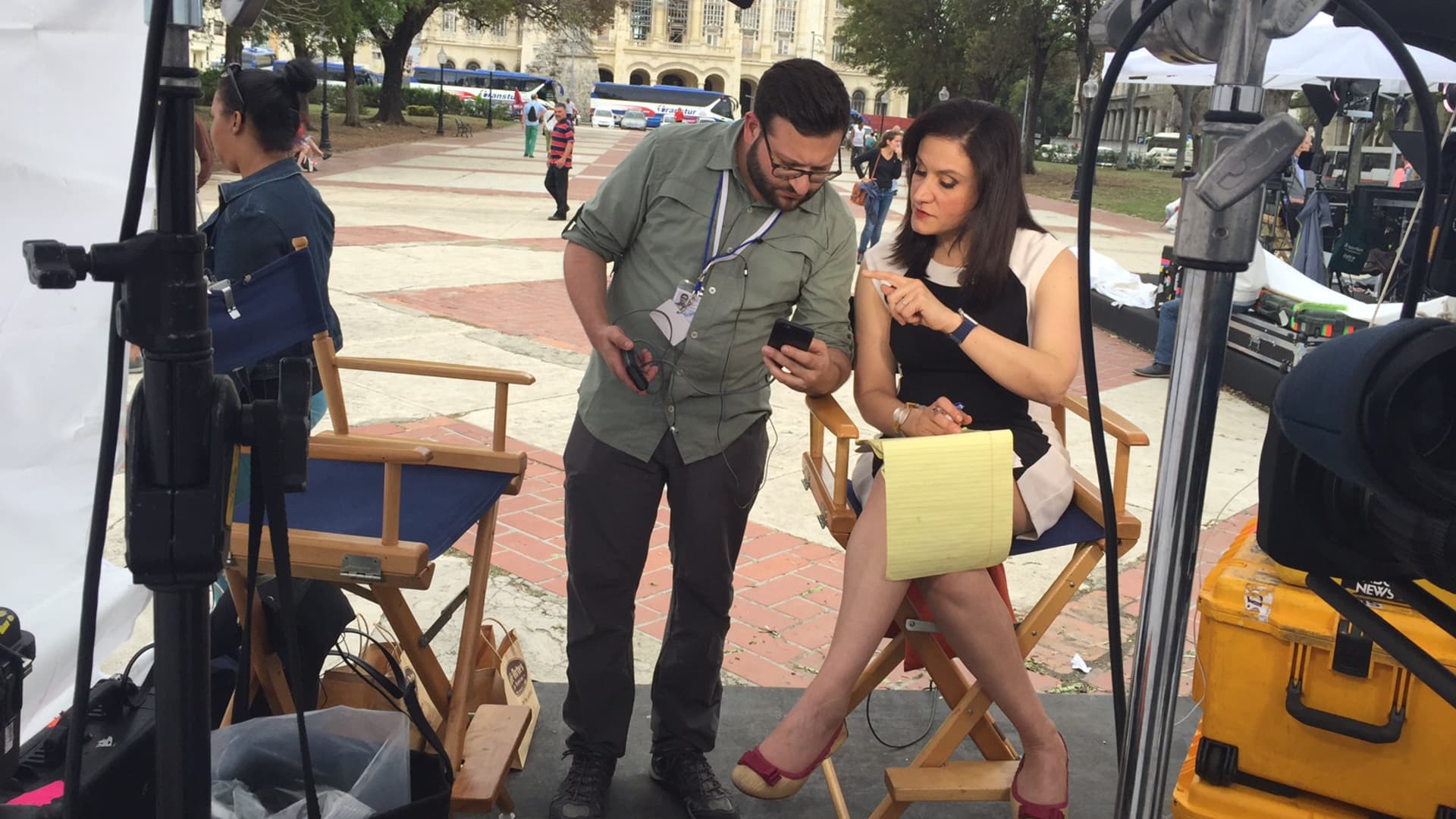
When I covered Cuba as a correspondent in the 1990s, I experienced the deepest of mixed feelings. It struck me as wrong that the island nation was still being subjected to numerous hardships by a vengeful United States that used any number of means to weaken and isolate it.
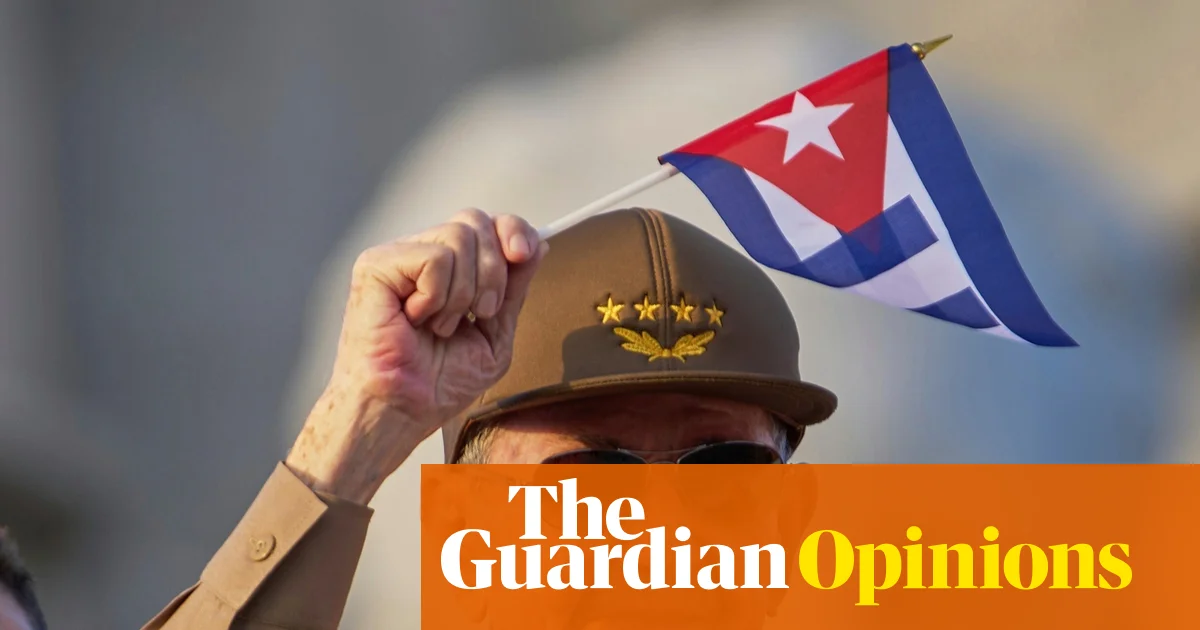
At the same time, it was clear that Cuba’s government, led by the aging revolutionary Fidel Castro, had itself found countless ways to make life needlessly difficult for its citizens. As one of the last places on Earth that still clung to a version of Soviet-era communism, the Cuban state would only tolerate the most limited experiments with private enterprise, while running state-owned stores where coveted imported goods could only be purchased with dollars exchanged at a usurious official rate. This had the effect of mostly limiting access to essentials to politically connected people, leaving the broader population’s needs unmet.
When I covered Cuba as a correspondent in the 1990s, I experienced the deepest of mixed feelings. It struck me as wrong that the island nation was still being subjected to numerous hardships by a vengeful United States that used any number of means to weaken and isolate it.
At the same time, it was clear that Cuba’s government, led by the aging revolutionary Fidel Castro, had itself found countless ways to make life needlessly difficult for its citizens. As one of the last places on Earth that still clung to a version of Soviet-era communism, the Cuban state would only tolerate the most limited experiments with private enterprise, while running state-owned stores where coveted imported goods could only be purchased with dollars exchanged at a usurious official rate. This had the effect of mostly limiting access to essentials to politically connected people, leaving the broader population’s needs unmet.