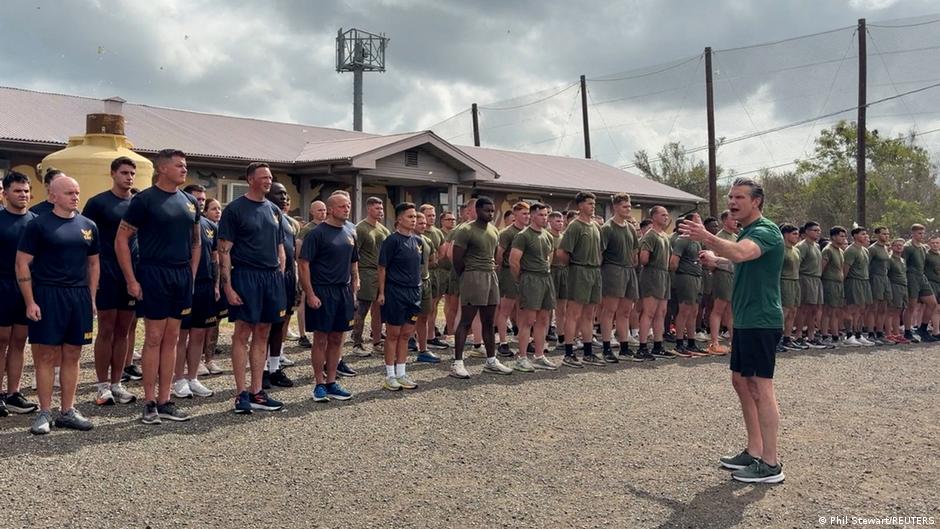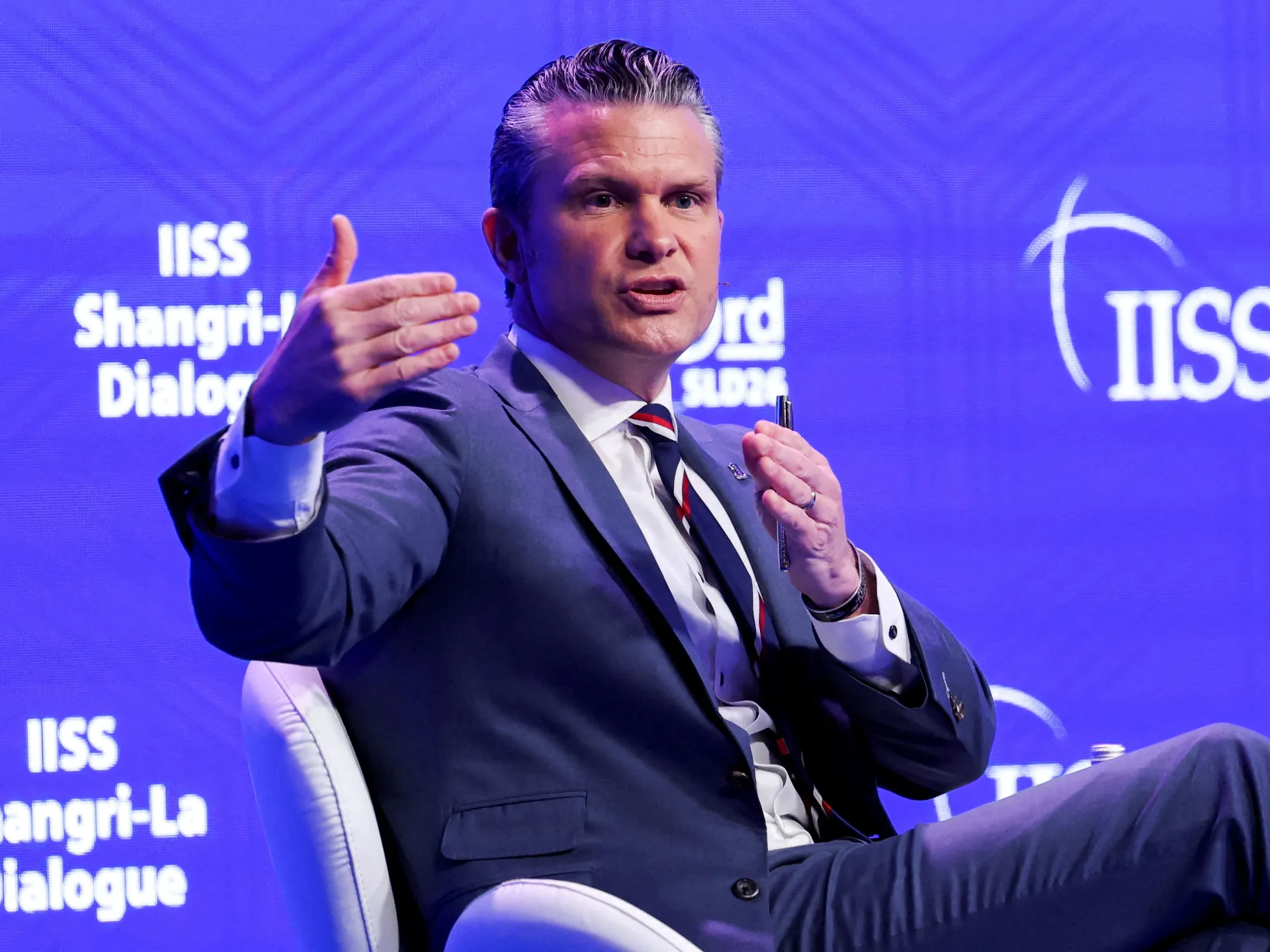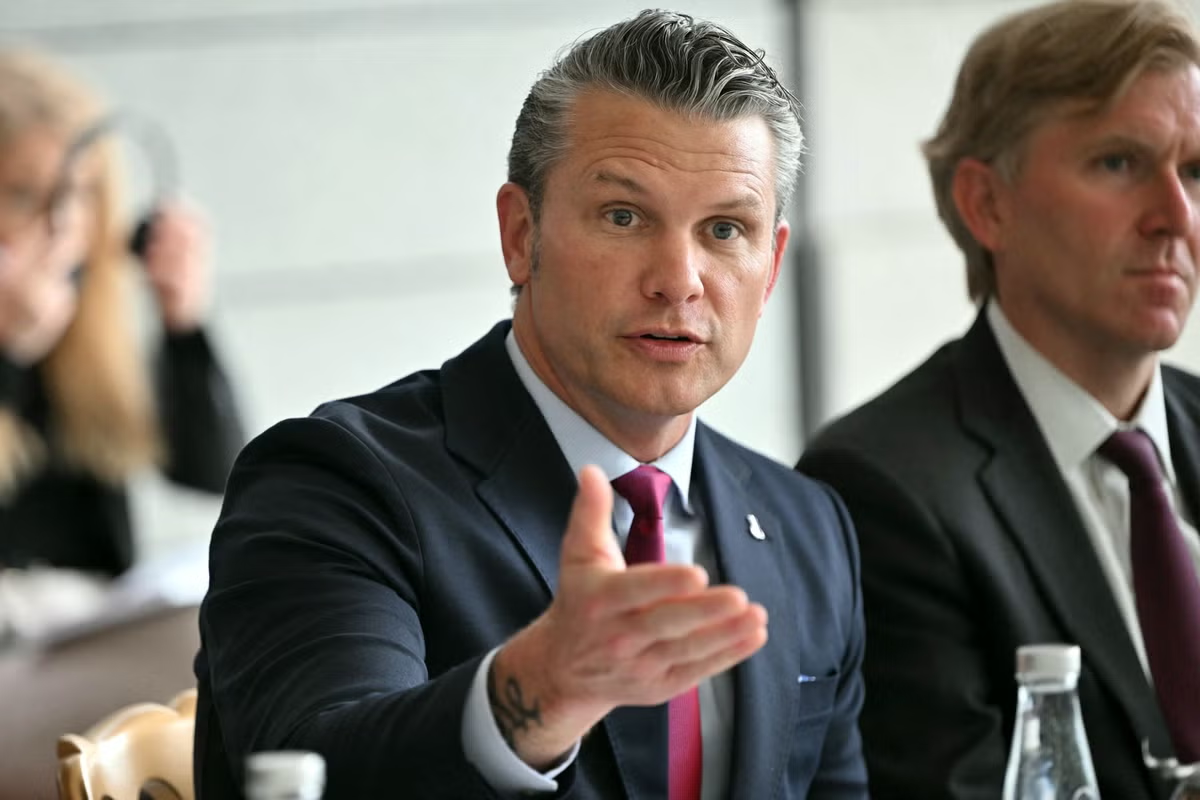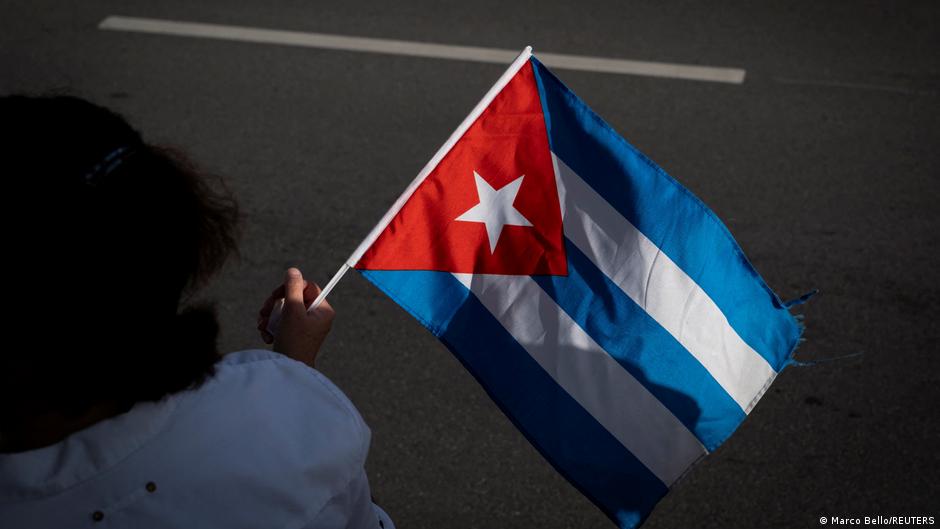
Pressure on the Cuban government has been building almost by the week, and the latest sign of it came on 10 June, when US Defense Secretary Pete Hegseth used a visit to the naval base at Guantanamo Bay to warn Havana against acquiring weapons capable of reaching the base or the American mainland. Doing so, he told reporters, would invite a confrontation the island "could not stand", according to Al Jazeera. The warning sat on top of a months-long military build-up that, by several accounts, has left Washington able to strike at short notice should Donald Trump give the order.
POLITICO has reported that the Pentagon spent months positioning warships, aircraft and Marines across the Caribbean, in what is now the largest concentration of American naval power outside the Middle East. The USS Nimitz carrier strike group moved into the region in May, the same week prosecutors unsealed an indictment against Raúl Castro, and an amphibious group carrying around 2,500 Marines has been readied for deployment. The forces in place still amount to a coercion package rather than a full invasion force, though the gap is narrowing.
How easy such an operation would actually be is a matter of debate. The Washington Times reported this month that a strike on Cuba could prove simpler than January's raid to seize Venezuelan leader Nicolás Maduro, given that the Cuban military is badly outmatched and relies on ageing Soviet-era equipment. A more cautious assessment came from the Center for Strategic and International Studies, where analysts Christopher Hernandez-Roy, Mark Cancian and Henry Ziemer argued that air strikes or a decapitation mission against President Miguel Díaz-Canel or Castro would not necessarily deliver the change Washington wants. Drawing on the Iran experience, they wrote that the most likely immediate result of a strike is a hardline response from the ruling party rather than a quick collapse.