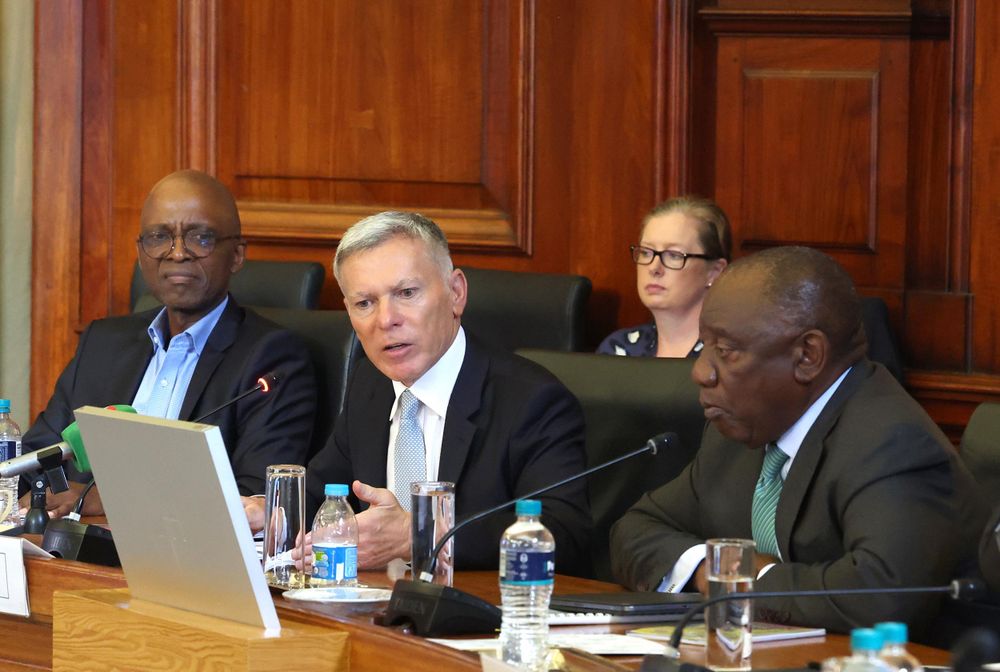
(From left) Business leaders Mxolisi Mgojo, Adrian Gore and President Cyril Ramaphosa at a Government-Business Partnership meeting held at the Union Buildings in Pretoria on January 16, 2025. Greater transparency around lobbying and organised influence would help reduce opportunities for corruption and improve public confidence, says the writer.
Dr. Reneva Fourie
The Electoral Commission's publication of political party donations for the fourth quarter of the 2025/26 financial year is an important contribution to transparency in South Africa's democratic system. Citizens have a right to know who funds political parties and what level of financial support they receive.
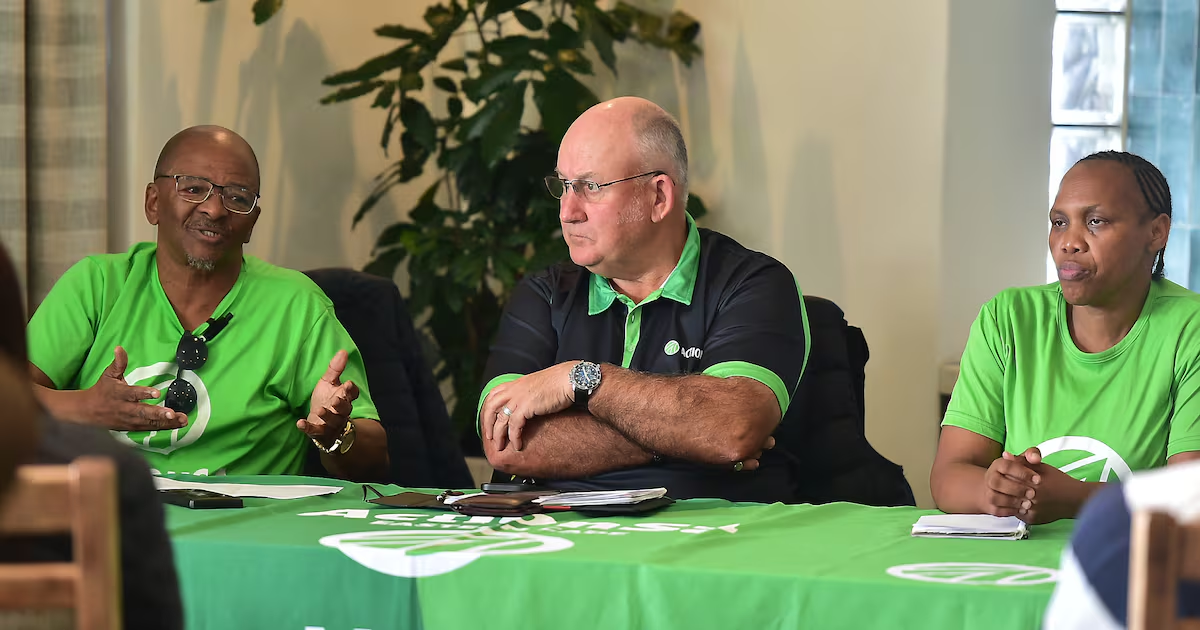
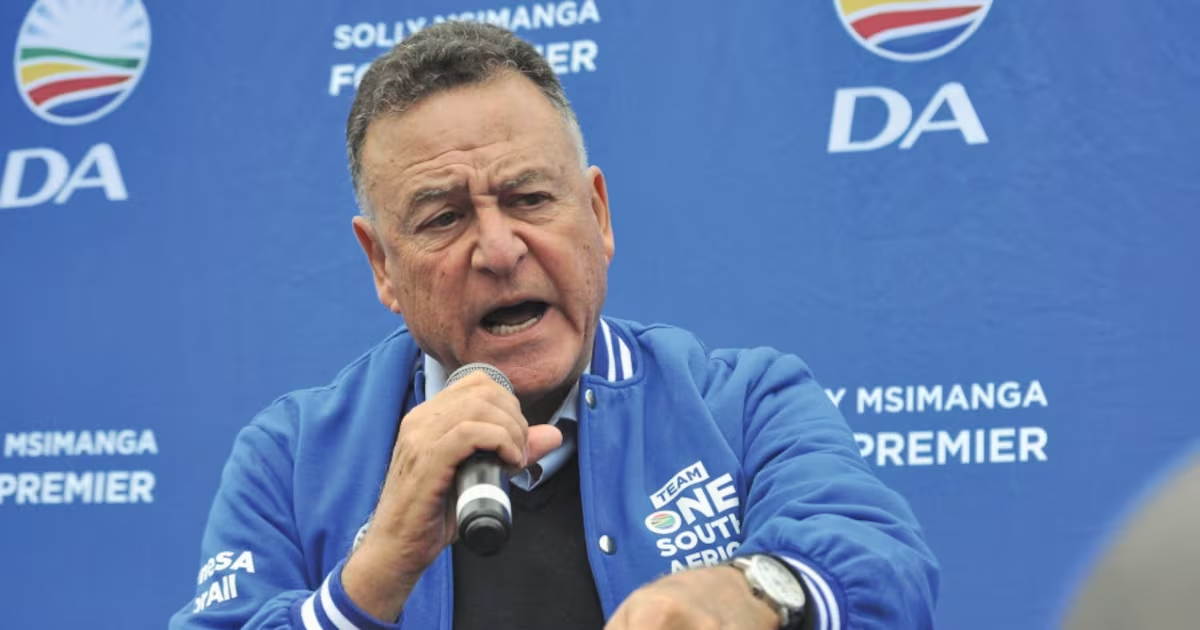
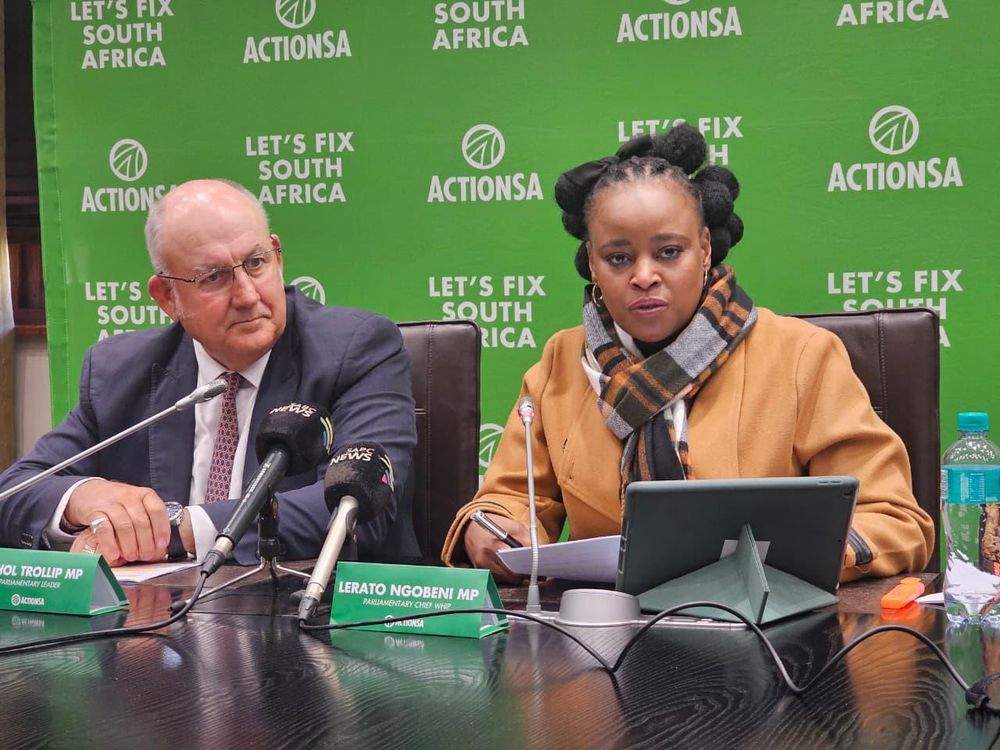
The latest disclosures also provide a useful picture of the unequal distribution of political funding. The Democratic Alliance received more than R57 million during the 3-month reporting period, almost 60% of all declared donations. RISE Mzansi declared R30 million, and ActionSA close to R10 million. Collectively, these parties accounted for the overwhelming majority of disclosed donations.
The declarations show a substantial concentration of private funding flowing to parties widely perceived as business-friendly. It reflects the reality that large corporations, investment interests, and wealthy individuals often direct substantial resources to political formations perceived as aligned with their economic priorities.