Story audio is generated using AI
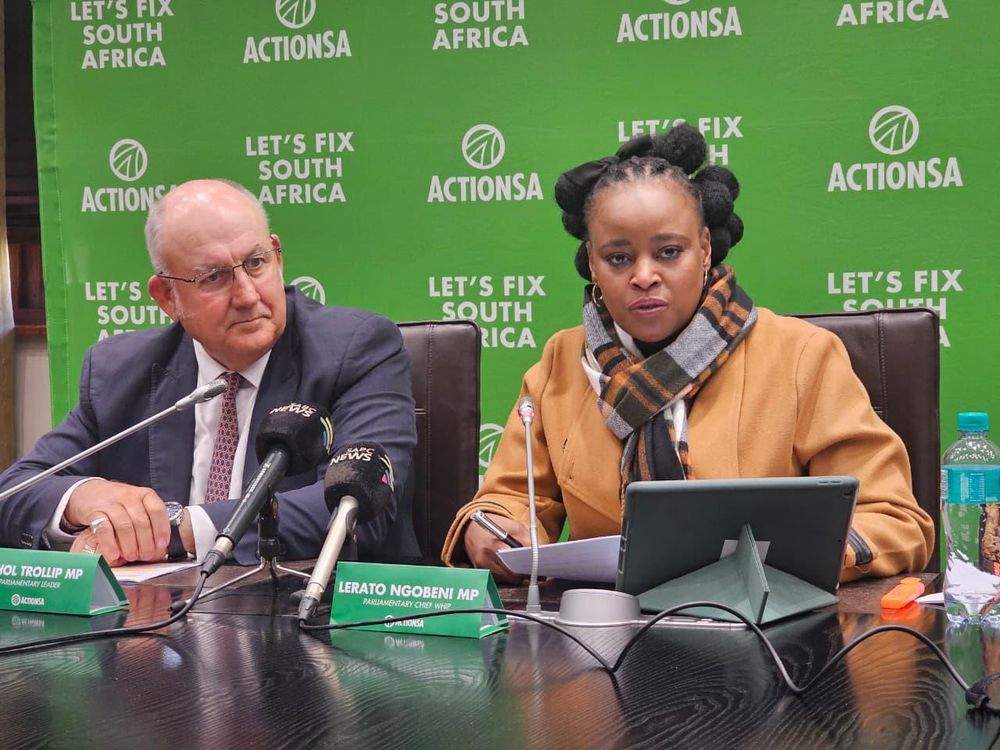
ActionSA has announced a private member’s bill aimed at establishing South Africa’s first statutory framework regulating professional lobbying, a move the party says is aimed at improving transparency around political influence. The proposed lobbying transparency bill was announced on Tuesday by ActionSA parliamentary chief whip Lerato Ngobeni.If passed, the legislation would require professional lobbyists acting on behalf of paying clients to register publicly, disclose who they represent and identify the government institutions they seek to influence.The bill would also require the disclosure of lobbying engagements with members of the executive, MPs and other designated public office-bearers, while introducing cooling-off periods preventing former ministers, deputy ministers and senior public officials from immediately lobbying the institutions they previously served.It further proposes an independent oversight and enforcement mechanism, including reporting obligations and sanctions for non-compliance.The proposal comes as South Africa faces renewed scrutiny over the regulation of lobbying following allegations that Resolve Communications, a public affairs firm chaired by former DA leader Tony Leon, facilitated meetings between private-sector clients and members of the government of national unity (GNU). Those allegations, which stemmed from claims made by former agriculture minister John Steenhuisen, have prompted parliamentary questions, calls for investigations and debate over where legitimate lobbying ends and undue political influence begins. Resolve Communications and several ministers have denied any wrongdoing.According to ActionSA, South Africa has no comprehensive legislation regulating professional lobbying, despite several major controversies over political influence.Instead, transparency is governed through a patchwork of measures, including the executive ethics code, parliament’s code of ethical conduct and members’ interests, the Promotion of Access to Information Act and public procurement legislation. While these regulate the conduct and financial disclosures of public office-bearers, none requires professional lobbyists to register, disclose their clients or publish details of meetings with ministers and senior officials. The party cited the arms deal, state capture, the Digital Vibes scandal and recent allegations involving Resolve Communications as examples of cases that have raised concerns about politically connected individuals and private interests gaining privileged access to government.“The legislation would not restrict the constitutional rights of individuals or organisations to engage government or petition public institutions,” ActionSA said, adding that the bill is intended to regulate professional lobbying undertaken on behalf of paying clients.The bill is the second piece of legislation in the party’s transparency package of bills, following the introduction of its election integrity bill last year.Under the proposed legislation, a mandatory public register would record professional lobbyists and the clients they represent, while lobbyists would be required to disclose engagements with members of the executive, MPs and other designated public office-bearers. Former ministers, deputy ministers and senior public officials would also be prohibited from immediately lobbying the institutions they had recently served.ActionSA has also proposed the establishment of an independent oversight body with powers to enforce compliance through reporting obligations and sanctions.South Africa differs from countries such as Canada, the US and several EU institutions, where professional lobbying is regulated through mandatory registration systems and public disclosure requirements intended to increase transparency around attempts to influence public policy. Lobbying itself is not unlawful in South Africa and is regarded as a legitimate part of democratic participation, but governance experts have argued that the absence of a dedicated statutory framework creates blind spots around who is seeking to influence government decision-making and on whose behalf. ActionSA has invited interested parties to submit comments on the proposed legislation as the drafting process progresses. The party said the bill forms part of its broader legislative agenda aimed at strengthening transparency and public confidence in democratic institutions.Business Day