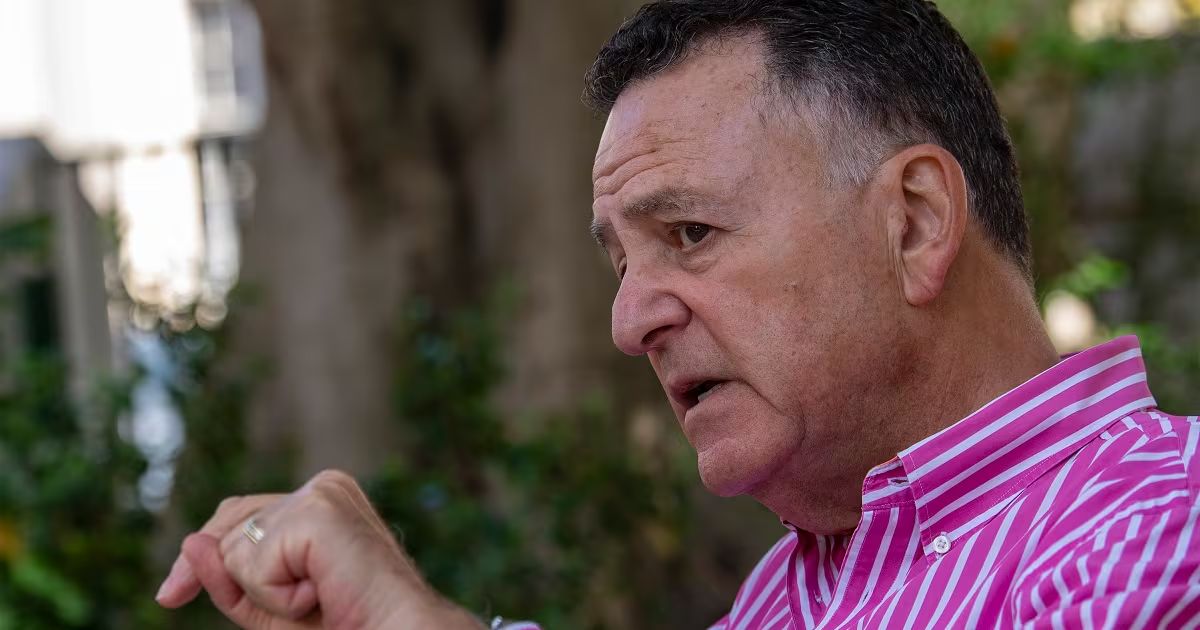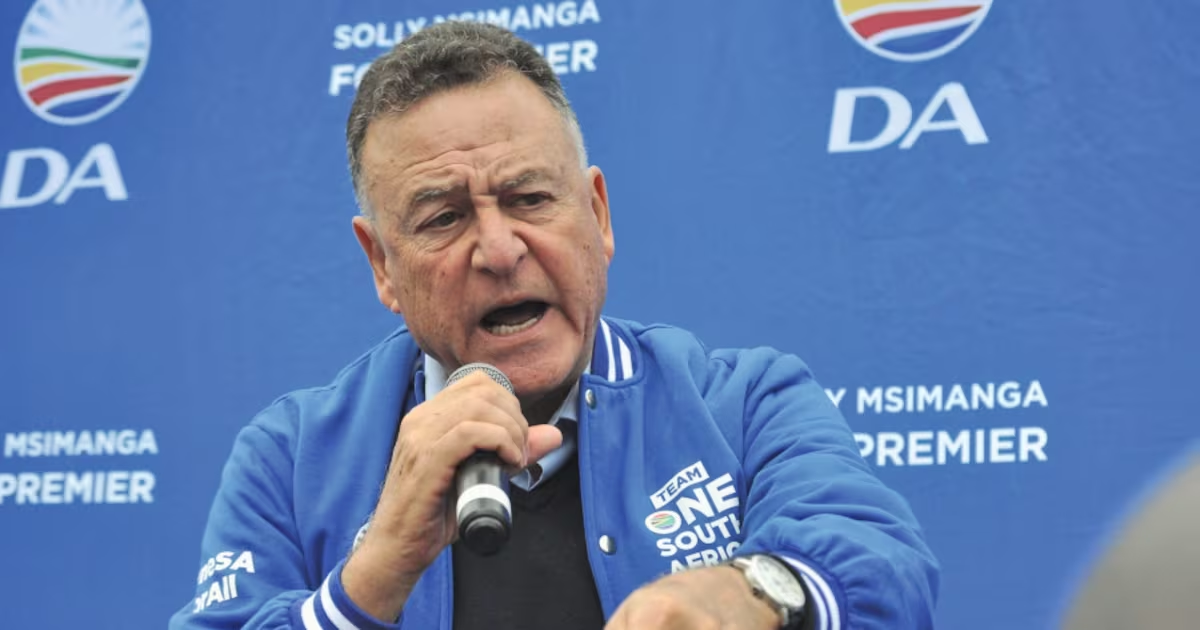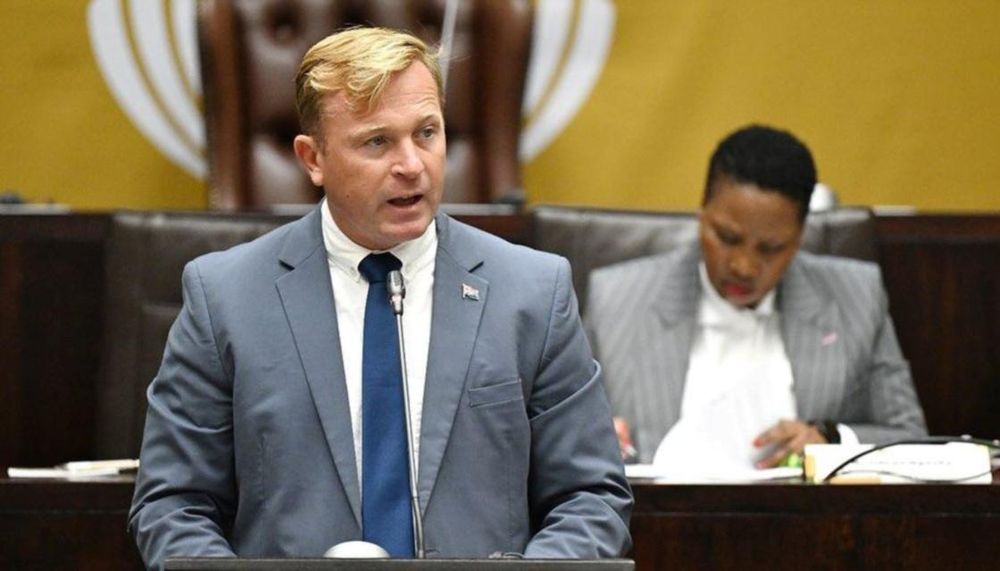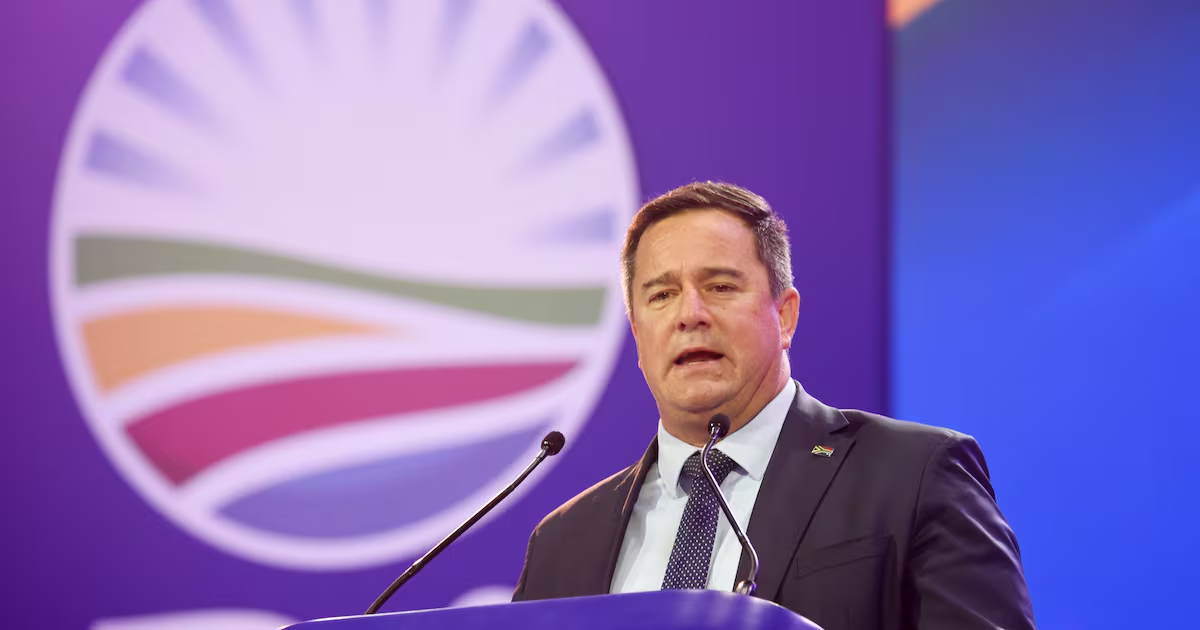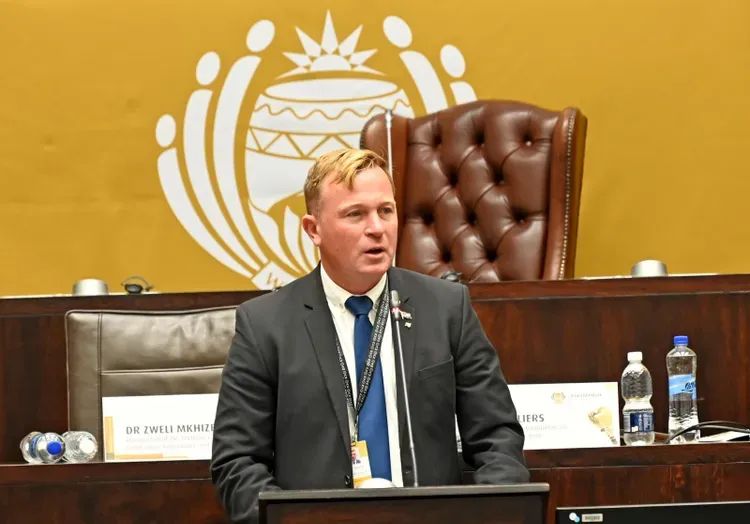
Theolin Tembo|Published 10 minutes agoThe DA's Jan de Villiers said the practice of lobbying is not, in itself, unlawful, but when money is involved, “well, that's corruption, basically”. De Villiers chairs the parliamentary committee tasked with policing public service conduct. But the ministers at the centre of the Resolve Communications lobbying allegations are all politicians, sitting outside his committee's reach.Addressing reporters at Parliament's governance cluster briefing this week, the DA's national spokesperson offered a general defence of lobbying rather than engaging directly with the claims against Tony Leon's Resolve Communications.De Villiers described lobbying as a normal part of politics, telling journalists that meetings between businesses and public representatives happen constantly as government works out policy and regulation. He drew his line at the point money enters the equation: financial contributions or enrichment aimed at swaying government processes cross into what he bluntly called "that's corruption, basically."The specific ministers and officials implicated in or connected to the Resolve Communications engagements include:Solly Malatsi: Minister of Communications and Digital Technologies. He is alleged to have been pressured to facilitate meetings with satellite internet provider Starlink. Malatsi has acknowledged being approached by Resolve on other matters but denied that the firm ever asked him to meet with Starlink. John Steenhuisen: Former DA leader and Minister of Agriculture. He publicly alleged that Resolve attempted to coerce ministers into changing government policies for private clients like Starlink and REDISA. Willie Aucamp: Minister of Forestry, Fisheries, and the Environment (formerly deputy minister in the presidency). He was linked to the discussions by Steenhuisen. Dion George: Minister of Forestry, Fisheries and the Environment. He has detailed how Resolve sought meetings or influence on behalf of private clients. Patricia de Lille: Former Minister of Tourism (and former Cape Town Mayor). She revealed that Tony Leon lobbied the City of Cape Town on behalf of Uber while Resolve worked on the city's "Day Zero" drought campaign. Brett Herron: Former Cape Town transport mayoral committee member, who backed De Lille's account of Resolve's lobbying efforts. Solly Msimanga: Former Mayor of Tshwane. He has denied claims that Resolve lobbied him for city tenders. De Villiers' distinction, while accurate, sidesteps what's actually under investigation. Nobody disputes that lobbying happens. The question raised by Steenhuisen, and since echoed by former DA figures including Dion George and Patricia de Lille, is what specific access Resolve secured for its clients, most notably Elon Musk's Starlink, and what it may have cost. De Villiers answered the question of lobbying in the abstract, not the transactions now in question.He was explicit about where his committee's authority stops. It oversees the public service, not elected politicians, and its focus is narrower still: whether officials are privately profiting from state business or taking bribes to influence tenders. He named the Standing Committee on the Auditor-General and Cooperative Governance and Traditional Affairs as the bodies with wider reach into this territory, without saying whether either has actually opened an inquiry into Resolve's conduct.De Villiers also pointed to a legislative development he framed as encouraging: the Public Service Commission Amendment Act has now cleared both Parliament and the National Council of Provinces. He argued for a strengthened, more independent Commission that would give the state a genuine internal watchdog, better equipped to probe corruption and personnel issues from within. It's a fair point on paper, though it does nothing to address the Resolve allegations directly, since the Commission's remit is the public service, not the ministers currently under scrutiny.ActionSA's Michael Beaumont has formally requested that the Public Protector investigate Resolve's dealings with GNU ministers and any decisions that followed.Whether SCoAG or CoGTA move beyond being bodies that merely "look at" such matters, to bodies that actually act on them, remains unanswered, and Thursday's briefing did nothing to change that.
" Lobbying isn't a crime": De Villiers dodges Resolve influence questions
De Villiers described lobbying as a normal part of politics. He drew his line at the point money enters the equation.
627 words~3 min read