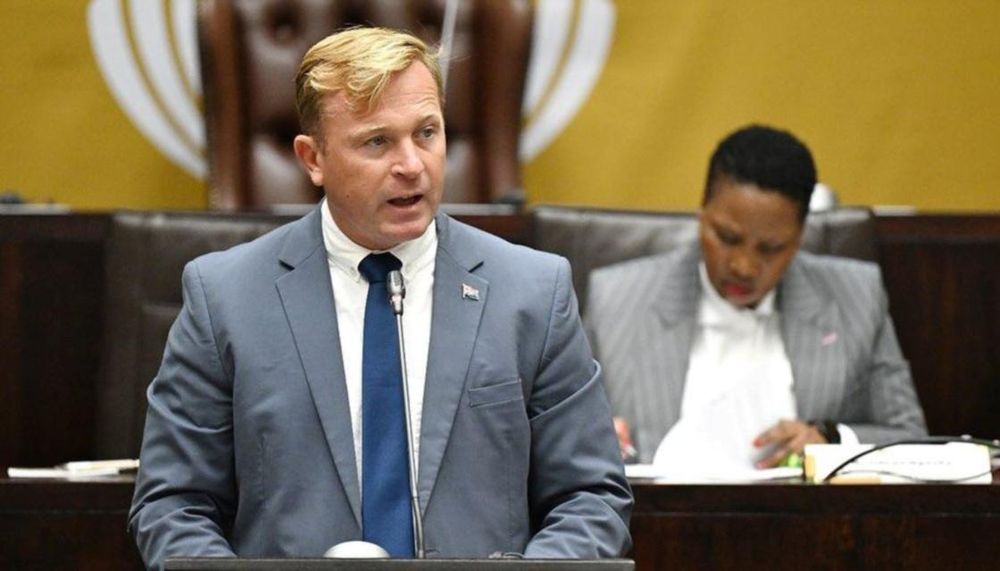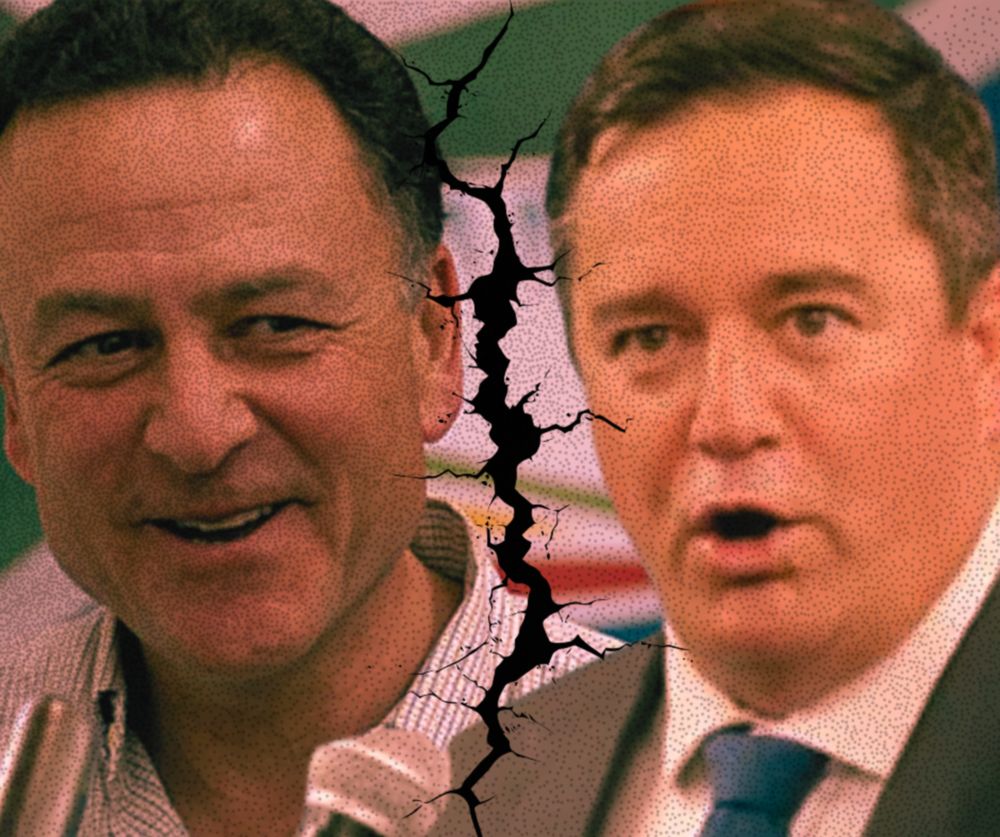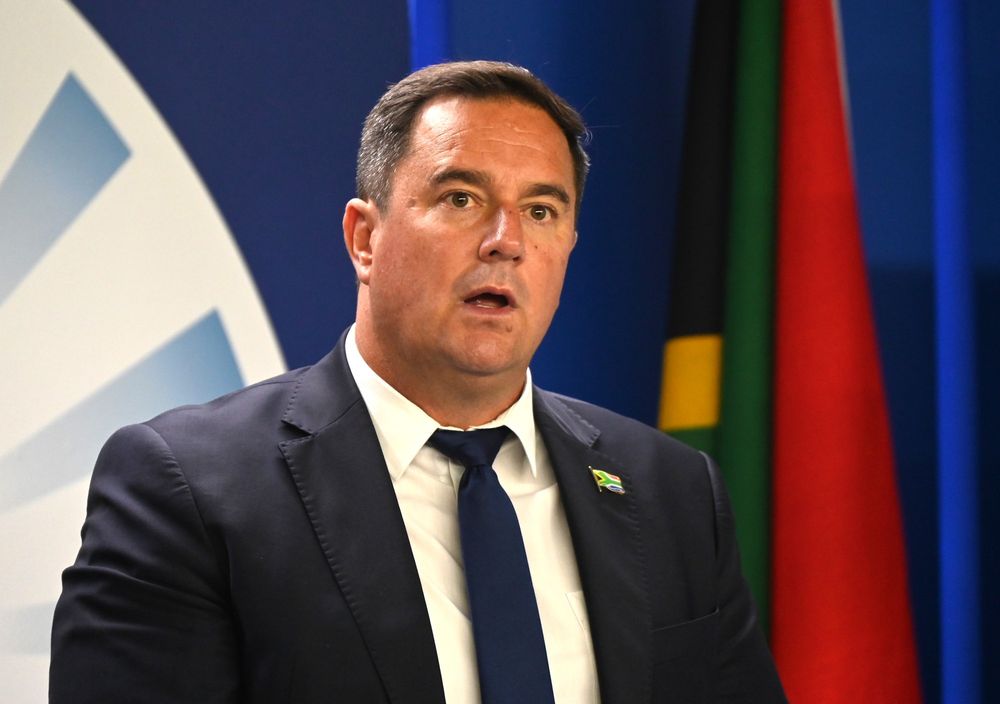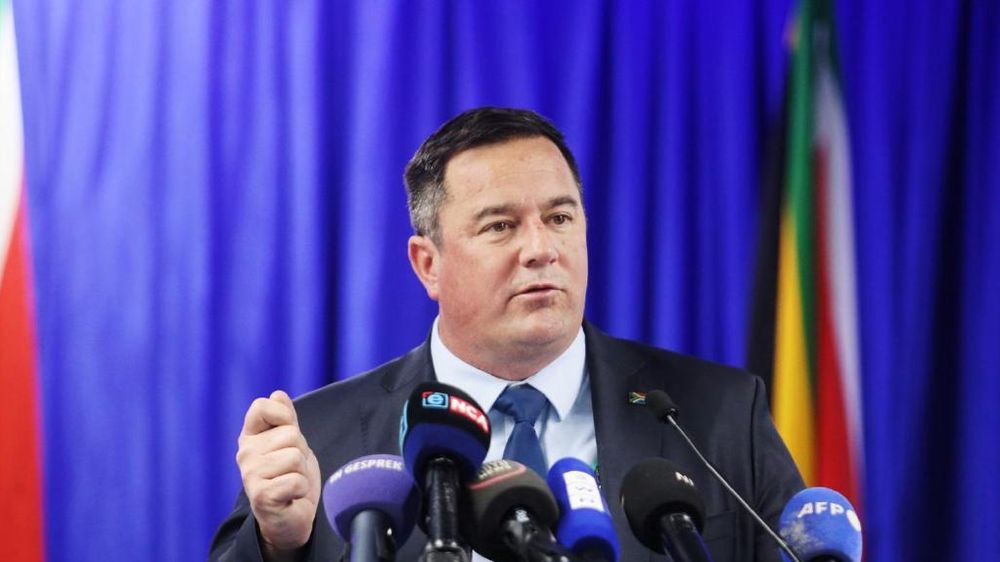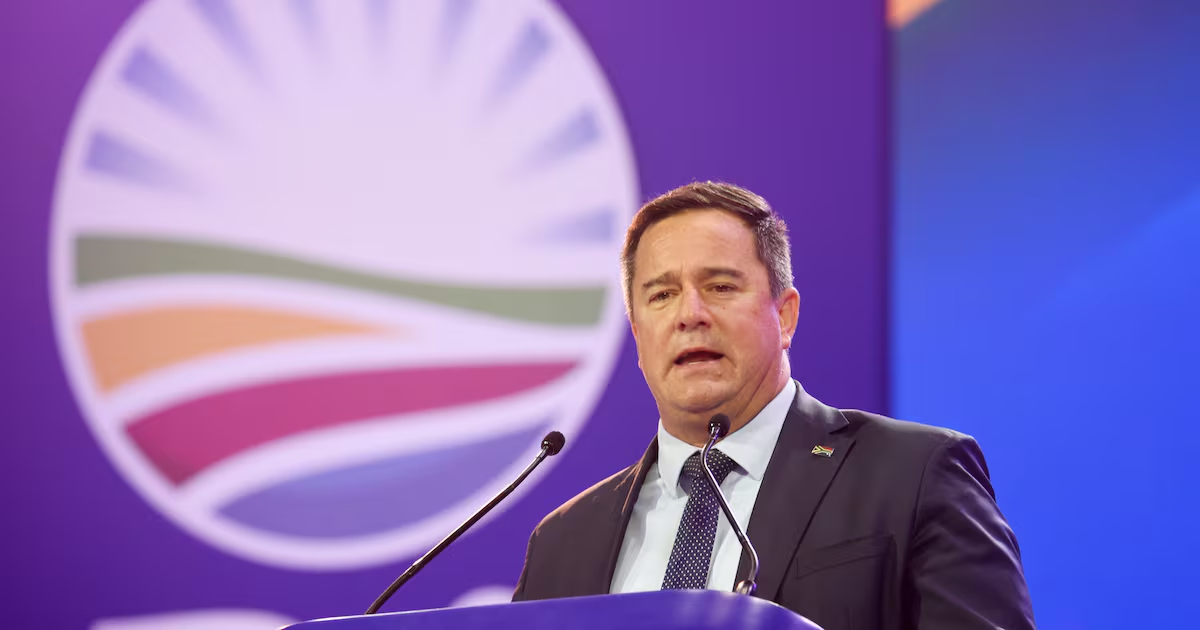
Story audio is generated using AIThere is a peculiar irony in watching John Steenhuisen publicly cast aspersions on lobbying activities inside the DA, raising ethical concerns about the involvement of Resolve Communications and its efforts on behalf of clients such as Starlink.Irony because I have seen firsthand how selective Steenhuisen’s principles can be.In late October 2023, while I still served in the DA’s shadow cabinet, Steenhuisen convened what was described as a private meeting of senior parliamentary leadership. Dion George led the discussion, at Steenhuisen’s behest. The purpose was not parliamentary strategy or policy development.Instead, we were introduced to Washington-based lobbyist Riva Levinson, whose record in lobbying in Africa was well known, who was to be retained by the DA leadership to cultivate relationships with influential lawmakers in the US.The objective was clear enough — to advance the DA’s narrative abroad, and more controversially, to encourage international scrutiny about the legitimacy and integrity of South Africa’s approaching June 2024 elections.At the time there appeared to be no ethical hesitation. No concern about lobbyists influencing politics. No anxiety about external actors being enlisted to shape political narratives or governmental perceptions. No suggestion that the use of paid intermediaries to secure political leverage abroad somehow undermined democratic propriety.Yet today, Steenhuisen publicly questions whether it is ethical for firms such as Resolve Communications, chaired by former DA leader Tony Leon, to facilitate access between ministers and private sector interests. These allegations have sparked calls for investigations, with the ANC leading the charge. One is entitled to ask, what exactly changed? The answer may simply be that the principle changed because the politics changed. This pattern is hardly unfamiliar.I learnt this personally when Steenhuisen summarily removed me from the DA shadow cabinet, not because of incompetence, misconduct or disloyalty, but because I refused to subordinate independent moral judgment to party orthodoxy over Gaza.On that issue, disagreement was not tolerated.Pluralism, supposedly central to liberal democracy, ended precisely where dissent became inconvenient. Now, in the aftermath of his own political weakening, Steenhuisen appears eager to recast himself as a victim.We are told he is a sacrificial offering by DA leader Geordin Hill-Lewis to appease internal factions increasingly sympathetic to narrower minority identity politics.Perhaps. But this, too, demands scrutiny.The same Steenhuisen lamenting the influence of tribal and right-wing tendencies within the DA once actively courted precisely those constituencies when constructing his Moonshot Pact, an electoral project explicitly designed to consolidate conservative and minority political anxieties under a single anti-ANC umbrella.When these factions served his ambition, they were allies. Now, apparently, they are extremists. Again, principle appears remarkably flexible. And we arrive at perhaps the most fascinating contradiction of all.There was, until recently, considerable speculation about Steenhuisen’s increasingly uneasy relationship with the emerging leadership faction within his own party, particularly as Hill-Lewis asserted greater influence over the DA’s direction and internal appointments.President Cyril Ramaphosa’s cabinet reshuffle this week appears, at least for now, to have resolved that tension. By accommodating the DA leadership’s demands and preserving the stability of the GNU, Ramaphosa has ensured the coalition survives another day. And Steenhuisen survives with it, albeit in a lesser position.Which raises an uncomfortable but entirely legitimate question. Why does a politician who has spent years defining himself through uncompromising opposition to the ANC appear so remarkably invested in preserving a governing arrangement that binds his own political future to the continued goodwill of the very administration he once condemned in the harshest possible terms?Perhaps because ministerial office has its own persuasive logic: political, personal and, yes, pecuniary. One cannot help but wonder whether this newfound commitment to the preservation of the GNU is animated less by national interest than by the simple reality that power, once acquired, is seldom surrendered voluntarily.What becomes increasingly difficult to ignore is a recurring pattern — principles are held firmly when politically useful and quietly recalibrated when personal circumstances demand adaptation. One is compelled to ask whether Steenhuisen’s politics have ever been primarily ideological at all, or whether they have simply reflected the oldest instinct in political life — survival.This is, ultimately, the tragedy of contemporary South African politics. We increasingly encounter politicians who speak the language of principle while practising the politics of convenience.Steenhuisen is not unique in this regard. However, his current reinvention as whistleblower, moral critic and victim of factional intrigue would be considerably more persuasive had he not spent years perfecting the methods he now so eagerly condemns.There is an old truth in politics — hypocrisy is not merely saying one thing and doing another. It is demanding moral accountability from others for conduct one has repeatedly justified in oneself.On that measure, Steenhuisen may be offering South Africans less a cautionary tale about the DA, and more a cautionary tale about himself. He represents a peculiarly South African version of political hypocrisy — the cultivation of procedural virtue while practising naked expediency behind closed doors.• Cachalia, a businessman and management consultant, is a former DA MP and shadow public enterprises minister and chaired De Beers Namibia.
GHALEB CACHALIA | Steenhuisen’s criticism of lobbying exposes a deeper political hypocrisy
Lobbying allegations highlight deeper rifts within South Africa's liberal party
836 words~4 min read