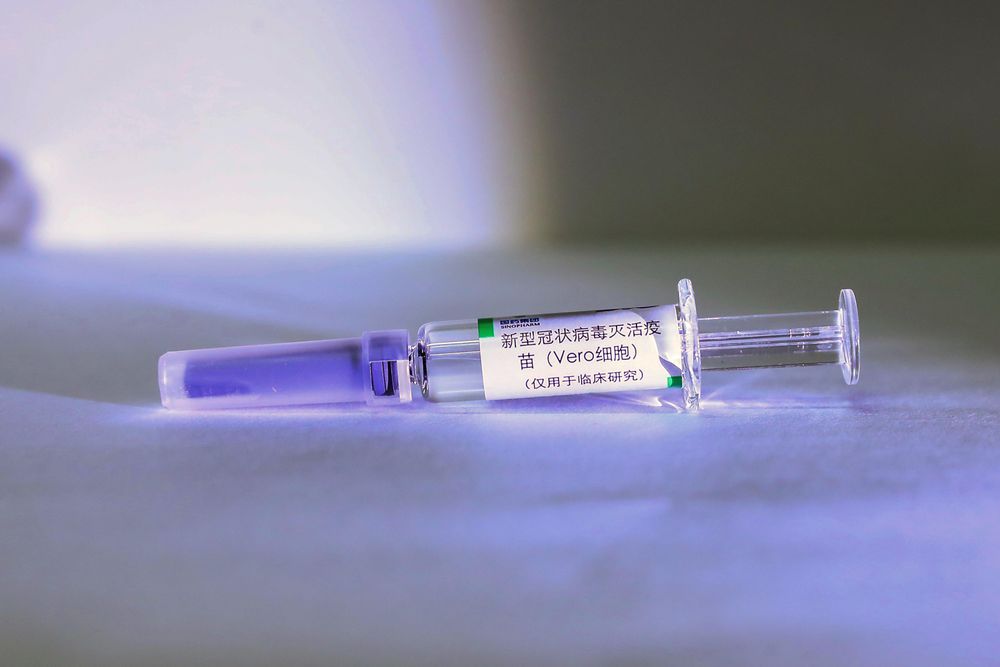
A sample of the COVID-19 inactivated vaccine is seen at a vaccine production plant of China National Pharmaceutical Group (Sinopharm) in Beijing, capital of China, April 10, 2020.
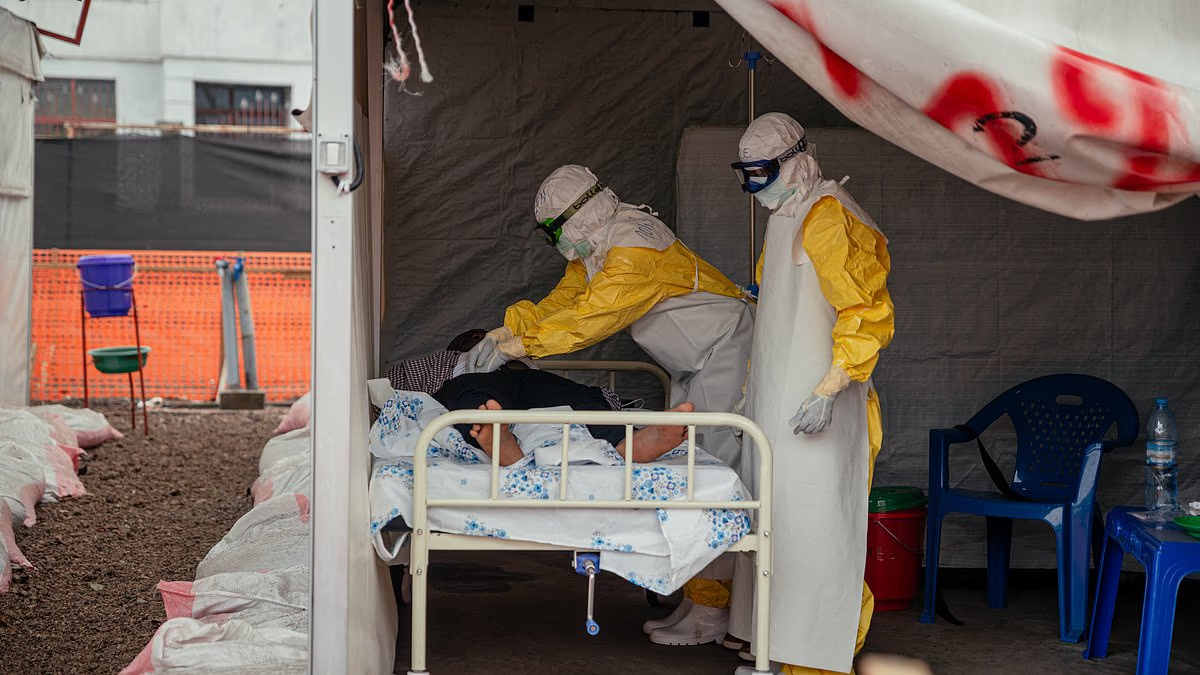
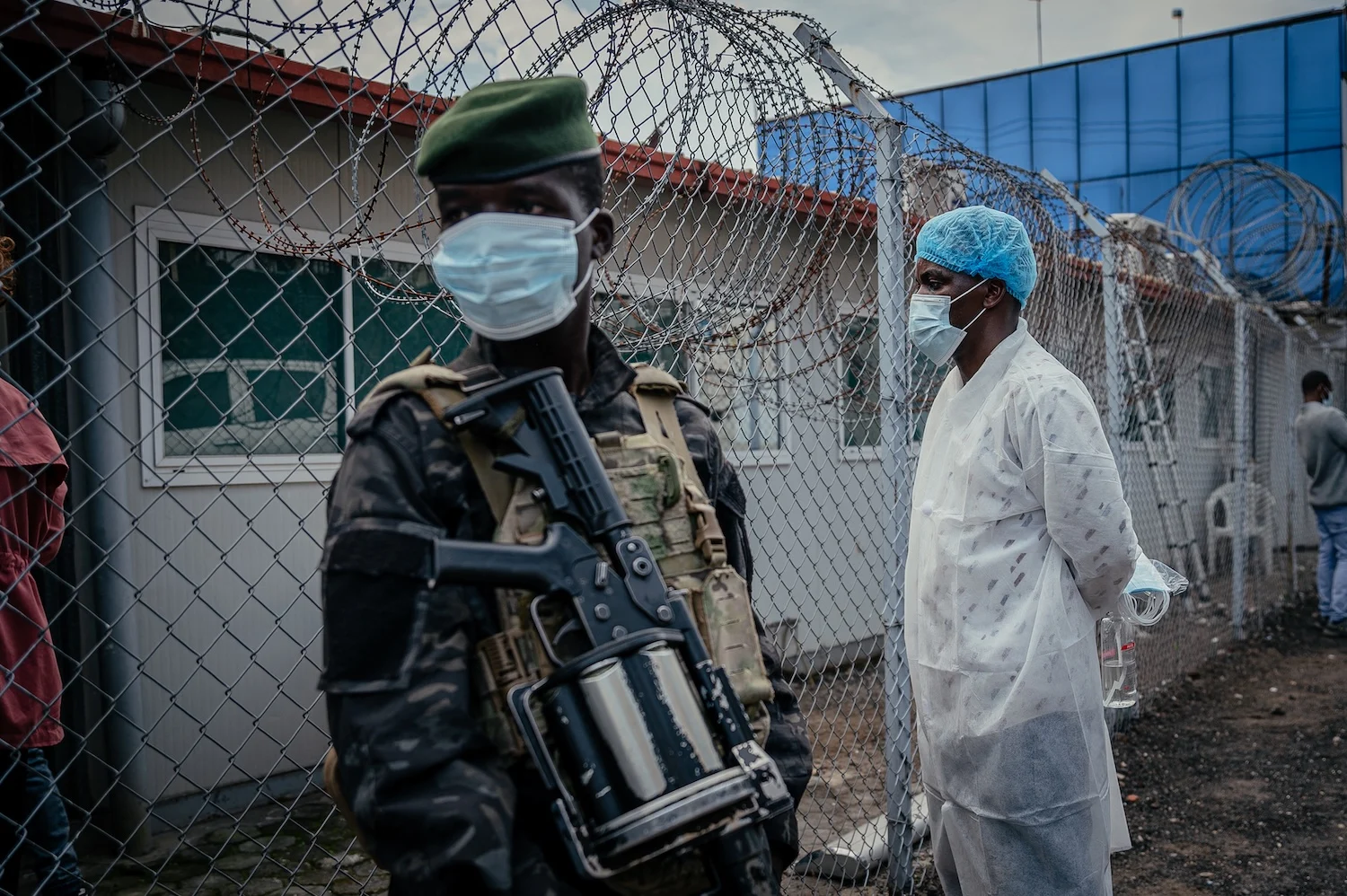
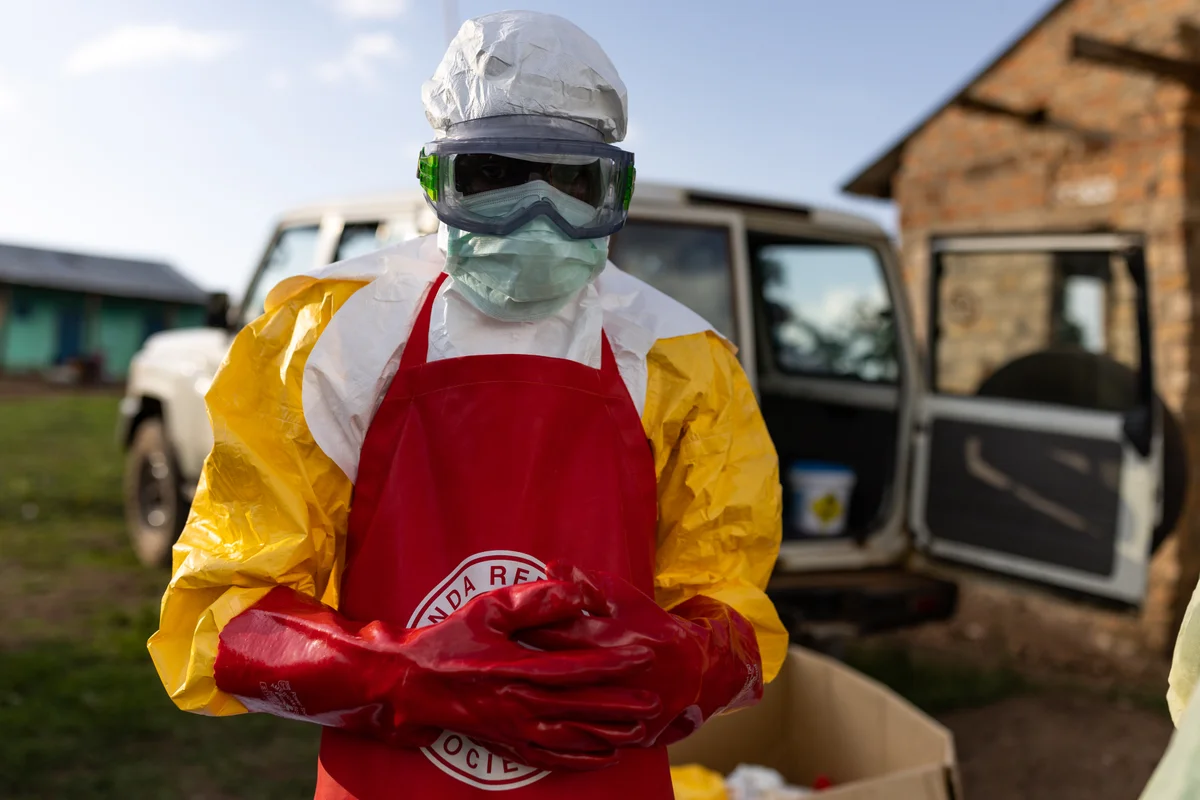
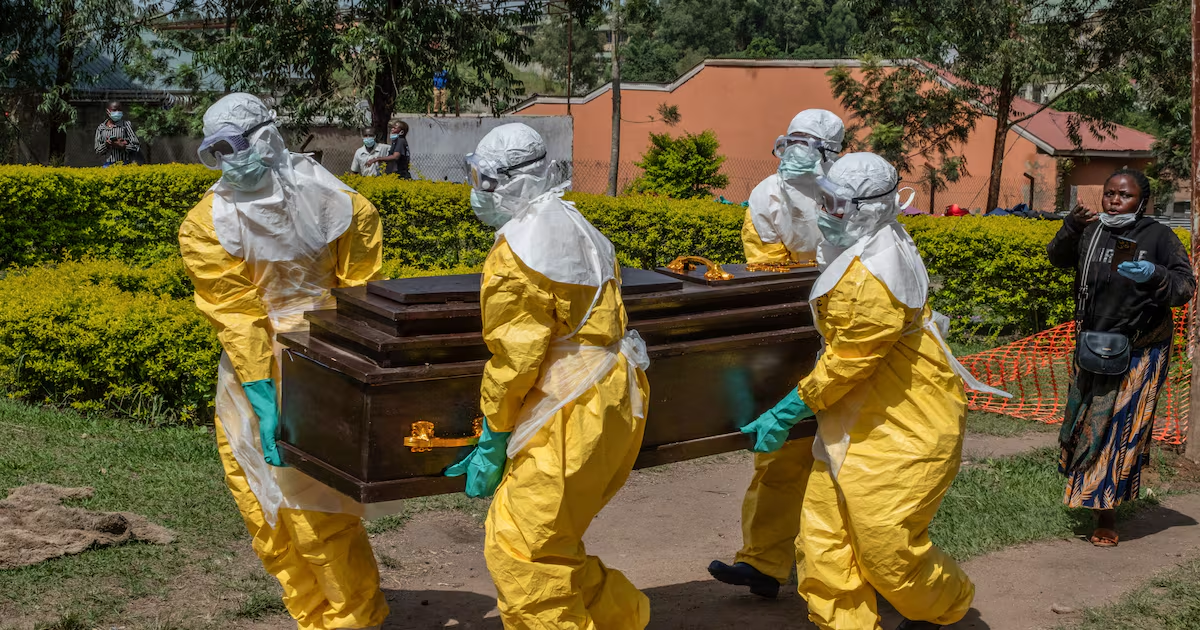
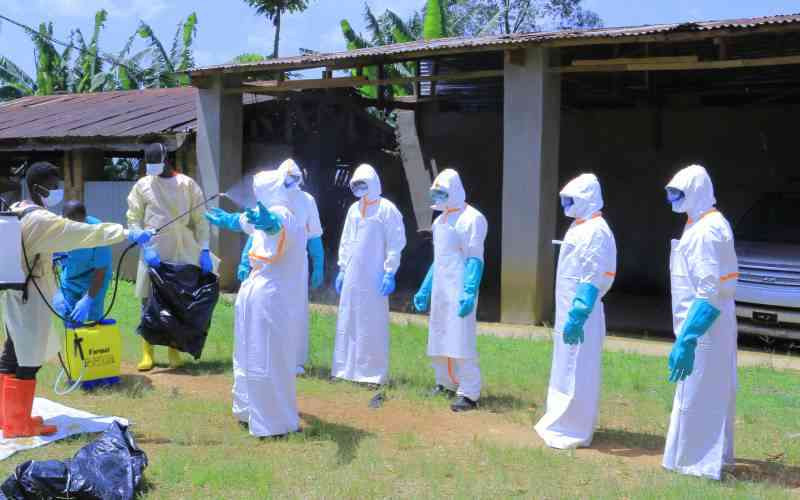
Every few years, a virus reminds the world how unprepared it is. Covid-19 did it in 2020. H5N1 bird flu has been doing it slowly and steadily ever since, spreading through animal populations at a pace that keeps virologists awake at night. The Democratic Republic of Congo is currently battling an Ebola strain for which no approved vaccine exists.
The pattern is always the same. A virus emerges or mutates. Scientists scramble. Vaccines are developed against the strain that already exists, by which time the virus has often moved on. Governments deploy. The world catches up, eventually, having already paid an enormous human and economic price for the gap between the threat and the response.
A team at the University of Cambridge believes they have found a way to close that gap permanently. This week, they published the results of the first human trial of a vaccine whose key component was designed entirely by artificial intelligence. The findings, published in the Journal of Infection, represent what researchers are calling a fundamental shift in how pandemic preparedness works.