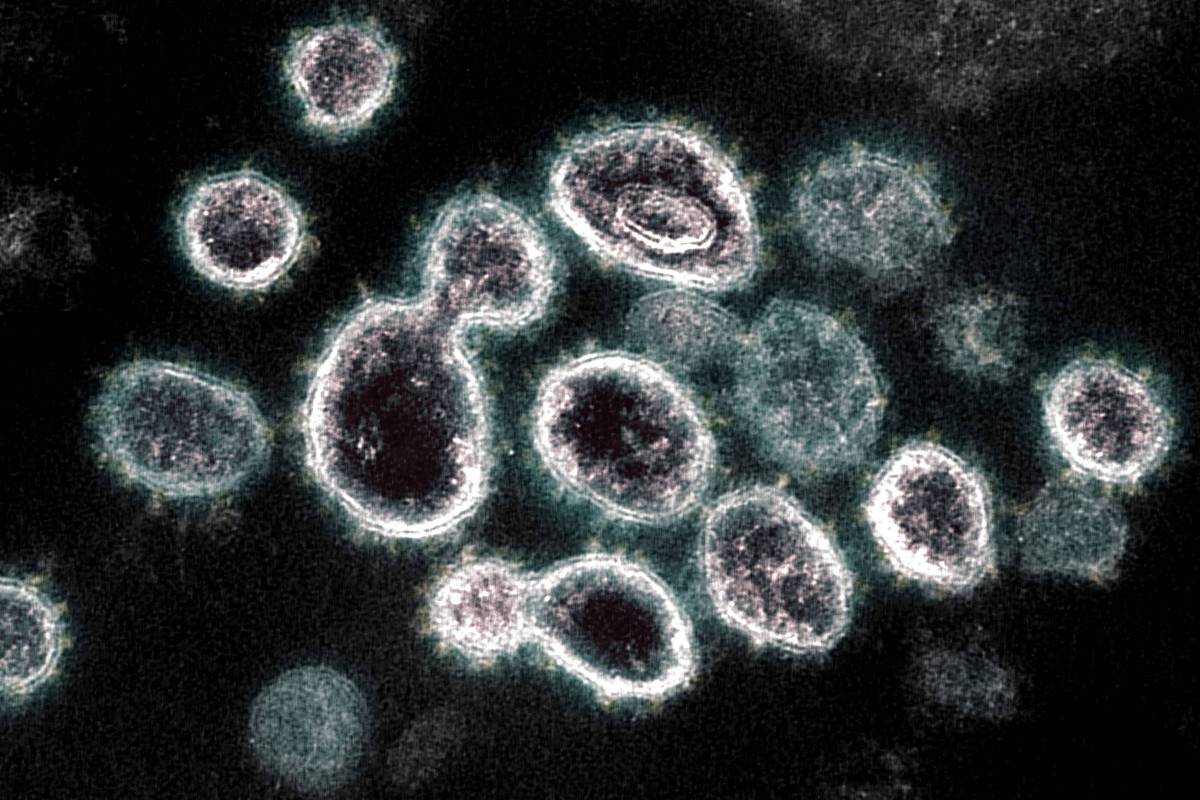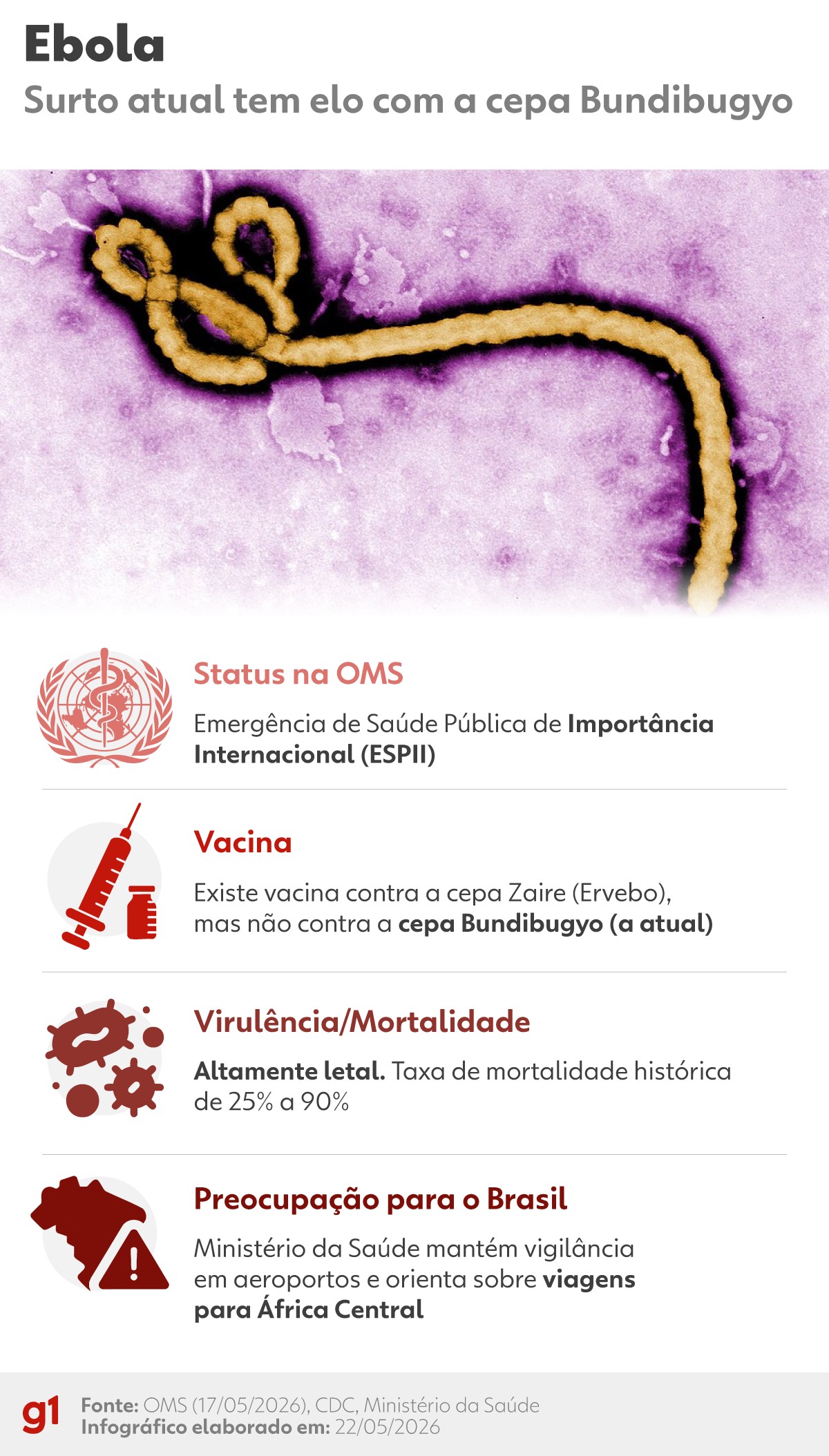
A new virus catalogue reveals the terrifying pathogens most likely to spark the next global health emergency.Researchers have compiled the most comprehensive list of all known RNA viruses that are capable of infecting humans.Among those high on the watch list are bird flu viruses, which have raised growing concern after infecting mammals and people around the world, as well as SARS–like coronaviruses.The researchers also warn that new viruses related to measles could prove even more dangerous than Covid if a strain were able to jump into humans and spread easily.Other viruses being closely monitored include Nipah virus, Ebola virus and Marburg virus, which have all caused deadly outbreaks after showing some ability to spread between people.Mark Woolhouse, Professor of Infectious Disease Epidemiology at the University of Edinburgh, wrote on The Conversation: 'The next time a scientist finds an unusual or unknown virus in a patient – probably in the next few months – how will they know whether it could lead to a public health emergency on the same scale as Aids or COVID?''Pandemics come in many forms, but in recent times the biggest culprits have been viruses with genomes made from RNA rather than the more familiar DNA.'Thousands of RNA virus species have been identified, and there may be millions, but only 239 infect humans. We recently published a catalogue that helps pinpoint the riskiest ones.' Bird flu is considered one of the leading threats because it continues to evolve in wild birds while infecting poultry, mammals and people, giving it more opportunities to adapt. Pictured: USDA workers disinfect a work crew at a turkey farm in Minnesota during a previous outbreak Officials have warned the Ebola outbreak surging in the Democratic Republic of the Congo (DRC) is 'likely far worse' than current estimates state. Pictured above are physicians with Doctors Without Borders providing medical care to a patient in the DRCThe expert said that many newly discovered viruses infect humans only after spilling over from animals and are unlikely to trigger a pandemic because they cannot sustain human–to–human transmission.Instead, he argues the biggest danger comes from viruses that have already overcome at least some of the biological hurdles needed to spread between people.The catalogue could help governments and health agencies prioritise surveillance and prepare for the pathogens most likely to become the world's next pandemic threat.'Our data can also help predict what a future pandemic virus – sometimes called disease X – might look like,' Professor Woolhouse said.Bird flu is considered one of the leading threats because it continues to evolve in wild birds while infecting poultry, mammals and people, giving it more opportunities to adapt.It is potentially fatal to humans and can cause severe pneumonia and acute respiratory distress.Currently, human–to–human transmission is exceptionally rare with only limited instances of spread between close household contacts.'That sounds reassuring, but viruses evolve quickly and there is an understandable concern that a zoonotic virus might acquire the ability to spread among humans,' Professor Woolhouse said. 'That's why scientists are so worried about bird flu.' Map of locations of first reported human cases of all 239 currently recognised human-infective RNA virus species
Virus catalogue reveals pathogens most likely to spark global outbreak
A new virus catalogue reveals the terrifying pathogens most likely to spark the next global health emergency.
1,122 words~5 min read