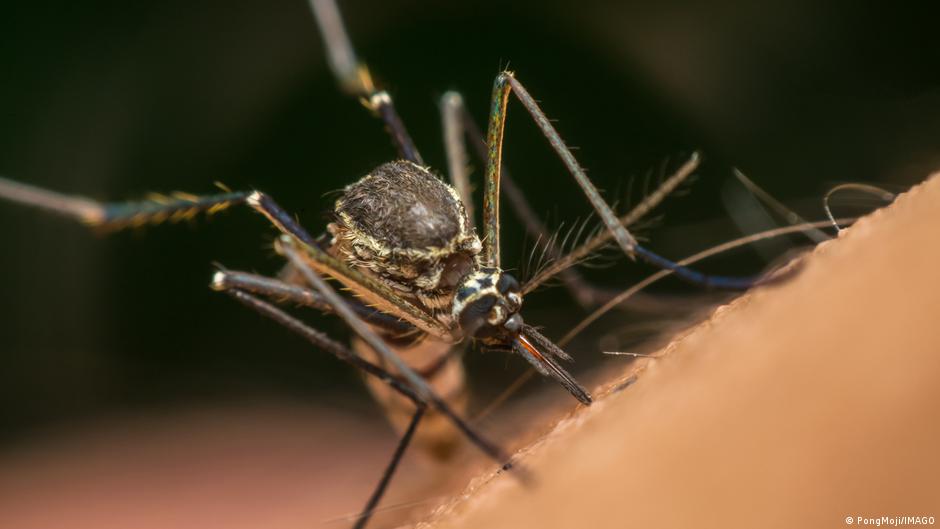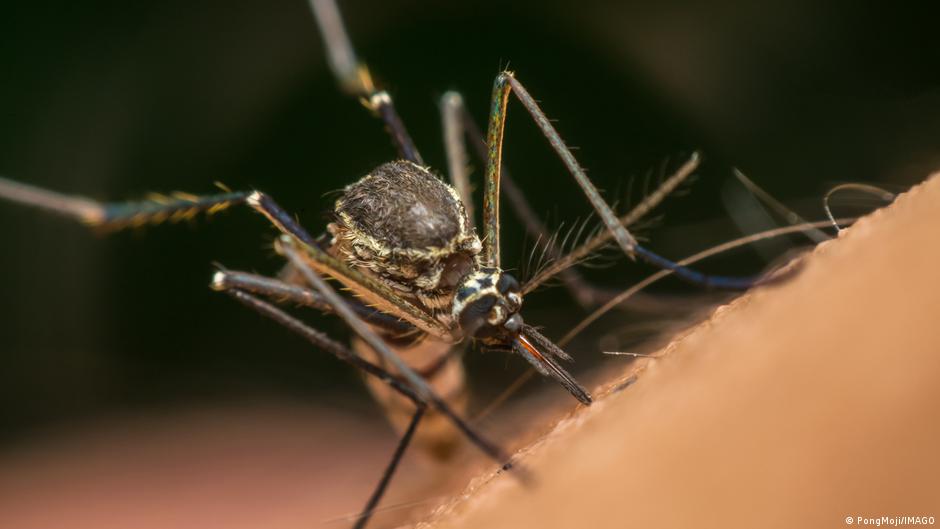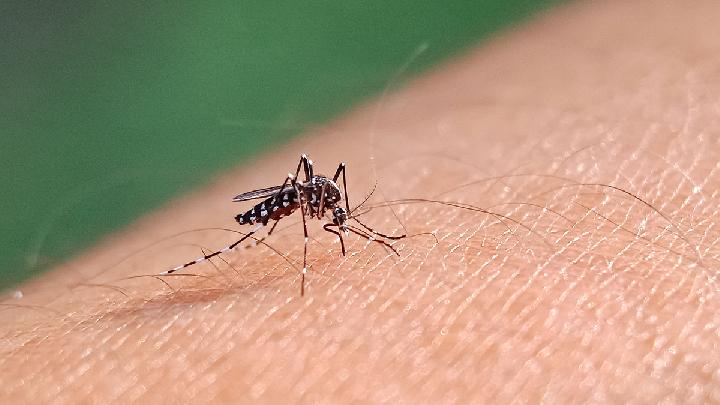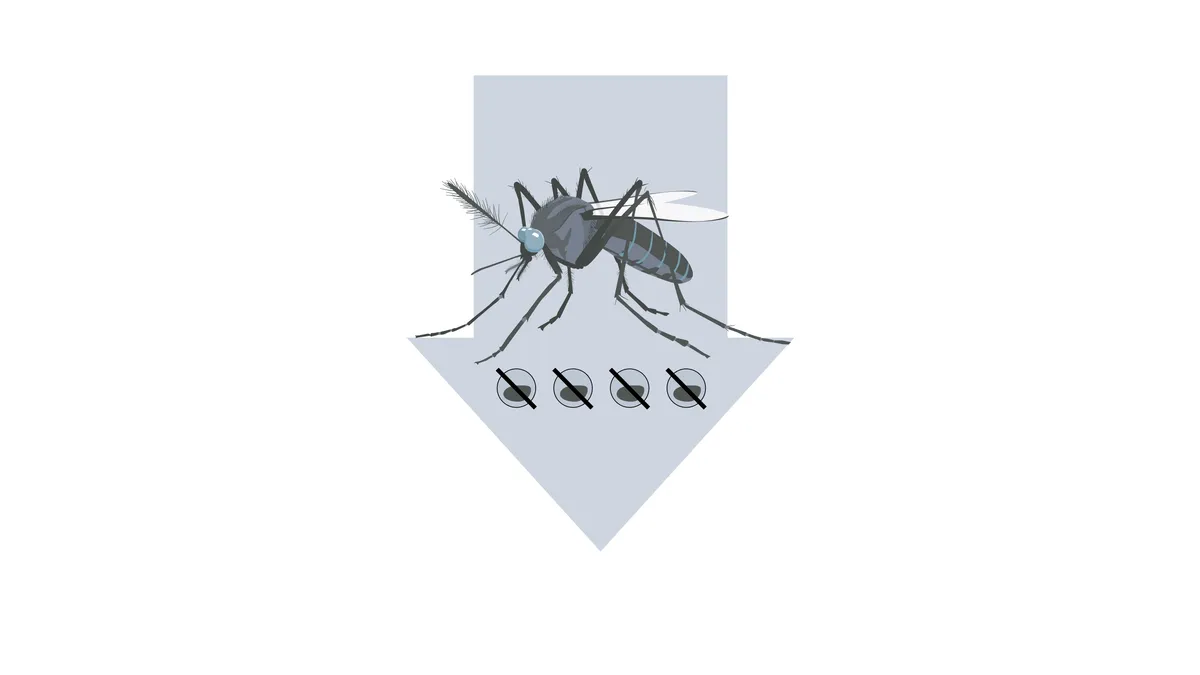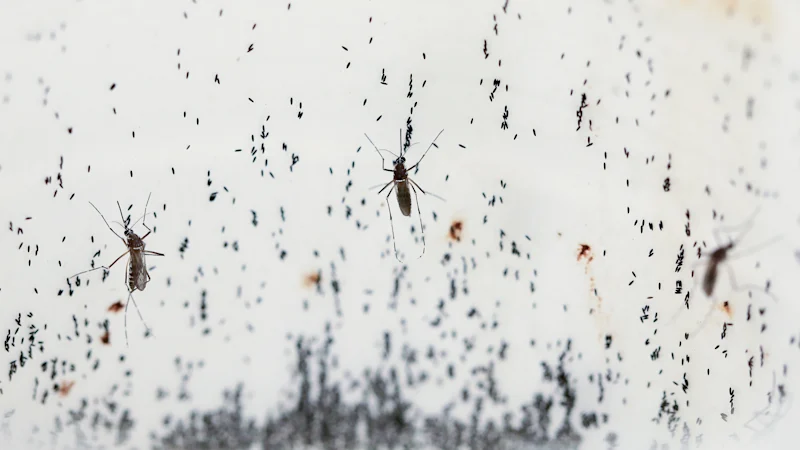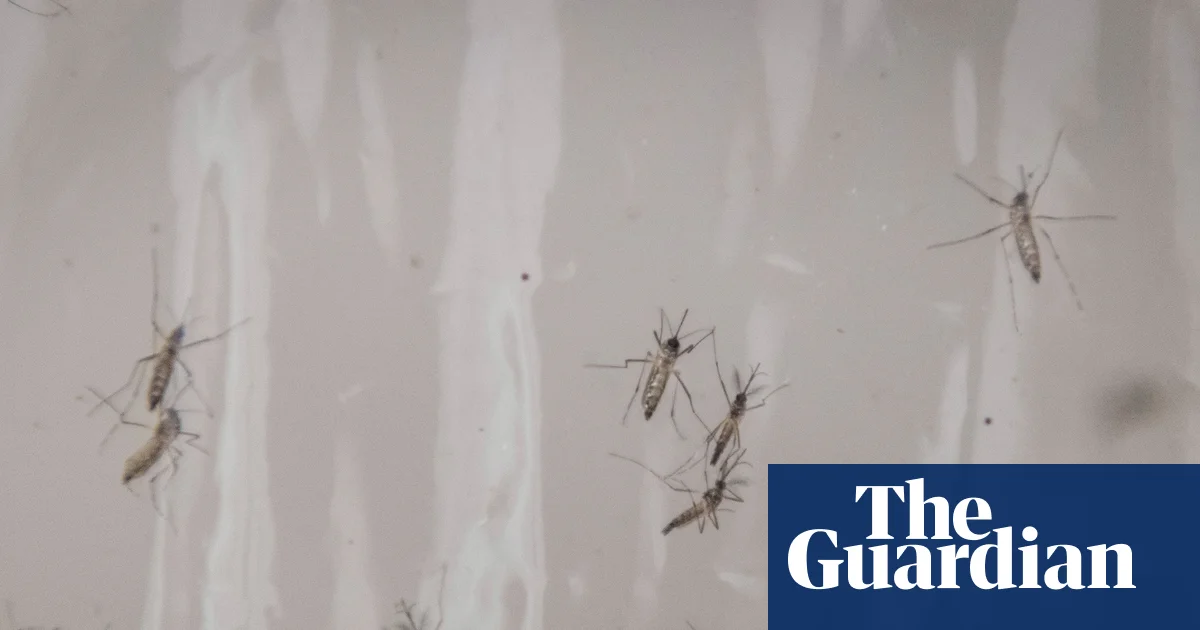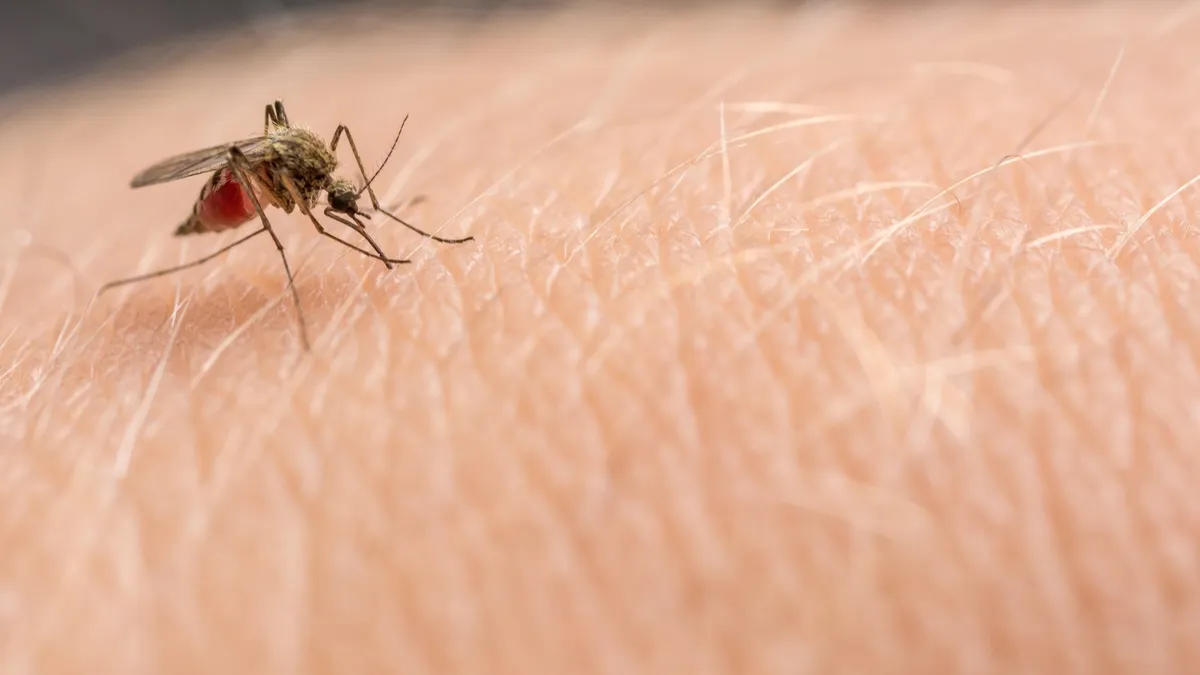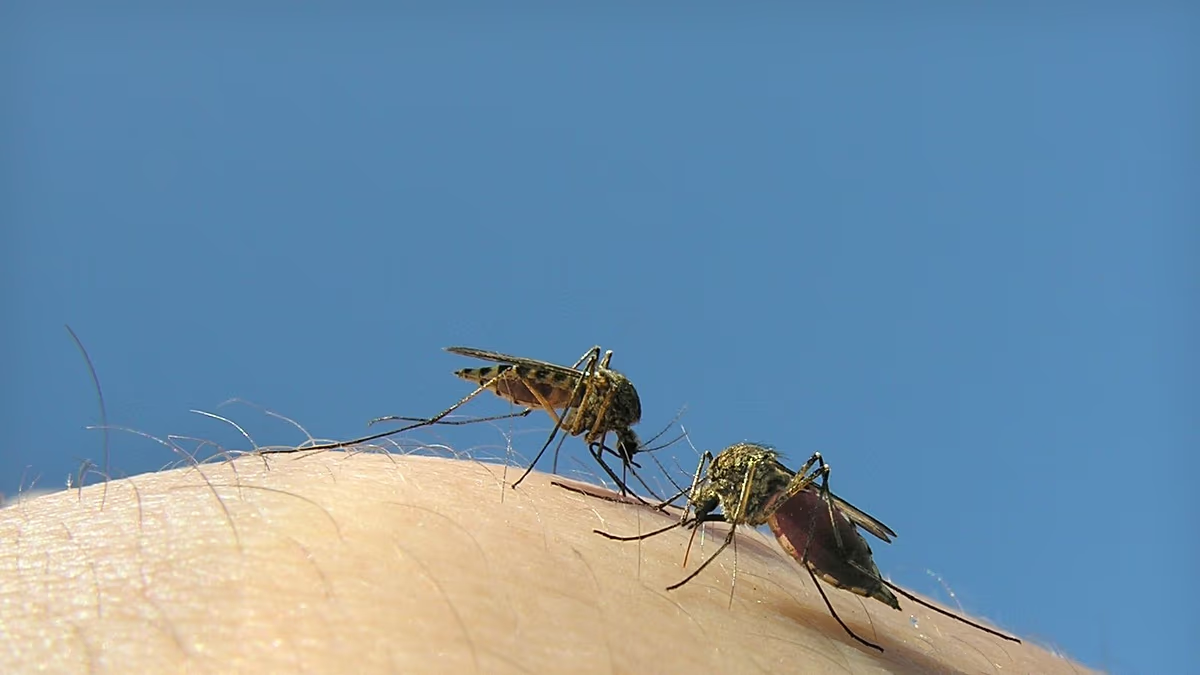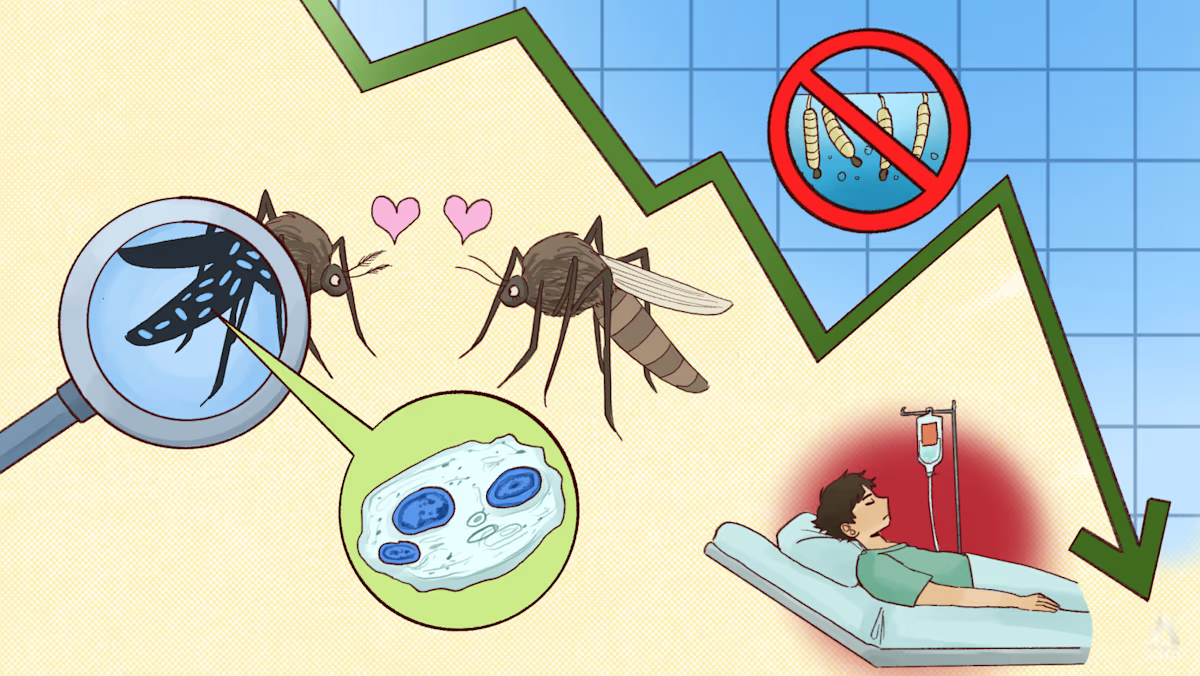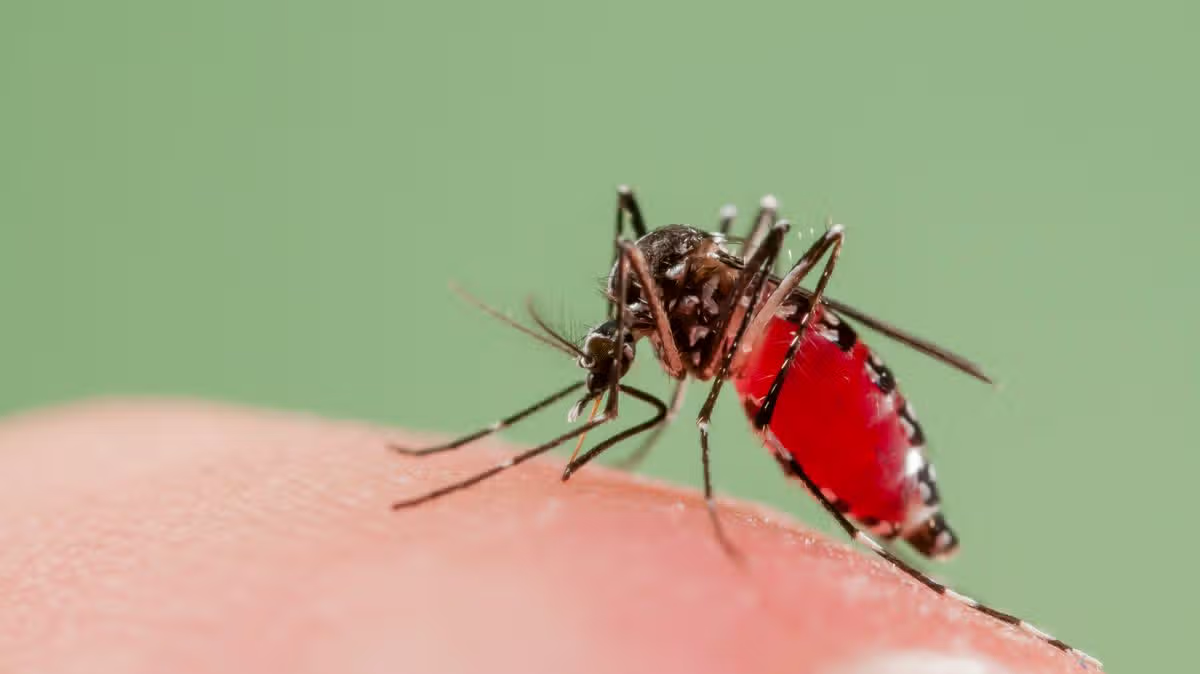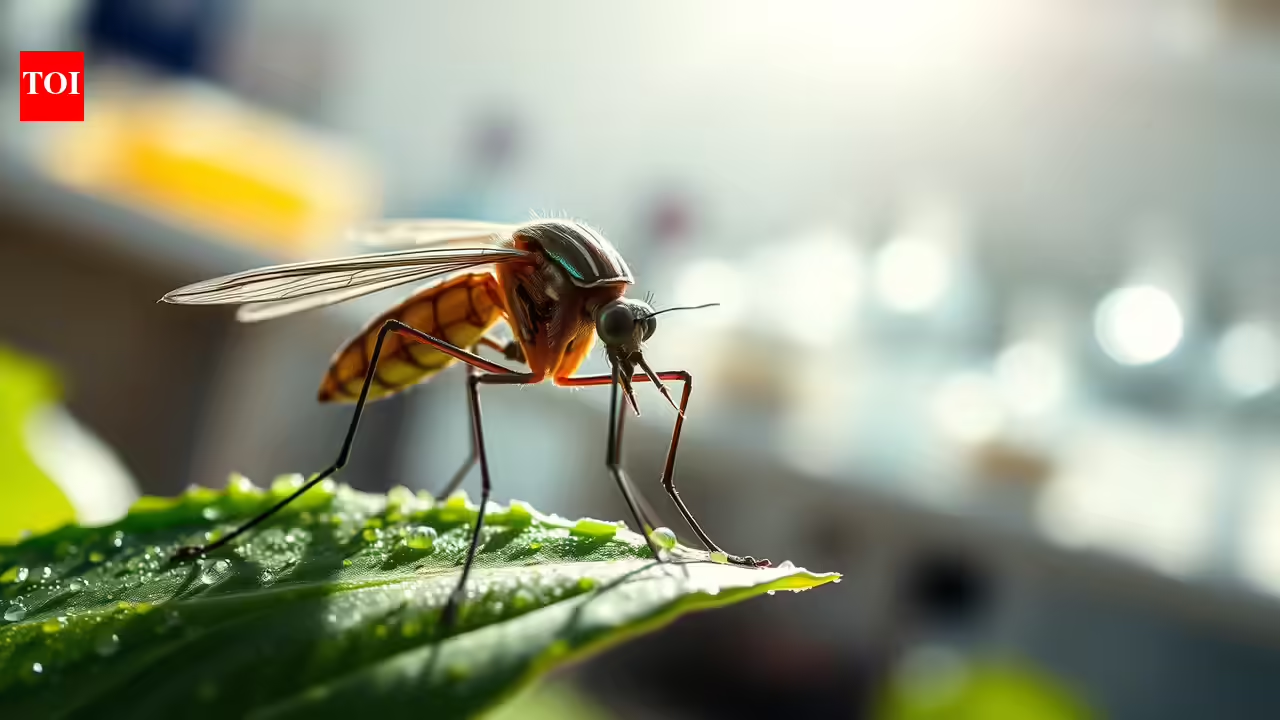
If you’re in Singapore and it feels like mosquitoes are suddenly everywhere, you’re not imagining it. In fact, the country has been deliberately releasing more mosquitoes each week. Counterintuitive as it sounds, this isn’t a misstep – it’s a carefully designed public health strategy. As reported by Channel News Asia, the move is rooted in science, aiming to curb the overall mosquito population rather than worsen it. Here’s how it works.Read more to find out how this strategy works to lower population! (Unsplash)Also Read | Google-backed firm plans 64 million mosquito release in US states; sparks outrage: ‘It’s dangerous’Singapore’s mosquito control strategyAs per the report, Singapore’s strategy of releasing millions of mosquitoes each week is actually aimed at reducing the mosquito population. Before you reach for the fly swatter, there’s an important detail: these mosquitoes don’t bite. The insects being released are male Aedes mosquitoes, and only female mosquitoes feed on blood and bite humans.What makes these males special is that they carry a naturally occurring bacterium called Wolbachia. When Wolbachia-infected male mosquitoes mate with wild female Aedes mosquitoes, the resulting eggs fail to hatch. Over time, this disrupts the breeding cycle, causing mosquito numbers to decline and helping curb the spread of mosquito-borne diseases such as dengue.Why does the Wolbachia-based strategy work?The initiative is backed by Google, and researchers consider Wolbachia-based mosquito control to be one of the most promising tools for combating mosquito-borne diseases. Wolbachia is a naturally occurring bacterium found in many insect species, including butterflies, bees, and beetles. Importantly, it poses no risk to humans or animals, but it has a remarkable effect when introduced into mosquitoes.The Aedes aegypti mosquito – the primary carrier of diseases such as dengue, Zika, and chikungunya – does not naturally harbour Wolbachia. However, scientists can introduce the bacterium into these mosquitoes under controlled conditions. Once present, Wolbachia interferes with the ability of viruses to multiply inside the mosquito's body. As a result, infected mosquitoes are far less likely to transmit these diseases to humans. Studies suggest that this approach can significantly reduce the spread of mosquito-borne illnesses.How is this done?The process begins with a high-speed screening system inside a specialised facility, where every mosquito undergoes automated sorting before release. Millions of mosquitoes are processed each day through an AI-powered sex-sorting machine, with each insect travelling through individual lanes. As they pass through, high-resolution images are captured and analysed in real time to distinguish males from females. Artificial intelligence then identifies the non-biting male mosquitoes, which are the only ones selected for release.These mosquitoes are then released into the wild, where they mate with female Aedes mosquitoes. Because the released males carry Wolbachia, the eggs produced from these pairings fail to hatch, preventing the next generation from developing. Over time, this gradually suppresses the mosquito population and helps reduce the spread of mosquito-borne diseases.The results have been striking. According to Channel News Asia, mosquito populations in some parts of Singapore have fallen by more than 90 per cent since the programme was introduced. However, there is a catch: in the short term, residents may notice more mosquitoes buzzing around. That's because mosquito numbers have to temporarily go up before the population can be driven down.
Singapore is deliberately releasing millions of mosquitoes on its residents. Here's why
Singapore's air is abuzz with more mosquitoes, but there's a reason behing it. It is a strategy that can curb the population of these disease-spreading insects. | Health
534 words~2 min read