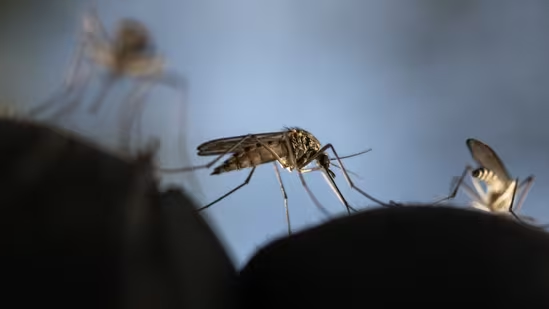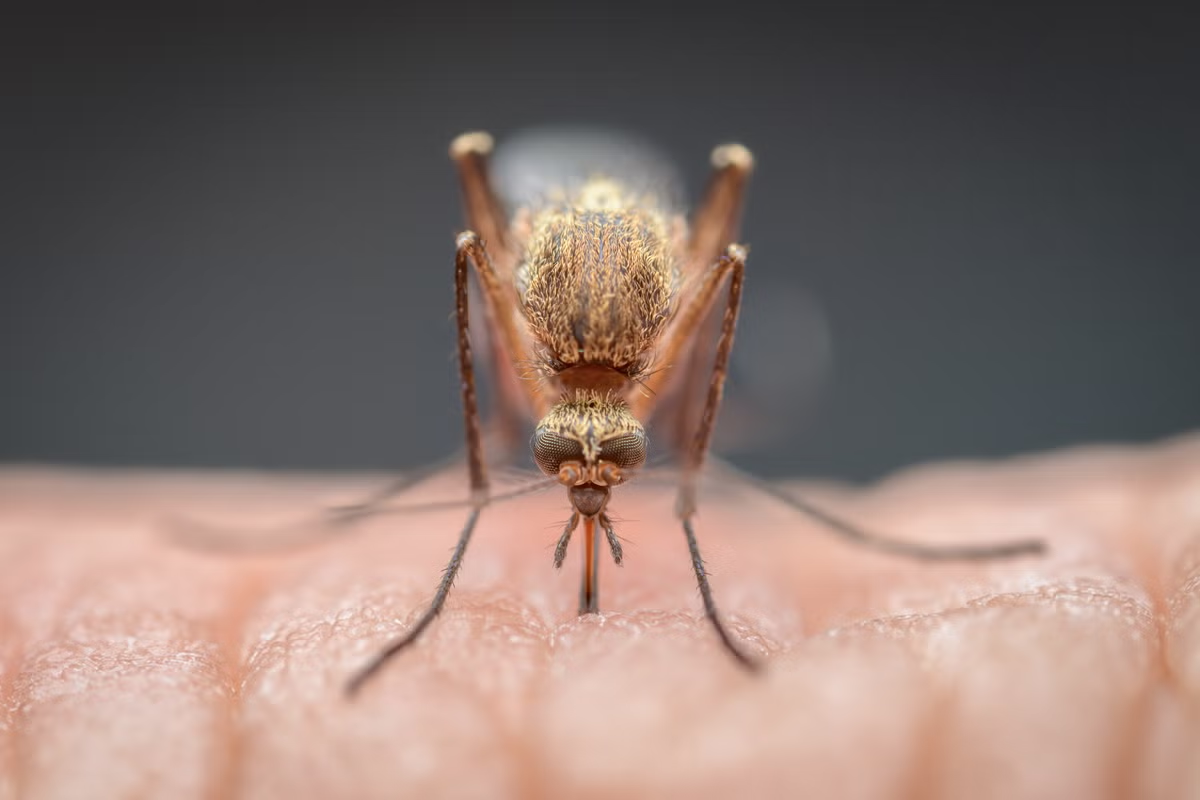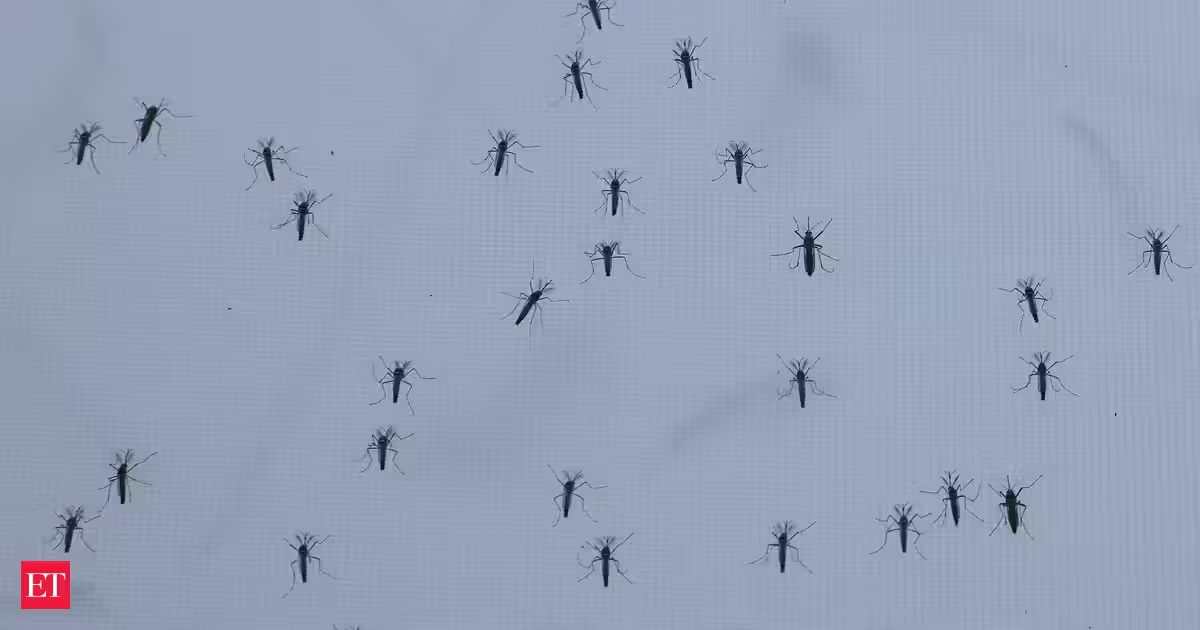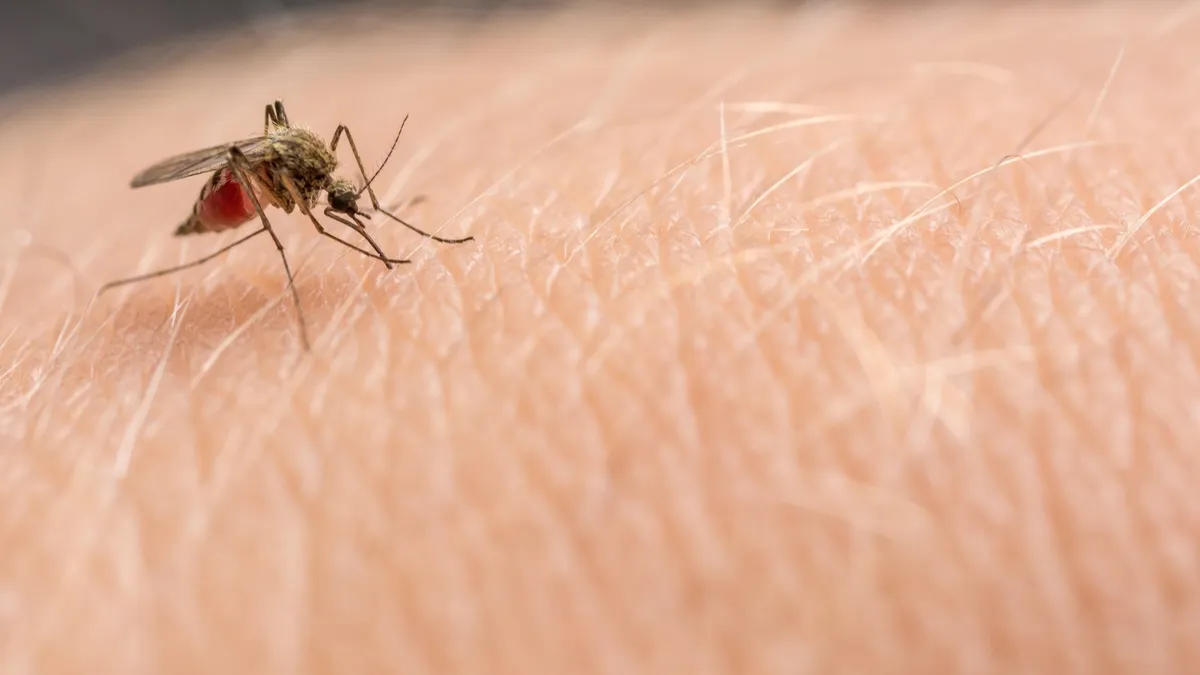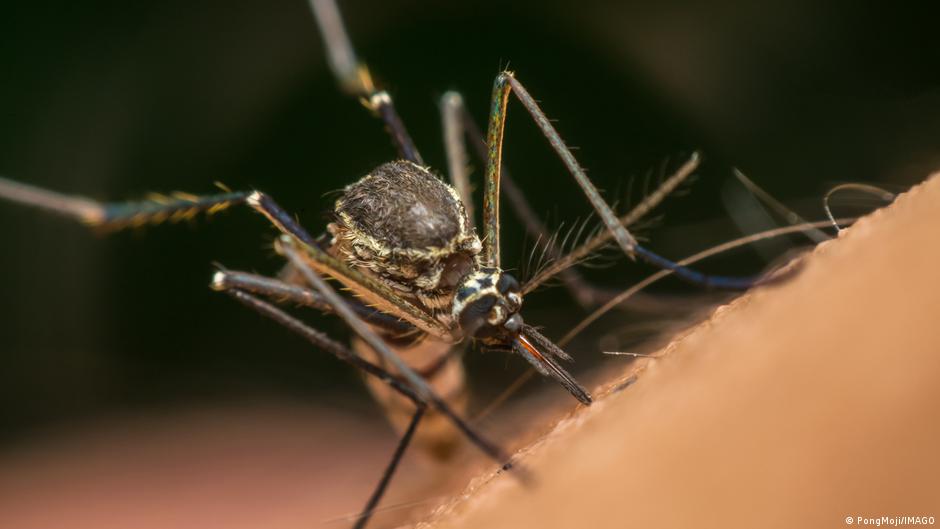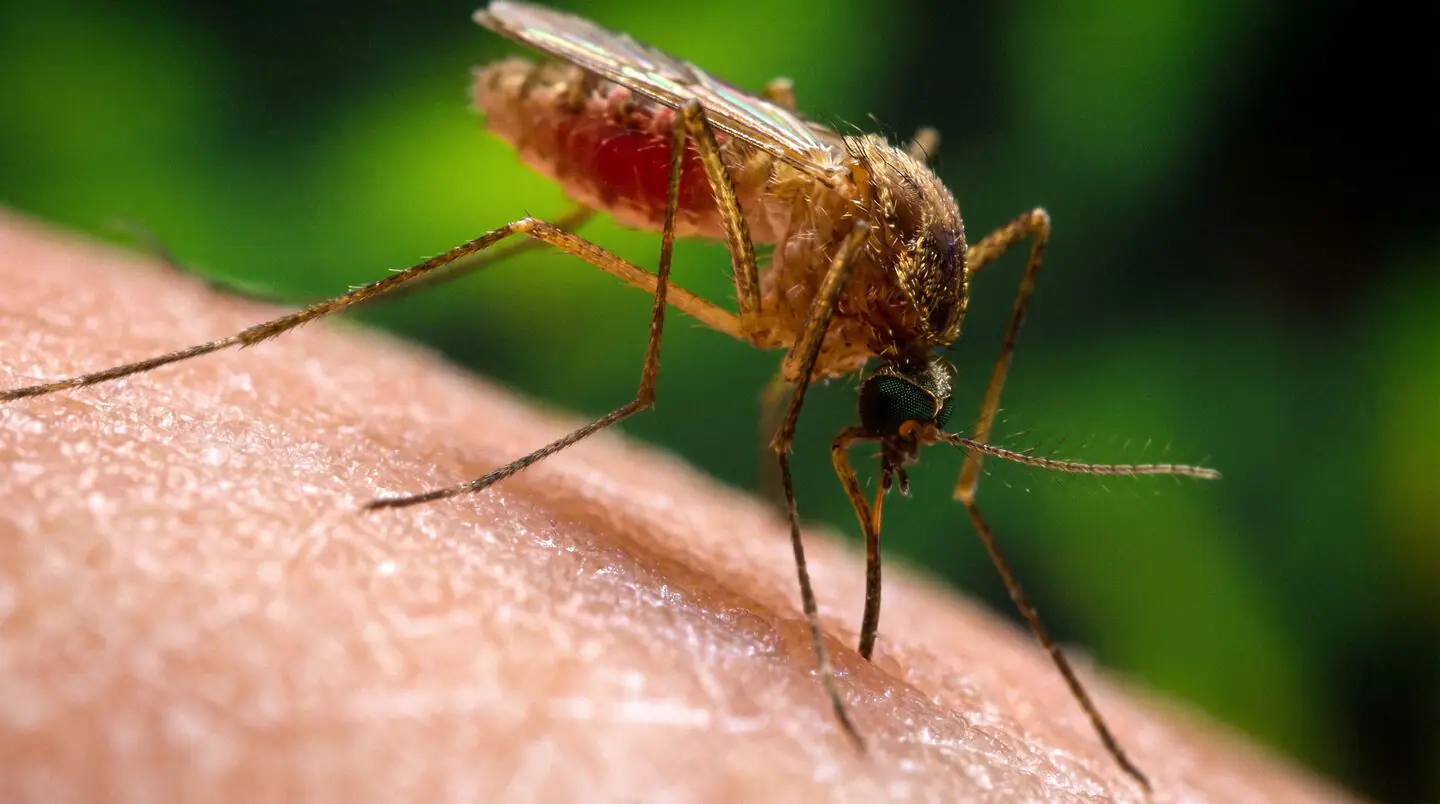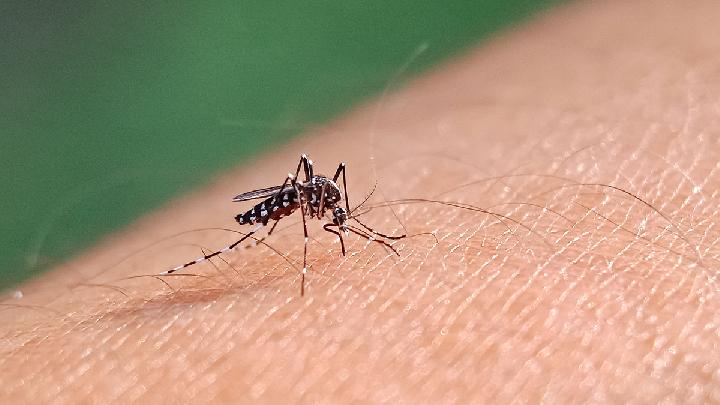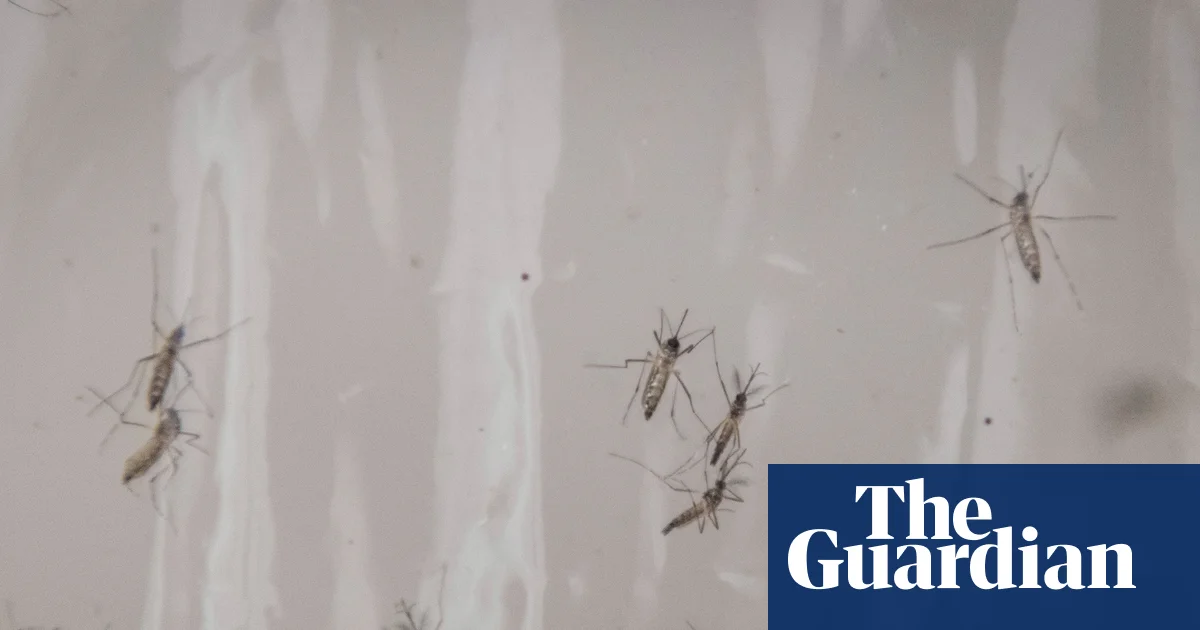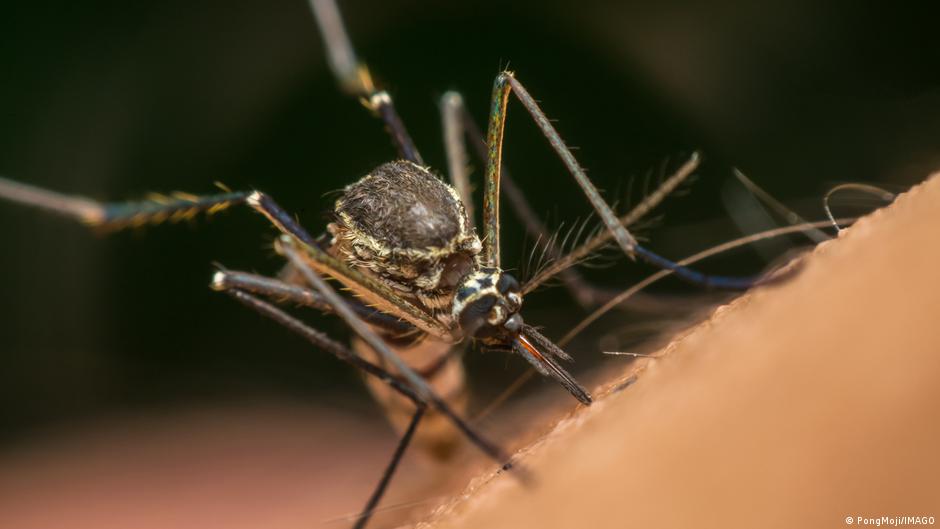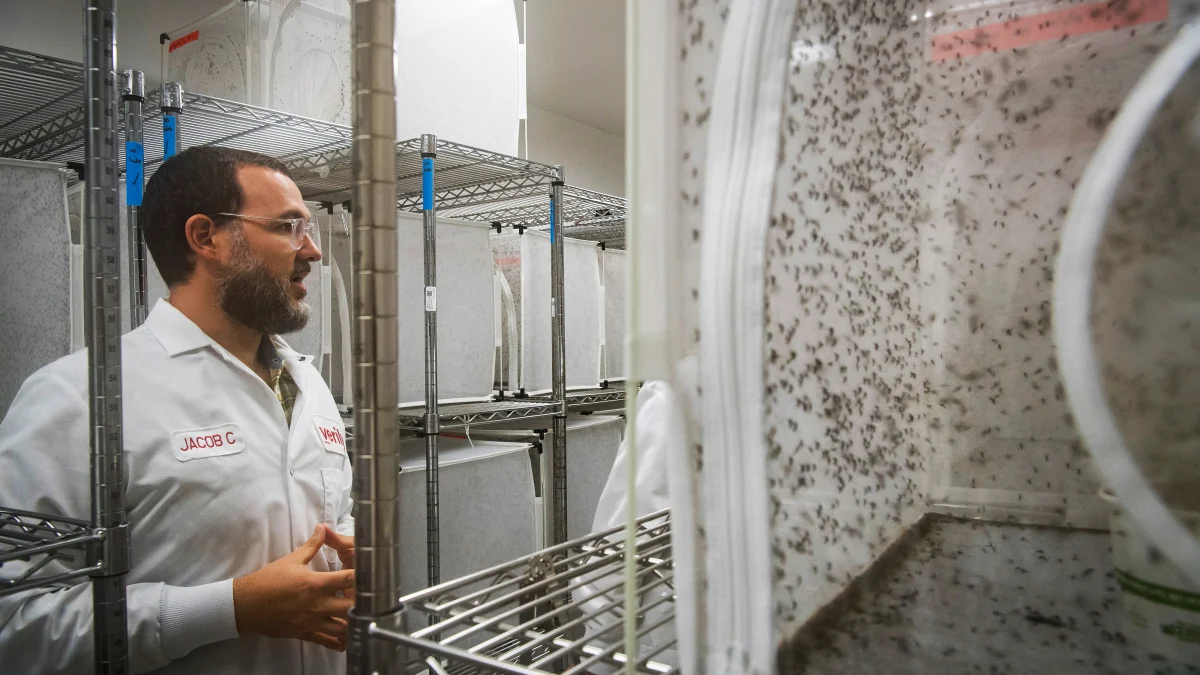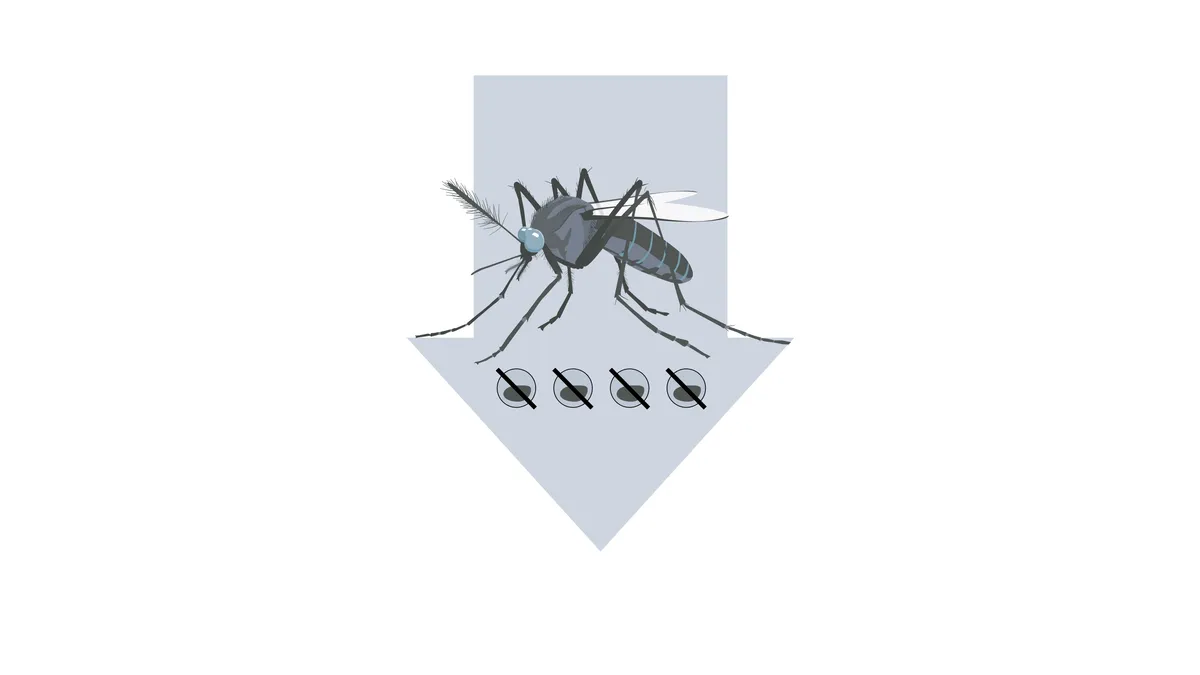
Google is seeking the EPA's permission to release 64 million sterilized male mosquitoes in California and Florida over two years to reduce the southern house mosquito population and limit the spread of disease.Google’s Debug initative is targeting the species Culex quinquefasciatus. It's associated with the spread of St. Louis encephalitis and West Nile virus, which sickens more than 1,300 people in the United States every year.Fighting mosquitoes with more mosquitoes may seem illogical, but it works. Male mosquitoes don’t bite humans, which means they can’t spread disease the way biting female mosquitoes do.The male mosquitoes are treated with a common type of bacteria called Wolbachia, which makes them unable to reproduce. If they mate with females that don’t have Wolbachia, the eggs won’t hatch. That means fewer mosquitoes.Wolbachia does not make people or animals sick, and the mosquitoes are not genetically modified, according to the Centers for Disease Control and Prevention.There are different ways to combat mosquitoes. Debug uses what's called the suppression method.How introducing mosquitoes with the Wolbachia bacteria can reduce the number of mosquitoes and the spread of diseaseCan't see our graphics? Click here to reload the page.About 16 million laboratory-bred and sterilized male mosquitoes would be released in Florida and California each in the first year of the experiment, followed by another 16 million in both states in the second year, a notice in the Federal Register says.The notice does not say what county or city the bugs would be released in or when the test would occur.Only the female mosquitoes bite because they need blood to produce eggs. Male mosquitoes instead feed on flower nectar.How does Wolbachia bacteria affect mosquitoes?While Debug uses suppression, the World Mosquito Program uses the "replacement method," in which mosquito populations are replaced with mosquitoes that carry Wolbachia. That results in mosquitoes that can't transmit disease."Evidence indicates that Wolbachia works in two ways within a mosquito," Gregor Devine, the senior scientific director of the World Mosquito Program, told USA TODAY.The bacteria boosts the natural immune system of the mosquito to make it harder for the mosquito to support the dengue, Zika, chikungunya or yellow fever infection.The bacteria also competes against viruses for key molecules like cholesterol in the mosquito. When Wolbachia is present, it consumes these molecules and makes it harder for the viruses to grow. If it’s harder for the viruses to grow, then it’s harder for them to be transmitted, Devine says.Wolbachia is commonly found in insects throughout the world, the CDC says. When an insect dies, the Wolbachia also dies and decomposes.Wolbachia works on a species-specific basis, the CDC says. It's been used on insects such as fruit flies, screwworms and codling moths.Though Debug seeks to use Wolbachia against Culex quinquefasciatus, it's also used it on male Aedes aegypti mosquitoes to disrupt the reproductive process of female Aedes aegypt mosquitoes. These mosquitoes do not directly affect other mosquito species.The Debug Project is part of Google's parent company Alphabet’s life sciences subsidiary, Verily. It was started in 2016.Aedes aegypt mosquitoes are known as the “yellow fever mosquito,” according to the National Institutes of Health. They also spread dengue fever, Zika and chikungunya.Using the bacteria against Aedes aegypt mosquitoes has worked in Texas and California, the CDC says. It also has seen success in Singapore, Thailand, Mexico and Australia.The drawback: “When mosquitoes with Wolbachia stop being released into an area, the Aedes aegypti mosquito population will slowly return to normal levels,” the CDC says.How is the bacteria used?The CDC describes the process this way:Wolbachia bacteria are introduced into same-species male and female mosquito eggs.Male and female mosquitoes with Wolbachia are bred from the eggs. The mosquitoes are mass-produced in a factory.The male and female mosquitoes with Wolbachia are sorted. Only the males are kept. Females are not released but may be used for breeding in the laboratory.The male mosquitoes with Wolbachiaare released into the wild.Though the bacteria is considered more environmentally friendly than pesticides, the operation works only if a large number of male insects can be isolated, sterilized and released. Insects have to be chilled, packed, transported and released.The process is usually less effective in areas with high numbers of targeted insects. In such areas, repeated releases may be required.The public can comment on the EPA's plan until Friday, June, 5 by clicking here.CONTRIBUTING Kimberly Miller and Sarah Perkel, USA TODAY NETWORKSOURCE USA TODAY Network reporting and research; Reuters; National Institutes of Health; Centers for Disease Control and Prevention; World Mosquito Program
Google is releasing millions of mosquitoes in these states. See why
You don't need to stock up on repellent, or worry about getting more mosquito bites, these male insects don't feed on humans.
745 words~3 min read