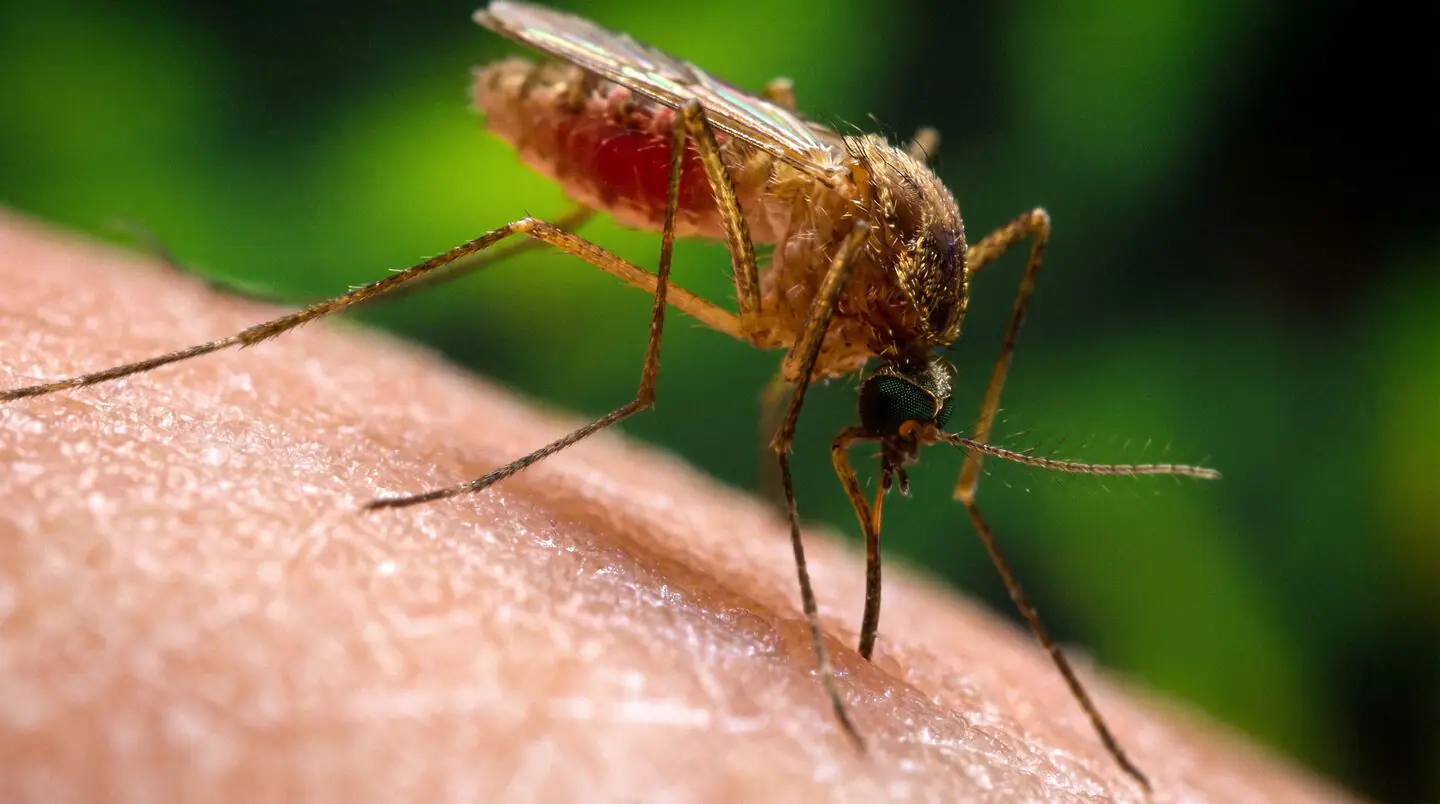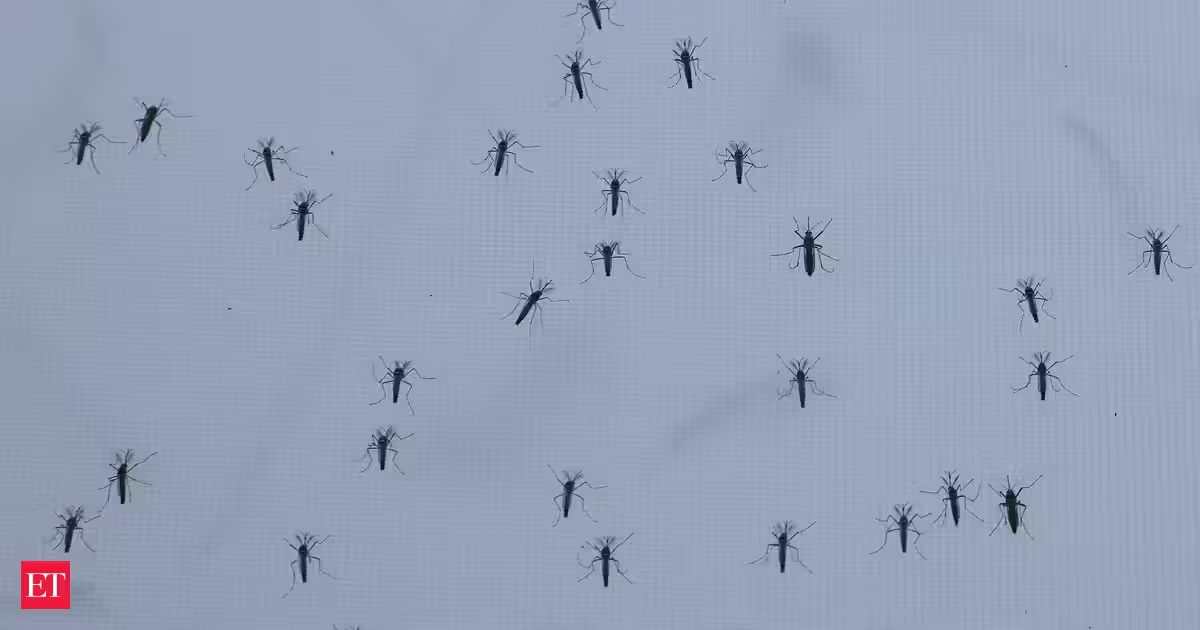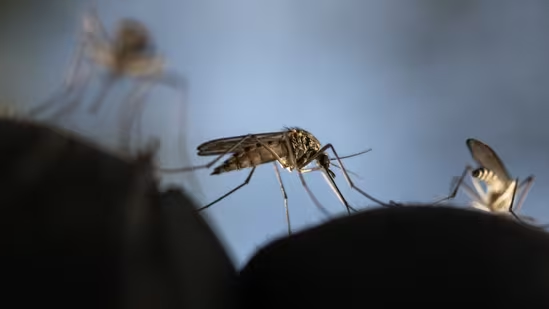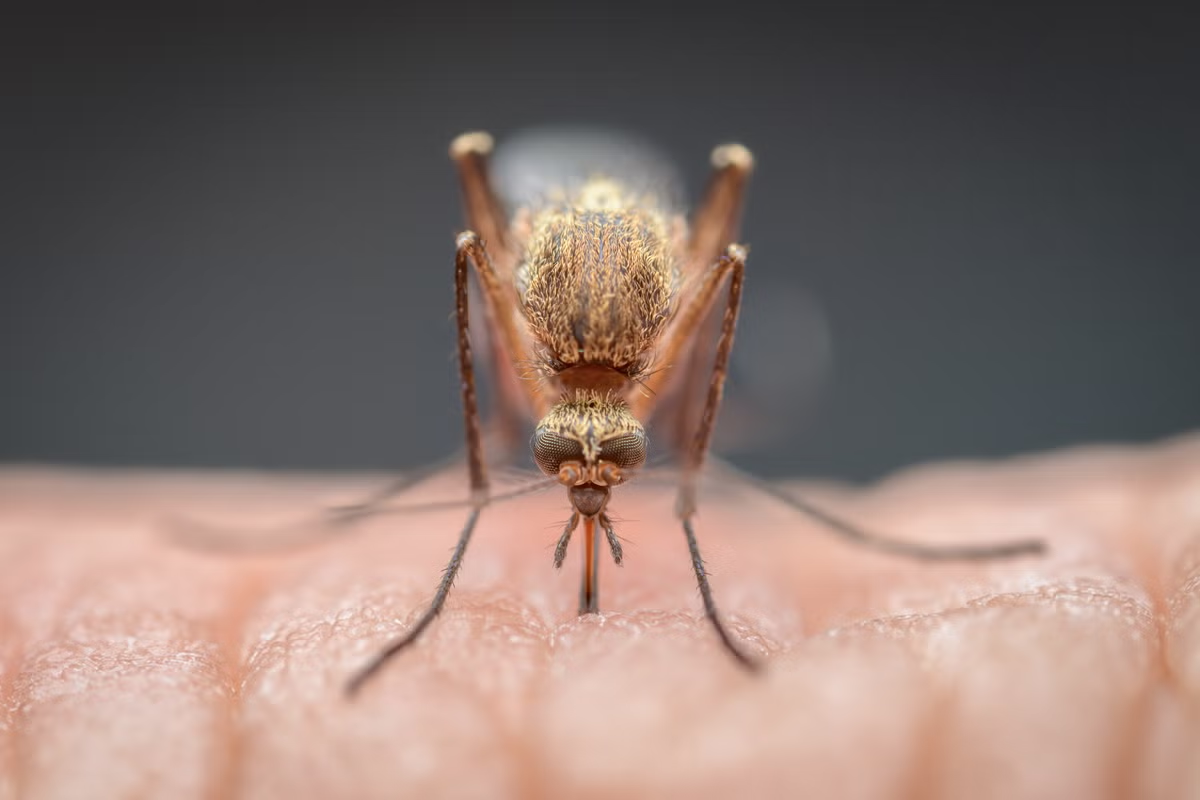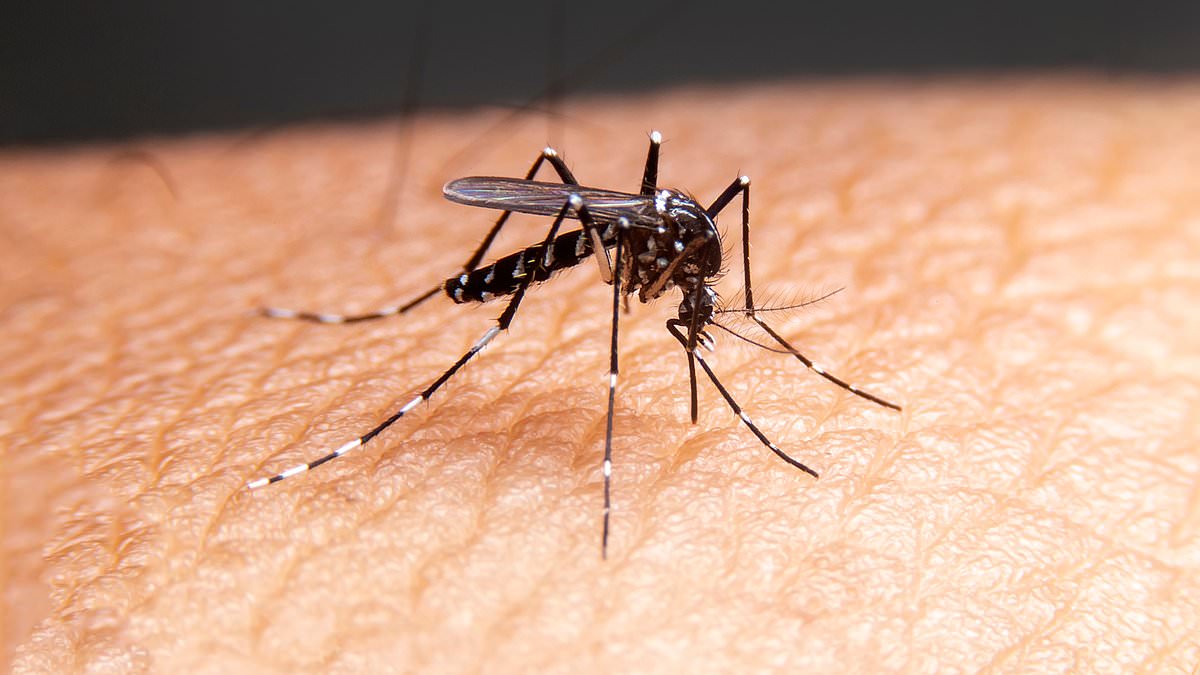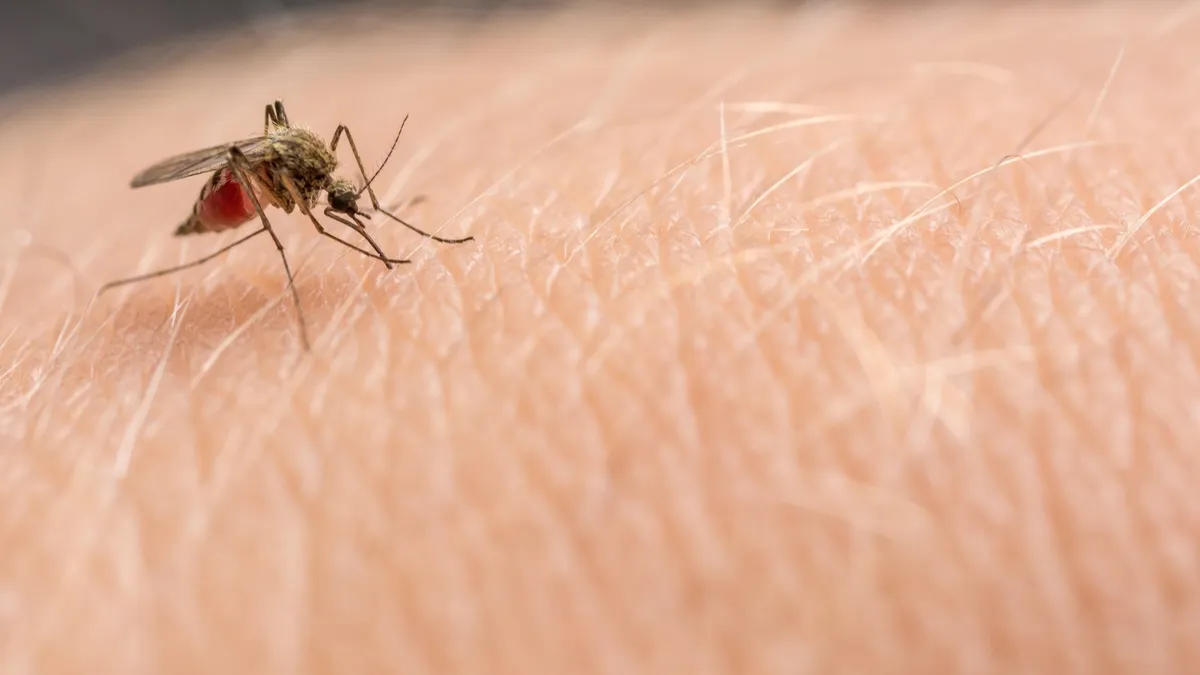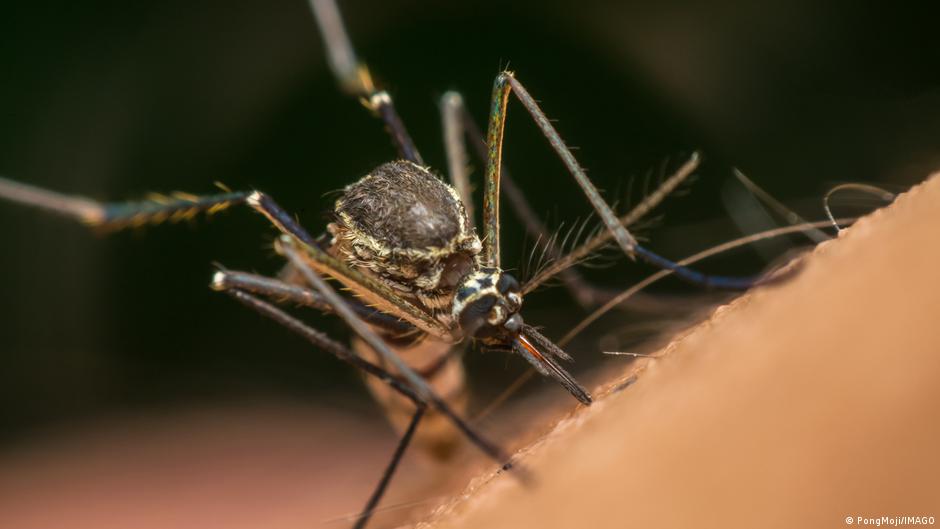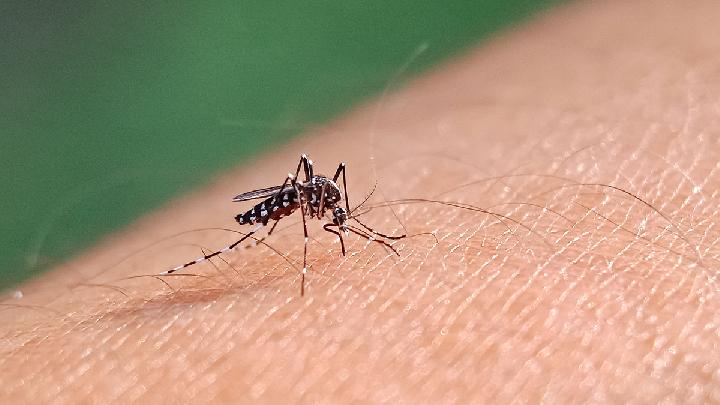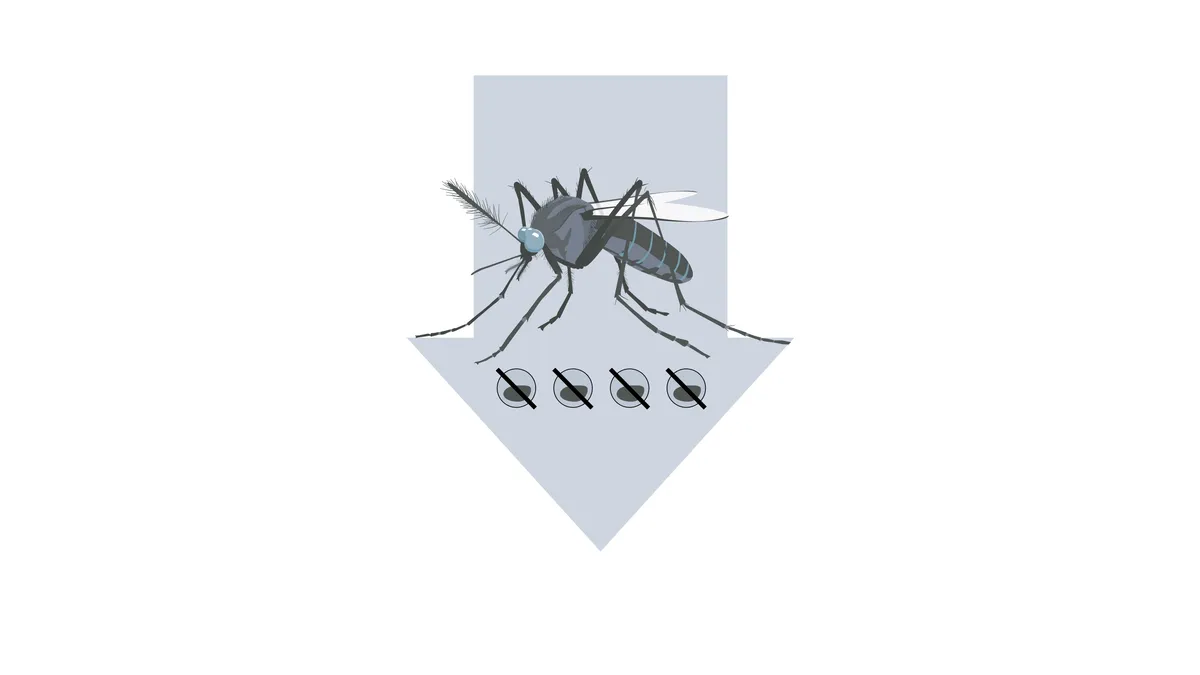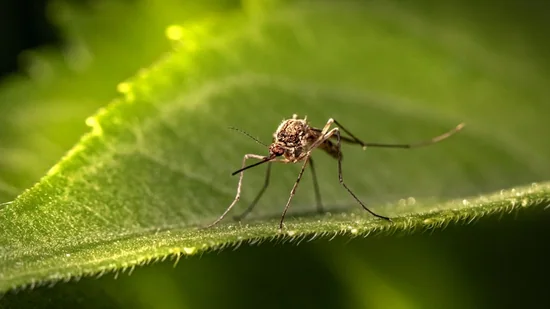
Google’s parent company, Alphabet, has applied for federal approval to release 32 million specially treated mosquitoes across California and Florida over the next two years. The move is aimed at reducing the spread of mosquito-borne diseases such as West Nile virus and St. Louis encephalitis.The proposal has been submitted to the US Environmental Protection Agency and is part of the “Debug” programme launched in 2016 by Alphabet’s life sciences division, Verily. The project focuses on innovative methods to control mosquito populations and limit disease transmission.The strategy uses a naturally occurring bacterium known as Wolbachia. Male mosquitoes are bred with this bacterium and then released into the environment. When these infected males mate with wild female mosquitoes that do not carry the same strain, the eggs produced are non-viable and fail to hatch. Over time, this process helps reduce the overall mosquito population. Because only female mosquitoes bite humans, releasing large numbers of males will not result in any additional bites for people.Targeting Disease-Carrying SpeciesThe programme specifically targets Culex mosquitoes, which are the primary carriers of West Nile virus and St. Louis encephalitis. Both diseases are already present in California, with West Nile virus being the most common mosquito-borne illness in the United States.Phased Rollout PlanIf approved, the trial will be conducted over two years in phases. Up to 16 million mosquitoes will be released in each state during the first year, followed by another 16 million in the second year.[With TOI inputs]
Why tech giant Google is planning to release 32,00,00,000 mosquitoes in the US
Google's parent company, Alphabet, plans to release 32 million specially treated mosquitoes in California and Florida. This initiative aims to combat diseases like West Nile virus. The program uses male mosquitoes carrying a bacterium that prevents eggs from hatching. This method targets disease-carrying Culex mosquitoes. The phased rollout will span two years across both states.
242 words~1 min read