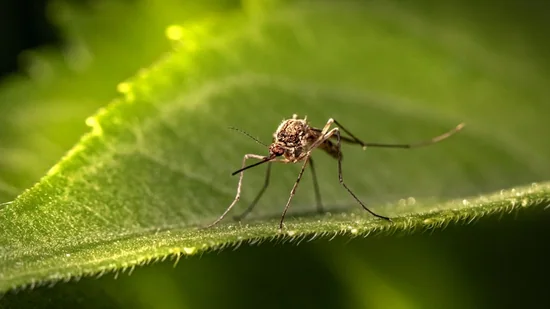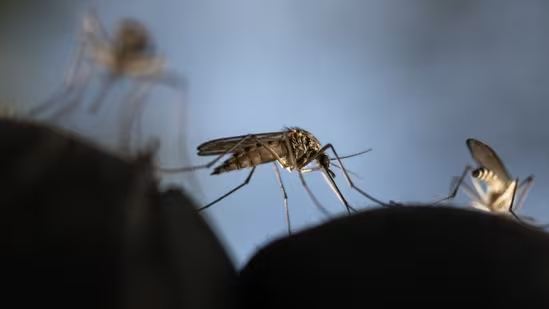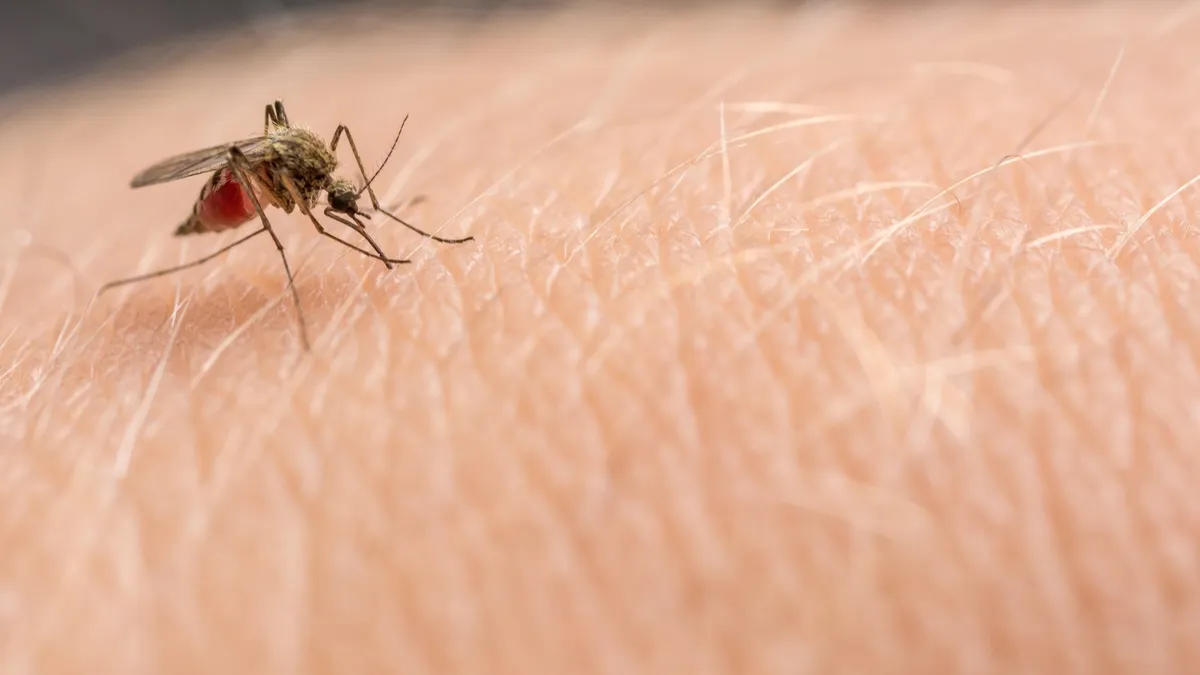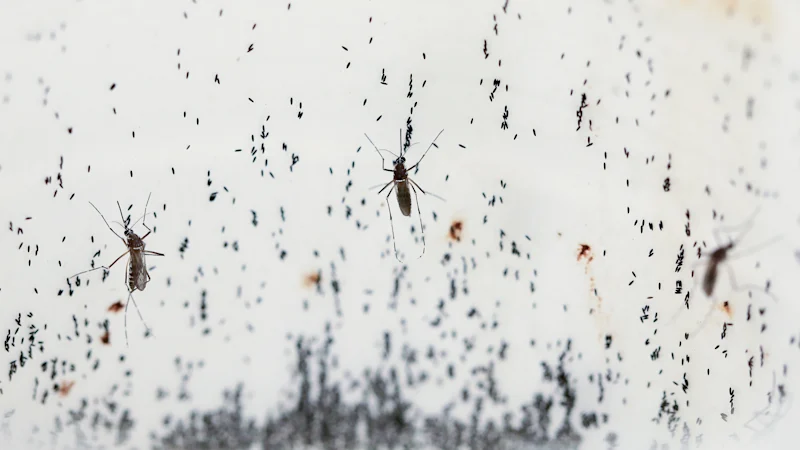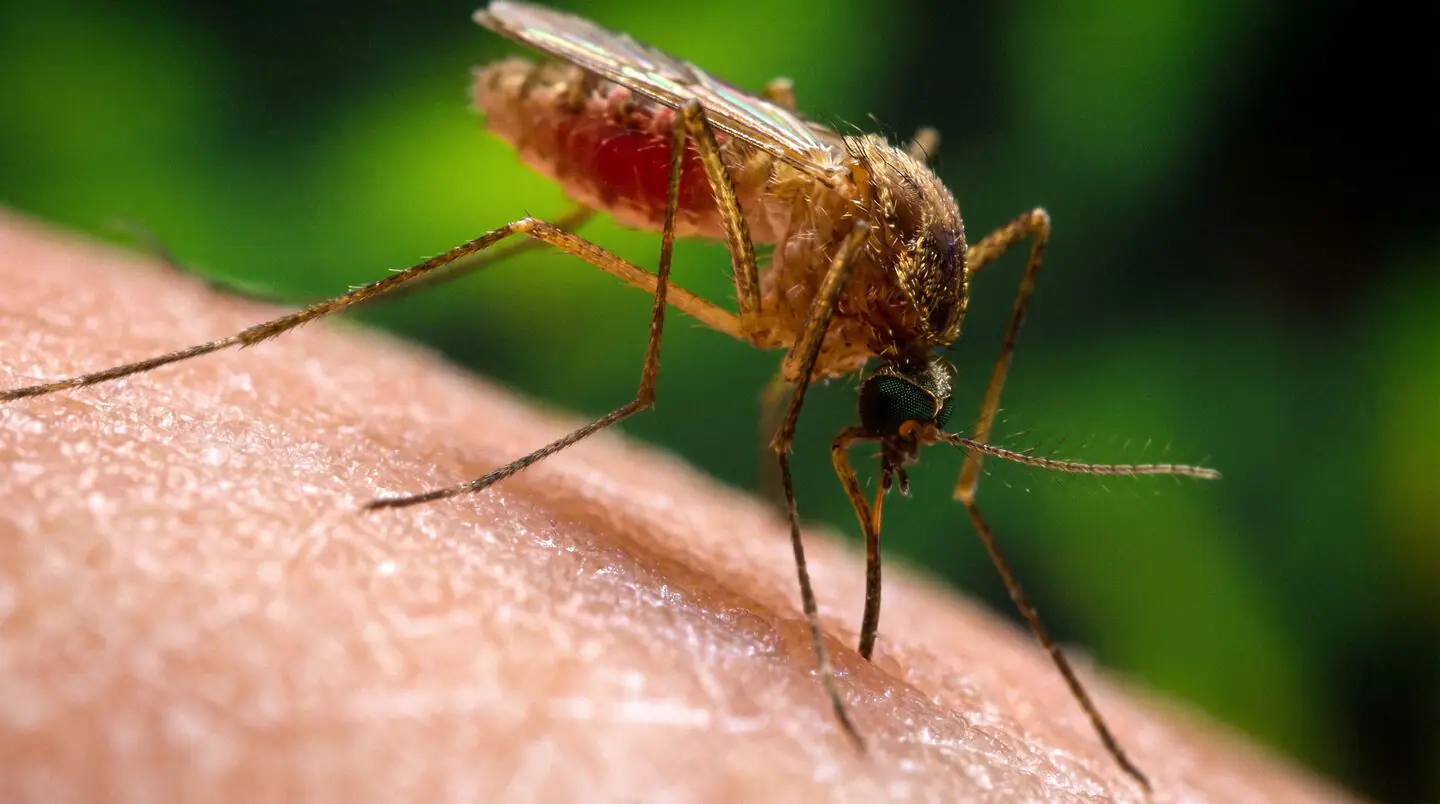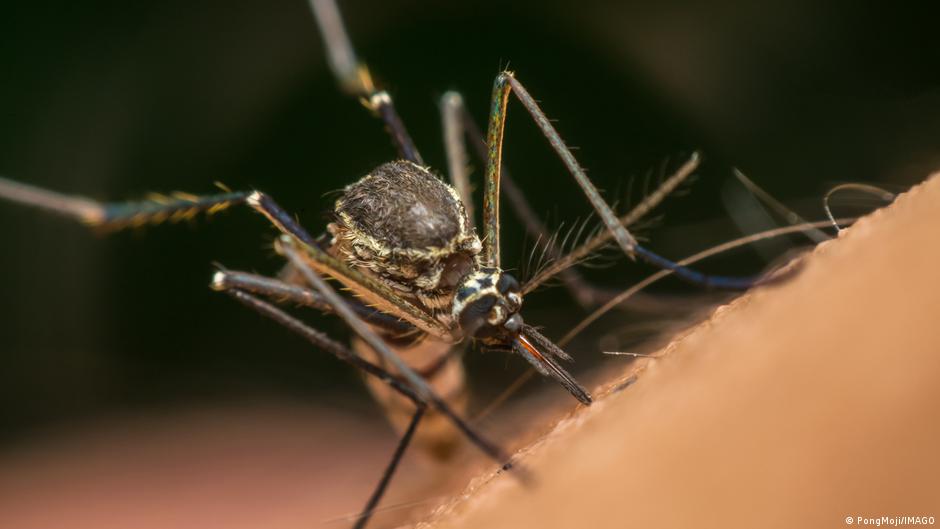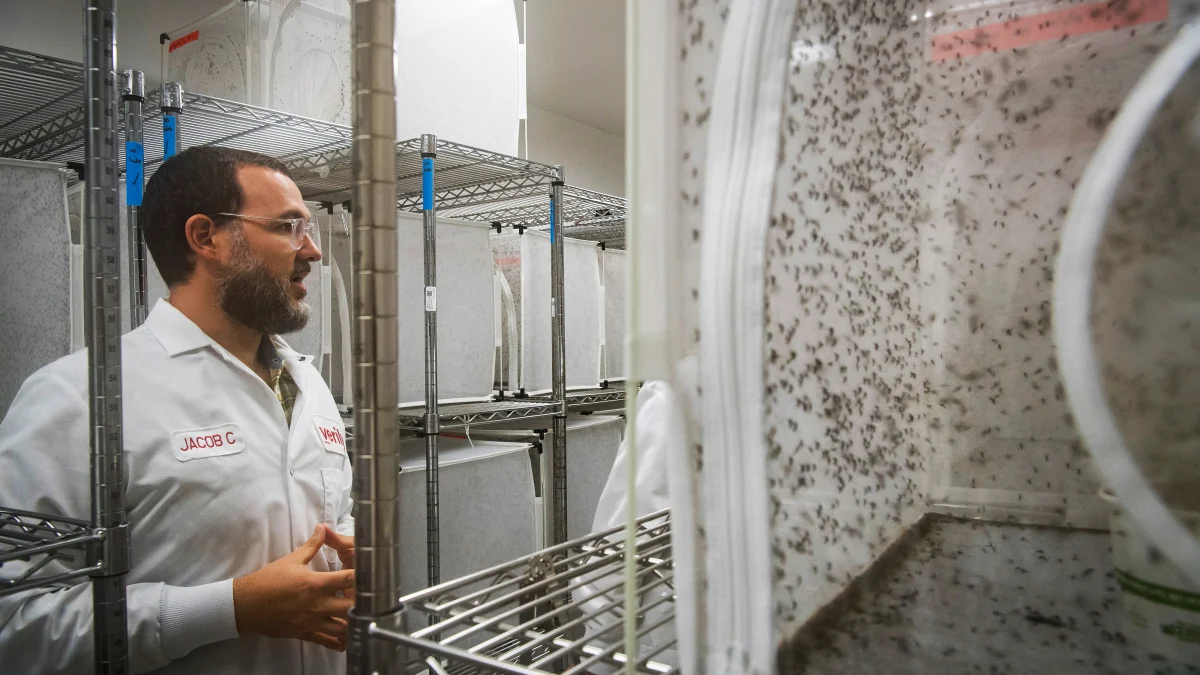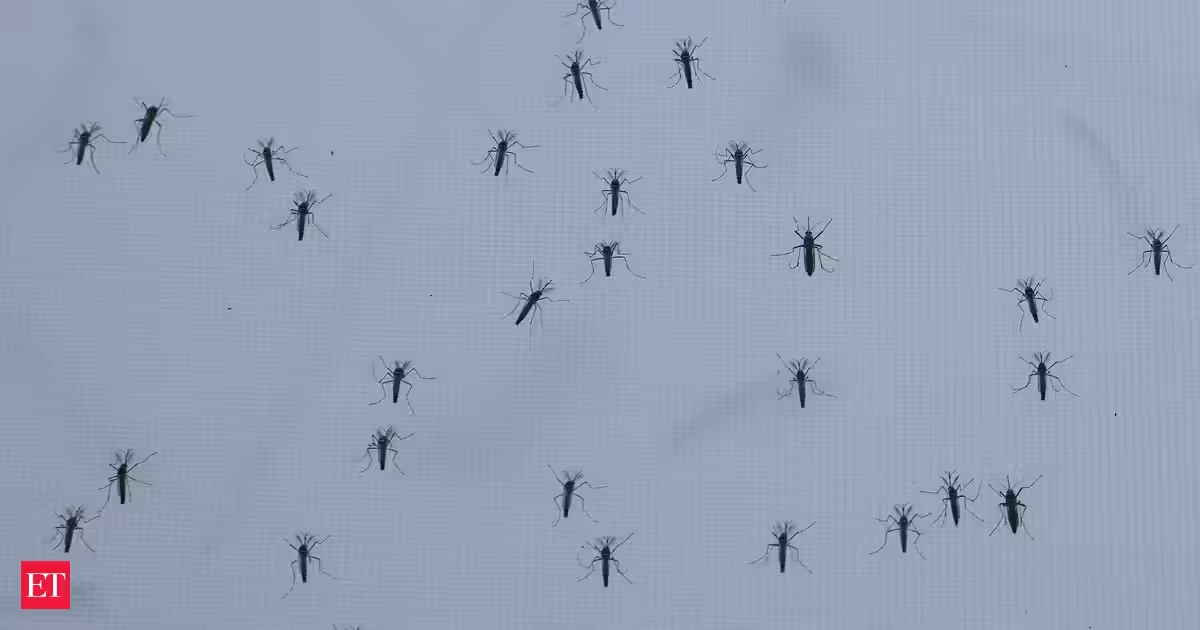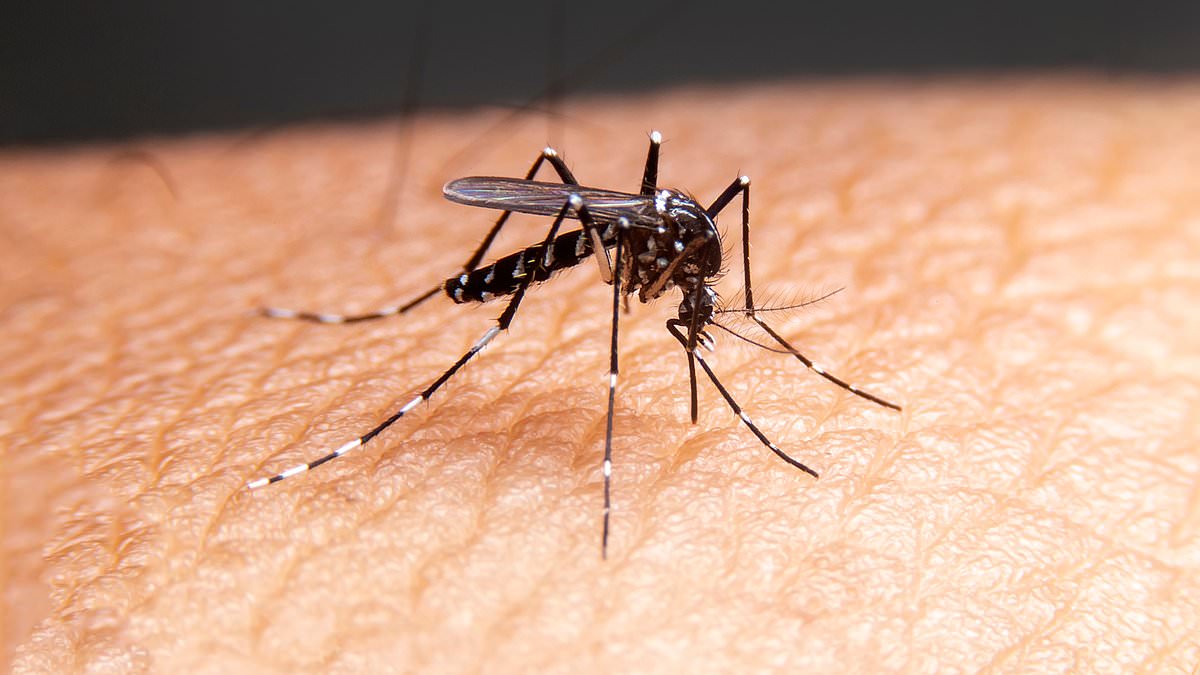
Google is facing backlash over plans to release millions of bacteria-infected mosquitoes in two states, a project critics have dubbed one of the largest open-air biological experiments in US history.
Backed by Google's parent company Alphabet, the proposal seeks federal approval to deploy 32 million modified mosquitoes annually across California and Florida beginning next year.
If approved, the two-year program would result in a total of 64 million mosquitoes being released into the environment.
The aim is to reduce populations of disease-carrying mosquitoes using what researchers describe as 'good bugs' - males carrying a naturally occurring bacterium called Wolbachia. Male mosquitoes also do not bite.
When the infected males mate with wild females, the females still lay eggs, but the eggs fail to develop and hatch, gradually reducing mosquito populations over successive generations.