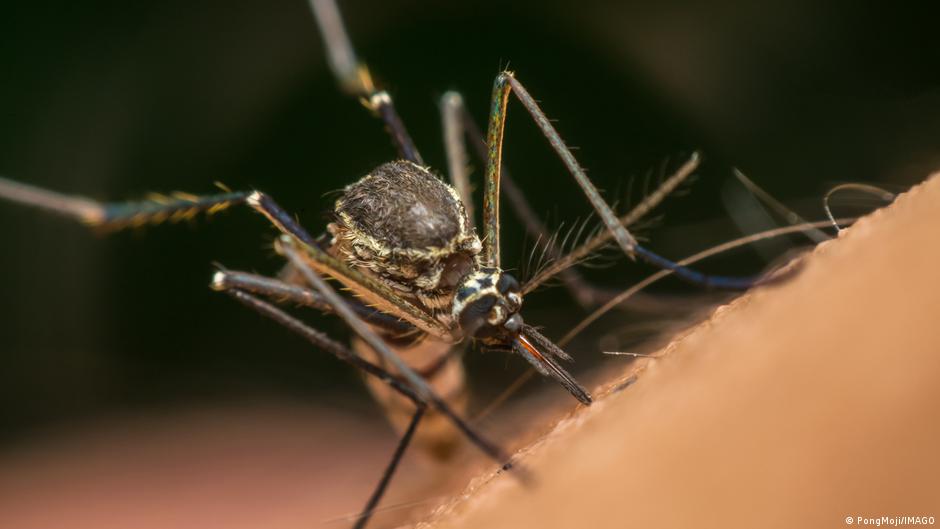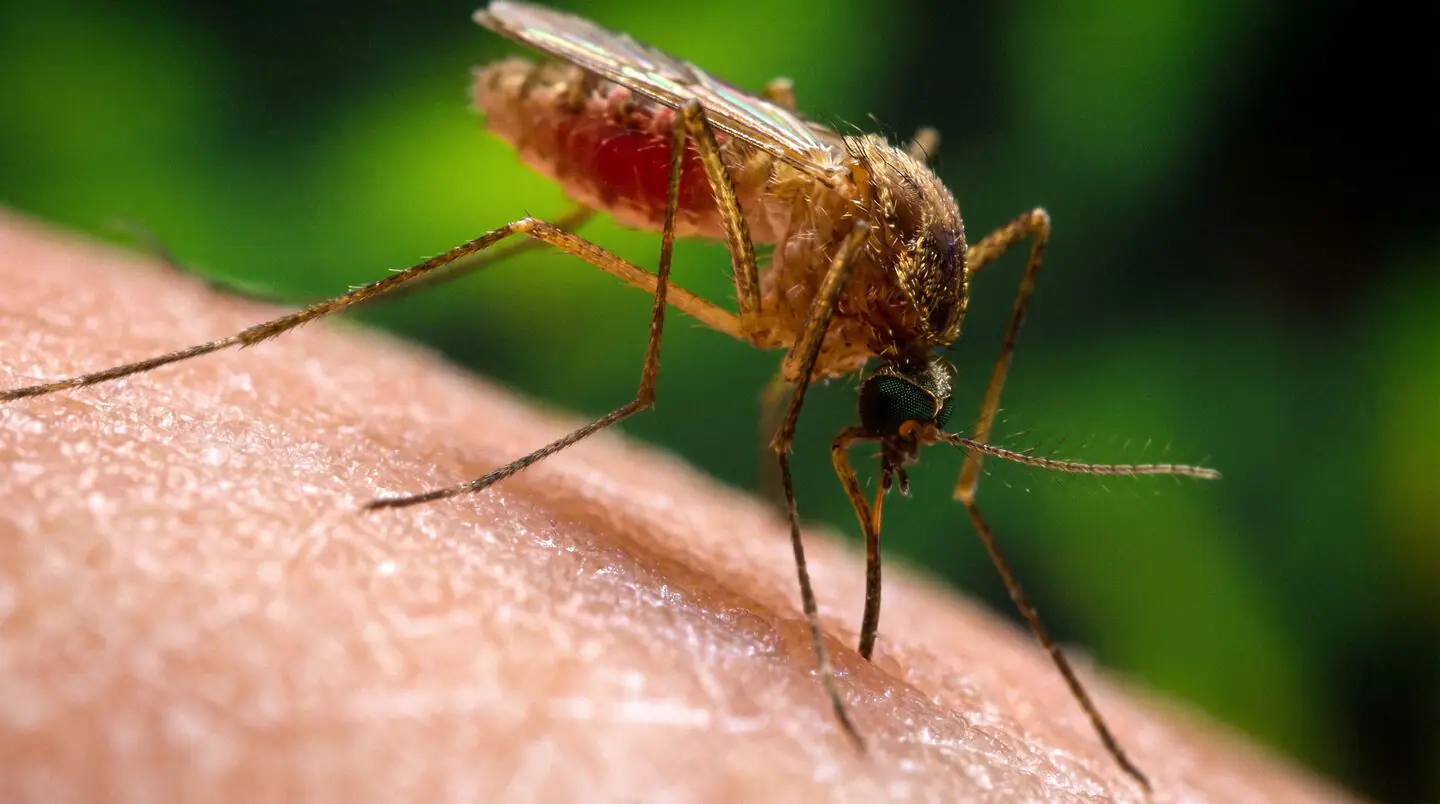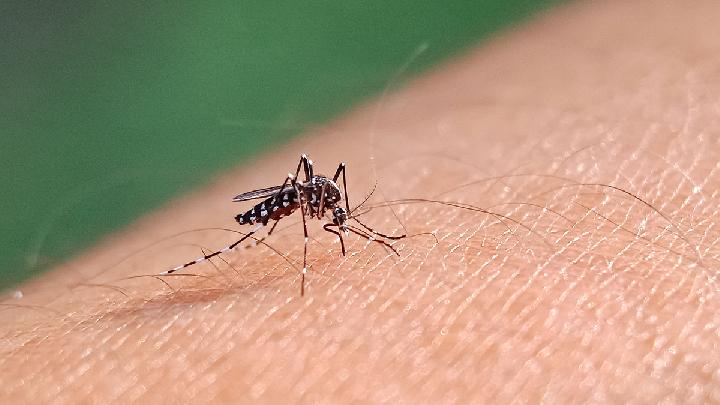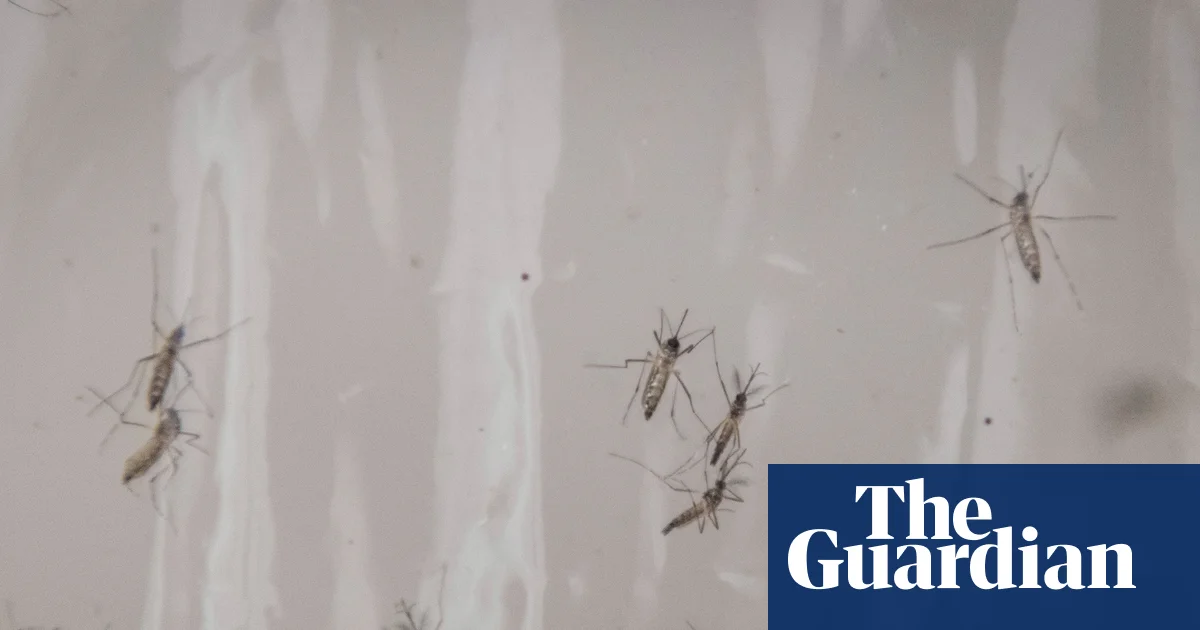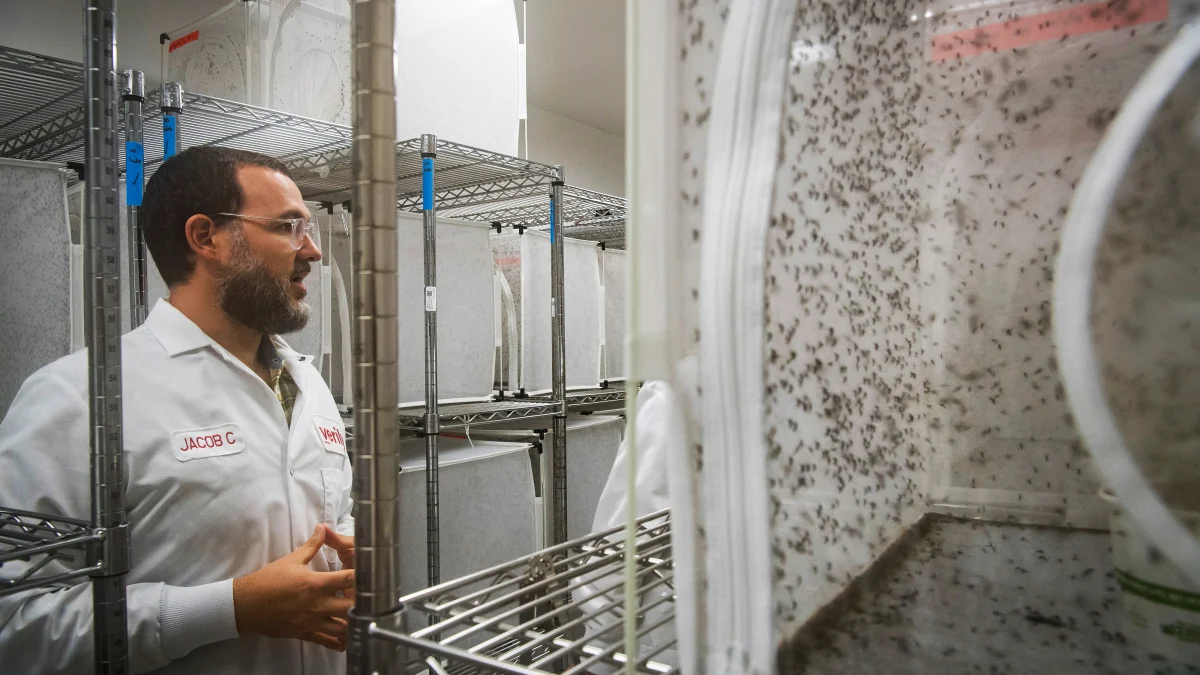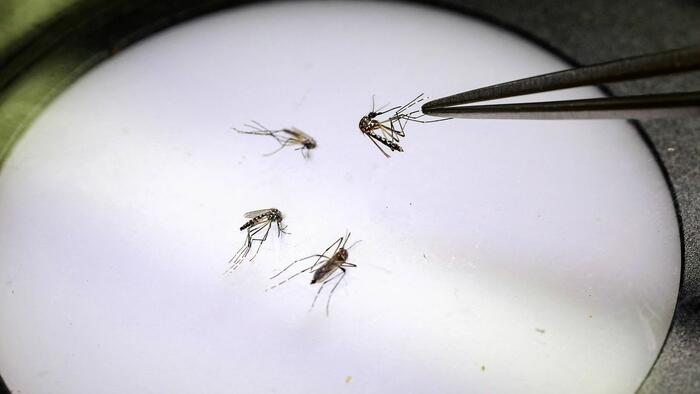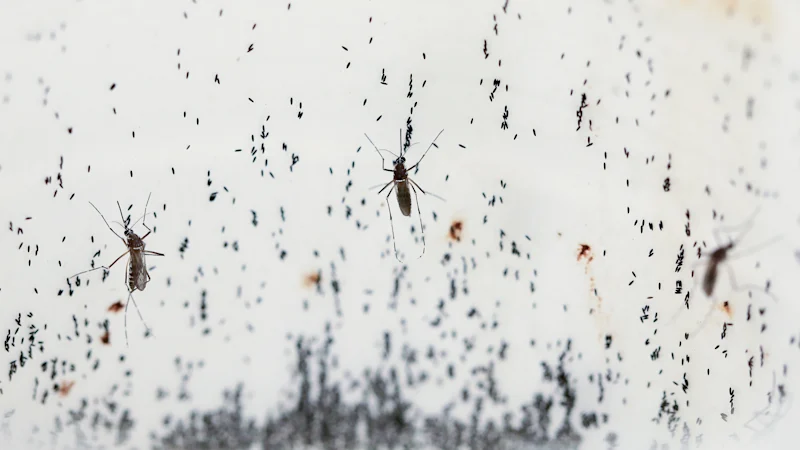
June 2, 2026 — 7:45pmGoogle has launched a massive “debugging” project that has nothing to do with dodgy software.The tech giant has applied to the US government for permission to release 32 million mosquitoes across California and Florida.Mosquitoes lay eggs inside a lab in Colombia. Scientists are breeding the mosquitoes to carry a bacteria that interrupts the transmission of dengue.APThe mission is run through Debug, an Alphabet-owned program aimed at slashing numbers of the world’s deadliest animals to curb the diseases they spread, including West Nile Virus and Dengue fever.The program employs a variation of an Australian-pioneered method, which harnesses a bacterium that stops viruses replicating within the insects and turns their eggs sterile.It’s a move that might need to be considered in Australia after a hyper-aggressive Asian mosquito species was discovered for the first time on the mainland.So how does it all work? And why is Google involved at all?The Australian-developed techniqueWolbachia is a bacterium that naturally infects about half of all insect species. But not Aedes aegypti, the mosquito species notorious for carrying Dengue, Zika, Chikungunya and yellow fever.A major breakthrough in disease control came in 2009. Australian scientists found infecting Aedes aegypti with Wolbachia stopped the replication of the dengue virus within the mosquitoes. Without virus replication, disease cannot spread.Scientists suspect the bacteria outcompete viruses within mosquitoes. Both pathogens need cholesterol, for example, and if you’ve got a population of Wolbachia within mozzies hoovering up all the cholesterol, the viruses “starve”.Nature’s solution: the Wolbachia bacterium.World Mosquito ProgramThe bacteria also turbocharge a mozzie’s immune system, which helps repel viral infection.Could Wolbachia-infected mosquitoes stop diseases spreading in the real world? The first field trials began in Cairns. By 2021, the technique had its strongest evidence, with a randomised controlled trial in Yogyakarta, Indonesia, that found Wolbachia-infected mozzies led to a 77 per cent plunge in dengue cases.This research grew into the World Mosquito Program, founded by pioneering Wolbachia scientist Scott O’Neill, who led early research at the University of Queensland and Monash University.The program has unleashed anti-viral mozzies across 15 countries including Australia (in Queensland), Brazil, Colombia, Sri Lanka, Vietnam and Mexico. The method has prevented an estimated 1.2 million cases of dengue and almost 80,000 hospitalisations.The World Mosquito Program and Google’s Debug both harness this miracle bacteria. But they use vastly different tactics.The replacement paradigm v Google’s sterility methodYou can do two things with Wolbachia: stealthily infect an entire mosquito population, so disease can’t spread. Or you crash the population itself.The difference hinges on the sex of the infected mosquitoes that are released.Senior director of field entomology with the World Mosquito Program, Associate Professor Greg Devine, says his program uses the “Wolbachia replacement” technique.“It’s replacing the wild mosquito population with mosquitoes that are carrying Wolbachia. So the population is still there, but it’s a much more benign one that is not unable to transmit dengue,” he says.Ayu Rahayu from the World Mosquito Program at work extracting DNA from mosquitoes in Yogyakarta.
Massive debugging project: Why Google plans to release 32 million mosquitoes
It’s a plan Australia might need to replicate with the arrival of a new and aggressive species.
1,117 words~5 min read