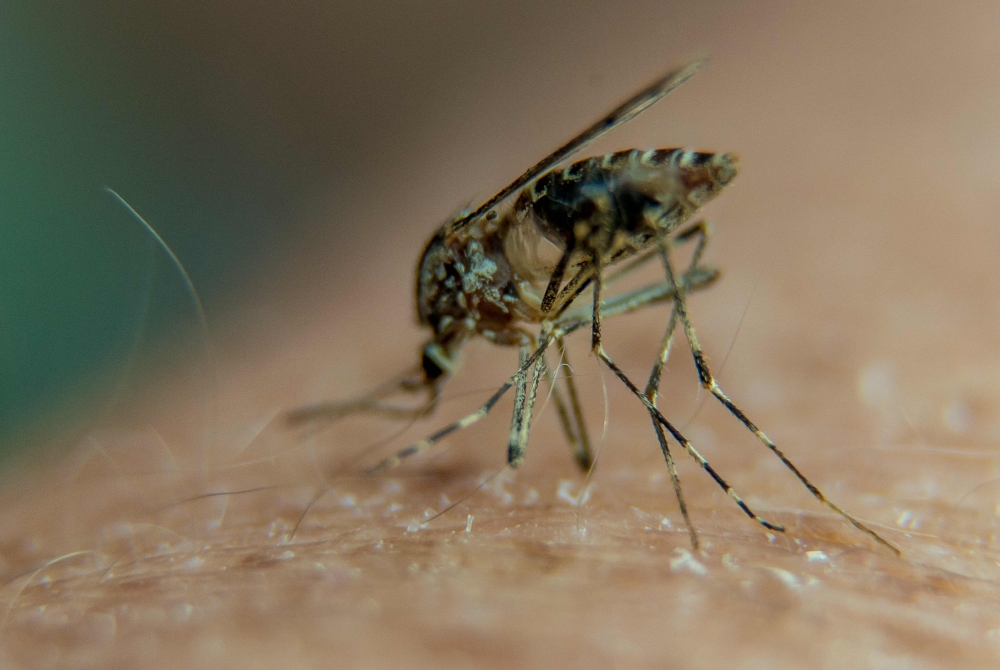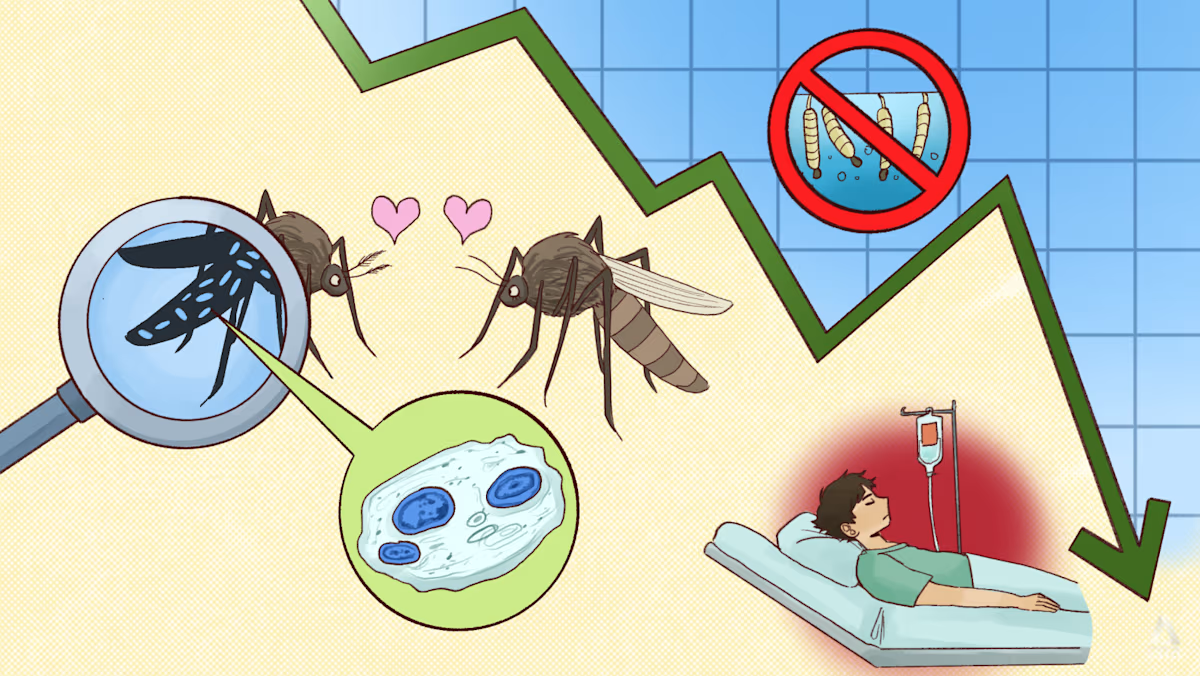
Close to a decade ago, Singapore embarked on a project that sounded more like the logline of a science-fiction movie than a national public health plan.To battle the onslaught of bloodthirsty female Aedes aegypti mosquitoes, that appeared likely to take the annual dengue infections to a record high of 30,000, the National Environment Agency (NEA) built its own army of specially bred mosquitoes. Created in a facility, these male mosquitoes carried bacteria that meant that any eggs laid by female Aedes mosquitoes they mated with would end up as duds.Singapore was not the first country to trial this method, but the first to do so in a high-rise, high-density tropical environment.
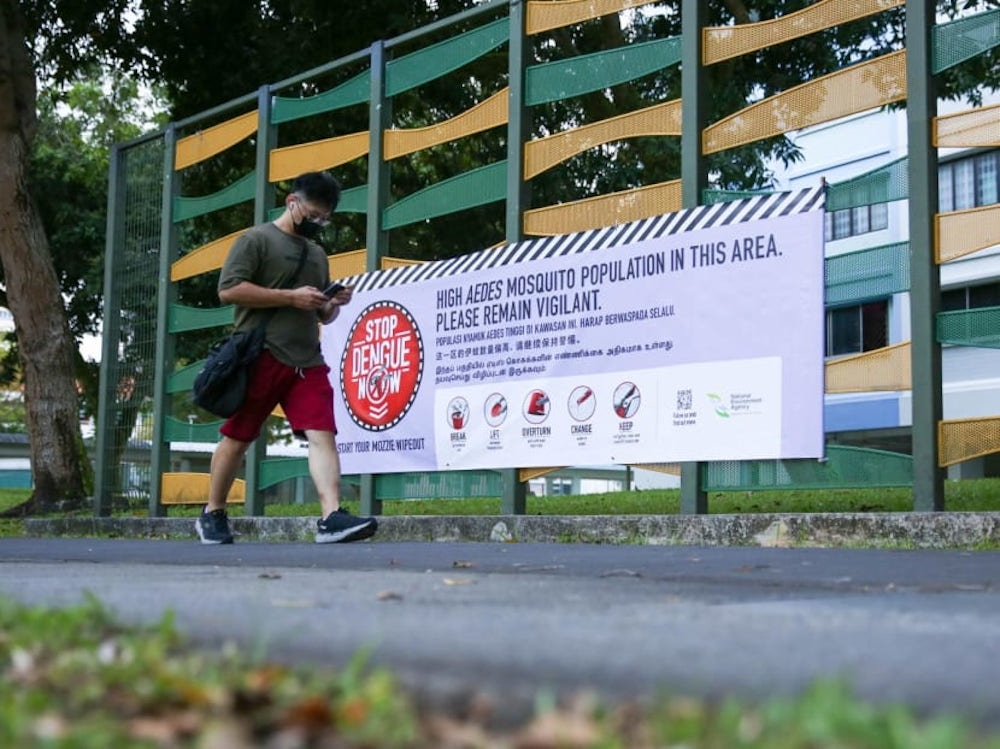
Now, 10 years on, Project Wolbachia has become a key driver of Singapore's success in its fight against dengue."Wolbachia has been a game changer due to its consistent ability to suppress disease-carrying mosquitoes," said Assistant Professor Lim Jue Tao from the Lee Kong Chian School of Medicine at Nanyang Technological University (NTU). Combined with heightened surveillance, educational campaigns and enforcement efforts over the years, this endeavour has clearly borne fruit.With reported infections, up to May 9, hitting only 593 – around 35 per cent of the 1,692 cases during the same period last year – Singapore looks on track to record its lowest annual tally of dengue cases in over two decades, assuming numbers grow at their current levels. The whole of 2025 saw 4,036 cases, which was already a 70.4 per cent drop from the 13,651 cases in 2024. But a quarter century ago in 2001, there were just 2,372 infections.While infectious disease experts told CNA TODAY they're optimistic that Singapore could hit a record for the lowest number of infections in over two decades, they also cautioned that in the past infections have surged following periods when numbers were relatively low.Singapore is, in fact, just entering the traditional peak season for dengue from May to October, when the weather is usually warmer and wetter, and more conducive for the breeding of the Aedes aegypti mosquito. At the start of 2022, for example, weekly cases were in the range of 200 to 300 but soared to over 1,500 in May.